Have you ever wondered how the health of our forests impacts global warming? Whether you’re a seasoned environmentalist or someone keen to learn more about our planet, understanding the relationship between deforestation and global warming is crucial. While it may seem like a distant issue, the truth is that what happens to our forests directly affects the Earth’s climate.
Understanding Deforestation
What is Deforestation?
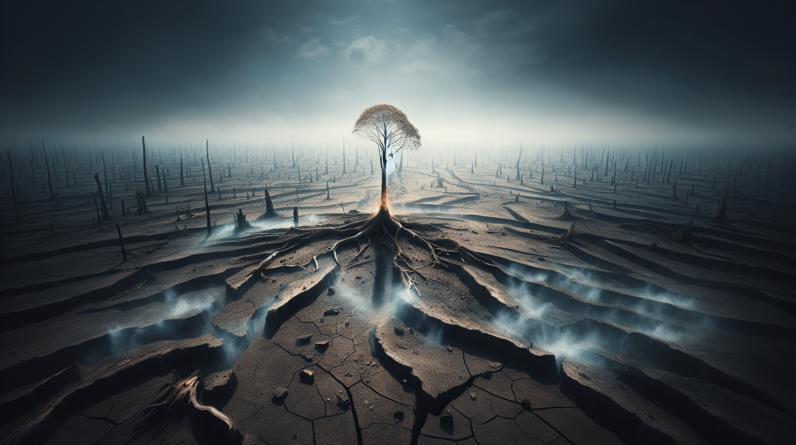
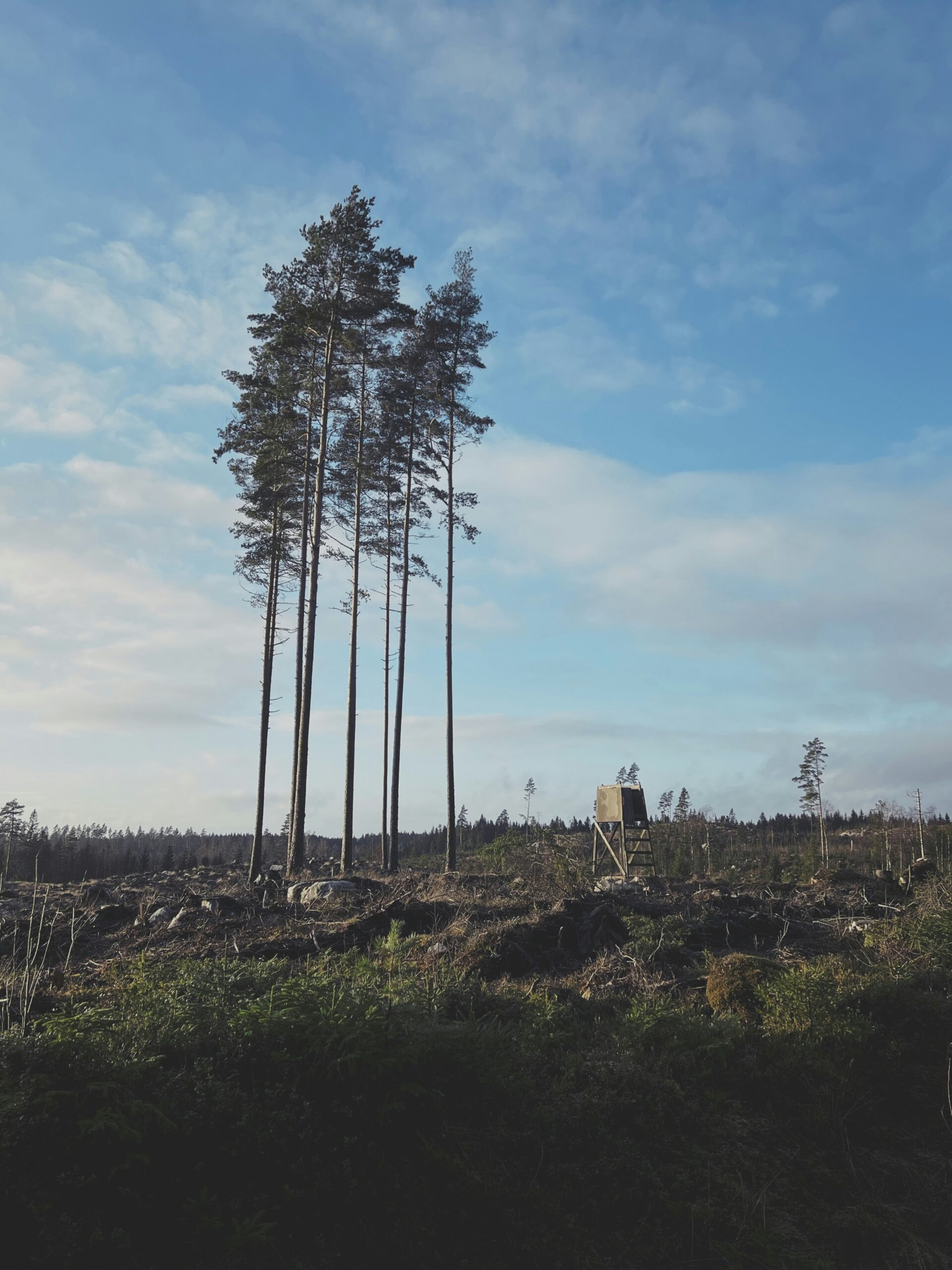
Deforestation refers to the large-scale removal of trees from forests or other lands for non-forest use. This includes clearing land for agriculture, urban development, and logging. When trees are cut down, the forest ecosystem is disrupted, affecting not just the trees but also the myriad of life forms that depend on them.
How Widespread is It?
Deforestation is a global issue, affecting various regions differently. Some of the areas most impacted include the Amazon Rainforest in South America, the Congo Basin in Africa, and forests in Southeast Asia. According to the World Bank, an area roughly the size of Panama is lost annually to deforestation.
| Region | Annual Forest Loss (hectares) |
|---|---|
| Amazon Basin | 2.3 million |
| Southeast Asia | 1.2 million |
| African Congo | 0.8 million |
| Total | 4.3 million |
Why Does It Happen?
The primary drivers of deforestation are:
- Agriculture: Clearing land for crops and livestock.
- Urbanization: Expansion of cities and towns.
- Logging: Harvesting timber for construction and paper products.
- Mining: Extracting minerals and resources.
These activities are often economically motivated, providing jobs and resources but at a significant environmental cost.
Deforestation’s Connection to Global Warming
The Role of Trees in the Carbon Cycle
Trees play an essential role in the carbon cycle. They absorb carbon dioxide (CO2) during photosynthesis, storing the carbon and releasing oxygen. This process helps regulate the Earth’s atmospheric CO2 levels, which are critical for controlling the planet’s temperature.
When trees are cut down and either burned or left to decay, they release this stored carbon back into the atmosphere as CO2, a greenhouse gas. Increased levels of greenhouse gases trap more heat in the Earth’s atmosphere, leading to global warming.
Carbon Sequestration
Carbon sequestration is the process by which trees and other plants capture and store atmospheric carbon. Forests act as carbon sinks, absorbing more CO2 than they release. However, deforestation disrupts this balance, converting these carbon sinks into carbon sources.
| Factor | Impact on CO2 Levels |
|---|---|
| Forest (Existing) | Absorbs CO2 |
| Forest (Deforested) | Releases stored CO2 |
Climate Feedback Loops
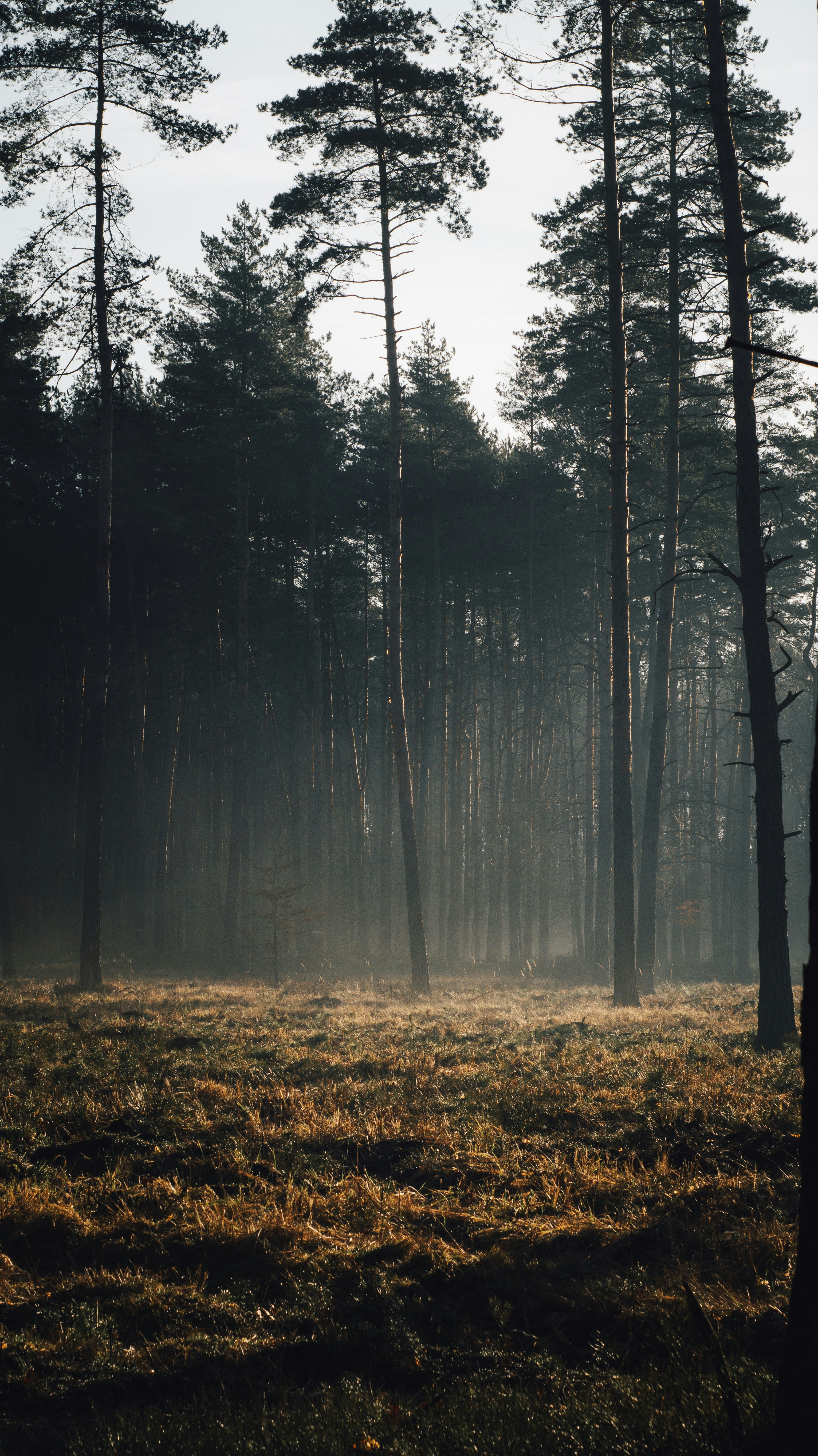
Deforestation can also create climate feedback loops that exacerbate global warming. For example, losing forest cover can change local and global climates by altering the reflectivity of the Earth’s surface (albedo effect). Forests generally absorb sunlight, while deforested areas reflect it, leading to additional warming and drying in those regions. This can exacerbate conditions like droughts, making it harder for forests to regenerate and perpetuating the cycle.
The Consequences of Deforestation on Climate
Temperature Increases
One of the most direct consequences of deforestation is an increase in global temperatures. This is primarily due to the increased levels of CO2 in the atmosphere but also related to changes in land use and surface temperatures.
Weather Patterns
Deforestation can significantly affect weather patterns. Trees help moderate the temperature and humidity of their environment. When they’re removed, there can be broader impacts on weather, including:
- Increased frequency of extreme weather events: Such as hurricanes and cyclones.
- Altered precipitation patterns: Leading to irregular rainfall and more severe droughts in some areas and flooding in others.
Impact on Biodiversity
Forests are home to 80% of the world’s terrestrial biodiversity. When forests are cleared, countless species lose their habitats, leading to reduced biodiversity and ecosystem services. The loss of biodiversity can make ecosystems less resilient to climate change and other stressors, further amplifying the impacts of global warming.
Sea Level Rise
Global warming directly contributes to the rising of sea levels through thermal expansion of seawater and the melting of glaciers and polar ice caps. The increase in CO2 from deforestation accelerates these processes. Rising sea levels threaten coastal communities, ecosystems, and economies.
Efforts to Combat Deforestation
International Agreements
Various international agreements aim to address deforestation and its contribution to global warming. Notable among these are:
- The Paris Agreement: Countries have committed to reducing greenhouse gas emissions, which includes addressing deforestation.
- REDD+ (Reducing Emissions from Deforestation and Forest Degradation): An international program designed to provide financial incentives to developing countries to reduce forest loss and invest in low-carbon paths to sustainable development.
National Policies
Many countries have enacted national policies to reduce deforestation. For instance, Brazil has developed laws and regulations to curb illegal logging and promote sustainable land use, although enforcement can be challenging.
Conservation and Reforestation
Conservation initiatives aim to protect existing forests, while reforestation projects focus on planting trees in deforested areas. Both are crucial for maintaining carbon sequestration capacities.
| Strategy | Goals |
|---|---|
| Conservation | Protecting existing forests |
| Reforestation | Planting new trees |
| Sustainable Logging | Managing forest resources responsibly |
What Can You Do?
Raising Awareness
Education and awareness are critical. Inform your community about the impacts of deforestation and encourage sustainable practices. Knowledge is a powerful tool in the fight against global warming.
Supporting Sustainable Products
Choose products that are certified for their sustainable practices, such as those with the Forest Stewardship Council (FSC) label. By buying sustainably, you support companies that are working to reduce their environmental impact.
Reducing Carbon Footprint
Individual actions can collectively make a substantial impact. Reduce your carbon footprint by:
- Using energy-efficient appliances.
- Reducing, reusing, and recycling.
- Opting for public transportation or carpooling.
Advocacy
Advocate for policies and initiatives that promote forest conservation. Write to your local representatives, participate in local environmental groups, and support organizations that fight deforestation.
The Future and Hope
Technological Advances
Innovations in technology offer hope for more effective monitoring and management of forests. Satellite imagery and drones can help track deforestation in real-time, allowing rapid response to illegal activities.
Collaboration
Collaboration between governments, NGOs, private sectors, and local communities is crucial. Together, we can develop and implement strategies that balance economic needs with environmental sustainability.
The Role of Education
Education empowers the next generation to value and protect forests. By integrating environmental studies into school curriculums and fostering a love for nature, we can cultivate environmentally conscious citizens.
Conclusion
Understanding the intricate link between deforestation and global warming is pivotal for tackling climate change. Forests are more than just trees; they are integral to our planet’s health. With concerted effort, informed action, and global cooperation, there’s hope that we can turn the tide.
By recognizing the importance of our forests, supporting sustainable practices, and advocating for robust policies, you can contribute to a healthier planet. The heat is on, but together, we can help cool it down.