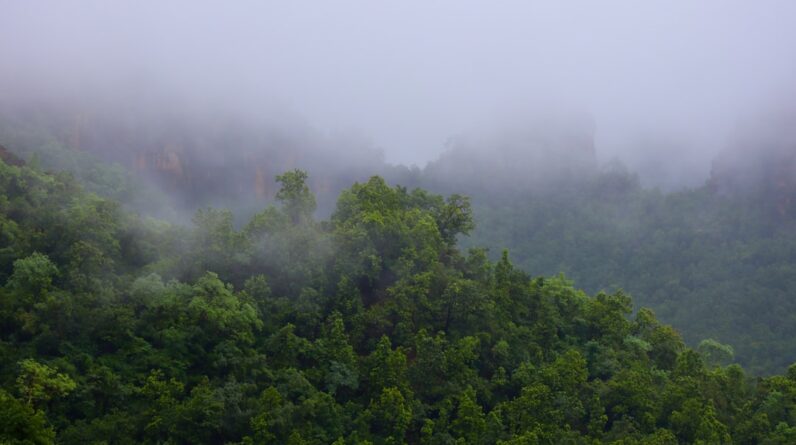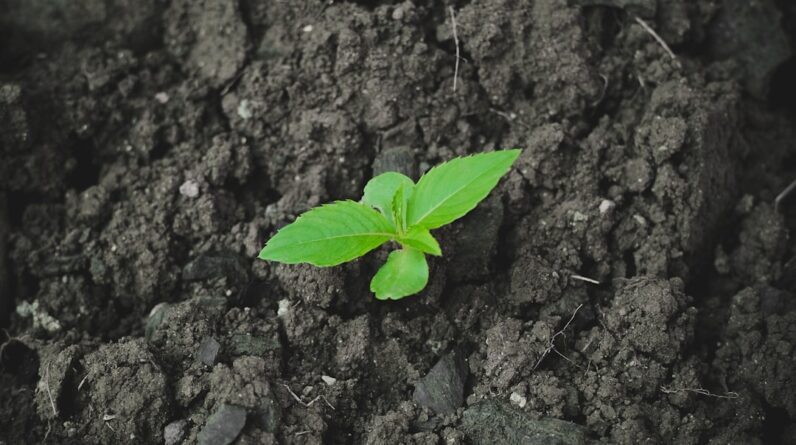
Reforestation plays a crucial role in water conservation, acting as a natural solution to many of the water-related challenges faced by communities around the globe. When you think about forests, you might picture towering trees and diverse wildlife, but their impact on water resources is equally significant. Trees absorb rainfall, allowing water to seep into the ground rather than running off into rivers and streams.
This process not only replenishes groundwater supplies but also helps maintain the overall hydrological balance of an area. By restoring forests, you are essentially enhancing the natural systems that filter and store water, ensuring that it remains available for both human use and ecological health. Moreover, reforestation can significantly improve the quality of water in surrounding areas.
As trees grow, their roots stabilize the soil, reducing sedimentation in nearby water bodies. This is particularly important in regions where agricultural runoff or urban development has led to increased pollution levels. By planting trees, you are not just adding greenery; you are actively participating in a process that cleanses and protects vital water resources.
The importance of reforestation in this context cannot be overstated, as it serves as a proactive measure to safeguard water quality for future generations.
Key Takeaways
- Reforestation is crucial for water conservation as it helps to replenish groundwater and maintain water quality.
- Trees play a vital role in preventing soil erosion and reducing water pollution by stabilizing soil and filtering pollutants.
- Reforestation is essential for maintaining watershed health as trees help to regulate water flow and reduce the risk of flooding and drought.
- Reforestation is a key strategy for mitigating the impact of climate change on water resources by enhancing water retention and reducing the risk of water scarcity.
- Forests play a critical role in the water cycle by influencing precipitation patterns and regulating water flow.
How Reforestation Helps to Prevent Soil Erosion and Water Pollution
Soil erosion is a pressing issue that can lead to significant environmental degradation, particularly in areas where vegetation has been removed. When you consider the role of trees in preventing soil erosion, it becomes clear how vital reforestation is for maintaining healthy ecosystems. The roots of trees anchor the soil, preventing it from being washed away during heavy rains or flooding.
This stabilization is essential not only for preserving the land but also for protecting water bodies from sedimentation and pollution. By reforesting an area, you are directly contributing to the prevention of soil erosion, which in turn helps maintain clean waterways. In addition to preventing erosion, reforestation also plays a key role in reducing water pollution.
Trees act as natural filters, absorbing harmful substances and nutrients before they can enter water systems. For instance, when rainwater flows over agricultural fields, it often carries fertilizers and pesticides that can contaminate nearby streams and rivers. However, when trees are present, they can intercept this runoff, allowing for natural filtration processes to occur.
By engaging in reforestation efforts, you are not only helping to restore landscapes but also ensuring that the water flowing through these areas remains clean and safe for both human consumption and wildlife.
The Role of Trees in Maintaining Watershed Health
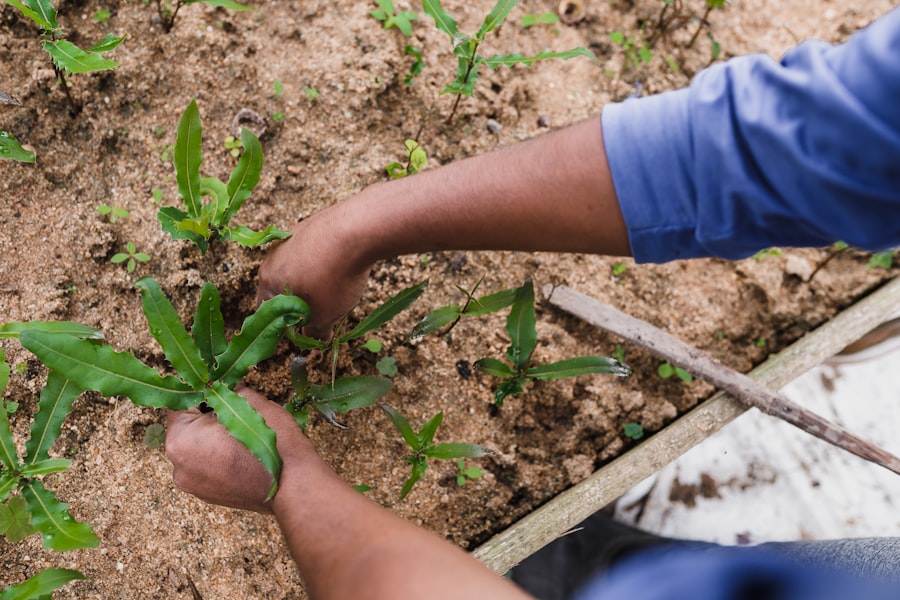
Watersheds are critical components of our environment, serving as natural systems that collect and distribute water. The health of a watershed is intrinsically linked to the presence of trees and forests. When you think about the role of trees in maintaining watershed health, consider how they contribute to the overall functionality of these ecosystems.
Trees help regulate water flow by absorbing excess rainfall and releasing it slowly over time, which prevents flooding and ensures a steady supply of water during dry periods. This regulation is essential for both agricultural practices and urban water supply systems. Furthermore, trees play a vital role in enhancing biodiversity within watersheds.
Healthy forests provide habitat for various species, which in turn contribute to the ecological balance necessary for maintaining clean water sources. When you engage in reforestation efforts, you are not only restoring tree cover but also fostering a diverse range of flora and fauna that support watershed health. This interconnectedness highlights the importance of trees in sustaining not just water resources but entire ecosystems that rely on clean and abundant water.
Reforestation as a Strategy for Mitigating the Impact of Climate Change on Water Resources
Climate change poses significant threats to global water resources, leading to altered precipitation patterns and increased frequency of extreme weather events. In this context, reforestation emerges as a powerful strategy for mitigating these impacts. When you plant trees, you are not only sequestering carbon dioxide but also enhancing the resilience of local ecosystems against climate-related challenges.
Forests can help buffer against the effects of droughts and floods by improving soil moisture retention and regulating local climates. Additionally, reforestation can play a pivotal role in adapting to changing water availability due to climate change. As temperatures rise and weather patterns shift, the demand for reliable water sources will only increase.
By restoring forests, you are investing in a sustainable future where ecosystems can better cope with these changes. This proactive approach not only benefits your community but also contributes to global efforts aimed at combating climate change and its associated impacts on water resources.
The Relationship Between Forests and the Water Cycle
Understanding the relationship between forests and the water cycle is essential for appreciating the importance of reforestation in water conservation efforts. Forests act as vital components of the hydrological cycle by facilitating processes such as transpiration and evaporation. When trees release moisture into the atmosphere through transpiration, they contribute to cloud formation and precipitation patterns.
This interaction highlights how forests can influence local weather systems and ultimately affect water availability. Moreover, forests play a critical role in maintaining groundwater levels. As rainwater infiltrates through forested areas, it replenishes aquifers that serve as essential sources of drinking water for many communities.
When you engage in reforestation efforts, you are directly contributing to this intricate relationship between forests and the water cycle. By restoring tree cover, you enhance the ability of ecosystems to capture and retain moisture, ensuring that both surface and groundwater resources remain sustainable for future generations.
Case Studies of Successful Reforestation Projects and Their Impact on Water Conservation
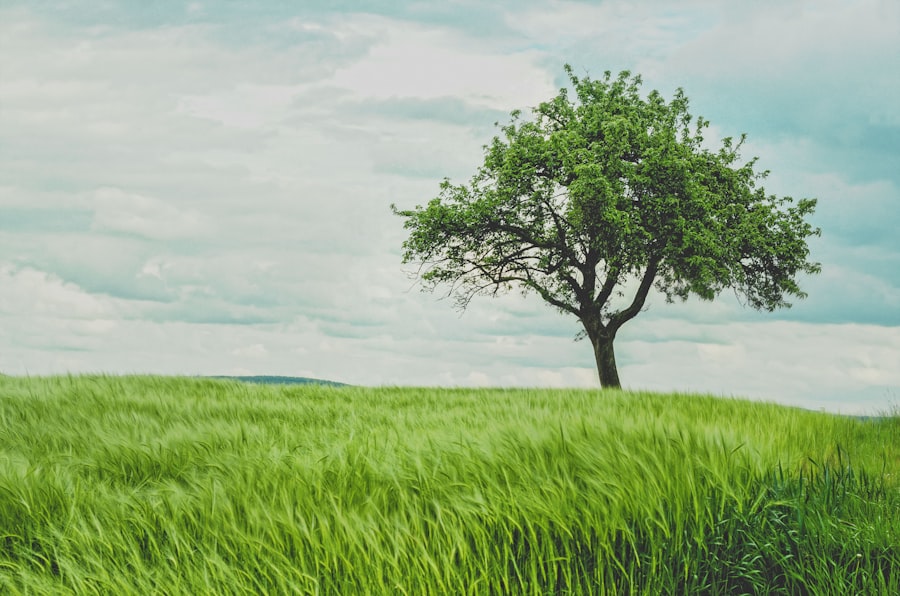
Examining successful reforestation projects can provide valuable insights into their impact on water conservation efforts. One notable example is the reforestation initiative in Ethiopia known as the Green Legacy Initiative. Launched in 2019, this ambitious project aims to plant billions of trees across the country to combat deforestation and restore degraded landscapes.
Early results indicate that these efforts have led to improved soil health and increased water retention in affected areas, demonstrating how large-scale reforestation can positively influence local hydrology. Another compelling case study is found in Costa Rica, where reforestation programs have transformed landscapes while enhancing water quality. Through initiatives like Payment for Environmental Services (PES), landowners are incentivized to restore forest cover on their properties.
As a result, many regions have witnessed a resurgence of biodiversity alongside improved watershed health. These examples illustrate how targeted reforestation efforts can yield significant benefits for both ecosystems and communities reliant on clean water resources.
The Economic and Social Benefits of Reforestation for Water Conservation
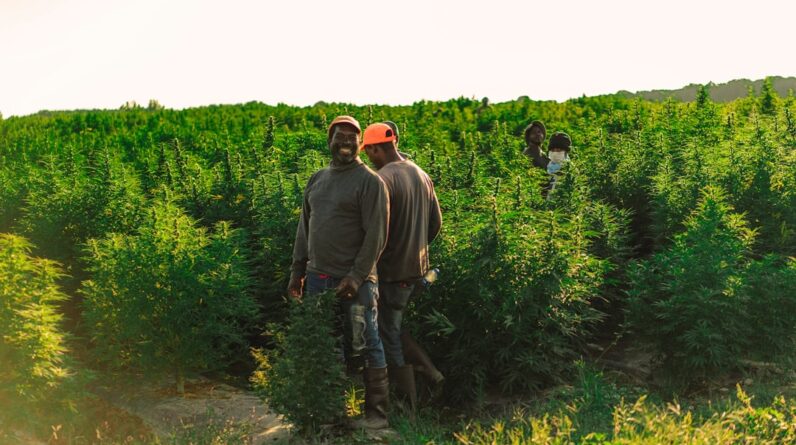
Reforestation offers numerous economic benefits that extend beyond environmental conservation. When you consider the social implications of restoring forests, it becomes evident that these initiatives can create jobs and stimulate local economies. For instance, reforestation projects often require labor for planting and maintenance activities, providing employment opportunities for community members.
Additionally, healthy forests can enhance tourism potential by attracting visitors interested in nature-based activities such as hiking or birdwatching. Furthermore, reforestation contributes to long-term economic stability by ensuring reliable access to clean water resources. As communities invest in restoring their natural landscapes, they are also investing in their future resilience against climate change and resource scarcity.
By prioritizing reforestation efforts, you are not only supporting environmental sustainability but also fostering economic growth that benefits both current residents and future generations.
How Individuals Can Contribute to Reforestation Efforts for Water Conservation
As an individual, your contributions to reforestation efforts can make a significant difference in promoting water conservation within your community. One effective way to get involved is by participating in local tree-planting events or supporting organizations dedicated to reforestation initiatives. By volunteering your time or donating resources, you can help restore degraded landscapes while raising awareness about the importance of trees for water conservation.
Additionally, consider adopting sustainable practices in your daily life that support reforestation goals. This could include reducing paper consumption, supporting sustainable forestry products, or advocating for policies that prioritize forest conservation. Every small action counts; by making conscious choices that align with reforestation efforts, you contribute to a larger movement aimed at protecting vital water resources for generations to come.
In conclusion, reforestation is an essential strategy for promoting water conservation across various dimensions—from preventing soil erosion and pollution to maintaining watershed health and mitigating climate change impacts. By understanding the intricate relationships between forests and water resources, you can appreciate the profound impact that reforestation has on both environmental sustainability and community well-being. Your involvement in these efforts can lead to meaningful change, ensuring that clean water remains accessible for all while fostering healthier ecosystems worldwide.
There is a fascinating article on how planting trees helps combat climate change that further explores the benefits of reforestation. This article delves into the role of trees in sequestering carbon dioxide and reducing greenhouse gas emissions, highlighting the interconnectedness between reforestation and environmental conservation efforts. It is a great read for those interested in learning more about the positive impact of planting trees on our planet.
FAQs
What is reforestation?
Reforestation is the process of planting trees in areas where forests have been depleted or destroyed. It is done to restore the ecological balance, improve air quality, and prevent soil erosion.
How does reforestation help with water conservation?
Reforestation helps with water conservation in several ways. Trees help to absorb and retain water in the soil, reducing runoff and erosion. They also help to regulate the water cycle, increasing groundwater recharge and maintaining stream flow.
What is the connection between reforestation and water quality?
Reforestation plays a crucial role in maintaining water quality. Trees act as natural filters, trapping sediment and pollutants, and preventing them from entering water bodies. This helps to improve the overall quality of the water.
How does reforestation impact local ecosystems?
Reforestation has a positive impact on local ecosystems by providing habitat for wildlife, promoting biodiversity, and restoring natural habitats. It also helps to mitigate the effects of climate change and contributes to the overall health of the environment.
What are some examples of successful reforestation projects and their impact on water conservation?
There are numerous successful reforestation projects around the world that have had a significant impact on water conservation. For example, the Loess Plateau in China has seen dramatic improvements in water retention and soil erosion control as a result of reforestation efforts. Similarly, the Atlantic Forest in Brazil has benefited from reforestation, leading to improved water quality and increased biodiversity.