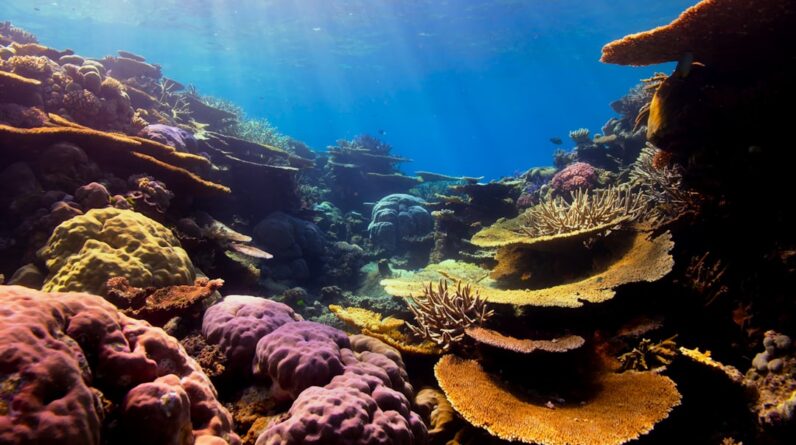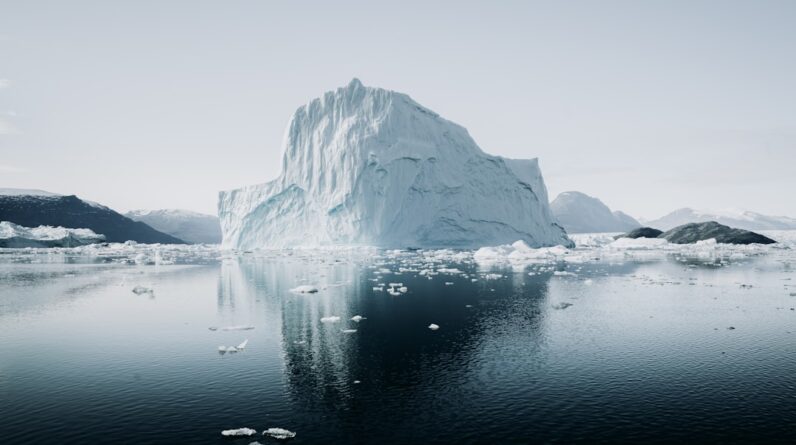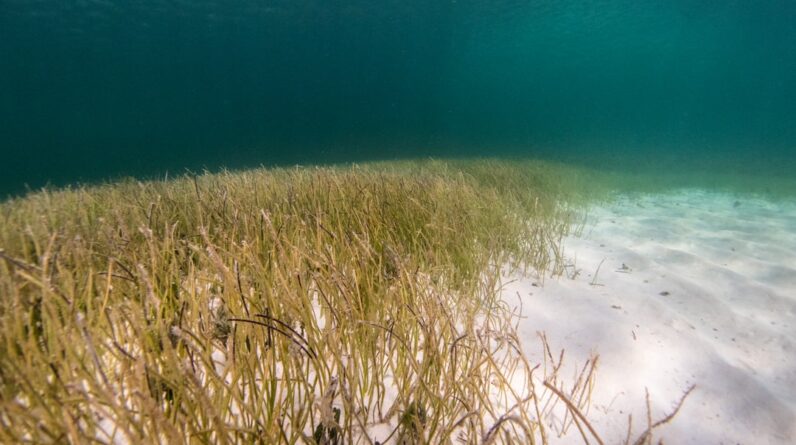
The oceans cover more than 70% of our planet’s surface, serving as a vital resource for life on Earth. They are not only home to an astonishing array of biodiversity but also play a crucial role in regulating the climate and supporting human livelihoods. As you consider the importance of ocean conservation, it becomes clear that protecting these vast bodies of water is essential for maintaining ecological balance.
The oceans produce over half of the oxygen we breathe and absorb a significant portion of the carbon dioxide emitted into the atmosphere. This natural process helps mitigate climate change, making the health of our oceans directly linked to the well-being of our planet. Moreover, oceans are a source of food, recreation, and economic opportunity for billions of people worldwide.
From fishing communities relying on sustainable catches to tourism industries thriving on pristine beaches and coral reefs, the economic implications of ocean health are profound. As you reflect on your own connection to the ocean, whether through a beach vacation or a favorite seafood dish, it becomes evident that the health of these waters impacts your life in numerous ways. Protecting marine ecosystems is not just an environmental issue; it is a matter of social justice and economic stability for communities around the globe.
Key Takeaways
- Ocean conservation is crucial for maintaining biodiversity, regulating climate, and supporting livelihoods.
- Innovative approaches such as marine protected areas, sustainable fisheries, and ocean-friendly technology are essential for effective ocean conservation.
- Leading figures in ocean conservation, such as marine biologists, environmental activists, and policymakers, play a key role in driving positive change.
- Challenges in ocean conservation, such as overfishing, pollution, and climate change, require collaborative solutions from governments, industries, and communities.
- Individual efforts, such as reducing plastic use, supporting sustainable seafood, and participating in beach clean-ups, can have a significant impact on ocean conservation.
Innovative Approaches to Ocean Conservation
In recent years, innovative approaches to ocean conservation have emerged, harnessing technology and community engagement to address pressing challenges. One such approach is the use of satellite technology and drones to monitor marine environments. These tools allow researchers to gather data on ocean temperatures, pollution levels, and wildlife populations with unprecedented accuracy.
As you think about the potential of these technologies, consider how they can inform conservation strategies and help identify areas in need of protection. By utilizing real-time data, conservationists can make informed decisions that lead to more effective management of marine resources. Another innovative method gaining traction is the concept of marine protected areas (MPAs).
These designated regions restrict human activity to preserve biodiversity and restore ecosystems. As you explore the idea of MPAs, you may find it fascinating that some countries have committed to protecting 30% of their oceans by 2030. This ambitious goal reflects a growing recognition of the need for proactive measures in ocean conservation.
Engaging local communities in the establishment and management of MPAs ensures that conservation efforts are culturally relevant and economically viable, fostering a sense of ownership and responsibility among those who depend on these resources.
Leading Figures in Ocean Conservation
Throughout history, numerous individuals have emerged as champions for ocean conservation, inspiring others to take action. One such figure is Sylvia Earle, a renowned marine biologist and explorer who has dedicated her life to studying and protecting the oceans. As you learn about her work, you may be struck by her passion for marine ecosystems and her commitment to raising awareness about their fragility.
Earle’s initiatives, such as Mission Blue, aim to create a global network of marine protected areas, emphasizing the need for urgent action to safeguard our oceans. Another influential leader in this field is Paul Watson, co-founder of Greenpeace and founder of the Sea Shepherd Conservation Society. His bold tactics in confronting illegal whaling and fishing practices have garnered both admiration and controversy.
As you consider Watson’s approach, you might reflect on the ethical dilemmas surrounding conservation efforts and the lengths to which individuals will go to protect marine life. His unwavering dedication serves as a reminder that ocean conservation requires not only scientific knowledge but also courage and determination.
Challenges and Solutions in Ocean Conservation
Despite the progress made in ocean conservation, significant challenges remain. Overfishing, pollution, and climate change continue to threaten marine ecosystems worldwide. As you contemplate these issues, it becomes clear that addressing them requires a multifaceted approach.
For instance, overfishing depletes fish populations and disrupts food chains, leading to imbalances in marine ecosystems. Implementing sustainable fishing practices and enforcing regulations can help restore fish stocks and promote healthier oceans. Pollution poses another critical challenge, with plastics being one of the most pervasive threats to marine life.
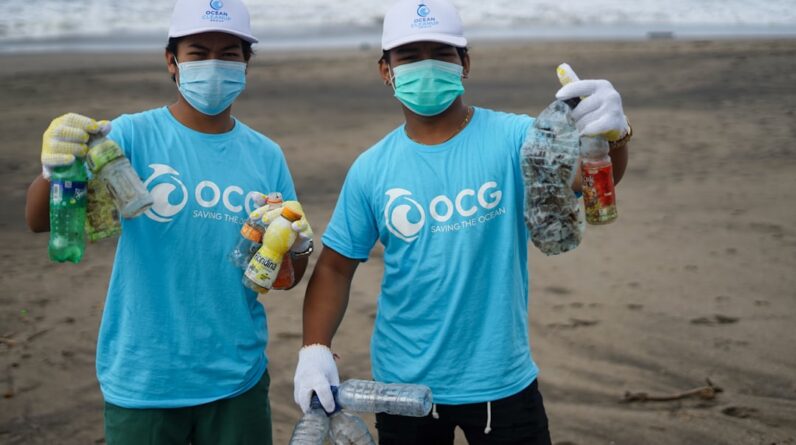
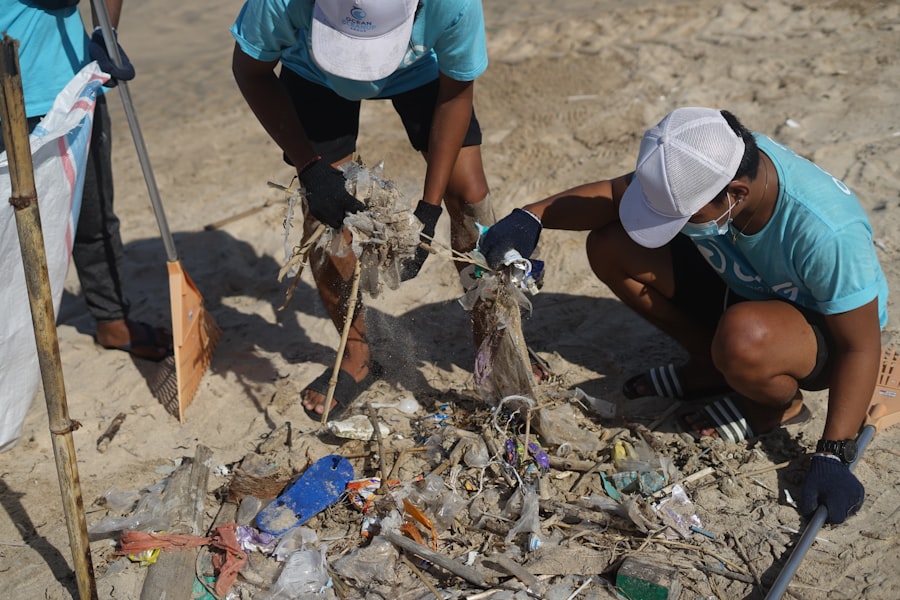
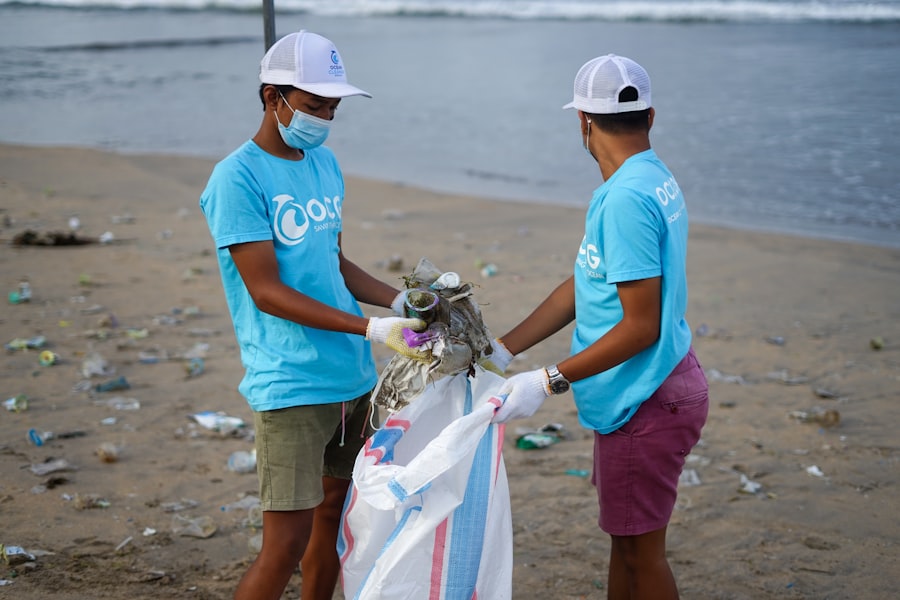
As you consider your own consumption habits, you may recognize the role individuals play in contributing to this problem. Solutions such as reducing single-use plastics, participating in beach clean-ups, and advocating for policies that limit plastic production can make a significant difference. By raising awareness about the impact of pollution on marine environments, you can inspire others to take action and contribute to a cleaner ocean.
The Impact of Individual Efforts in Ocean Conservation
While large-scale initiatives are essential for ocean conservation, individual efforts also play a crucial role in driving change. Every small action counts, whether it’s reducing plastic use or supporting sustainable seafood choices. As you reflect on your own lifestyle, consider how your choices can contribute to healthier oceans.
By making conscious decisions about what you consume and how you interact with your environment, you can inspire those around you to do the same. Moreover, grassroots movements have proven effective in mobilizing communities for ocean conservation. Local organizations often lead initiatives that engage residents in protecting their coastal environments.
As you think about your community’s relationship with the ocean, consider how collective action can amplify individual efforts. Whether it’s organizing educational workshops or participating in local advocacy campaigns, your involvement can create a ripple effect that fosters a culture of conservation.
Future Opportunities in Ocean Conservation
Looking ahead, there are numerous opportunities for advancing ocean conservation efforts. The rise of blue economy initiatives emphasizes sustainable practices that balance economic growth with environmental protection. As you explore this concept, you may find it exciting that industries such as aquaculture and renewable energy are increasingly being integrated into conservation strategies.
By investing in sustainable practices, we can create jobs while ensuring the health of our oceans for future generations. Additionally, advancements in technology offer promising avenues for ocean conservation. Innovations such as artificial intelligence and machine learning can enhance our understanding of marine ecosystems and improve monitoring efforts.
As you consider the potential of these technologies, think about how they can revolutionize data collection and analysis in ocean research. By harnessing these tools, scientists can develop more effective conservation strategies that adapt to changing environmental conditions.
Collaboration and Partnerships in Ocean Conservation
Collaboration is key to successful ocean conservation efforts. Governments, non-profit organizations, scientists, and local communities must work together to address complex challenges facing our oceans. As you reflect on the importance of partnerships, consider how diverse perspectives can lead to more comprehensive solutions.
Collaborative initiatives often bring together expertise from various fields, fostering innovation and creativity in addressing conservation issues. International agreements also play a vital role in promoting global cooperation for ocean conservation. Treaties such as the United Nations Convention on the Law of the Sea (UNCLOS) establish frameworks for managing marine resources and protecting biodiversity across national boundaries.
As you think about the significance of these agreements, recognize that collective action is essential for addressing transboundary issues like overfishing and pollution. By supporting international collaboration, you contribute to a more sustainable future for our oceans.
Inspiring Stories of Success in Ocean Conservation
Amidst the challenges facing our oceans, there are numerous inspiring stories of success that highlight the power of collective action and determination. One notable example is the recovery of the humpback whale population after decades of protection from commercial whaling. As you learn about this success story, consider how concerted efforts by governments and organizations have led to significant population increases, demonstrating that positive change is possible when we prioritize conservation.
Another inspiring case is the restoration of coral reefs through innovative techniques such as coral gardening and artificial reefs. Communities around the world have come together to rehabilitate damaged ecosystems, showcasing resilience and hope for marine environments. As you reflect on these stories, remember that every effort counts—whether large or small—and that your involvement can contribute to similar successes in ocean conservation.
In conclusion, ocean conservation is an urgent priority that requires collective action from individuals, communities, organizations, and governments alike. By understanding its importance and engaging with innovative approaches, you can play a vital role in protecting our oceans for future generations. Embrace opportunities for collaboration and be inspired by stories of success as you embark on your journey toward becoming an advocate for ocean health.
Together, we can ensure that our oceans remain vibrant ecosystems teeming with life for years to come.
If you are interested in learning more about individuals making a positive impact on the environment, check out the article Advantages of Planting Trees for Climate Change. This article discusses the importance of planting trees in combating climate change and highlights the benefits of this simple yet impactful action. It is a great resource for those looking to get involved in environmental conservation efforts.
FAQs
What is ocean conservation?
Ocean conservation refers to the efforts and actions taken to protect and preserve the health and biodiversity of the world’s oceans. This includes addressing issues such as overfishing, pollution, habitat destruction, and climate change.
Who are the pioneers in ocean conservation?
Pioneers in ocean conservation are individuals who have made significant contributions to the protection and preservation of the world’s oceans. They may be scientists, activists, policymakers, or advocates who have dedicated their work to addressing the various threats facing the oceans.
What are some examples of ocean conservation efforts?
Ocean conservation efforts can take many forms, including the establishment of marine protected areas, sustainable fishing practices, reduction of plastic pollution, restoration of coral reefs, and advocacy for policies that promote ocean health.
Why is ocean conservation important?
Ocean conservation is important because healthy oceans are essential for the well-being of the planet and all its inhabitants. Oceans provide food, regulate the climate, and support a diverse array of marine life. Protecting the oceans is crucial for the long-term sustainability of the Earth.
How can individuals contribute to ocean conservation?
Individuals can contribute to ocean conservation by reducing their use of single-use plastics, supporting sustainable seafood choices, participating in beach cleanups, and advocating for policies that protect the oceans. Additionally, supporting organizations and initiatives dedicated to ocean conservation can make a positive impact.