As you delve into the economic ramifications of global warming, it becomes evident that the consequences are far-reaching and multifaceted. The rising temperatures and erratic weather patterns are not just environmental issues; they are economic challenges that can disrupt entire industries. For instance, agriculture, a cornerstone of many economies, faces significant threats from changing climate conditions.
Crop yields are becoming increasingly unpredictable due to droughts, floods, and shifting growing seasons. This unpredictability can lead to higher food prices, affecting not only farmers but also consumers who rely on stable food supplies. Moreover, the financial burden of climate change extends beyond agriculture.
The insurance industry is grappling with increased claims due to natural disasters exacerbated by global warming. As hurricanes, wildfires, and floods become more frequent and severe, the costs associated with recovery and rebuilding escalate. This creates a ripple effect throughout the economy, as businesses face higher premiums and potential losses.
Additionally, infrastructure is at risk; roads, bridges, and public transport systems may require costly upgrades to withstand extreme weather events. The cumulative effect of these economic pressures can stifle growth and lead to job losses, particularly in vulnerable sectors.
Key Takeaways
- The economic impact of global warming includes increased costs for infrastructure repair and maintenance, as well as decreased agricultural productivity and potential loss of tourism revenue.
- Health risks and consequences of global warming include increased heat-related illnesses, spread of infectious diseases, and mental health impacts from natural disasters and displacement.
- Environmental degradation and loss of biodiversity are exacerbated by global warming, leading to habitat destruction, species extinction, and disruption of ecosystems.
- Displacement of communities and migration are expected to increase due to rising sea levels, extreme weather events, and loss of habitable land.
- Food and water insecurity are significant concerns as global warming affects crop yields, water availability, and fishery productivity, leading to potential food shortages and conflicts over resources.
Health Risks and Consequences
The health implications of global warming are profound and alarming. As temperatures rise, so do the risks associated with heat-related illnesses. Vulnerable populations, such as the elderly and those with pre-existing health conditions, are particularly at risk during heatwaves.
You may find it unsettling to learn that increased temperatures can lead to a rise in heatstroke cases and exacerbate chronic illnesses. Furthermore, the spread of vector-borne diseases is becoming more prevalent as warmer climates expand the habitats of mosquitoes and ticks. Diseases like malaria and dengue fever could see a resurgence in areas previously unaffected.
Air quality is another critical health concern linked to climate change. Higher temperatures can lead to increased levels of ground-level ozone, which can aggravate respiratory conditions such as asthma and chronic obstructive pulmonary disease (COPD). You might be surprised to discover that even mental health is affected; the stress and anxiety stemming from climate-related disasters can lead to long-term psychological issues.
The interconnectedness of climate change and public health underscores the urgent need for comprehensive strategies to mitigate these risks.
Environmental Degradation and Loss of Biodiversity
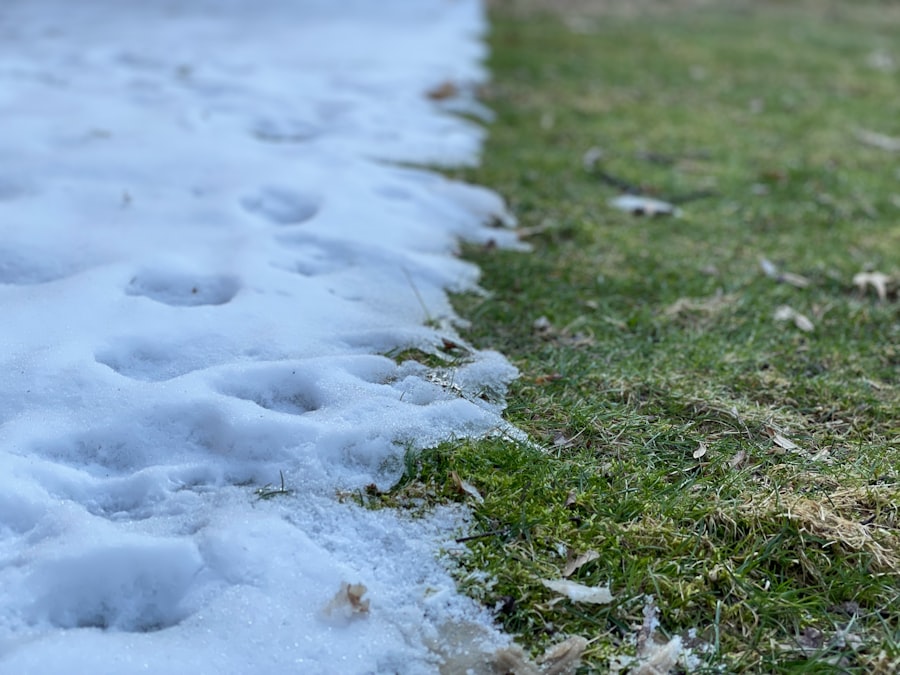
As you explore the environmental consequences of global warming, the degradation of ecosystems and loss of biodiversity stand out as pressing issues. Rising temperatures and changing precipitation patterns disrupt habitats, leading to shifts in species distribution. You may find it concerning that many species are unable to adapt quickly enough to these changes, resulting in increased extinction rates.
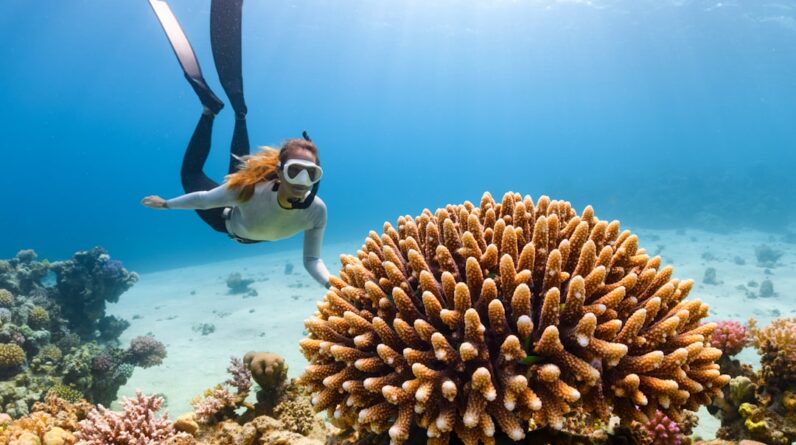
Coral reefs, often referred to as the “rainforests of the sea,” are particularly vulnerable; ocean acidification and rising sea temperatures are causing widespread coral bleaching, threatening marine biodiversity. The loss of biodiversity has far-reaching implications for ecosystem services that humans rely on. Pollination, water purification, and carbon sequestration are just a few examples of essential services that healthy ecosystems provide.
When species disappear, these services become compromised, leading to further environmental degradation. You might consider how this loss affects not only wildlife but also human communities that depend on these ecosystems for their livelihoods. The intricate web of life is delicate, and global warming threatens to unravel it in ways that could have dire consequences for future generations.
Displacement of Communities and Migration
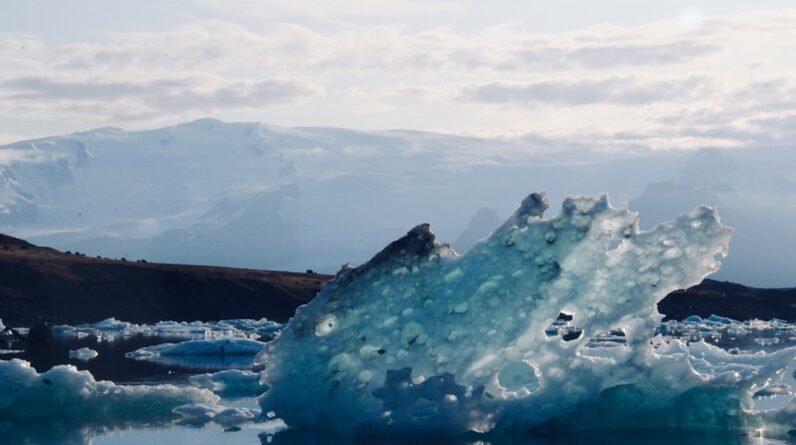
The displacement of communities due to climate change is an issue that cannot be overlooked. As sea levels rise and extreme weather events become more frequent, entire communities may find themselves forced to relocate. You may envision coastal towns disappearing under rising waters or families uprooted by devastating hurricanes.
This phenomenon is not just a distant concern; it is happening now in various parts of the world. Climate refugees are emerging as a new reality, with individuals seeking safety and stability in regions less affected by climate change. The social implications of this displacement are profound.
You might consider how migration can lead to tensions in host communities, as resources become strained and cultural differences emerge. Additionally, the loss of ancestral lands can have devastating effects on cultural identity and community cohesion. The psychological toll on displaced individuals is significant; leaving behind homes and familiar surroundings can lead to feelings of loss and dislocation.
Addressing the challenges posed by climate-induced migration requires thoughtful policies that prioritize both humanitarian needs and environmental sustainability.
Food and Water Insecurity
Food and water insecurity are critical issues exacerbated by global warming that directly impact your daily life. As climate change alters precipitation patterns and increases the frequency of extreme weather events, agricultural productivity is threatened. You may find it alarming that staple crops like wheat, rice, and maize are particularly vulnerable to these changes.
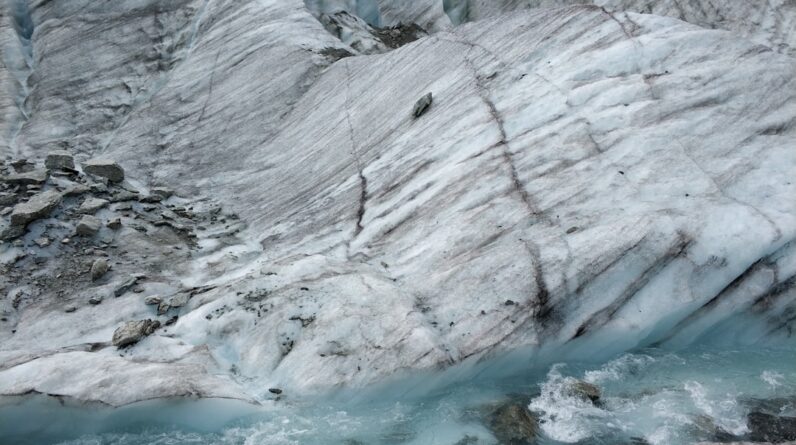
Fluctuations in temperature and rainfall can lead to reduced yields, driving up food prices and making it more difficult for families to access nutritious meals. Water scarcity is another pressing concern linked to climate change. As glaciers melt and droughts become more common, freshwater resources are dwindling in many regions.
You might be surprised to learn that nearly 2 billion people already live in areas experiencing high water stress. This scarcity not only affects drinking water supplies but also agricultural irrigation, further compounding food insecurity issues. The interconnectedness of food and water systems highlights the urgent need for sustainable practices that can withstand the pressures of a changing climate.
National Security and Political Instability
Resource Scarcity and Conflict
As climate change leads to scarcity of essential resources such as water, arable land, and energy, competition for these resources can spark conflict. Regions already plagued by political instability may experience heightened tensions as climate impacts worsen.
Historical Precedent and Military Implications
History has shown that resource scarcity has been a catalyst for conflict throughout human history. Therefore, the potential for climate-induced strife should not be taken lightly. The military implications of climate change are substantial, with armed forces worldwide recognizing climate change as a direct threat to national security.
International Cooperation and Mitigating Risks
Rising sea levels could impact naval bases, and extreme weather events could disrupt military operations. As nations face these challenges, international cooperation becomes crucial for addressing the shared threat posed by climate change. Collaborative efforts can help mitigate risks and foster stability in an increasingly uncertain world.
The Role of Individual and Collective Action
In the face of such daunting challenges posed by global warming, individual and collective action play a crucial role in driving meaningful change. You may feel empowered knowing that your choices—whether it’s reducing energy consumption, supporting sustainable practices, or advocating for policy changes—can contribute to a larger movement toward environmental stewardship. Every small action counts; from using public transportation to reducing plastic waste, your efforts can collectively make a significant impact.
Collective action amplifies individual efforts by fostering community engagement and collaboration. You might consider how grassroots movements have successfully influenced policy changes at local, national, and even international levels. By joining forces with like-minded individuals or organizations, you can help raise awareness about climate issues and advocate for sustainable solutions.
The power of collective action lies in its ability to create momentum for change; when communities unite around a common cause, they can drive systemic transformations that benefit both people and the planet.
Hope for the Future: Mitigation and Adaptation Strategies
Despite the challenges posed by global warming, there is hope for a sustainable future through effective mitigation and adaptation strategies. You may find it encouraging that advancements in renewable energy technologies—such as solar, wind, and hydroelectric power—are making clean energy more accessible than ever before. Transitioning away from fossil fuels not only reduces greenhouse gas emissions but also creates new economic opportunities in emerging green industries.
Adaptation strategies are equally vital in addressing the impacts of climate change that are already being felt. You might consider how communities can implement measures such as improved infrastructure design to withstand extreme weather events or sustainable agricultural practices that enhance resilience against changing climatic conditions. Education plays a crucial role in equipping individuals with the knowledge needed to adapt effectively; by fostering awareness about climate issues, you can empower yourself and others to take proactive steps toward resilience.
In conclusion, while global warming presents significant challenges across various sectors—from economic impacts to health risks—the potential for positive change through individual actions and collective efforts remains strong. By embracing sustainable practices and advocating for systemic changes, you can contribute to a more resilient future for both people and the planet. The journey toward mitigating climate change may be daunting, but with determination and collaboration, there is hope for a brighter tomorrow.
The Cost of Inaction: What Global Warming Means for Us All highlights the urgent need for action to combat climate change. One related article that delves into the benefits of taking action is Advantages of Planting Trees for Climate Change. This article discusses how planting trees can help mitigate the effects of global warming by absorbing carbon dioxide and providing shade to reduce energy consumption. It emphasizes the positive impact that reforestation efforts can have on the environment and our future.
FAQs
What is global warming?
Global warming refers to the long-term increase in Earth’s average surface temperature due to human activities, primarily the release of greenhouse gases such as carbon dioxide and methane.
What are the consequences of global warming?
The consequences of global warming include rising sea levels, more frequent and severe heatwaves, extreme weather events, loss of biodiversity, and disruptions to agriculture and food supplies.
How does global warming impact human health?
Global warming can lead to increased air pollution, heat-related illnesses, the spread of infectious diseases, and mental health issues due to displacement and loss of livelihoods.
What are the economic costs of inaction on global warming?
The economic costs of inaction on global warming include damage to infrastructure from extreme weather events, loss of productivity in agriculture and other industries, and increased healthcare costs due to climate-related health impacts.
What can be done to address global warming?
Addressing global warming requires reducing greenhouse gas emissions through measures such as transitioning to renewable energy sources, improving energy efficiency, and implementing policies to promote sustainable land use and transportation.