As you delve into the pressing issue of climate change, one of the most alarming indicators is the rise in global average temperature. Over the past century, the Earth’s temperature has increased significantly, with the last few decades witnessing an unprecedented acceleration. This rise is not merely a statistic; it represents a profound shift in the planet’s climate system, affecting ecosystems, weather patterns, and human livelihoods.
You may find it startling that the last eight years have been the warmest on record, a clear signal that the impacts of climate change are no longer a distant threat but a current reality. The implications of this temperature rise are far-reaching. You might notice changes in your local weather patterns, with more frequent heatwaves and unpredictable storms becoming commonplace.
These shifts are not isolated; they are part of a larger trend that threatens biodiversity and disrupts agricultural practices worldwide. As temperatures continue to climb, you may witness the consequences firsthand—droughts that devastate crops, wildfires that consume vast landscapes, and shifts in wildlife populations that challenge the balance of ecosystems. The urgency to address this issue cannot be overstated, as every fraction of a degree matters in the fight against climate change.
Key Takeaways
- Global average temperature is rising at an alarming rate, leading to severe consequences for the planet.
- Carbon dioxide levels are increasing at a disturbing rate, contributing to the greenhouse effect and global warming.
- Glacial melting is accelerating, posing a threat to freshwater resources and contributing to sea level rise.
- Sea levels are ominously rising, threatening coastal communities and ecosystems around the world.
- Extreme weather events are having a devastating impact on communities and economies, highlighting the urgent need for action to address climate change.
The Disturbing Increase in Carbon Dioxide Levels
The Alarming Increase in CO2 Levels
Carbon dioxide (CO2) levels in the atmosphere have been increasing at an alarming rate, contributing significantly to climate change. As a greenhouse gas, CO2 traps heat in the atmosphere, leading to global warming. Since the Industrial Revolution, CO2 levels have surged from approximately 280 parts per million to over 400 parts per million today.
Human Activities Driving the Increase
The primary cause of this dramatic increase is human activities such as burning fossil fuels, deforestation, and industrial processes. Our reliance on carbon-intensive energy sources has severe consequences for the planet. The effects of rising CO2 levels extend beyond mere temperature increases, with far-reaching implications for the environment.
The Consequences of Ocean Acidification
Higher concentrations of CO2 also lead to changes in ocean chemistry, resulting in ocean acidification. This phenomenon poses a significant threat to marine life, particularly organisms like coral reefs and shellfish that rely on calcium carbonate for their structures. Addressing carbon emissions is crucial not only for mitigating climate change but also for preserving the delicate balance of our ecosystems and ensuring a sustainable future for generations to come.
The Accelerating Rate of Glacial Melting

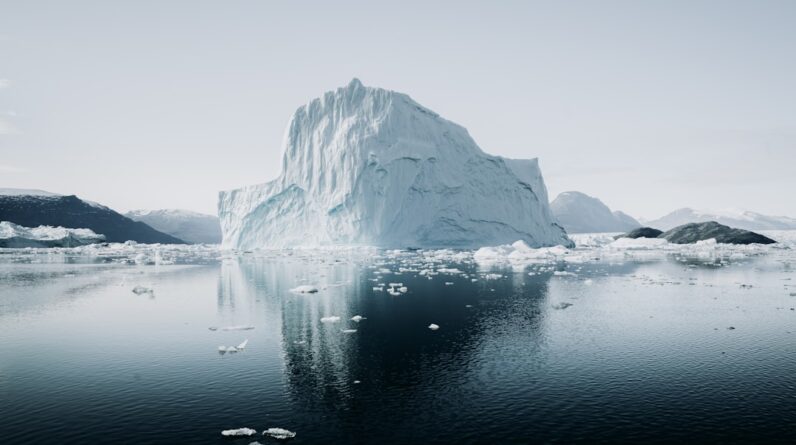
The accelerating rate of glacial melting is another stark indicator of climate change that you cannot ignore. Glaciers around the world are retreating at an alarming pace, with some regions experiencing losses that are unprecedented in recorded history. You may have seen images of once-mighty glaciers reduced to mere remnants of their former selves, a visual testament to the warming climate.
This melting not only contributes to rising sea levels but also disrupts freshwater supplies for millions of people who depend on glacial meltwater for drinking and irrigation. As you consider the implications of glacial melting, it’s essential to recognize its broader impact on global ecosystems. The loss of glaciers affects not only local communities but also contributes to changes in ocean currents and weather patterns worldwide.
You might be surprised to learn that glaciers play a crucial role in regulating the Earth’s climate by reflecting sunlight back into space. As they disappear, darker ocean and land surfaces absorb more heat, further exacerbating global warming. The urgency to address this issue is clear; without concerted efforts to reduce greenhouse gas emissions, we risk losing these vital water sources and accelerating climate change even further.
The Ominous Trend of Sea Level Rise
The ominous trend of sea level rise is another consequence of climate change that demands your attention. As glaciers and ice sheets melt and ocean waters warm, sea levels are rising at an alarming rate. You may have heard reports indicating that global sea levels have risen by approximately eight inches since 1880, with projections suggesting that this trend will continue and even accelerate in the coming decades.
Coastal communities around the world are already feeling the effects, facing increased flooding, erosion, and saltwater intrusion into freshwater supplies. As you contemplate the future of coastal regions, consider the potential displacement of millions of people due to rising sea levels. You might find it unsettling to think about entire cities being submerged or rendered uninhabitable by encroaching waters.
This reality poses significant challenges for urban planning and disaster preparedness, as governments grapple with how to protect vulnerable populations and infrastructure. The need for innovative solutions and proactive measures has never been more urgent; without action, we risk creating a world where coastal living becomes increasingly untenable.
The Devastating Impact of Extreme Weather Events
Extreme weather events have become more frequent and intense due to climate change, and their devastating impact is something you cannot overlook. From hurricanes and typhoons to droughts and wildfires, these events wreak havoc on communities and ecosystems alike. You may have witnessed firsthand the destruction caused by recent natural disasters—homes destroyed, lives lost, and entire communities displaced.
The economic toll is staggering as well, with billions of dollars spent on recovery efforts and infrastructure repairs. As you reflect on these extreme weather events, consider their long-term implications for society. You might be surprised to learn that vulnerable populations—such as low-income communities and marginalized groups—are often hit hardest by these disasters.
They may lack the resources to prepare for or recover from such events, exacerbating existing inequalities. The urgency for comprehensive climate action is clear; addressing the root causes of climate change can help mitigate the severity of these extreme weather events and protect those most at risk.
The Troubling Decline in Arctic Sea Ice

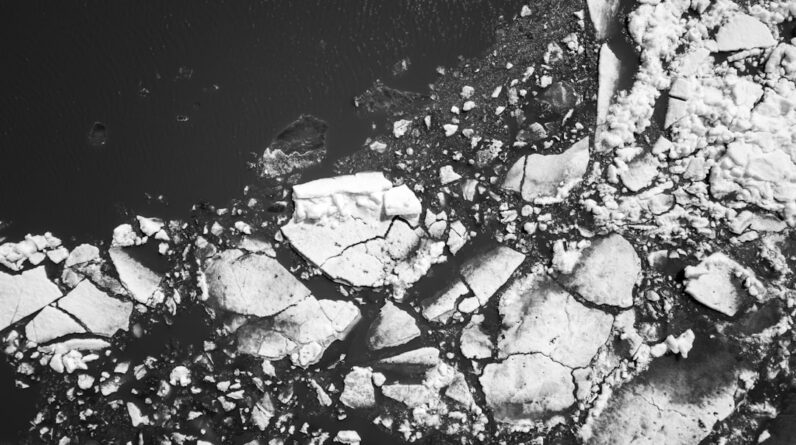
The troubling decline in Arctic sea ice is another critical aspect of climate change that warrants your attention. Over the past few decades, Arctic sea ice has been diminishing at an alarming rate, with summer ice extent reaching record lows in recent years. You may find it concerning that this decline not only affects polar bears and other wildlife but also has far-reaching implications for global climate patterns.
The Arctic plays a crucial role in regulating temperatures worldwide; as ice melts, it exposes darker ocean surfaces that absorb more heat, further accelerating warming. As you consider the consequences of declining sea ice, think about how this phenomenon impacts weather patterns beyond the Arctic region. Changes in Arctic conditions can influence jet streams and storm tracks, leading to unusual weather events across North America and Europe.
You might be surprised to learn that this interconnectedness highlights the importance of addressing climate change on a global scale; actions taken in one part of the world can have ripple effects felt far away.
The Distressing Spread of Ocean Acidification
Ocean acidification is another distressing consequence of rising carbon dioxide levels that you should be aware of. As CO2 is absorbed by seawater, it reacts with water molecules to form carbonic acid, leading to a decrease in pH levels in oceans worldwide. This process poses a significant threat to marine life, particularly organisms like corals and shellfish that rely on calcium carbonate for their structures.
You may find it alarming that studies indicate ocean acidity has increased by about 30% since the beginning of the Industrial Revolution. The implications of ocean acidification extend beyond individual species; entire marine ecosystems are at risk. You might be surprised to learn that coral reefs—often referred to as the “rainforests of the sea”—are particularly vulnerable to these changes.
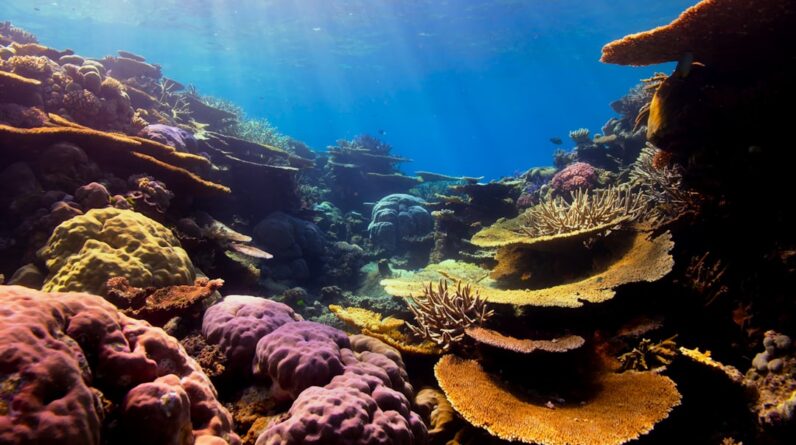
As corals struggle to build their skeletons in increasingly acidic waters, entire reef systems face collapse, leading to loss of biodiversity and disruption of fisheries that many communities depend on for their livelihoods. The urgency for action is clear; addressing carbon emissions is essential not only for mitigating climate change but also for protecting our oceans and their vital ecosystems.
The Urgent Need for Action and Hopeful Signs of Progress
In light of these alarming trends and consequences associated with climate change, there is an urgent need for action at all levels—individual, community, national, and global. You may feel overwhelmed by the scale of the problem, but it’s essential to recognize that every effort counts. From reducing your carbon footprint through sustainable practices to advocating for policy changes that prioritize environmental protection, your actions can contribute to meaningful progress.
Despite the challenges we face, there are hopeful signs emerging from around the world. You might be encouraged by advancements in renewable energy technologies, such as solar and wind power, which are becoming increasingly cost-effective and accessible. Many countries are committing to ambitious climate goals aimed at reducing greenhouse gas emissions and transitioning to sustainable energy sources.
Grassroots movements advocating for environmental justice are gaining momentum, empowering individuals to demand action from their governments and hold corporations accountable. As you reflect on these hopeful developments, remember that collective action can lead to transformative change. By staying informed and engaged in discussions about climate change, you can play a role in shaping a more sustainable future for yourself and generations to come.
The path forward may be challenging, but with determination and collaboration, there is hope for a healthier planet where both people and nature can thrive together.
If you’re concerned about the environment and the impact of climate change, you may also be interested in reading about why planting trees can sometimes be bad for the environment. This article on livelifewithacause.org explores the potential negative consequences of tree planting initiatives. It’s important to consider all aspects of environmental conservation in order to make informed decisions about how to combat climate change.
FAQs
What are climate graphs?
Climate graphs are visual representations of the average temperature and precipitation in a specific location over a period of time, usually a year. They are used to illustrate the climate patterns and trends of a particular region.
What do the 10 terrifying climate graphs show?
The 10 terrifying climate graphs illustrate the alarming trends of rising global temperatures, increasing carbon dioxide levels, melting ice caps, rising sea levels, and extreme weather events. These graphs highlight the urgent need for action to address climate change.
What do the 3 hopeful climate graphs show?
The 3 hopeful climate graphs show positive trends such as the increasing use of renewable energy, declining deforestation rates, and improvements in air quality. These graphs offer hope for potential solutions to mitigate the impacts of climate change.
How do climate graphs impact the environment?
Climate graphs provide valuable insights into the changing climate patterns and their impacts on the environment. They help scientists, policymakers, and the public understand the consequences of climate change and make informed decisions to protect the environment.
What can individuals do in response to the information from these climate graphs?
Individuals can take action to reduce their carbon footprint by adopting sustainable practices such as using renewable energy, reducing energy consumption, minimizing waste, supporting eco-friendly policies, and advocating for climate action. Additionally, individuals can educate themselves and others about the importance of addressing climate change.