Have you ever wondered how cutting down trees can impact our planet beyond just losing beautiful landscapes and habitats? Deforestation, while often associated with logging and agricultural expansion, carries a hidden consequence that may not be immediately apparent: a significant carbon footprint. This overlooked facet directly fuels one of today’s most pressing global issues—global warming.
What is Deforestation?
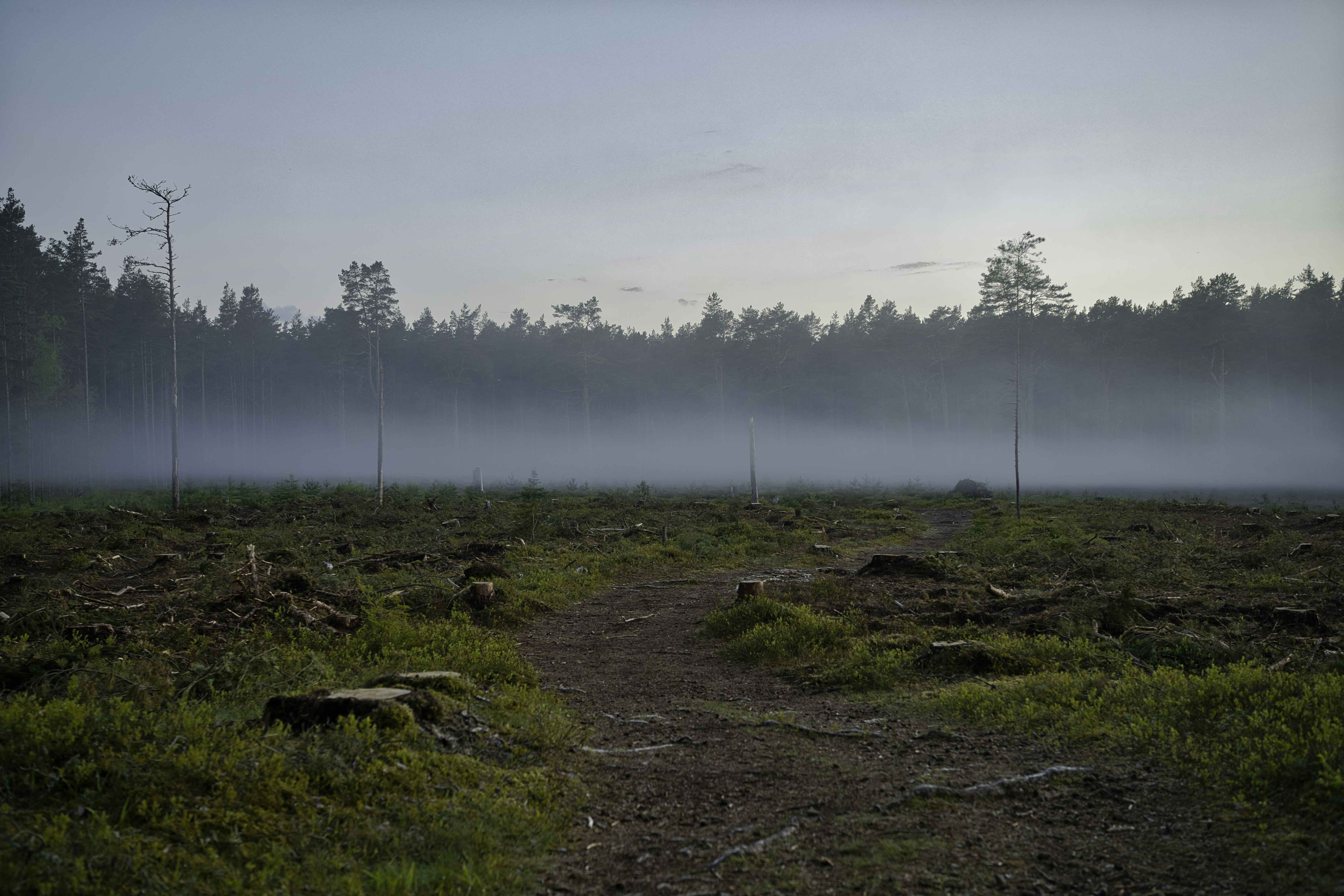
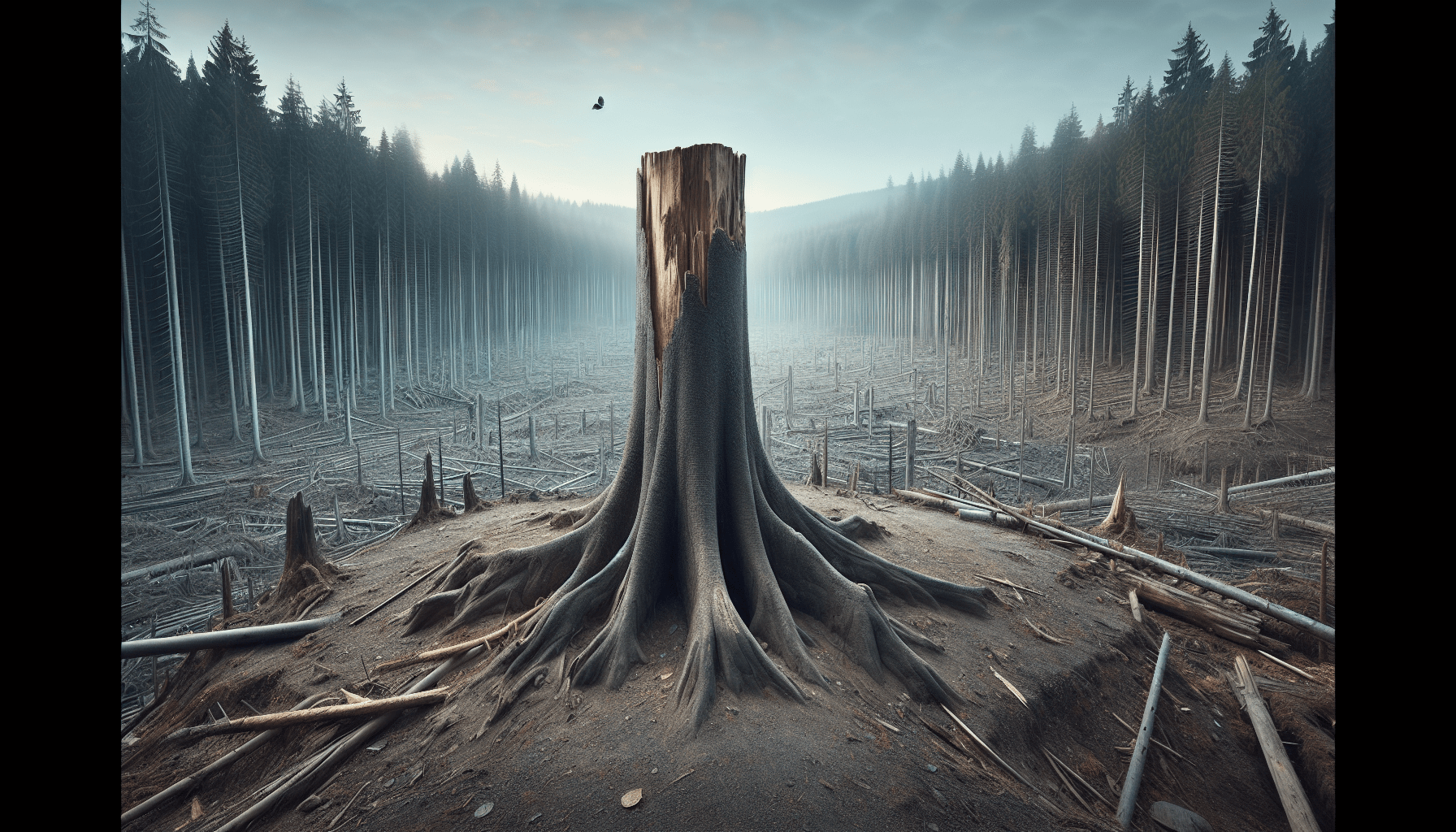
Deforestation refers to the large-scale removal of forests, usually to make way for agriculture, logging, or infrastructure development. Forests cover about 31% of the Earth’s land area, playing a crucial role in maintaining ecological balance. When forests are cut down or burned, we lose that balance, and the effects ripple across the globe.
The Role of Forests in Carbon Sequestration
Forests are vital carbon sinks, meaning they absorb more carbon dioxide (CO2) from the atmosphere than they release. Trees and plants take in CO2 during photosynthesis, storing it in their biomass—trunks, branches, leaves, and roots. This process helps regulate the amount of CO2 in the atmosphere, thereby influencing global temperatures.
Numbers Speak: Forest Coverage and Carbon Storage
To give you a better perspective, consider these statistics:
| Forest Type | Area Covered (Million km²) | Carbon Storage (Billion Metric Tons CO2) |
|---|---|---|
| Tropical Forests | 18 | 247 |
| Boreal Forests | 14 | 559 |
| Temperate Forests | 7 | 59 |
| Total | 39 | 865 |
You can see that forests do more than just occupy space; they are pivotal in sequestering vast amounts of carbon that would otherwise exacerbate global warming.
The Connection Between Deforestation and Carbon Emissions
When forests are cleared or burned, the stored carbon is released back into the atmosphere as CO2, a greenhouse gas. This sudden release contributes directly to the greenhouse effect, leading to an increase in global temperatures.
How Much Carbon Are We Talking About?
According to estimates from the Global Forest Resources Assessment, deforestation and forest degradation contribute approximately 4.13 billion metric tons of CO2 to the atmosphere each year. This figure is equivalent to about 10-15% of global greenhouse gas emissions, making deforestation a significant driver of climate change.
The Domino Effect: From Trees to Atmosphere
Let’s break down the process in simpler terms:
- Tree Removal: Trees are either cut down or burned.
- Carbon Release: The carbon stored in the trees is released into the atmosphere as CO2.
- Increased CO2 Levels: Higher levels of CO2 enhance the greenhouse effect.
- Global Warming: The Earth’s atmosphere traps more heat, raising global temperatures.
This chain reaction contributes not only to global warming but also to a host of related climate issues, such as extreme weather patterns and rising sea levels.
Additional Consequences of Deforestation
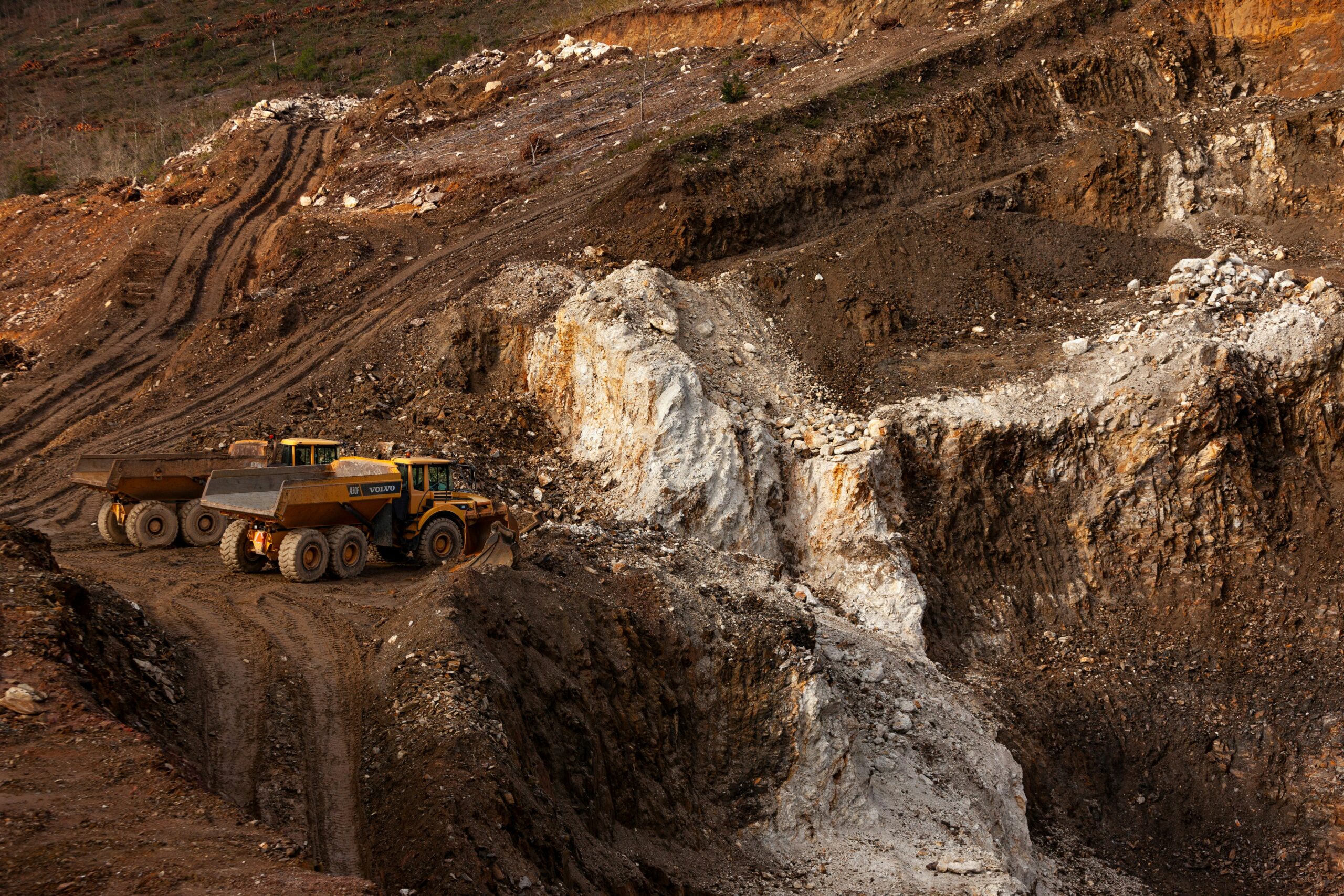
While its impact on carbon emissions is a critical concern, deforestation has other significant consequences that further impact global warming.
Soil Degradation
Trees play a crucial role in maintaining soil health. When they disappear, soil loses its structure and nutrients, becoming more prone to erosion. Degraded soil can no longer absorb and store carbon effectively, amplifying carbon release into the atmosphere.
Loss of Biodiversity
Forests are home to a vast array of species. Losing forests means losing biodiversity, which has its own set of cascading effects on ecosystems. The loss of plant and animal species disrupts the natural carbon cycle, further destabilizing climate regulation.
Water Cycle Disruptions
Forests play a critical role in maintaining the Earth’s water cycle by facilitating cloud formation and precipitation. When forests are removed, these processes are disrupted, leading to changes in precipitation patterns and contributing to extreme weather events, which are exacerbated by global warming.
Solutions and Mitigation Strategies
While the outlook may seem grim, there are viable solutions to mitigate the carbon footprint of deforestation. These strategies range from individual actions to global policies aimed at preserving our remaining forests and restoring lost ones.
Afforestation and Reforestation
Creating new forests (afforestation) and replanting lost ones (reforestation) are essential techniques for capturing CO2 and mitigating climate change. These methods not only sequester carbon but also help restore ecological balance.
Sustainable Forestry Practices
Adopting sustainable forestry practices ensures that trees are harvested at a rate that allows forests to regenerate naturally. Techniques like selective logging, reduced-impact logging, and comprehensive land-use planning can help preserve forests while still meeting economic needs.
Policy Initiatives and Global Agreements
International agreements such as the Paris Agreement aim to reduce global carbon emissions and encourage actions that prevent deforestation. Policies that incentivize forest conservation and penalize illegal logging can play a crucial role in mitigating deforestation’s impact.
Community and Individual Actions
Community-driven initiatives and individual actions also matter. Supporting sustainable products, reducing paper and wood consumption, and contributing to reforestation projects can collectively make a significant impact.
Conclusion
The carbon footprint of deforestation is a critical yet often overlooked factor in global warming. Trees are not mere fixtures in the landscape; they are fundamental players in the Earth’s carbon cycle. By understanding the extent of deforestation’s impact and actively participating in mitigation strategies, you can help ensure a more balanced, sustainable future.
Key Takeaways
- Deforestation contributes 10-15% of global greenhouse gas emissions.
- Forests serve as vital carbon sinks, sequestering billions of metric tons of CO2.
- The loss of trees results in immediate and significant carbon releases into the atmosphere.
- Mitigation strategies like afforestation, sustainable forestry, and global policies are essential.
- Individual and community actions can collectively make a substantial difference.
Understanding—and more importantly, acting on—the carbon footprint of deforestation can fuel a much-needed shift toward a more sustainable world. Your awareness and actions can help change the trajectory, leading to a healthier planet for future generations.