Invasive species are organisms that are introduced to a new environment, often leading to significant ecological disruption. These species can be plants, animals, or microorganisms that thrive in their new surroundings, frequently outcompeting native species for resources. As you delve into the world of invasive species, you will discover how they can alter ecosystems, disrupt food chains, and even affect human activities.
The introduction of these species can occur through various means, including global trade, travel, and even climate change, which can create conditions favorable for their establishment. Understanding invasive species is crucial for recognizing their impact on biodiversity and ecosystem health. You may find it surprising that some of the most common invasive species were once introduced for seemingly benign reasons, such as ornamental gardening or agricultural purposes.
However, the consequences of their introduction can be far-reaching and detrimental. As you explore this topic further, you will uncover the intricate relationships between invasive species and the ecosystems they invade, particularly focusing on their effects on oceanic environments.
Key Takeaways
- Invasive species are non-native organisms that can cause harm to the environment, economy, or human health.
- Ocean oxygen production is crucial for marine life and the overall health of the planet.
- Invasive species disrupt ocean oxygen production by outcompeting native species, altering habitats, and consuming excessive amounts of oxygen.
- Case studies have shown the devastating impact of invasive species on ocean oxygen production, such as the lionfish in the Atlantic and the green crab in the Pacific.
- Disrupted oxygen production can lead to dead zones, loss of biodiversity, and negative impacts on fisheries and coastal communities.
The Importance of Ocean Oxygen Production
Oceans play a vital role in producing oxygen, which is essential for the survival of most life forms on Earth. You might be amazed to learn that marine plants, particularly phytoplankton, contribute to approximately 50% of the oxygen we breathe. These microscopic organisms utilize sunlight and carbon dioxide to perform photosynthesis, releasing oxygen as a byproduct.
The health of ocean ecosystems is directly linked to their ability to produce oxygen, making it a critical component of global ecological balance. As you consider the importance of ocean oxygen production, think about how it supports not only marine life but also terrestrial ecosystems. The oxygen generated by oceans is crucial for maintaining atmospheric balance and supporting life on land.
Additionally, healthy oceans contribute to climate regulation by absorbing carbon dioxide and mitigating the effects of climate change. Understanding this interconnectedness highlights the need to protect oceanic environments from threats such as pollution and invasive species.
How Invasive Species Disrupt Ocean Oxygen Production
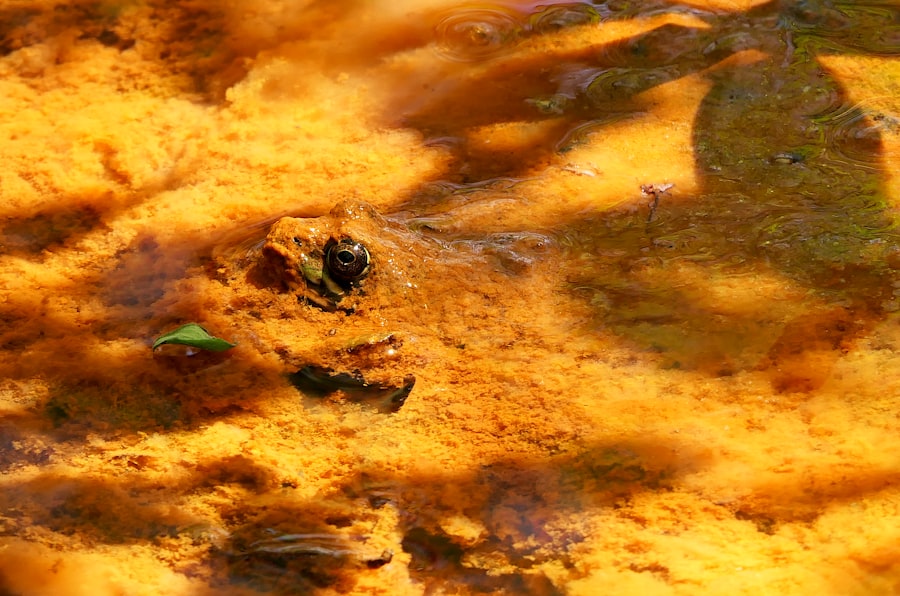
Invasive species can significantly disrupt the delicate balance of ocean ecosystems and, consequently, their ability to produce oxygen. When these non-native organisms establish themselves in marine environments, they often outcompete native species for resources such as light, nutrients, and space. This competition can lead to a decline in native phytoplankton populations, which are essential for oxygen production.
As you reflect on this dynamic, consider how the loss of native species can create a ripple effect throughout the ecosystem. Moreover, invasive species can alter nutrient cycling within marine environments. For instance, some invasive algae can thrive in nutrient-rich waters, leading to harmful algal blooms that deplete oxygen levels in the surrounding water.
These blooms can create “dead zones,” areas where oxygen levels are so low that most marine life cannot survive. As you explore these disruptions further, you will see how invasive species not only threaten biodiversity but also compromise the very processes that sustain life in our oceans.
Case Studies of Invasive Species Impact
To illustrate the impact of invasive species on ocean oxygen production, consider the case of the lionfish in the Caribbean Sea. Originally from the Indo-Pacific region, lionfish were introduced to the Caribbean in the 1980s and have since proliferated at an alarming rate. Their voracious appetite for native fish has led to significant declines in local fish populations, disrupting the balance of marine ecosystems.
As you examine this case study, think about how the decline of native fish affects phytoplankton populations and overall oxygen production. Another compelling example is the introduction of the green crab along the Atlantic coast of North America. This invasive species has been known to outcompete native crabs for food and habitat, leading to declines in local biodiversity.
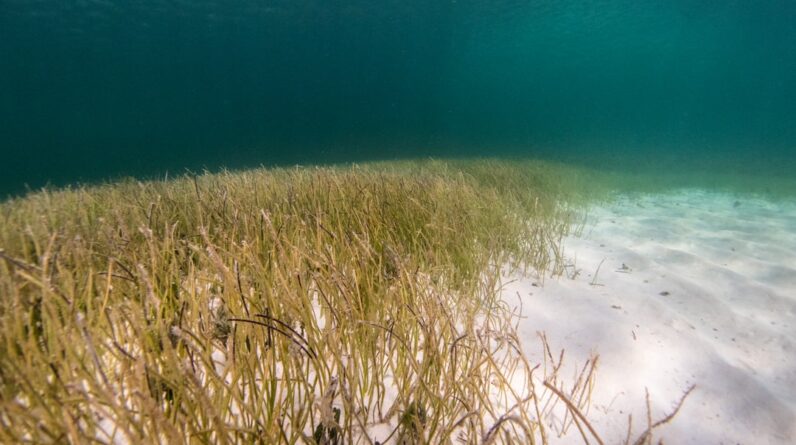
The green crab’s presence has also been linked to changes in seagrass ecosystems, which are vital for oxygen production. As you analyze these case studies, consider how each invasive species not only disrupts local ecosystems but also poses broader implications for ocean health and oxygen availability.
Consequences of Disrupted Oxygen Production
The consequences of disrupted oxygen production in oceans are profound and far-reaching. When oxygen levels drop due to the influence of invasive species and other factors, marine life suffers immensely. Fish and other aquatic organisms rely on sufficient oxygen levels for survival; when these levels fall below critical thresholds, mass die-offs can occur.
As you contemplate this reality, consider how such events can impact local fisheries and economies that depend on healthy marine populations. Furthermore, reduced oxygen levels can lead to shifts in species composition within marine ecosystems. Some species may thrive in low-oxygen conditions while others decline or disappear altogether.
This shift can alter food webs and disrupt ecological interactions that have developed over millennia. As you reflect on these consequences, think about how they extend beyond marine environments and affect human communities that rely on oceans for food security and livelihoods.
Efforts to Control Invasive Species
Addressing the challenges posed by invasive species requires concerted efforts at local, national, and global levels. You may be interested to learn about various strategies employed to control these organisms and mitigate their impact on ocean ecosystems. One effective approach is early detection and rapid response (EDRR), which involves monitoring ecosystems for signs of invasive species and taking swift action to prevent their establishment or spread.
In addition to EDRR, public awareness campaigns play a crucial role in preventing the introduction of invasive species. Educating communities about the risks associated with releasing non-native organisms into local environments can help reduce accidental introductions. As you explore these efforts further, consider how collaboration among scientists, policymakers, and local communities is essential for developing effective management strategies that protect ocean health.
Future Implications and Solutions
Looking ahead, the implications of invasive species on ocean oxygen production remain a pressing concern as climate change continues to alter marine environments. Warmer waters may create more favorable conditions for certain invasive species while stressing native populations already struggling with changing conditions. As you ponder these future challenges, think about how proactive measures can help mitigate the impacts of invasive species on ocean health.
Innovative solutions are emerging as researchers explore new technologies and approaches to combat invasive species. For instance, genetic engineering may offer potential avenues for controlling certain populations without harming native species. Additionally, restoring habitats that support native biodiversity can enhance ecosystem resilience against invasions.
As you consider these possibilities, reflect on the importance of fostering a sustainable relationship with our oceans to ensure their health for future generations.
Invasive species pose a significant threat to ocean ecosystems and their ability to produce oxygen—a vital resource for life on Earth. As you have explored throughout this article, the introduction of non-native organisms can disrupt ecological balance, leading to declines in native populations and altered nutrient cycling processes. The consequences of these disruptions extend beyond marine environments, affecting human communities that rely on healthy oceans for sustenance and economic stability.
Addressing the challenges posed by invasive species requires a multifaceted approach that includes early detection, public education, and innovative management strategies. By fostering collaboration among scientists, policymakers, and local communities, we can work towards protecting our oceans from the impacts of invasive species while ensuring their vital role in oxygen production remains intact. As you reflect on this critical issue, consider your own role in promoting awareness and supporting efforts to safeguard our oceans for future generations.
A related article to How Invasive Species Disrupt Ocean Oxygen Production Systems is “How Does Planting Trees Help Climate Change” which discusses the importance of reforestation in combating global warming. Planting trees not only helps to absorb carbon dioxide from the atmosphere but also provides oxygen and helps to restore ecosystems. To learn more about the benefits of planting trees for the environment, check out the article here.
FAQs
What are invasive species?
Invasive species are non-native organisms that are introduced to a new environment and have the potential to cause harm to the native ecosystem, economy, or human health.
How do invasive species disrupt ocean oxygen production systems?
Invasive species can disrupt ocean oxygen production systems by outcompeting native species for resources, altering the food web, and causing habitat destruction. This can lead to a decrease in oxygen production and an imbalance in the ecosystem.
What are some examples of invasive species that disrupt ocean oxygen production systems?
Examples of invasive species that disrupt ocean oxygen production systems include the lionfish in the Atlantic Ocean, the green crab in the Pacific Ocean, and the zebra mussel in the Great Lakes.
What are the consequences of invasive species disrupting ocean oxygen production systems?
The consequences of invasive species disrupting ocean oxygen production systems can include a decline in fish populations, loss of biodiversity, and negative impacts on commercial fisheries and coastal economies.
How can we prevent the disruption of ocean oxygen production systems by invasive species?
Preventing the disruption of ocean oxygen production systems by invasive species involves early detection and rapid response, implementing strict biosecurity measures, and raising awareness about the impacts of invasive species on marine ecosystems.