Have you ever wondered how your everyday choices impact our planet’s health? One significant factor in global environmental change is deforestation. While it might seem disconnected from your daily life, deforestation has far-reaching consequences that play a crucial role in global warming. Let’s break down the relationship between deforestation and global warming to understand better how these phenomena are connected.
Understanding Deforestation
What is Deforestation?
Deforestation refers to the large-scale removal of forested areas, leading to a reduction in forest cover around the globe. This can be due to various reasons such as agriculture, logging, or urban expansion.
Causes of Deforestation
Several factors drive deforestation. These include:
- Agriculture: The need to grow more food leads to clearing forests for crop production or livestock grazing.
- Logging: The demand for wood and paper products causes forests to be cut down.
- Urban Expansion: As cities grow, forests are often cleared to make way for new developments.
Statistics on Deforestation
To give you a clearer picture of the scale, here’s a table showing statistics on global deforestation:
| Year | Area Deforested (in millions of hectares) |
|---|---|
| 2000 | 7.3 |
| 2005 | 7.6 |
| 2010 | 7.3 |
| 2015 | 7.6 |
| 2020 | 7.8 |
The data tells us that deforestation continues at an alarming rate, with tropical forests facing the brunt of this devastation.
Linking Deforestation and Global Warming
What is Global Warming?
Global warming refers to the rise in Earth’s average surface temperature due to increased concentrations of greenhouse gases in the atmosphere.
How Deforestation Contributes to Global Warming
Forests play a critical role in regulating the planet’s temperature. Here’s how deforestation impacts global warming:
-
Carbon Storage Reduction: Trees act as carbon sinks, absorbing CO2 from the atmosphere. When forests are cleared, not only is this carbon storage capability lost, but the carbon stored in trees is also released back into the atmosphere, contributing to the greenhouse effect.
-
Altered Water Cycles: Trees release water vapor into the atmosphere through a process called transpiration. Reduced forest cover means less water vapor and, consequently, altered rainfall patterns, which can intensify droughts and change climate conditions.
-
Soil Erosion: Without tree roots to hold the soil together, the soil becomes more susceptible to erosion. This not only affects local ecosystems but also releases stored carbon from the soil into the atmosphere.
The Role of Tropical Forests
Tropical forests, including the Amazon, are often called the “lungs of the planet” because they play a vital role in the Earth’s carbon and water cycles. Here’s why they are so significant:
- Carbon Absorption: Tropical forests absorb approximately 1.8 gigatons of carbon annually.
- Biodiversity: These forests are home to nearly half of Earth’s species, playing a crucial role in global biodiversity and ecological balance.
Impacts of Deforestation-Induced Global Warming
Climate Change Consequences
The relationship between deforestation and global warming leads to significant climate changes:
- Rising Temperatures: More CO2 in the atmosphere increases global temperatures.
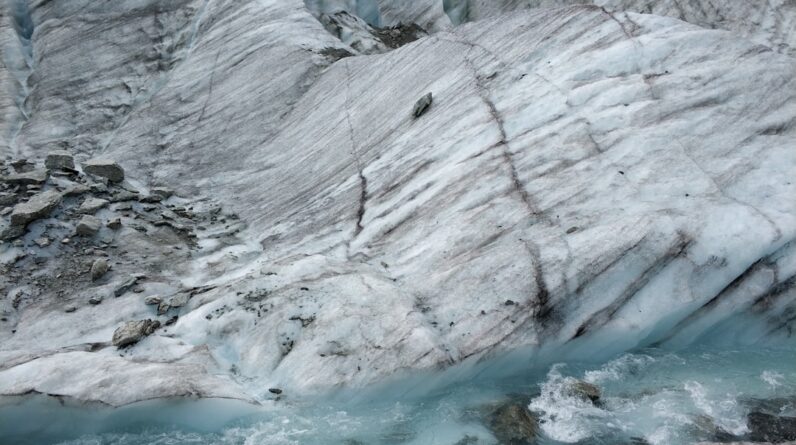
- Melting Ice Caps: Warmer temperatures accelerate the melting of polar ice caps, contributing to sea-level rise.
- Extreme Weather Events: Increased global temperatures can lead to more frequent and severe weather events such as hurricanes, heatwaves, and floods.
Biodiversity Loss
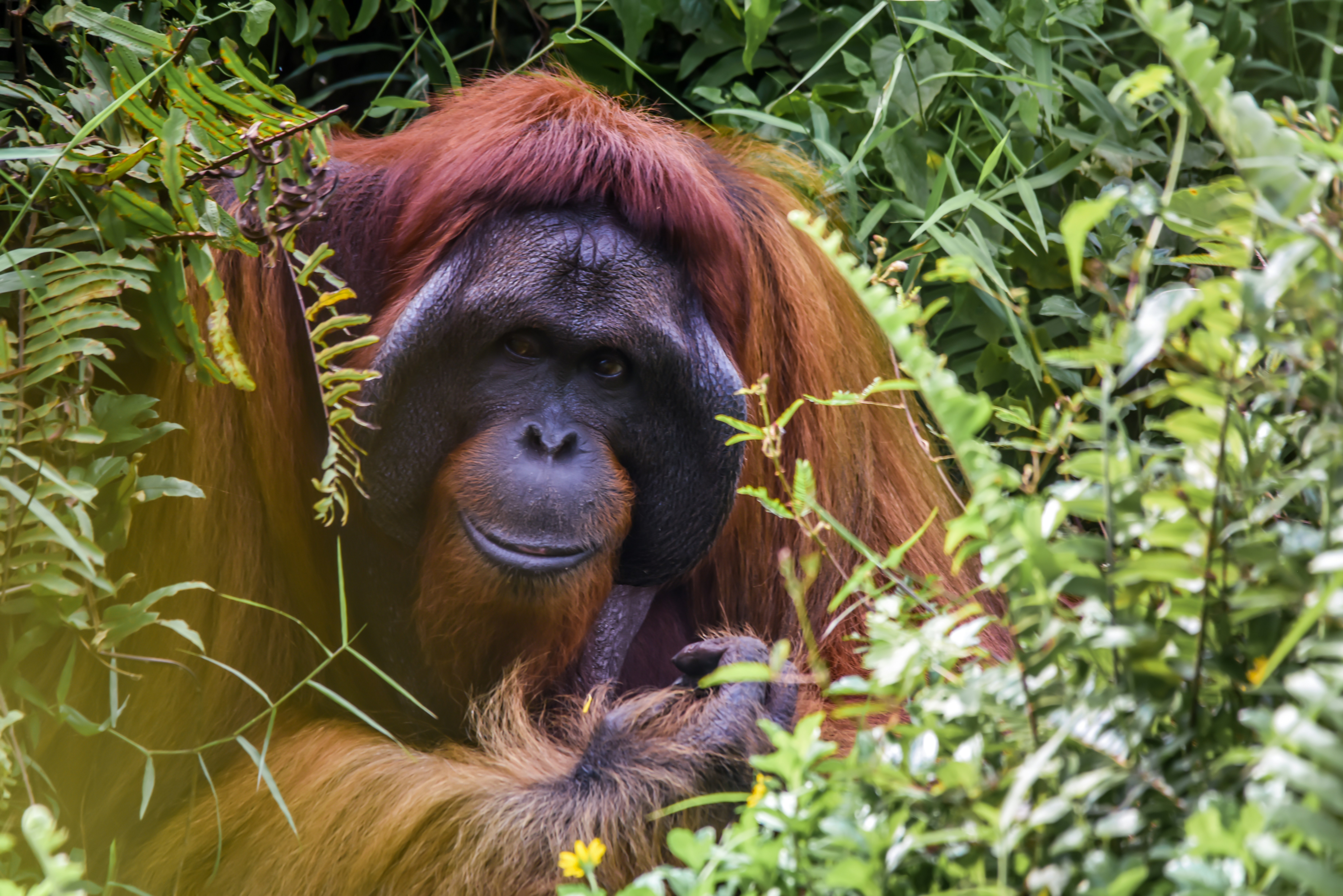
Deforestation destroys the habitats of countless species, leading to an alarming rate of extinction. Here’s a quick breakdown of how deforestation impacts biodiversity:
- Habitat Destruction: Many species dwell in forests and rely on their habitat for survival. Deforestation leaves them without shelter and food.
- Fragmentation: Even when parts of the forest are left intact, they are often isolated, making it difficult for species to find mates and reproduce, leading to decreased genetic diversity.
- Human-Wildlife Conflict: As animals lose their natural habitat, they may venture closer to human settlements, leading to conflicts and further endangerment of species.
Human Health and Livelihoods
The effects of deforestation also extend to human communities. Here’s how:
- Health Issues: Deforestation can cause air and water pollution, leading to respiratory and waterborne diseases.
- Economic Impact: Many indigenous communities rely on forests for their livelihoods. Deforestation threatens their way of life and economic stability.
- Increased Risk of Zoonotic Diseases: The closer contact between humans and wildlife due to deforestation increases the risk of zoonotic diseases, those transmitted from animals to humans, like COVID-19.

Mitigating the Impact of Deforestation
Reforestation and Afforestation
One effective strategy to mitigate deforestation’s impacts is through reforestation and afforestation:
- Reforestation: Planting trees in areas where forests have been cut down to restore the ecosystem.
- Afforestation: Planting trees in areas that were not previously forested to increase forest cover.
Sustainable Practices
Adopting sustainable practices can also help reduce deforestation. Some examples include:
- Agroforestry: Integrating trees into agricultural practices to maintain tree cover while still using the land for crops.
- Sustainable Logging: Using techniques that minimize damage to the surrounding forest and promote natural regeneration.
- Urban Planning: Planning cities to minimize forest clearance and incorporating green spaces within urban settings.
Policy and Legislation
Governments play a crucial role in combating deforestation through policies and legislation that:
- Protect Forests: Establish protected areas to conserve critical forest habitats.
- Regulate Logging: Enforce regulations that restrict illegal logging and promote sustainable forestry practices.
- Promote Education: Raise awareness about the importance of forests and the consequences of deforestation among the public and policymakers.
International Cooperation
Global issues require global solutions. International cooperation can amplify efforts to combat deforestation:
- Global Agreements: Agreements like the Paris Agreement emphasize the importance of forests in combating climate change.
- International Funding: Financial aid from wealthier nations to support reforestation projects and sustainable practices in developing countries.
How You Can Make a Difference
Reduce, Reuse, Recycle
Your daily habits can have a significant impact. By reducing, reusing, and recycling products, especially those made from paper and wood, you can help decrease demand for these materials, leading to less deforestation.
Support Sustainable Products
Look for products certified by organizations like the Forest Stewardship Council (FSC), which ensure that forest products are sourced sustainably.
Advocate and Educate
Spreading awareness about the consequences of deforestation and supporting policies that protect forests can make a big difference. Educate yourself further on the topic and advocate for change in your community and beyond.
Contribute to Conservation Organizations
Numerous organizations work tirelessly to combat deforestation and promote sustainable practices. Donations or volunteer work can support these efforts significantly.
Conclusion
Understanding the intricate link between deforestation and global warming sheds light on the broader challenges our planet faces. Through collective and individual efforts, it’s possible to mitigate these effects and promote a sustainable future for generations to come. So next time you think about your role in the environmental impact, remember: every little effort counts. Together, we can make a significant difference in combating deforestation and slowing down global warming.
By acknowledging our responsibility and taking action, we can ensure that our planet remains hospitable and thriving for all its inhabitants. Remember, the health of our planet is in your hands, and every decision you make can contribute to a greener, more sustainable world.