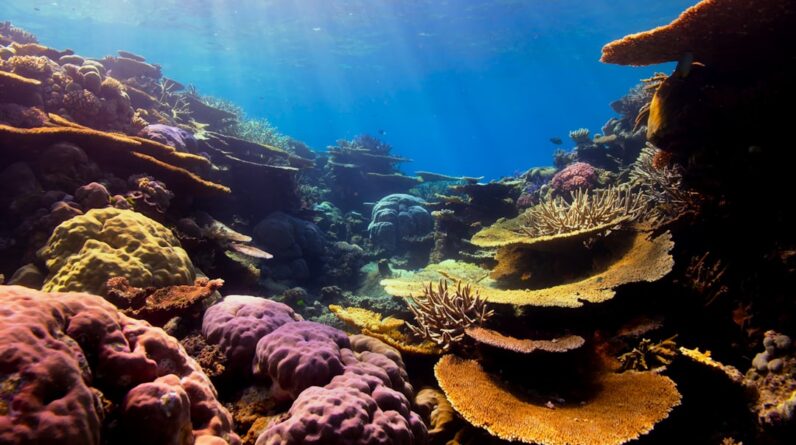
When you think about the ocean, you might picture vast blue waters teeming with life, but have you ever considered the critical role it plays in producing the oxygen you breathe? The ocean is not just a beautiful expanse; it is a vital component of Earth’s ecosystem, responsible for generating approximately 50% of the oxygen in our atmosphere. Phytoplankton, tiny marine plants, are the unsung heroes of this process.
Through photosynthesis, they convert sunlight into energy while releasing oxygen as a byproduct. This intricate dance of life in the ocean is essential for maintaining the balance of our planet’s atmosphere and supporting diverse ecosystems. Understanding ocean oxygen production is crucial for recognizing its impact on global climate and biodiversity.
The health of marine ecosystems directly influences the amount of oxygen produced, which in turn affects all living organisms on Earth. As you delve deeper into this topic, you will uncover the interconnectedness of ocean health, climate stability, and human survival. The ocean’s ability to produce oxygen is not merely a natural phenomenon; it is a lifeline that sustains life on land and in water alike.
Key Takeaways
- Ocean oxygen production is vital for supporting marine life and regulating the Earth’s climate.
- Preserving ocean oxygen levels is crucial for maintaining a healthy and balanced marine ecosystem.
- Current threats to ocean oxygen production include climate change, pollution, and overfishing.
- The circular economy approach focuses on reducing waste and promoting sustainable practices to address ocean oxygen production.
- Innovative solutions such as aquaculture, marine protected areas, and renewable energy can contribute to sustainable ocean oxygen production.
The Importance of Preserving Ocean Oxygen Levels
Preserving ocean oxygen levels is not just an environmental concern; it is a matter of survival for countless species, including humans. The oxygen generated by the ocean supports marine life, from the smallest plankton to the largest whales. When you consider that every breath you take is linked to the health of the ocean, it becomes clear that maintaining these oxygen levels is paramount.
A decline in ocean oxygen can lead to dead zones—areas where marine life cannot survive due to insufficient oxygen—resulting in devastating consequences for biodiversity and fisheries. Moreover, the ocean plays a significant role in regulating the Earth’s climate. It acts as a carbon sink, absorbing carbon dioxide from the atmosphere and mitigating climate change effects.
When ocean oxygen levels drop, this balance is disrupted, leading to increased greenhouse gas concentrations and further exacerbating global warming. By preserving ocean oxygen levels, you are not only protecting marine ecosystems but also contributing to a more stable climate for future generations.
The Current Threats to Ocean Oxygen Production
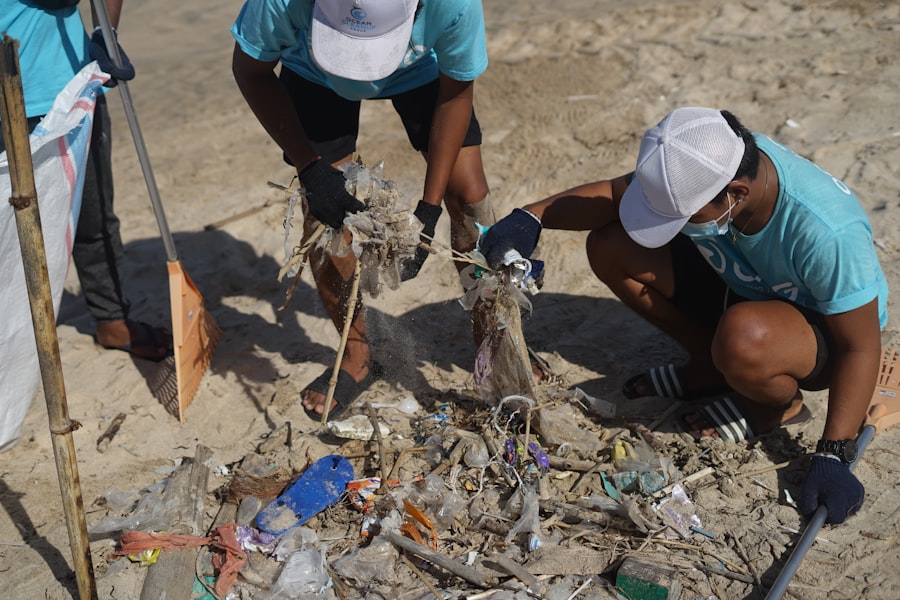
As you explore the current threats to ocean oxygen production, it becomes evident that human activities are at the forefront of these challenges. Climate change is one of the most pressing issues, causing ocean temperatures to rise and altering the delicate balance of marine ecosystems. Warmer waters can lead to decreased oxygen solubility, making it harder for marine life to thrive.
Additionally, increased stratification—where warmer water sits atop cooler water—can prevent nutrient mixing, further diminishing oxygen production. Pollution also poses a significant threat to ocean oxygen levels. Nutrient runoff from agriculture and urban areas leads to eutrophication, a process that causes algal blooms.
While these blooms may initially seem beneficial as they produce oxygen, their decay consumes vast amounts of oxygen in the water, creating hypoxic conditions that suffocate marine life. As you consider these threats, it becomes clear that immediate action is necessary to safeguard the future of ocean oxygen production.
The Circular Economy Approach to Addressing Ocean Oxygen Production
The circular economy offers a promising framework for addressing the challenges facing ocean oxygen production. This approach emphasizes sustainability by minimizing waste and promoting resource regeneration. By adopting circular economy principles, you can contribute to reducing pollution and enhancing the health of marine ecosystems.
For instance, implementing sustainable fishing practices can help maintain fish populations that play a crucial role in nutrient cycling and oxygen production. Moreover, the circular economy encourages innovation in waste management and resource recovery. By transforming waste into valuable resources, you can help reduce nutrient runoff that contributes to harmful algal blooms.
This shift not only benefits ocean health but also creates economic opportunities in sectors such as recycling and sustainable agriculture. Embracing a circular economy mindset allows you to play an active role in preserving ocean oxygen levels while fostering a more sustainable future.
Innovative Solutions for Sustainable Ocean Oxygen Production
As you consider innovative solutions for sustainable ocean oxygen production, several exciting developments come to light. One promising approach involves enhancing coastal ecosystems such as mangroves, seagrasses, and salt marshes. These habitats are known for their ability to sequester carbon and produce oxygen while providing critical nursery grounds for marine species.
By investing in restoration projects for these ecosystems, you can help bolster their capacity to generate oxygen and support biodiversity. Another innovative solution lies in harnessing technology for monitoring and managing ocean health. Advances in remote sensing and data analytics allow for real-time tracking of water quality and oxygen levels.
By utilizing these technologies, you can identify areas at risk of hypoxia and implement targeted interventions to restore balance. Additionally, research into bioengineering phytoplankton or other marine organisms could lead to enhanced oxygen production capabilities, offering new avenues for sustaining ocean health.
The Role of Businesses and Industries in Preserving Ocean Oxygen Levels
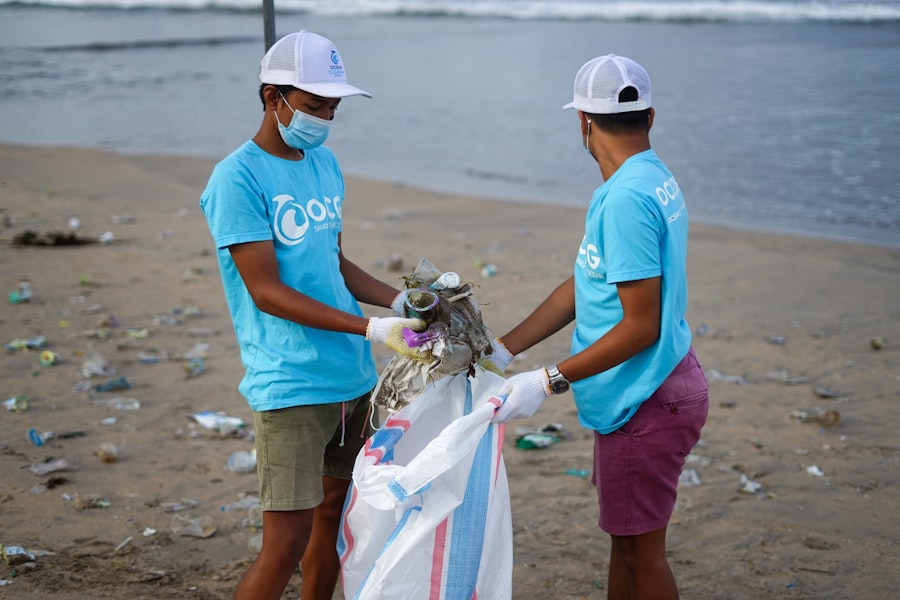
Businesses and industries play a pivotal role in preserving ocean oxygen levels through their practices and policies. As a consumer, your choices can influence corporate behavior; supporting companies that prioritize sustainability can drive positive change across entire sectors. For instance, businesses involved in seafood production can adopt responsible fishing practices that minimize bycatch and protect critical habitats essential for oxygen production.
Furthermore, industries can invest in research and development aimed at reducing their environmental impact. By exploring alternative materials and processes that minimize pollution and waste, businesses can contribute to healthier oceans. Collaborations between companies, non-profits, and governments can also foster innovative solutions that address the challenges facing ocean ecosystems.
Your engagement with businesses committed to sustainability can amplify efforts to preserve ocean oxygen levels and promote a healthier planet.
Government Policies and Regulations to Support the Circular Economy Approach
Government policies and regulations are essential for supporting the circular economy approach to preserving ocean oxygen production. By implementing stringent regulations on pollution and resource management, governments can create an environment conducive to sustainable practices. For example, establishing limits on nutrient runoff from agricultural activities can significantly reduce eutrophication and its detrimental effects on marine ecosystems.
In addition to regulations, governments can incentivize businesses and communities to adopt circular economy principles through grants, tax breaks, or subsidies for sustainable practices. Investing in research and education initiatives can also raise awareness about the importance of ocean health and encourage collective action among citizens. As you engage with policymakers or advocate for change in your community, remember that your voice can influence decisions that shape the future of ocean oxygen production.
The Future of Ocean Oxygen Production and the Circular Economy
Looking ahead, the future of ocean oxygen production hinges on our collective commitment to sustainability and innovation within a circular economy framework. As awareness grows about the importance of preserving ocean health, more individuals, businesses, and governments are likely to take action. This shift could lead to significant advancements in technology and practices that enhance oxygen production while protecting marine ecosystems.
Moreover, fostering global collaboration will be crucial in addressing the challenges facing our oceans. By sharing knowledge and resources across borders, countries can work together to implement effective strategies for preserving ocean oxygen levels. As you reflect on your role in this endeavor, consider how your actions—whether through advocacy, consumption choices, or community engagement—can contribute to a healthier future for our oceans and the planet as a whole.
In conclusion, understanding the intricacies of ocean oxygen production is vital for recognizing its significance in sustaining life on Earth. By addressing current threats through innovative solutions and embracing a circular economy approach, you can play an active role in preserving this essential resource for generations to come. The future of our oceans depends on collective action—yours included—toward creating a sustainable world where both people and nature thrive together.
In a related article, Preventing Floods by Massive Tree Planting, the importance of reforestation in preventing natural disasters such as floods is discussed. Just like how the circular economy approach aims to preserve ocean oxygen production, planting trees can also have a positive impact on the environment by reducing the risk of flooding and promoting biodiversity. Both articles highlight the interconnectedness of ecosystems and the importance of sustainable practices in preserving our planet for future generations.
FAQs
What is the circular economy approach?
The circular economy approach is a sustainable economic model that aims to minimize waste and make the most of resources. It focuses on reusing, recycling, and repurposing materials to create a closed-loop system.
How does the circular economy approach relate to preserving ocean oxygen production?
The circular economy approach is relevant to preserving ocean oxygen production because it emphasizes reducing pollution and minimizing the use of non-renewable resources. By implementing circular economy principles, we can reduce the amount of waste and pollutants that end up in the ocean, thus helping to maintain a healthy marine ecosystem that is essential for oxygen production.
What are the benefits of applying the circular economy approach to ocean oxygen production?
Applying the circular economy approach to ocean oxygen production can help reduce the negative impact of human activities on the marine environment. This, in turn, can help preserve the health of marine ecosystems, which are crucial for oxygen production. Additionally, the circular economy approach can lead to the development of innovative solutions for sustainable resource management and waste reduction.
What are some examples of circular economy practices that can help preserve ocean oxygen production?
Examples of circular economy practices that can help preserve ocean oxygen production include reducing single-use plastics, promoting the use of biodegradable materials, implementing sustainable fishing practices, and investing in technologies for recycling and reusing marine waste. These practices can help minimize the amount of pollutants and waste that enter the ocean, thus supporting the health of marine ecosystems and oxygen production.
How can individuals and businesses contribute to the circular economy approach for preserving ocean oxygen production?
Individuals and businesses can contribute to the circular economy approach for preserving ocean oxygen production by reducing their use of single-use plastics, supporting sustainable and eco-friendly products, properly disposing of waste, and investing in technologies that promote resource efficiency and waste reduction. Additionally, supporting policies and initiatives that promote circular economy principles can also make a positive impact on ocean oxygen production.