As you navigate through the bustling streets of your city, it’s easy to overlook the profound impact urbanization has on the world’s oceans. The rapid growth of urban areas has led to significant changes in land use, which in turn affects marine ecosystems. Urbanization contributes to a myriad of environmental issues, including pollution and habitat destruction, both of which play a crucial role in diminishing oxygen levels in the oceans.
This decline in oxygen, often referred to as hypoxia, poses a serious threat to marine life and the overall health of ocean ecosystems. Understanding this connection is vital for you as an urban resident, as it highlights the importance of your actions in mitigating these effects. The oceans are not isolated from the activities that take place on land.
In fact, they are intricately linked to urban environments through various pathways, including runoff, waste disposal, and industrial activities. As cities expand, they often encroach upon natural landscapes, leading to increased impervious surfaces that prevent water from soaking into the ground. This results in more stormwater runoff, which carries pollutants directly into waterways and eventually into the ocean.
The consequences of this urban expansion are far-reaching, affecting not only marine biodiversity but also the quality of water that you and your community rely on for recreation and sustenance.
Key Takeaways
- Urbanization has a significant impact on ocean oxygen levels, contributing to pollution, climate change, and runoff that leads to marine dead zones.
- Cities play a major role in ocean pollution and oxygen depletion through industrial and domestic waste, sewage, and runoff from roads and urban areas.
- Urban living contributes to climate change and ocean acidification through carbon emissions, which further depletes ocean oxygen levels.
- Urban runoff, including chemicals, fertilizers, and waste, is a major contributor to marine dead zones, where oxygen levels are too low to support marine life.
- Solutions for urban areas to reduce their impact on ocean oxygen levels include sustainable urban planning, green spaces, and promoting ocean conservation and restoration efforts within urban communities.
The Role of Cities in Ocean Pollution and Oxygen Depletion
Cities are often at the forefront of ocean pollution, acting as conduits for various contaminants that degrade marine environments. You may not realize it, but everyday activities—such as driving cars, using fertilizers, and disposing of waste—contribute to a cocktail of pollutants that find their way into the ocean. Nutrient runoff from urban areas, particularly nitrogen and phosphorus from fertilizers and sewage, leads to algal blooms that consume oxygen in the water.
These blooms can create dead zones where marine life struggles to survive due to insufficient oxygen levels. Moreover, industrial activities prevalent in urban settings further exacerbate this issue. Factories discharge pollutants directly into rivers and coastal waters, while shipping traffic introduces oil spills and other hazardous materials into the ocean.
As a resident of an urban area, you may feel disconnected from these processes, but your lifestyle choices—ranging from transportation methods to waste management—play a significant role in this pollution cycle. Recognizing your part in this equation is essential for fostering a sense of responsibility toward ocean health.
Urban Living and Its Contribution to Climate Change and Ocean Acidification

Urban living is intricately linked to climate change, which has far-reaching implications for ocean health. The concentration of people and industries in cities leads to increased greenhouse gas emissions, primarily from transportation and energy consumption. As these gases accumulate in the atmosphere, they contribute to global warming, which in turn affects ocean temperatures and chemistry.
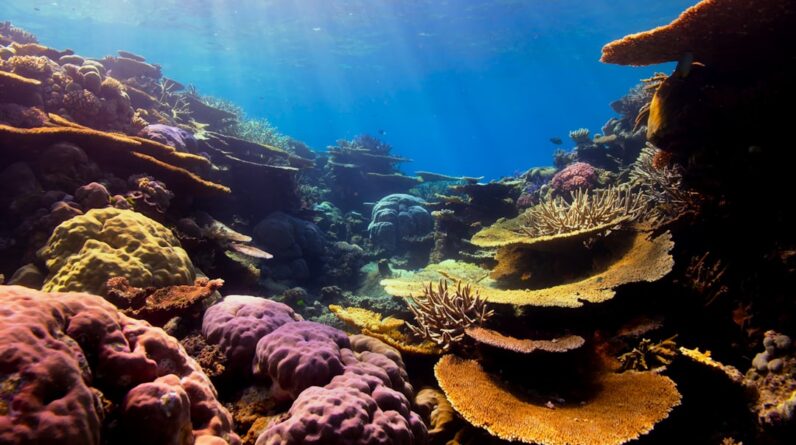
You might not see the immediate effects of climate change on your daily commute, but rising sea temperatures can lead to coral bleaching and disrupt marine ecosystems that are vital for biodiversity. Additionally, climate change is a driving force behind ocean acidification. As carbon dioxide levels rise in the atmosphere, a significant portion is absorbed by the oceans, leading to chemical changes that can harm marine organisms, particularly those with calcium carbonate shells or skeletons.
This process can have cascading effects on food webs and fisheries that many urban residents depend on for their livelihoods and nutrition. By understanding how your urban lifestyle contributes to these global issues, you can begin to make more informed choices that support both climate action and ocean conservation.
The Connection Between Urban Runoff and Marine Dead Zones
One of the most alarming consequences of urbanization is the emergence of marine dead zones—areas where oxygen levels are so low that most marine life cannot survive. These zones are often a direct result of urban runoff, which carries excess nutrients from fertilizers, sewage, and other pollutants into coastal waters. When these nutrients enter the ocean, they fuel algal blooms that deplete oxygen as they decay.
As an urban dweller, you may not see the immediate impact of these dead zones, but they can have devastating effects on local fisheries and ecosystems that are crucial for maintaining biodiversity. The connection between urban runoff and dead zones underscores the importance of effective stormwater management in cities. You might be surprised to learn that simple changes in urban infrastructure—such as green roofs, permeable pavements, and rain gardens—can significantly reduce runoff and its associated pollutants.
By advocating for these sustainable practices in your community, you can help mitigate the impact of urbanization on marine environments and contribute to healthier oceans.
Solutions for Urban Areas to Reduce their Impact on Ocean Oxygen Levels
Addressing the challenges posed by urbanization requires a multifaceted approach that involves both policy changes and individual actions. As a resident of an urban area, you have the power to influence local decision-making by supporting initiatives aimed at reducing pollution and promoting sustainable practices. For instance, advocating for stricter regulations on industrial discharges can help protect waterways from harmful contaminants that contribute to oxygen depletion in the oceans.
Moreover, you can play an active role in promoting community awareness about the importance of reducing plastic waste and improving waste management systems. Participating in local clean-up events or supporting organizations focused on ocean conservation can amplify your impact. By fostering a culture of environmental stewardship within your community, you can help create a collective movement toward healthier oceans.
The Importance of Green Spaces and Sustainable Urban Planning for Ocean Health

Incorporating green spaces into urban planning is essential for mitigating the negative impacts of urbanization on ocean health. Parks, green roofs, and community gardens not only enhance the quality of life for residents but also serve as vital tools for managing stormwater runoff. These green infrastructures can absorb rainwater, filter pollutants, and reduce the volume of runoff that reaches waterways.
As someone living in an urban environment, advocating for more green spaces can directly contribute to healthier oceans by improving water quality. Sustainable urban planning also involves creating walkable neighborhoods that reduce reliance on cars, thereby decreasing greenhouse gas emissions. By supporting public transportation initiatives or cycling infrastructure in your city, you can help lower pollution levels that contribute to climate change and its associated impacts on ocean health.
Your choices as an urban resident can drive demand for sustainable practices that benefit both your community and the oceans.
The Role of Urban Communities in Promoting Ocean Conservation and Restoration
Urban communities have a unique opportunity to lead efforts in ocean conservation and restoration. By coming together to raise awareness about the importance of healthy oceans, you can inspire collective action within your neighborhood or city. Organizing educational workshops or community events focused on marine conservation can empower residents to take ownership of their local environment and understand their connection to the oceans.
Additionally, collaborating with local organizations dedicated to ocean health can amplify your efforts. Many cities have initiatives aimed at restoring coastal habitats or reducing pollution through community engagement. By participating in these programs or volunteering your time, you can contribute directly to efforts that enhance marine ecosystems while fostering a sense of community among residents who share a common goal.
The Need for Urban Residents to Take Action for the Health of the Oceans
As an urban resident, you hold a crucial role in shaping the future health of our oceans. The challenges posed by urbanization—ranging from pollution to climate change—are significant but not insurmountable. By understanding how your lifestyle choices impact marine environments and advocating for sustainable practices within your community, you can contribute to meaningful change.
The health of our oceans is intertwined with the well-being of urban populations; therefore, it is imperative that you take action now. Whether it’s reducing waste, supporting green initiatives, or participating in local conservation efforts, every action counts. Together with your fellow residents, you can create a ripple effect that leads to healthier oceans for generations to come.
The time for action is now; your commitment can make a difference in preserving our planet’s most vital resource—its oceans.
Urban Living and Ocean Oxygen: Finding the Connection in Cities explores the impact of urbanization on ocean oxygen levels and the importance of addressing this issue. A related article that delves into the benefits of massive tree planting in preventing floods can be found here. This article highlights the role of trees in mitigating the effects of urban development on natural ecosystems and emphasizes the need for sustainable urban planning practices.
FAQs
What is the connection between urban living and ocean oxygen levels?
Urban living can contribute to ocean oxygen levels through various factors such as pollution, runoff from urban areas, and climate change. These factors can lead to decreased oxygen levels in the ocean, which can have detrimental effects on marine life.
How does pollution from urban areas affect ocean oxygen levels?
Pollution from urban areas, such as industrial emissions and vehicle exhaust, can lead to the deposition of pollutants into the ocean. This can contribute to the formation of dead zones, where oxygen levels are too low to support marine life.
What role does runoff from urban areas play in impacting ocean oxygen levels?
Runoff from urban areas can carry pollutants, such as fertilizers, pesticides, and other chemicals, into the ocean. These pollutants can lead to algal blooms, which can deplete oxygen levels in the water as the algae decompose.
How does climate change, influenced by urban living, affect ocean oxygen levels?
Climate change, influenced by urban living and the associated greenhouse gas emissions, can lead to rising sea temperatures and ocean acidification. These changes can impact the ocean’s ability to hold oxygen, leading to decreased oxygen levels in the water.
What are the potential consequences of decreased ocean oxygen levels on marine life?
Decreased ocean oxygen levels can lead to the formation of dead zones, where marine life struggles to survive. This can result in mass die-offs of fish, shellfish, and other marine organisms, disrupting the ocean’s ecosystems and fisheries.