


As you gaze out at the vast expanse of the ocean, it’s easy to be captivated by its beauty and mystery. However, beneath the surface lies a troubling reality: our oceans are facing a crisis due to plastic pollution. Each year, millions of tons of plastic waste find their way into the seas, creating a toxic environment that threatens marine ecosystems and human health alike.
Understanding the impact of this pollution is crucial for anyone who cares about the future of our planet. The sheer scale of the problem is staggering; it is estimated that by 2025, there will be more plastic in the ocean than fish by weight. This alarming statistic should serve as a wake-up call for you and everyone else who enjoys the ocean’s bounty.
The sources of this plastic pollution are varied and complex. From discarded fishing gear to microplastics that result from the breakdown of larger items, the ocean is inundated with debris that can take hundreds of years to decompose. You may not realize it, but even your everyday choices contribute to this crisis.
Items like plastic bags, straws, and bottles often end up in landfills or, worse, directly in waterways that lead to the ocean. As you learn more about this issue, it becomes clear that understanding the plastic problem is not just an academic exercise; it’s a call to action for you and your community.
Key Takeaways
- Plastic pollution is a major problem for our oceans, impacting marine life and ecosystems.
- Single-use plastics play a significant role in ocean pollution, contributing to the growing problem.
- Plastic has devastating effects on marine life, causing harm and even death to many species.
- Solutions for reducing plastic waste and protecting our oceans include recycling, using alternative materials, and promoting sustainable practices.
- Individuals can make a difference in the fight against plastic pollution by reducing their own plastic consumption and supporting initiatives for a cleaner environment.
The Role of Single-Use Plastics in Ocean Pollution
Single-use plastics are among the most significant contributors to ocean pollution, and their prevalence in modern society is hard to ignore. You encounter these items daily—plastic cutlery, shopping bags, and water bottles are just a few examples of products designed for one-time use. While they offer convenience, their environmental cost is staggering.
These plastics often end up in landfills or, even worse, in our oceans, where they can persist for centuries. The convenience of single-use plastics comes at a high price, and it’s essential for you to recognize this trade-off. The statistics surrounding single-use plastics are alarming.
According to various studies, approximately 300 million tons of plastic are produced each year, with a significant portion being single-use items. As you consider your own consumption habits, think about how many of these items you use without a second thought. Each time you opt for a plastic straw or a disposable coffee cup, you contribute to a growing problem that affects marine life and ecosystems.
By understanding the role of single-use plastics in ocean pollution, you can begin to make more informed choices that align with your values and contribute to a healthier planet.
The Devastating Effects of Plastic on Marine Life
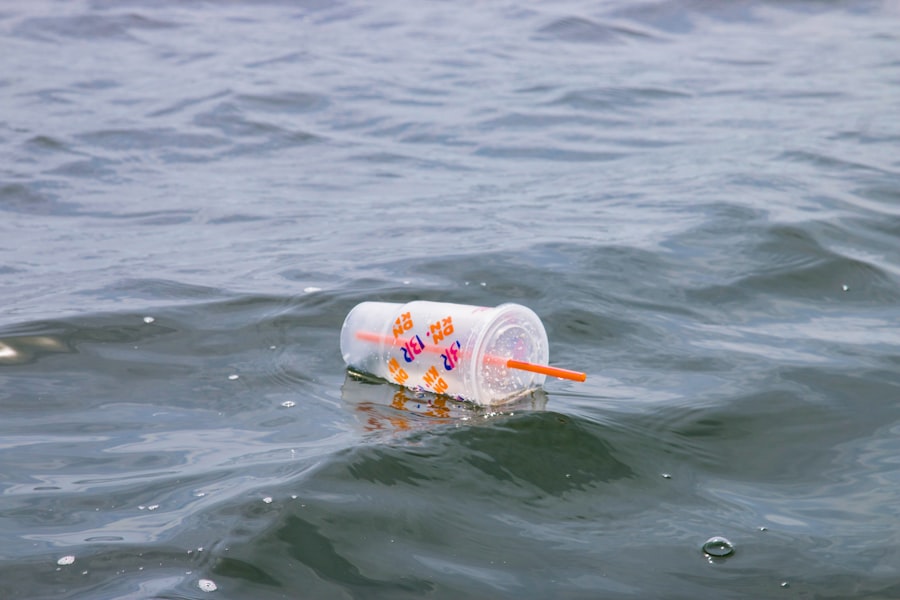
The impact of plastic pollution on marine life is both heartbreaking and alarming. As you delve deeper into this issue, you may find yourself disturbed by the stories of sea turtles entangled in fishing nets or seabirds ingesting plastic debris mistaken for food. These incidents are not isolated; they represent a broader trend that threatens biodiversity in our oceans.
Marine animals often suffer from injuries or death due to ingestion or entanglement, leading to population declines that can disrupt entire ecosystems. Moreover, the effects of plastic pollution extend beyond individual species. When marine life consumes microplastics—tiny particles that result from the breakdown of larger plastic items—they inadvertently introduce these toxins into the food chain.
As you reflect on this cycle, consider how it ultimately impacts human health as well. The fish you enjoy for dinner may contain harmful chemicals absorbed from their plastic-laden environment. This interconnectedness highlights the urgent need for action; protecting marine life is not just about saving animals but also about safeguarding our own health and well-being.
Solutions for Reducing Plastic Waste and Protecting Our Oceans
Addressing the plastic crisis requires a multifaceted approach that involves individuals, communities, and governments alike. One effective solution is to promote alternatives to single-use plastics. As you explore options like reusable bags, stainless steel straws, and glass containers, you’ll find that making small changes in your daily life can have a significant impact on reducing plastic waste.
By choosing reusable products over disposable ones, you not only minimize your own plastic footprint but also inspire others to follow suit. In addition to personal choices, community initiatives play a vital role in combating plastic pollution. Organizing beach clean-ups or participating in local recycling programs can help raise awareness and foster a sense of collective responsibility.
You might also consider advocating for policies that support sustainable practices within your community. By engaging with local leaders and encouraging them to implement measures aimed at reducing plastic waste, you can contribute to a larger movement focused on protecting our oceans.
How Individuals Can Make a Difference in the Fight Against Plastic Pollution
While the scale of plastic pollution may seem overwhelming, it’s essential to remember that individual actions can lead to meaningful change. You have the power to influence your immediate environment through conscious choices and advocacy efforts. Start by educating yourself about the types of plastics commonly used in your community and seek out alternatives whenever possible.
For instance, opting for products with minimal packaging or supporting businesses that prioritize sustainability can make a significant difference. Moreover, sharing your knowledge with friends and family can amplify your impact. By discussing the importance of reducing plastic waste and encouraging others to adopt eco-friendly habits, you create a ripple effect that extends beyond your immediate circle.
Social media platforms also offer an opportunity for you to raise awareness about plastic pollution on a larger scale. By sharing articles, infographics, or personal stories related to this issue, you can inspire others to take action and join the fight against plastic pollution.
The Importance of Supporting Legislation and Policies to Combat Plastic Pollution

While individual actions are crucial, systemic change is necessary for addressing the plastic crisis effectively. Supporting legislation aimed at reducing plastic waste is an essential step in this process. You can advocate for policies that ban single-use plastics or promote recycling initiatives within your community.
Engaging with local representatives and expressing your concerns about plastic pollution can help ensure that this issue remains on their agenda. Additionally, staying informed about national and international efforts to combat plastic pollution can empower you as an advocate. Organizations around the world are working tirelessly to implement policies that address this crisis at various levels.
By supporting these initiatives—whether through donations or volunteer work—you contribute to a collective effort aimed at creating lasting change for our oceans.
Innovative Technologies and Initiatives for Cleaning Up Our Oceans
As awareness of plastic pollution grows, so does innovation aimed at addressing this pressing issue. Various technologies and initiatives have emerged to tackle ocean cleanup efforts effectively. For instance, organizations like The Ocean Cleanup are developing advanced systems designed to collect floating debris from the ocean’s surface.
These innovative solutions not only remove existing waste but also aim to prevent future pollution by intercepting plastics before they reach open waters. In addition to large-scale cleanup efforts, smaller initiatives are making waves as well. Community-driven projects often utilize local resources and volunteers to remove debris from beaches and waterways.
As you learn about these initiatives, consider how you might get involved or support them financially or through volunteer work. Every effort counts in the fight against plastic pollution, and innovative technologies combined with grassroots movements can create a powerful force for change.
The Future of Our Oceans: What We Can Do to Ensure a Sustainable Environment
Looking ahead, the future of our oceans depends on collective action and commitment from individuals like you. It’s essential to remain hopeful while recognizing the challenges we face in combating plastic pollution. By continuing to educate yourself and others about this issue, you contribute to a growing movement focused on sustainability and environmental stewardship.
As you envision a healthier future for our oceans, consider how your choices today will shape tomorrow’s environment. Whether it’s reducing your own plastic consumption or advocating for systemic change, every action matters. By fostering a culture of sustainability within your community and supporting innovative solutions aimed at cleaning up our oceans, you play an integral role in ensuring that future generations inherit a vibrant and thriving marine ecosystem.
Together, we can turn the tide against plastic pollution and protect our oceans for years to come.
If you are interested in learning more about how to make a positive impact on the environment, check out the article