



Phytoplankton, the microscopic plants that float in the sunlit layers of oceans, lakes, and rivers, play a crucial role in the Earth’s ecosystem. You may not realize it, but these tiny organisms are responsible for producing a significant portion of the oxygen you breathe. In fact, it is estimated that phytoplankton contribute about 50% of the world’s oxygen supply, making them essential for life on Earth.
As primary producers, they form the foundation of aquatic food webs, supporting a diverse array of marine life, from tiny zooplankton to massive whales. Understanding the dynamics of phytoplankton growth and their oxygen production is vital for appreciating the health of our planet’s ecosystems. The importance of phytoplankton extends beyond oxygen production; they also play a key role in carbon cycling and climate regulation.
By absorbing carbon dioxide during photosynthesis, phytoplankton help mitigate the effects of climate change. When they die, their organic matter sinks to the ocean floor, sequestering carbon for long periods. This process not only contributes to oxygen production but also helps regulate atmospheric carbon levels.
As you delve deeper into the world of phytoplankton, you will discover how various environmental factors influence their growth and, consequently, their ability to produce oxygen.
Key Takeaways
- Phytoplankton are microscopic algae that play a crucial role in oxygen production through photosynthesis in aquatic environments.
- Environmental factors such as temperature, light, and nutrient availability significantly influence the growth of phytoplankton.
- Nutrient availability, particularly nitrogen and phosphorus, is essential for the growth and proliferation of phytoplankton in aquatic ecosystems.
- Light and temperature have a direct impact on the growth and productivity of phytoplankton, with optimal conditions leading to increased growth rates.
- Predation and competition from other organisms can impact phytoplankton growth, affecting their abundance and distribution in aquatic ecosystems.
Environmental Factors Influencing Phytoplankton Growth
Phytoplankton growth is influenced by a myriad of environmental factors that create the perfect conditions for these organisms to thrive. One of the most significant factors is nutrient availability. In many aquatic ecosystems, nutrients such as nitrogen and phosphorus are essential for phytoplankton growth.
When these nutrients are abundant, phytoplankton populations can flourish, leading to increased oxygen production. Conversely, when nutrient levels are low, phytoplankton growth can be stunted, resulting in decreased oxygen output and potential disruptions to the entire aquatic food web. Another critical environmental factor is water temperature.
You might be surprised to learn that temperature can significantly affect phytoplankton growth rates. Warmer waters can enhance metabolic processes in phytoplankton, leading to increased growth and reproduction. However, excessively high temperatures can also lead to harmful algal blooms, which can deplete oxygen levels and produce toxins harmful to marine life and humans alike.
Understanding how these environmental factors interact is essential for predicting changes in phytoplankton populations and their subsequent impact on oxygen production.
Nutrient Availability and Phytoplankton Growth
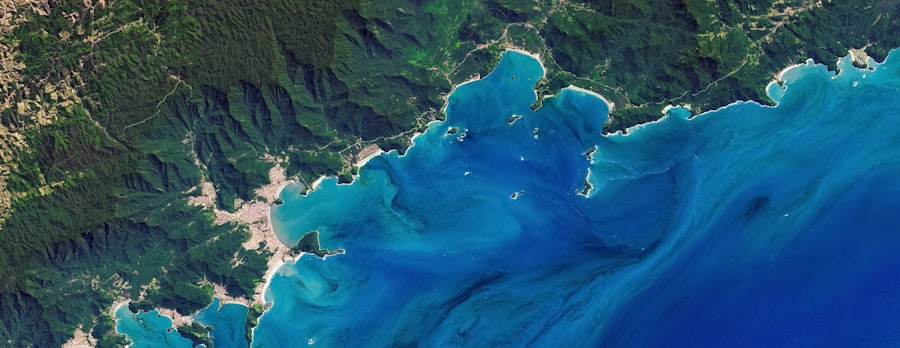
Nutrient availability is a cornerstone of phytoplankton growth and productivity. In aquatic ecosystems, nitrogen and phosphorus are often the limiting nutrients that determine the rate at which phytoplankton can grow. When these nutrients are present in sufficient quantities, you will notice a corresponding increase in phytoplankton biomass and oxygen production.
This relationship is particularly evident during seasonal blooms when nutrient runoff from land or upwelling from deeper waters brings an influx of these essential elements. However, the balance of nutrients is delicate. Excessive nutrient input, often due to agricultural runoff or wastewater discharge, can lead to eutrophication—a process characterized by rapid phytoplankton growth followed by die-offs that deplete oxygen levels in the water.
This phenomenon creates “dead zones,” areas where aquatic life struggles to survive due to low oxygen availability. As you consider the implications of nutrient availability on phytoplankton growth, it becomes clear that managing nutrient inputs is crucial for maintaining healthy aquatic ecosystems and ensuring continued oxygen production.
Light and Temperature Effects on Phytoplankton Growth
Light is another vital factor influencing phytoplankton growth. As photosynthetic organisms, phytoplankton require sunlight to convert carbon dioxide and water into energy and oxygen. The intensity and duration of light exposure can significantly affect their growth rates.
In shallow waters where light penetrates easily, you will often find dense populations of phytoplankton thriving. However, in deeper waters or areas with high turbidity, light availability may be limited, restricting phytoplankton growth. Temperature also plays a pivotal role in determining how effectively phytoplankton can utilize available light for photosynthesis.
Warmer temperatures can enhance metabolic rates, allowing phytoplankton to grow more rapidly under optimal light conditions. However, as temperatures rise beyond certain thresholds, you may witness a decline in growth rates due to stress or even mortality. The interplay between light and temperature creates a complex environment where phytoplankton must adapt to changing conditions to survive and continue producing oxygen.
Predation and Competition Impact on Phytoplankton Growth
While nutrient availability and environmental conditions are critical for phytoplankton growth, predation and competition also significantly influence their populations. Zooplankton, small animals that feed on phytoplankton, play a vital role in regulating phytoplankton abundance. When zooplankton populations increase, they can consume large quantities of phytoplankton, leading to declines in biomass and oxygen production.
This predator-prey relationship is essential for maintaining balance within aquatic ecosystems. Competition among different species of phytoplankton can also impact growth rates. In environments where multiple species vie for limited resources such as light and nutrients, some species may outcompete others, leading to shifts in community composition.
These shifts can have cascading effects on oxygen production and overall ecosystem health. As you explore the dynamics of predation and competition among phytoplankton, it becomes evident that these interactions are crucial for understanding how changes in one aspect of the ecosystem can ripple through the entire food web.
Climate Change and its Influence on Phytoplankton and Oxygen Production
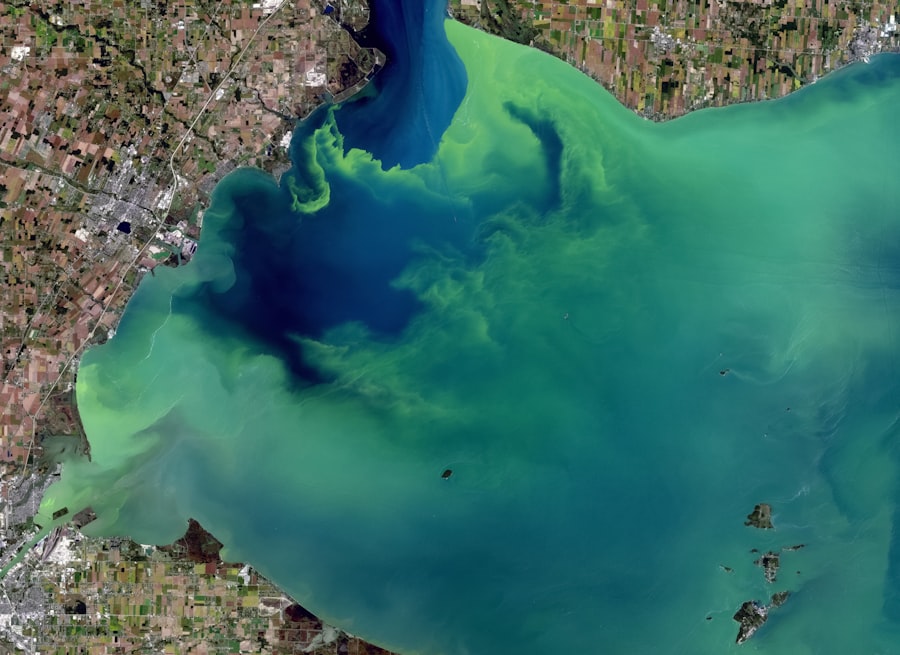
Climate change poses significant challenges to phytoplankton populations and their ability to produce oxygen. Rising global temperatures can alter oceanic conditions, affecting nutrient availability, light penetration, and water stratification. As you consider these changes, it becomes clear that climate change could disrupt the delicate balance that supports healthy phytoplankton communities.
For instance, warmer waters may lead to increased stratification, preventing nutrient-rich waters from reaching the surface where phytoplankton reside. Additionally, climate change can exacerbate harmful algal blooms by creating favorable conditions for certain species to thrive while disadvantaging others. These blooms not only deplete oxygen levels but can also produce toxins harmful to marine life and humans alike.
As you reflect on the implications of climate change for phytoplankton and oxygen production, it becomes evident that addressing climate-related challenges is essential for preserving the health of our oceans and the vital services they provide.
Human Activities and their Impact on Phytoplankton and Oxygen Production
Human activities have a profound impact on phytoplankton populations and their ability to produce oxygen. Agricultural practices that lead to nutrient runoff into waterways can create conditions conducive to eutrophication, resulting in harmful algal blooms that deplete oxygen levels in aquatic environments. Urbanization and industrialization further exacerbate these issues by introducing pollutants that can disrupt phytoplankton communities.
Moreover, overfishing can alter predator-prey dynamics within aquatic ecosystems, leading to imbalances that affect phytoplankton populations. When key species are removed from the food web, you may witness shifts in community composition that impact overall productivity and oxygen production. As you consider the consequences of human activities on phytoplankton health, it becomes clear that sustainable practices are essential for preserving these vital organisms and ensuring continued oxygen production.
Importance of Phytoplankton and Oxygen Production for Ecosystem Health
The significance of phytoplankton extends far beyond their role as primary producers; they are integral to maintaining ecosystem health and stability. By producing oxygen through photosynthesis, they support not only marine life but also terrestrial organisms that rely on this essential gas for survival. The intricate relationships between phytoplankton, other marine organisms, and their environment highlight the interconnectedness of life on Earth.
Furthermore, healthy phytoplankton populations contribute to carbon cycling and climate regulation by sequestering carbon dioxide from the atmosphere. This process helps mitigate climate change impacts while supporting diverse marine ecosystems that provide food security for millions of people worldwide. As you reflect on the importance of phytoplankton and their role in oxygen production, it becomes evident that protecting these microscopic organisms is crucial for sustaining life on our planet and ensuring a healthy future for generations to come.
A related article to Factors Affecting Phytoplankton Growth and Oxygen Production is “Advantages of Planting Trees for Climate Change” which discusses the benefits of tree planting in combating global warming and preventing floods. Planting trees can help reduce carbon dioxide levels in the atmosphere, provide habitats for wildlife, and prevent soil erosion. To learn more about the advantages of planting trees for climate change, you can read the article here.
FAQs
What is phytoplankton?
Phytoplankton are microscopic, single-celled organisms that live in aquatic environments. They are primary producers in the marine food web, converting sunlight into organic matter through photosynthesis.
What factors affect phytoplankton growth?
Factors that affect phytoplankton growth include sunlight, nutrient availability (such as nitrogen, phosphorus, and iron), water temperature, and water movement. Changes in any of these factors can impact the rate of phytoplankton growth.
How does phytoplankton contribute to oxygen production?
Phytoplankton produce oxygen as a byproduct of photosynthesis. They are responsible for producing about half of the world’s oxygen, making them crucial for the health of marine ecosystems and the planet as a whole.
Why is phytoplankton growth important?
Phytoplankton are at the base of the marine food web, providing food for zooplankton, fish, and other marine organisms. They also play a critical role in regulating the Earth’s climate and producing oxygen through photosynthesis.
How do human activities impact phytoplankton growth?
Human activities such as nutrient pollution, climate change, and ocean acidification can have negative impacts on phytoplankton growth. For example, nutrient runoff from agriculture and urban areas can lead to harmful algal blooms, which can disrupt marine ecosystems and harm marine life.


