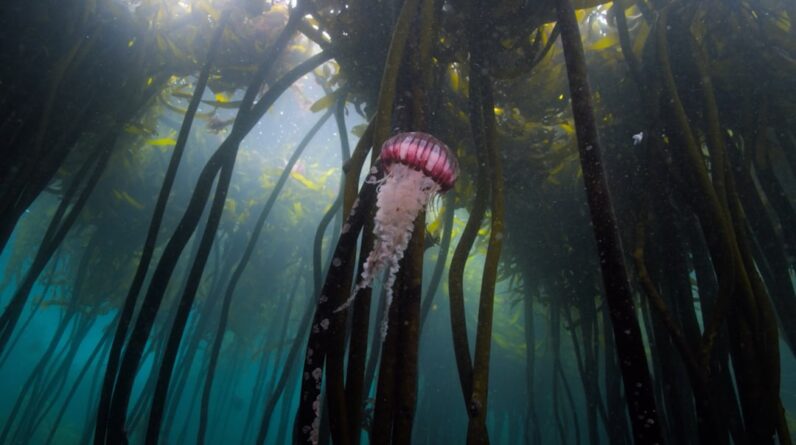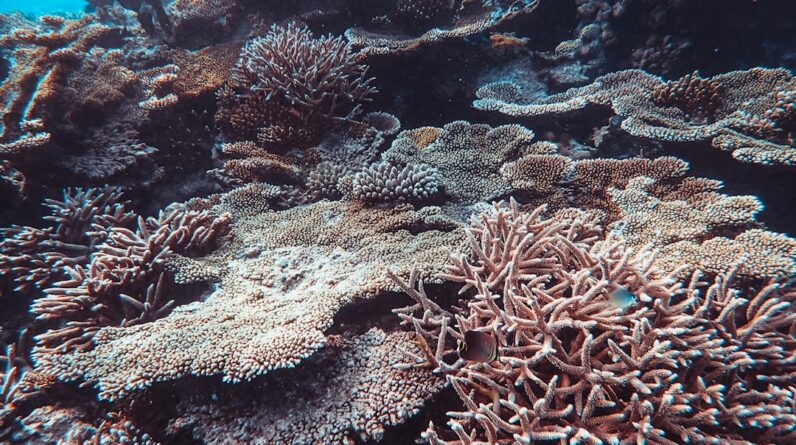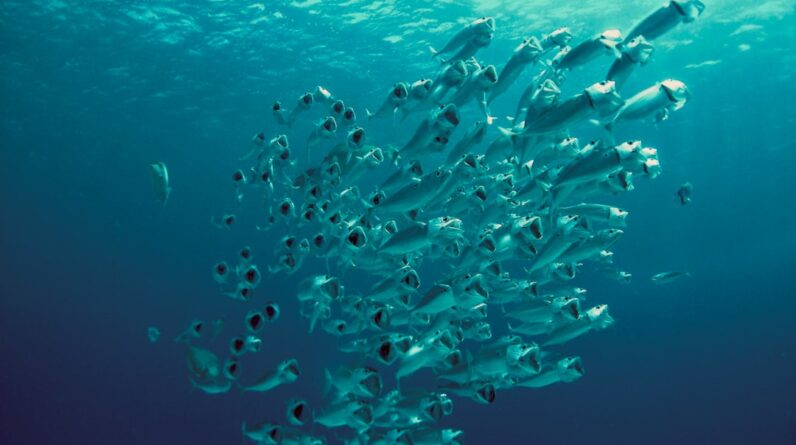
The oceans are often referred to as the lungs of our planet, and for good reason. They produce over half of the world’s oxygen, primarily through the photosynthetic activities of phytoplankton, seaweed, and other marine plants. This vital process not only sustains marine life but also supports terrestrial ecosystems and human populations.
As you breathe in the fresh air, it’s easy to overlook the intricate relationship between ocean health and atmospheric oxygen levels. Protecting ocean oxygen is not just an environmental concern; it is a matter of survival for countless species, including humans. Moreover, the oceans play a crucial role in regulating the Earth’s climate.
They absorb carbon dioxide and heat, helping to mitigate the effects of climate change. However, as ocean temperatures rise and ecosystems become stressed, the ability of these waters to produce oxygen diminishes. This creates a feedback loop that exacerbates global warming and threatens biodiversity.
By prioritizing ocean oxygen protection, you are contributing to a healthier planet and ensuring that future generations can enjoy clean air and thriving ecosystems.
Key Takeaways
- Ocean oxygen protection is crucial for the health of marine ecosystems and the planet as a whole.
- Threats to ocean oxygen levels include climate change, pollution, and overfishing, among others.
- Leaders in the fight for ocean oxygen protection include environmental organizations, scientists, and policymakers.
- Policy initiatives and legislation play a key role in protecting ocean oxygen levels and promoting sustainable practices.
- Collaborative efforts and partnerships are essential for effective ocean oxygen protection, involving governments, NGOs, and industry stakeholders.
Understanding the Threats to Ocean Oxygen Levels
The threats to ocean oxygen levels are multifaceted and complex. One of the most significant issues is eutrophication, which occurs when excess nutrients—often from agricultural runoff—enter the ocean. This nutrient overload leads to algal blooms that deplete oxygen levels as they decay.
When you consider that these blooms can create dead zones where marine life cannot survive, it becomes clear how urgent the situation is. These dead zones are expanding globally, affecting fisheries and disrupting entire marine ecosystems. Climate change also poses a severe threat to ocean oxygen levels.
As temperatures rise, the solubility of oxygen in seawater decreases, meaning that warmer waters hold less oxygen. Additionally, increased stratification of ocean layers due to temperature changes can prevent oxygen from mixing throughout the water column. This stratification can lead to hypoxic conditions, where oxygen levels drop dangerously low for marine organisms.
Understanding these threats is essential for you to grasp the urgency of protecting ocean oxygen levels.
Leaders in the Fight for Ocean Oxygen Protection
In the battle for ocean oxygen protection, several organizations and individuals have emerged as leaders, advocating for sustainable practices and policies. Nonprofit organizations like Oceana and the Ocean Conservancy are at the forefront, working tirelessly to raise awareness about the importance of healthy oceans. They engage in research, lobbying efforts, and community outreach to educate the public about the critical role oceans play in our ecosystem.
By supporting these organizations or participating in their initiatives, you can contribute to a larger movement aimed at preserving ocean health. Additionally, scientists and researchers are making significant strides in understanding ocean dynamics and the factors affecting oxygen levels. Their work is crucial in developing strategies to combat issues like climate change and pollution.
You may find it inspiring to learn about individuals who dedicate their lives to studying marine environments and advocating for policy changes based on their findings. Their passion and commitment serve as a reminder that collective action can lead to meaningful change.
Policy Initiatives and Legislation for Ocean Oxygen Protection
Effective policy initiatives and legislation are vital for ensuring the protection of ocean oxygen levels. Governments around the world are beginning to recognize the importance of addressing marine health in their environmental policies. For instance, initiatives aimed at reducing nutrient runoff from agriculture are gaining traction in various countries.
These policies often include stricter regulations on fertilizer use and incentives for sustainable farming practices. By advocating for such policies, you can help create a framework that supports healthier oceans. International agreements also play a crucial role in ocean protection efforts.
Treaties like the Paris Agreement emphasize the need for global cooperation in combating climate change, which directly impacts ocean health. By supporting these international efforts, you contribute to a unified approach that transcends borders and fosters collaboration among nations. Your voice matters in urging policymakers to prioritize ocean health in their agendas.
Collaborative Efforts and Partnerships in Ocean Oxygen Protection
Collaboration is key when it comes to protecting ocean oxygen levels. Various stakeholders—including governments, NGOs, scientists, and local communities—must work together to address this pressing issue effectively. Partnerships between organizations can amplify efforts and resources, leading to more significant impacts on ocean health.
For example, joint initiatives that combine scientific research with community engagement can foster a deeper understanding of local marine environments while promoting sustainable practices. You can also play a role in fostering collaboration by participating in local conservation efforts or community clean-up events. Engaging with others who share your passion for ocean protection can lead to innovative solutions and inspire collective action.
By building networks of support within your community, you contribute to a larger movement dedicated to safeguarding our oceans.
The Role of Science and Research in Ocean Oxygen Protection

Science and research are fundamental in understanding the complexities of ocean ecosystems and their oxygen dynamics. Researchers employ various methods—ranging from satellite monitoring to underwater sensors—to gather data on oxygen levels and identify trends over time. This information is crucial for developing effective conservation strategies and informing policymakers about the state of our oceans.
By staying informed about scientific advancements, you can better understand the challenges facing marine environments. Moreover, public engagement with scientific research can lead to increased awareness and advocacy for ocean protection. Citizen science initiatives allow individuals like you to contribute data collection efforts while fostering a sense of ownership over local marine environments.
By participating in these programs, you not only gain valuable insights into ocean health but also help bridge the gap between science and community action.
The Economic and Social Impacts of Ocean Oxygen Depletion
The depletion of ocean oxygen has far-reaching economic and social implications that extend beyond environmental concerns. Fisheries rely on healthy ecosystems to thrive; when oxygen levels drop, fish populations decline, leading to economic losses for communities dependent on fishing industries. As you consider the livelihoods affected by this issue, it becomes evident that protecting ocean oxygen is not just an ecological necessity but also an economic imperative.
Socially, communities that rely on coastal resources face increased challenges as marine life becomes scarce due to hypoxia. This can lead to food insecurity and economic instability, particularly in vulnerable populations. By advocating for ocean oxygen protection, you are not only supporting environmental sustainability but also promoting social equity and resilience within communities that depend on healthy oceans.
How Individuals Can Support Ocean Oxygen Protection
As an individual, your actions can significantly impact ocean oxygen protection efforts. Simple lifestyle changes—such as reducing plastic use, minimizing water pollution, and supporting sustainable seafood choices—can contribute to healthier marine environments. By being mindful of your consumption habits and advocating for responsible practices within your community, you can inspire others to join the cause.
Additionally, consider getting involved with local organizations focused on ocean conservation or participating in beach clean-ups and educational programs. Your engagement can help raise awareness about the importance of protecting ocean oxygen levels while fostering a sense of community around shared values. Every small action counts; by taking steps toward sustainability, you contribute to a larger movement dedicated to preserving our planet’s vital resources.
In conclusion, protecting ocean oxygen is essential for maintaining a healthy planet and ensuring a sustainable future for all living beings. By understanding the threats facing our oceans, supporting leaders in conservation efforts, advocating for effective policies, collaborating with others, engaging with scientific research, recognizing economic impacts, and taking individual actions, you can play a vital role in this critical mission. Together, we can safeguard our oceans and ensure they continue to provide life-sustaining oxygen for generations to come.
Policy Champions: Leaders Pushing for Ocean Oxygen Protection is a crucial initiative in the fight to preserve our planet’s ecosystems. In a related article, Combatting Global Warming by Massive Tree Planting, the focus shifts to the importance of reforestation efforts in combating climate change. Both articles highlight the interconnectedness of our environment and the urgent need for proactive measures to protect our planet for future generations.
FAQs
What is the importance of ocean oxygen protection?
Ocean oxygen protection is crucial for the survival of marine life and the overall health of the ocean ecosystem. Oxygen is essential for the respiration of marine organisms, and a decline in ocean oxygen levels can lead to the loss of biodiversity and the disruption of food chains.
Who are policy champions in the push for ocean oxygen protection?
Policy champions are leaders, policymakers, and advocates who are actively working to promote and implement policies aimed at protecting ocean oxygen levels. These individuals and organizations play a key role in raising awareness, shaping legislation, and driving action to address the threats to ocean oxygen.
What are some of the main threats to ocean oxygen levels?
Some of the main threats to ocean oxygen levels include climate change, nutrient pollution from agricultural runoff and sewage, and the impacts of human activities such as overfishing and coastal development. These factors can lead to oxygen-depleted “dead zones” in the ocean, where marine life struggles to survive.
How can policy champions make a difference in protecting ocean oxygen?
Policy champions can make a difference by advocating for the implementation of sustainable fishing practices, reducing nutrient pollution, and promoting the use of renewable energy to mitigate climate change. They can also work to establish marine protected areas and support research and monitoring efforts to better understand and address the threats to ocean oxygen levels.