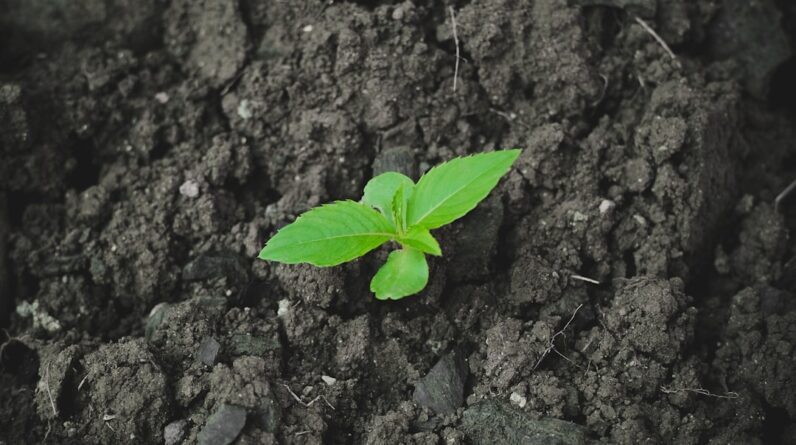
Reforestation plays a crucial role in the restoration of ecological networks, acting as a bridge that connects fragmented habitats and promotes biodiversity. When you consider the vast landscapes that have been altered by human activity, it becomes evident that reforestation is not merely about planting trees; it is about revitalizing entire ecosystems. By reintroducing native flora, you help to restore the natural balance, allowing wildlife to thrive and ecosystems to function as they should.
This process is essential for maintaining the health of our planet, as it fosters resilience against environmental changes and supports a diverse array of species. Moreover, reforestation contributes to the restoration of ecological networks by enhancing connectivity between habitats. When you plant trees in deforested areas, you create corridors that allow animals to move freely between different regions.
This movement is vital for genetic diversity, which strengthens populations and increases their chances of survival. As you engage in reforestation efforts, you are not only helping to restore individual species but also contributing to the overall stability of ecosystems. The interconnectedness of life on Earth means that every tree planted has the potential to impact countless other organisms, making your efforts in reforestation a powerful tool for ecological restoration.
Key Takeaways
- Reforestation plays a crucial role in restoring ecological networks by connecting fragmented habitats and promoting species movement and genetic diversity.
- Reforestation serves as a powerful tool for biodiversity conservation by providing essential habitats for a wide range of plant and animal species, including endangered and threatened ones.
- Reforestation contributes to climate change mitigation by sequestering carbon dioxide from the atmosphere and helping to regulate local and regional climate patterns.
- Restoring ecosystem services through reforestation includes improving water quality, reducing soil erosion, and providing valuable resources such as timber, food, and medicine.
- While reforestation efforts face challenges such as invasive species and limited resources, there are opportunities to leverage technology, partnerships, and community engagement to enhance success.
Reforestation as a Tool for Biodiversity Conservation
Biodiversity is the foundation of healthy ecosystems, and reforestation serves as a critical tool for its conservation. When you participate in reforestation projects, you are actively contributing to the preservation of various species that depend on forest habitats for survival. By planting native trees and shrubs, you create an environment that supports local wildlife, from insects to larger mammals.
This not only helps to maintain existing populations but also encourages the return of species that may have been driven away due to habitat loss. In addition to providing habitat, reforestation can also enhance genetic diversity within species. As you plant trees across different areas, you create opportunities for species to interbreed and adapt to changing environmental conditions.
This genetic diversity is essential for resilience against diseases and climate fluctuations. By engaging in reforestation, you are playing a vital role in ensuring that ecosystems remain robust and capable of supporting a wide range of life forms. Your efforts can lead to the revival of endangered species and the overall enhancement of biodiversity in your region.
Reforestation and Climate Change Mitigation
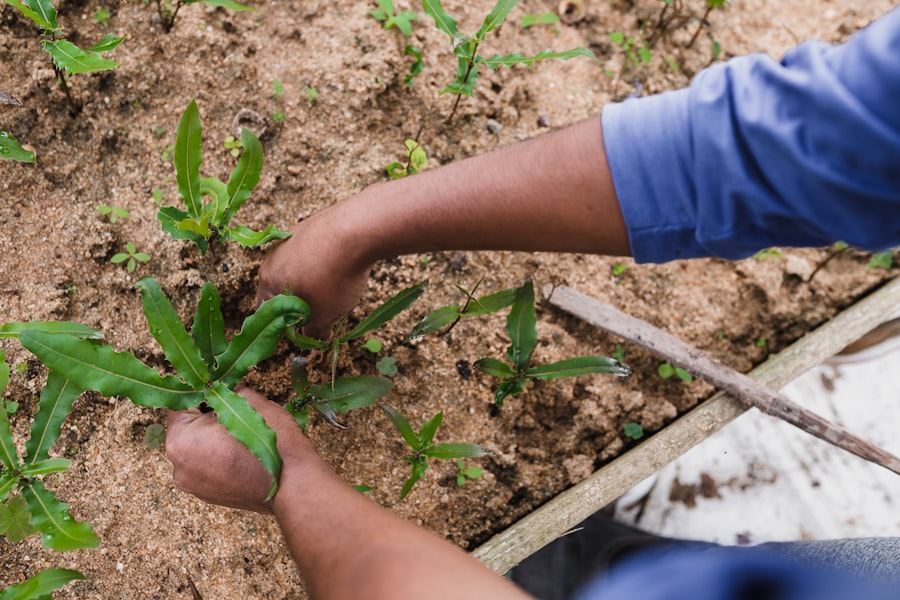
Climate change poses one of the most significant threats to our planet, and reforestation is a powerful strategy for mitigating its effects. Trees act as carbon sinks, absorbing carbon dioxide from the atmosphere and storing it in their biomass. When you participate in reforestation initiatives, you are directly contributing to the reduction of greenhouse gases, helping to combat climate change on a global scale.
The more trees you plant, the greater the potential for carbon sequestration, making your efforts an essential part of climate action. Furthermore, reforestation can help to regulate local climates by influencing temperature and precipitation patterns. As you restore forests, you create microclimates that can support diverse plant and animal life while also improving soil health and water retention.
This is particularly important in areas that have experienced drought or extreme weather events. By engaging in reforestation, you are not only addressing climate change but also enhancing the resilience of ecosystems to withstand its impacts. Your actions can lead to healthier landscapes that are better equipped to adapt to a changing climate.
Restoring Ecosystem Services through Reforestation
Ecosystem services are the benefits that humans derive from nature, including clean air, water purification, and soil fertility. Reforestation plays a vital role in restoring these services, which have been compromised by deforestation and land degradation. When you plant trees, you contribute to improved air quality by filtering pollutants and producing oxygen.
This is particularly important in urban areas where air pollution can have severe health impacts on residents. In addition to air quality, reforestation enhances water quality by reducing runoff and preventing soil erosion. Trees act as natural filters, capturing sediments and pollutants before they reach waterways.
As you engage in reforestation efforts, you are helping to restore watersheds and improve the overall health of aquatic ecosystems. Furthermore, healthy forests contribute to soil fertility by promoting nutrient cycling and supporting diverse microbial communities. Your involvement in reforestation not only benefits the environment but also supports human well-being by ensuring access to clean water and fertile land.
Challenges and Opportunities in Reforestation Efforts
While reforestation offers numerous benefits, it is not without its challenges. One significant hurdle is the availability of suitable land for planting trees. In many regions, urbanization and agricultural expansion have led to a scarcity of space for new forests.
Additionally, there may be competing interests from industries that prioritize short-term economic gains over long-term ecological health. As you consider participating in reforestation projects, it is essential to navigate these challenges thoughtfully and advocate for sustainable land use practices. Despite these obstacles, there are also significant opportunities within reforestation efforts.
Advances in technology have made it easier to monitor tree growth and assess the success of planting initiatives. You can leverage tools such as drones and satellite imagery to track progress and ensure that your efforts are making a meaningful impact. Furthermore, community engagement is crucial for successful reforestation projects.
By involving local residents in planning and implementation, you can foster a sense of ownership and commitment to maintaining newly planted forests. Your participation can help create a culture of stewardship that supports long-term ecological restoration.
The Role of Indigenous and Local Communities in Reforestation
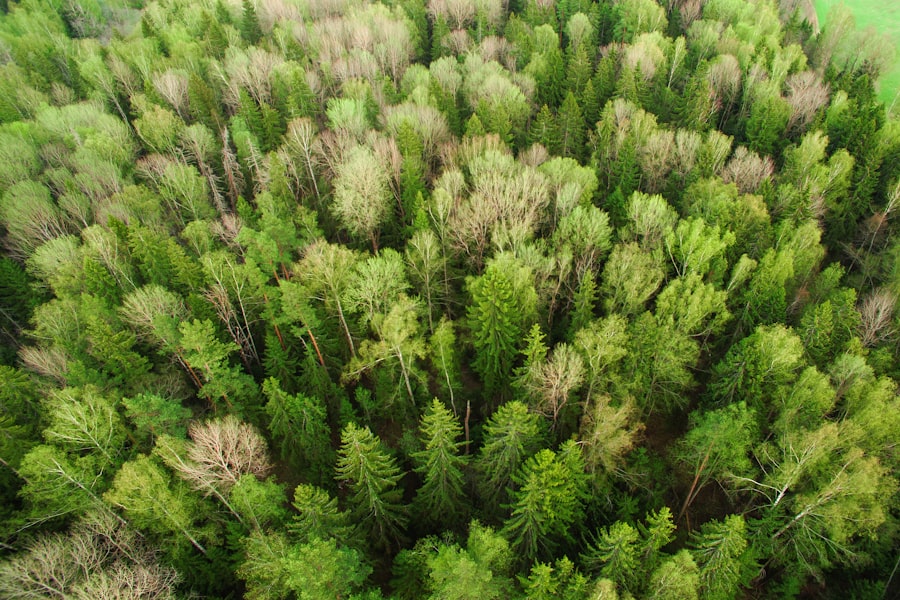
Indigenous and local communities play an invaluable role in reforestation efforts, bringing traditional knowledge and practices that enhance ecological restoration. When you collaborate with these communities, you tap into a wealth of experience that has been passed down through generations. Their understanding of local ecosystems allows for more effective planting strategies that align with natural processes.
By respecting their knowledge and involving them in decision-making, you can ensure that reforestation initiatives are culturally appropriate and ecologically sound. Moreover, empowering indigenous communities through reforestation can lead to significant social benefits. As you support their involvement in these projects, you help create economic opportunities through sustainable forestry practices and ecotourism.
This not only contributes to local livelihoods but also fosters a sense of pride and connection to the land. By recognizing the importance of indigenous stewardship in reforestation efforts, you can help build resilient communities that are committed to protecting their natural resources for future generations.
Reforestation and Sustainable Land Use Practices
Integrating reforestation with sustainable land use practices is essential for achieving long-term ecological goals. When you approach land management holistically, considering both agricultural needs and environmental health, you create a balanced system that benefits both people and nature. Agroforestry is one such practice that combines tree planting with crop cultivation, allowing for increased biodiversity while providing farmers with additional income sources.
As you explore sustainable land use practices alongside reforestation efforts, consider the importance of soil health and water management. Implementing techniques such as cover cropping and contour farming can enhance soil fertility while reducing erosion. By promoting these practices within your community or organization, you can create a framework for sustainable development that prioritizes ecological integrity alongside economic growth.
Your commitment to integrating reforestation with sustainable land use will contribute to healthier landscapes and more resilient communities.
The Future of Reforestation in Ecological Restoration
Looking ahead, the future of reforestation in ecological restoration holds immense potential for addressing some of the most pressing environmental challenges we face today. As awareness grows about the importance of forests in combating climate change and preserving biodiversity, more individuals and organizations are likely to engage in reforestation initiatives. Your involvement in these efforts can inspire others to take action, creating a ripple effect that amplifies the impact of your work.
Innovations in science and technology will continue to shape the future of reforestation as well. From genetic engineering of tree species for improved resilience to advanced monitoring techniques using artificial intelligence, the possibilities are vast. As you stay informed about these developments, consider how they can enhance your own reforestation efforts or those within your community.
By embracing new ideas while remaining grounded in traditional ecological knowledge, you can contribute to a future where reforestation plays a central role in restoring our planet’s health and vitality. In conclusion, your participation in reforestation efforts is not just an act of planting trees; it is a commitment to restoring ecological networks, conserving biodiversity, mitigating climate change, and enhancing ecosystem services. By recognizing the challenges and opportunities within this field and valuing the contributions of indigenous communities, you can play an integral role in shaping a sustainable future through reforestation initiatives.
The journey ahead may be complex, but with dedication and collaboration, the potential for positive change is limitless.
If you are interested in learning more about how planting trees can help combat deforestation, check out the article How Does Planting Trees Help Deforestation? on the Live Life with a Cause website. This article delves into the various ways in which reforestation efforts can contribute to reversing the effects of deforestation and restoring ecological balance.
FAQs
What is reforestation?
Reforestation is the process of planting trees in areas where forests have been depleted or destroyed, with the goal of restoring the ecological balance and biodiversity of the area.
What is the role of reforestation in restoring ecological networks?
Reforestation plays a crucial role in restoring ecological networks by creating habitats for a wide variety of plant and animal species, improving soil quality, regulating water cycles, and mitigating climate change through carbon sequestration.
How does reforestation contribute to biodiversity conservation?
Reforestation helps to create diverse and interconnected habitats for a wide range of plant and animal species, which in turn supports biodiversity conservation by providing food, shelter, and breeding grounds for various species.
What are the environmental benefits of reforestation?
Reforestation provides a range of environmental benefits, including improving air and water quality, reducing soil erosion, mitigating climate change through carbon sequestration, and regulating local and regional climate patterns.
What are some challenges associated with reforestation efforts?
Challenges associated with reforestation efforts include securing land for planting, selecting appropriate tree species for the specific ecosystem, ensuring long-term maintenance and protection of newly planted forests, and addressing potential conflicts with local communities and land use practices.