Marine oxygen is a vital component of our planet’s ecosystems, playing a crucial role in sustaining life beneath the waves. As you delve into the depths of the ocean, you may not realize that the very air you breathe is intricately linked to the health of marine environments. Oxygen is produced primarily through photosynthesis by marine plants, such as phytoplankton, seaweeds, and seagrasses.
These organisms not only generate oxygen but also form the foundation of the marine food web, supporting a diverse array of life forms. Without adequate levels of oxygen in the water, the delicate balance of marine ecosystems would be disrupted, leading to dire consequences for both aquatic life and human populations that rely on these resources. Understanding the importance of marine oxygen extends beyond mere biological processes; it encompasses the broader implications for global climate regulation and nutrient cycling.
The oceans act as a significant carbon sink, absorbing carbon dioxide from the atmosphere and mitigating climate change. This process is facilitated by the presence of oxygen, which supports the growth of phytoplankton that sequester carbon. As you consider the interconnectedness of life on Earth, it becomes clear that maintaining healthy levels of marine oxygen is essential not only for marine organisms but also for the overall health of our planet.
Key Takeaways
- Marine oxygen is crucial for the survival of marine life and the overall health of the ocean ecosystem.
- Marine oxygen plays a key role in regulating nutrient cycles, supporting biodiversity, and maintaining ecological balance.
- Threats to marine oxygen levels include pollution, climate change, and nutrient runoff from agriculture and urban areas.
- Declining marine oxygen levels can lead to the loss of habitat, decreased reproductive success, and increased susceptibility to diseases in marine organisms.
- Human activities such as overfishing, pollution, and climate change contribute to the decline in marine oxygen levels, but efforts to protect and restore marine oxygen are underway.
The Role of Marine Oxygen in the Ecosystem
Oxygen Dependence in Marine Organisms
In the intricate web of marine ecosystems, oxygen serves as a lifeline for countless species. From the smallest zooplankton to the largest whales, all marine organisms depend on dissolved oxygen in the water for survival.
Oxygen Dynamics in Various Habitats
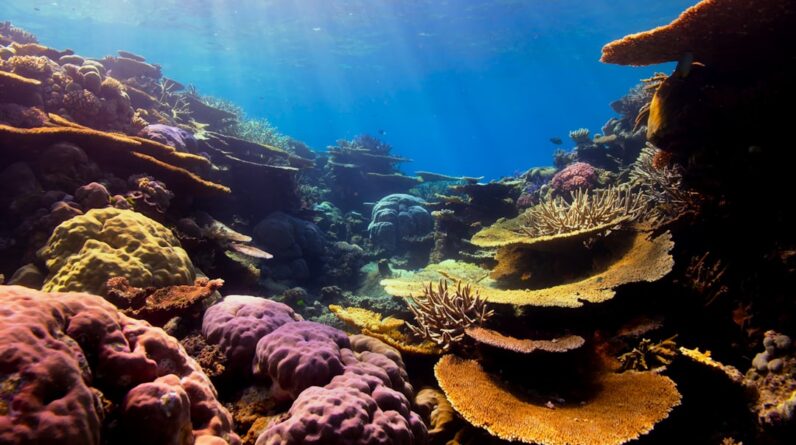
As you explore various habitats, such as coral reefs, estuaries, and open ocean environments, you will notice that each ecosystem has its unique oxygen dynamics. For instance, coral reefs thrive in well-oxygenated waters, where vibrant marine life flourishes. The presence of oxygen supports not only the growth of corals but also the myriad of fish and invertebrates that call these reefs home.
Oxygen’s Role in Nutrient Cycling and Ecosystem Balance
Oxygen plays a pivotal role in nutrient cycling within marine ecosystems. It facilitates the decomposition of organic matter, allowing nutrients to be recycled and made available for primary producers. This process is essential for maintaining productivity in marine environments. As you observe the interactions between different species, you will see how oxygen levels influence feeding behaviors, reproductive cycles, and even migration patterns. The delicate balance of oxygen in these ecosystems is a testament to nature’s complexity and resilience.
Threats to Marine Oxygen Levels

Despite its critical importance, marine oxygen levels are under threat from various human-induced factors. One of the most significant threats is eutrophication, a process driven by nutrient pollution from agricultural runoff and wastewater discharge. When excess nutrients, particularly nitrogen and phosphorus, enter coastal waters, they stimulate algal blooms that can deplete oxygen levels as they decay.
This phenomenon creates “dead zones,” areas where oxygen is so low that most marine life cannot survive. As you consider the implications of these dead zones, it becomes evident that they pose a serious risk to biodiversity and fisheries. Additionally, climate change exacerbates the decline in marine oxygen levels.
Rising sea temperatures reduce the solubility of oxygen in water, while increased stratification limits mixing between surface and deeper waters. As you reflect on these changes, it is crucial to recognize that they not only threaten marine life but also impact human communities that depend on healthy oceans for food and livelihoods. The combination of nutrient pollution and climate change creates a perfect storm for declining oxygen levels, making it imperative to address these issues urgently.
Impact of Declining Marine Oxygen on Marine Life
The consequences of declining marine oxygen levels are profound and far-reaching. As you consider the various species affected by low oxygen conditions, it becomes clear that both individual organisms and entire ecosystems suffer. Fish and other aquatic animals may experience stress or even mortality when oxygen levels drop below critical thresholds.
Species such as cod and flounder are particularly vulnerable to hypoxia, leading to shifts in population dynamics and changes in community structure. Moreover, declining oxygen levels can disrupt reproductive processes and feeding behaviors among marine organisms. For instance, many fish species rely on specific habitats with adequate oxygen for spawning.
When these areas become hypoxic, it can lead to reduced reproductive success and population declines. As you contemplate these impacts, it is essential to recognize that the loss of biodiversity in marine ecosystems can have cascading effects on food webs and ecosystem services that humans rely on.
Human Impacts on Marine Oxygen Levels
Human activities have significantly altered marine oxygen levels over the past century. Urbanization, industrialization, and agricultural practices have all contributed to increased nutrient runoff into coastal waters. As you examine these practices more closely, you will find that fertilizers used in agriculture often contain high levels of nitrogen and phosphorus.
When rain washes these nutrients into rivers and eventually into the ocean, they can trigger harmful algal blooms that deplete oxygen levels. In addition to nutrient pollution, climate change driven by greenhouse gas emissions poses a significant threat to marine oxygen levels. As temperatures rise, ocean stratification increases, limiting the mixing of oxygen-rich surface waters with deeper layers.
This phenomenon can lead to widespread hypoxia in various regions around the globe. As you reflect on these human impacts, it becomes clear that addressing them requires collective action at local, national, and global levels.
Efforts to Protect and Restore Marine Oxygen

Recognizing the importance of marine oxygen has spurred various efforts aimed at protecting and restoring healthy oxygen levels in our oceans. Governments, non-profit organizations, and local communities are increasingly collaborating to implement strategies that address nutrient pollution and promote sustainable practices. For instance, initiatives focused on reducing agricultural runoff through better land management practices can significantly improve water quality in coastal areas.
Moreover, restoration projects aimed at rehabilitating coastal ecosystems such as wetlands and mangroves can enhance their ability to filter nutrients before they reach open waters. These natural systems act as buffers against pollution while providing critical habitat for diverse marine species. As you consider these efforts, it is essential to acknowledge that protecting marine oxygen levels requires a multifaceted approach that combines science, policy, and community engagement.
The Link Between Marine Oxygen and Climate Change
The relationship between marine oxygen levels and climate change is complex and interconnected. As you explore this link further, you will find that rising global temperatures not only affect ocean temperatures but also influence circulation patterns and nutrient dynamics. Warmer waters hold less dissolved oxygen, creating conditions conducive to hypoxia in many regions.
This phenomenon is particularly concerning as climate change continues to accelerate. Furthermore, climate change impacts such as ocean acidification can also affect marine organisms’ ability to thrive in low-oxygen environments. Coral reefs are especially vulnerable; as they struggle with both warming waters and declining oxygen levels, their resilience diminishes.
Understanding this intricate relationship underscores the urgency of addressing climate change as part of any strategy aimed at preserving marine oxygen levels.
What You Can Do to Help Preserve Marine Oxygen Levels
As an individual concerned about the health of our oceans, there are several actions you can take to help preserve marine oxygen levels. First and foremost, reducing your carbon footprint can contribute to mitigating climate change impacts on marine ecosystems. Simple lifestyle changes such as using public transportation, conserving energy at home, and supporting renewable energy initiatives can make a difference.
Additionally, advocating for sustainable agricultural practices can help reduce nutrient runoff into waterways. Supporting local farmers who prioritize environmentally friendly methods or participating in community clean-up efforts can also have a positive impact on water quality. Educating yourself and others about the importance of marine ecosystems and their connection to human well-being is another powerful way to foster awareness and inspire action.
In conclusion, preserving marine oxygen levels is essential for maintaining healthy oceans and supporting diverse marine life. By understanding the importance of this vital resource and taking proactive steps to protect it, you can contribute to a more sustainable future for our planet’s oceans. Your actions matter—every effort counts in ensuring that future generations inherit vibrant and thriving marine ecosystems.
If you are interested in learning more about the importance of environmental conservation, you may also want to check out this article on how planting trees can help combat climate change. Just like marine oxygen, trees play a crucial role in maintaining the balance of our planet’s ecosystems and are essential for our survival. By understanding the interconnectedness of all living things, we can work towards a more sustainable future for all.
FAQs
What is marine oxygen and why does it matter?
Marine oxygen refers to the oxygen dissolved in the ocean, which is essential for the survival of marine life. It is produced through photosynthesis by marine plants and phytoplankton, and is crucial for the respiration of marine animals.
How does marine oxygen affect the global ecosystem?
Marine oxygen plays a vital role in regulating the Earth’s climate and supporting biodiversity. It influences the distribution of marine species, the cycling of nutrients, and the overall health of marine ecosystems.
What are the main threats to marine oxygen levels?
The main threats to marine oxygen levels include climate change, ocean acidification, eutrophication (excessive nutrient runoff), and pollution. These factors can disrupt the balance of oxygen production and consumption in the ocean.
How does marine oxygen depletion impact human society?
Marine oxygen depletion can lead to the loss of fisheries, coastal habitats, and marine biodiversity, which in turn affects food security, livelihoods, and the economy. It can also contribute to the spread of ocean “dead zones” where marine life cannot survive.
What can be done to protect marine oxygen levels?
Protecting marine oxygen levels requires addressing the root causes of its depletion, such as reducing greenhouse gas emissions, controlling nutrient runoff, and minimizing pollution. Conservation and sustainable management of marine resources are also crucial for maintaining healthy oxygen levels in the ocean.