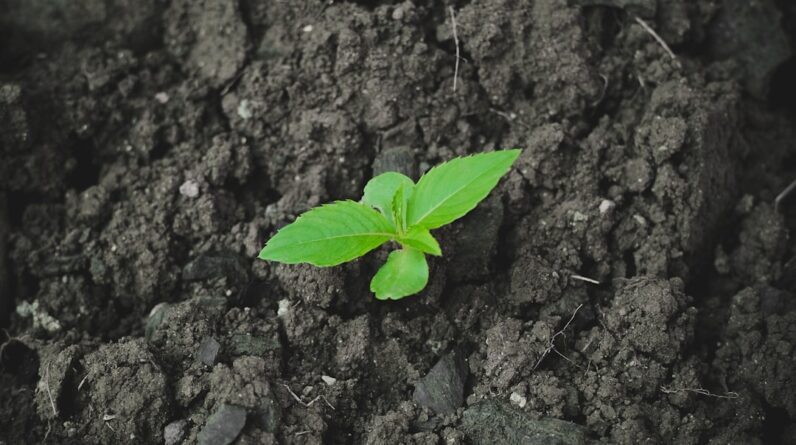
Soil health is a fundamental aspect of our environment that often goes unnoticed, yet it plays a crucial role in sustaining life on Earth. When you think about soil, you might picture dirt beneath your feet, but it is much more than that. Healthy soil is a living ecosystem teeming with microorganisms, nutrients, and organic matter that support plant growth and contribute to the overall health of our planet.
Understanding the importance of soil health is essential for anyone who relies on agriculture, gardening, or simply values the natural world. Healthy soil acts as a foundation for food production, water filtration, and carbon storage. It is a dynamic system that not only supports plant life but also influences climate regulation and biodiversity.
When soil is healthy, it can retain moisture, provide essential nutrients to plants, and support a diverse range of organisms. Conversely, degraded soil can lead to reduced agricultural productivity, increased erosion, and diminished ecosystem services. Recognizing the significance of soil health is the first step toward fostering a sustainable future for both agriculture and the environment.
Key Takeaways
- Soil health is crucial for the overall well-being of the environment and plays a vital role in sustaining life on Earth.
- Healthy soil is essential for agriculture as it provides the necessary nutrients for plant growth and helps in maintaining crop productivity.
- Soil health is integral to the functioning of ecosystems as it supports biodiversity, nutrient cycling, and water filtration.
- The connection between soil health and human health is significant as it affects the quality of food, water, and air that humans rely on.
- Factors such as erosion, pollution, deforestation, and improper land management practices can negatively impact soil health, leading to long-term consequences for the environment and human well-being.
The Impact of Soil Health on Agriculture
The relationship between soil health and agriculture is profound and multifaceted. As a farmer or gardener, you may already understand that the quality of your soil directly affects crop yields and the overall success of your endeavors. Healthy soil is rich in organic matter, which enhances its ability to retain moisture and nutrients.
This means that when you cultivate healthy soil, you are not only improving your immediate harvest but also ensuring long-term sustainability for your land. Moreover, healthy soil contributes to pest and disease resistance in crops. When soil is biologically active and balanced, it fosters a diverse community of microorganisms that can outcompete harmful pathogens.
This natural defense mechanism reduces the need for chemical pesticides, promoting a more environmentally friendly approach to agriculture. By prioritizing soil health, you can create a resilient farming system that thrives even in the face of challenges such as climate change and resource scarcity.
The Role of Soil Health in Ecosystems

Soil health extends beyond agricultural practices; it is integral to the functioning of entire ecosystems. As you explore natural landscapes, consider how soil serves as a habitat for countless organisms, from earthworms to fungi. These organisms play vital roles in nutrient cycling, decomposition, and the formation of soil structure.
A healthy soil ecosystem supports biodiversity, which in turn contributes to the resilience of the environment. In addition to supporting life above ground, healthy soil also plays a critical role in water management. It acts as a sponge, absorbing rainfall and reducing runoff, which helps prevent flooding and erosion.
When soil is healthy, it can filter pollutants from water before they reach rivers and lakes, contributing to cleaner water sources. By understanding the interconnectedness of soil health and ecosystem dynamics, you can appreciate the broader implications of maintaining healthy soils for the planet’s well-being.
The Connection Between Soil Health and Human Health
The link between soil health and human health is often overlooked but is undeniably significant. As you consume food grown in healthy soils, you are directly benefiting from the nutrients and minerals that these soils provide. Nutrient-rich crops not only support your physical health but also contribute to overall well-being.
Conversely, when soils are depleted or contaminated, the food produced can lack essential nutrients or contain harmful substances. Furthermore, healthy soils contribute to clean air and water—two critical components of human health. By supporting biodiversity and ecosystem services, healthy soils help mitigate climate change impacts and reduce pollution levels.
As you consider your own health and that of your community, it becomes clear that advocating for soil health is not just an environmental issue; it is a public health concern as well.
Factors Affecting Soil Health
Several factors influence soil health, and understanding them can empower you to make informed decisions about land management practices. One of the most significant factors is organic matter content. Soils rich in organic matter tend to be more fertile and better at retaining moisture.
Practices such as composting and cover cropping can enhance organic matter levels, promoting healthier soils. Another critical factor is soil structure. Well-structured soils allow for better air circulation and root penetration, which are essential for plant growth.
Compaction from heavy machinery or overgrazing can degrade soil structure, leading to reduced productivity. Additionally, pH levels play a vital role in nutrient availability; soils that are too acidic or alkaline can hinder plant growth. By monitoring these factors and implementing appropriate management strategies, you can significantly improve soil health on your land.
Sustainable Practices for Maintaining Soil Health

To maintain and enhance soil health, adopting sustainable practices is essential. You might consider implementing crop rotation as a way to diversify plant species and break pest cycles. By rotating crops, you can improve nutrient cycling and reduce the risk of disease buildup in the soil.
This practice not only benefits your immediate harvest but also contributes to long-term soil vitality. Another effective strategy is the use of cover crops. These plants are grown during off-seasons to protect the soil from erosion and improve its structure.
Cover crops can also enhance organic matter content as they decompose, enriching the soil with nutrients. Additionally, minimizing tillage can help preserve soil structure and prevent erosion by maintaining the natural habitat for beneficial organisms. By integrating these sustainable practices into your routine, you can foster healthier soils that will support future generations.
The Future of Soil Health
Looking ahead, the future of soil health is both promising and challenging. As awareness grows about the importance of healthy soils in combating climate change and ensuring food security, more individuals and organizations are advocating for sustainable practices. You may find yourself part of a larger movement focused on regenerative agriculture, which aims to restore degraded soils while enhancing biodiversity.
However, challenges remain. Urbanization, industrial agriculture, and climate change continue to threaten soil health worldwide. As you engage with these issues, consider how your actions—whether through advocacy, education, or personal choices—can contribute to a healthier planet.
The future of soil health depends on collective efforts to prioritize sustainable land management practices that protect this vital resource.
The Vital Role of Soil Health
In conclusion, soil health is an essential component of our environment that impacts agriculture, ecosystems, human health, and future sustainability. As you reflect on the importance of healthy soils in your own life—whether through gardening, farming, or simply enjoying nature—you can appreciate the intricate connections that bind us all together. By prioritizing soil health through sustainable practices and advocacy, you contribute to a healthier planet for yourself and future generations.
Recognizing the vital role of soil health empowers you to take action in your community and beyond. Whether it’s through educating others about sustainable practices or making conscious choices in your own gardening or farming efforts, every action counts. Together, we can foster a world where healthy soils thrive—ensuring food security, environmental resilience, and improved human health for years to come.
In a related article on Live Life with a Cause, the importance of living with purpose and making a positive impact on the world is discussed in Live Life with Purpose: Good Purpose. Just as soil health is crucial for the well-being of our planet, having a sense of purpose and contributing to a greater cause can lead to a more fulfilling and meaningful life. By understanding the interconnectedness of all living things, as explored in Biodiversity Reservoir by Having Healthy Forest, we can see how our actions impact the environment and the world around us. It is essential to recognize the root of the matter and prioritize soil health, just as we should prioritize living with purpose and making a positive impact on our planet.
FAQs
What is soil health?
Soil health refers to the overall condition of the soil, including its physical, chemical, and biological properties. Healthy soil is able to sustain plant and animal life, maintain environmental quality, and support human health and well-being.
Why is soil health important?
Soil health is important because it directly impacts the productivity of agricultural systems, the quality of the food we eat, and the overall health of the environment. Healthy soil also plays a crucial role in mitigating climate change by sequestering carbon and regulating water and nutrient cycles.
How does soil health affect food production?
Healthy soil provides essential nutrients and a supportive environment for plant growth, leading to higher crop yields and better quality produce. It also helps to reduce the need for synthetic fertilizers and pesticides, which can have negative impacts on human health and the environment.
What are some indicators of soil health?
Indicators of soil health include soil organic matter content, microbial activity, soil structure, water infiltration rates, and nutrient cycling. These indicators can be used to assess the overall health and fertility of the soil.
How can we improve soil health?
Improving soil health involves practices such as crop rotation, cover cropping, reduced tillage, and the use of organic amendments. These practices help to build soil organic matter, enhance microbial diversity, and improve soil structure, leading to healthier and more productive soils.