When you think about the ocean, you might picture vast blue waters teeming with life, but have you ever considered the critical role it plays in producing oxygen? Marine oxygen production is primarily driven by phytoplankton, microscopic organisms that inhabit the upper layers of the ocean. These tiny powerhouses perform photosynthesis, converting sunlight and carbon dioxide into oxygen, which is essential not only for marine life but also for the survival of all terrestrial organisms, including humans.
In fact, it is estimated that marine plants contribute to over 50% of the Earth’s oxygen supply. This makes the health of our oceans directly linked to the air we breathe. Moreover, the importance of marine oxygen production extends beyond just providing breathable air.
Healthy marine ecosystems contribute to climate regulation by absorbing carbon dioxide, thus mitigating the effects of climate change. The ocean acts as a carbon sink, helping to stabilize global temperatures and maintain ecological balance. As you reflect on these interconnected systems, it becomes clear that protecting marine oxygen production is not just an environmental issue; it is a matter of global health and sustainability.
Key Takeaways
- Marine oxygen production is crucial for the health of our planet, as it supports marine life and helps regulate the Earth’s climate.
- Threats to marine oxygen production include pollution, overfishing, and climate change, which can lead to dead zones and harm marine ecosystems.
- Community-led initiatives play a vital role in protecting marine oxygen production, as local efforts can have a significant impact on conservation and sustainability.
- Successful examples of community-led initiatives include beach clean-ups, marine protected areas, and sustainable fishing practices that help preserve marine oxygen production.
- Education and awareness are essential in protecting marine oxygen production, as they can empower communities to take action and make informed decisions about marine conservation.
Threats to Marine Oxygen Production
Despite its significance, marine oxygen production faces numerous threats that jeopardize its ability to sustain life on Earth. One of the most pressing issues is climate change, which leads to rising ocean temperatures and altered salinity levels. These changes can disrupt the delicate balance of marine ecosystems, affecting phytoplankton growth and distribution.
As temperatures rise, certain species may thrive while others decline, leading to a decrease in overall biodiversity and a reduction in oxygen production. In addition to climate change, pollution poses a significant threat to marine oxygen production. Nutrient runoff from agricultural practices often leads to eutrophication, a process where excess nutrients cause algal blooms.
While some algae can produce oxygen, many blooms are harmful and can deplete oxygen levels in the water, creating dead zones where marine life cannot survive. This cycle of pollution and oxygen depletion highlights the urgent need for action to protect our oceans and ensure they can continue to provide the oxygen necessary for life.
Community-Led Initiatives to Protect Marine Oxygen Production

In response to these threats, communities around the world are stepping up to protect marine oxygen production through grassroots initiatives. These community-led efforts often focus on local education, conservation practices, and sustainable resource management. By engaging local populations in the stewardship of their marine environments, these initiatives foster a sense of ownership and responsibility toward preserving vital ecosystems.
One effective approach is the establishment of marine protected areas (MPAs), where communities work together to restrict harmful activities such as overfishing and pollution. These areas serve as sanctuaries for marine life, allowing ecosystems to recover and thrive. By involving local stakeholders in the decision-making process, these initiatives not only empower communities but also enhance the effectiveness of conservation efforts.
Examples of Successful Community-Led Initiatives
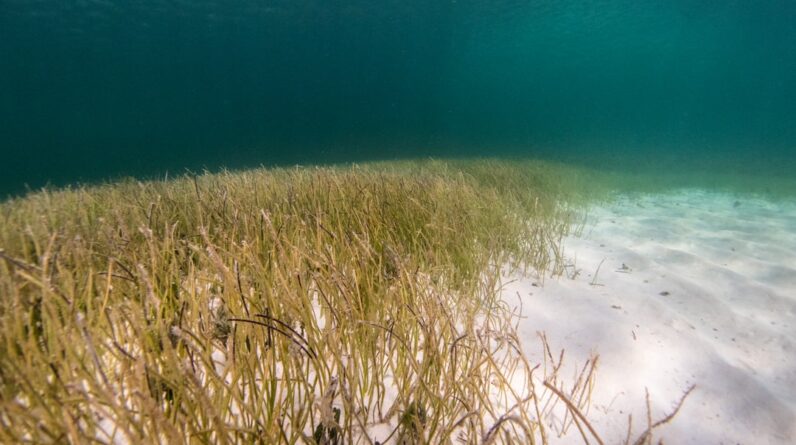
There are numerous inspiring examples of successful community-led initiatives that have made a significant impact on marine oxygen production. One such initiative is the “Blue Carbon” project in coastal regions, where communities are actively restoring mangroves and seagrasses. These ecosystems are known for their ability to sequester carbon and produce oxygen, making them vital for combating climate change.
By engaging local fishermen and residents in restoration efforts, these projects not only enhance biodiversity but also provide economic benefits through sustainable fishing practices. Another noteworthy example is the “Ocean Guardians” program in various coastal towns, where community members participate in regular beach clean-ups and monitoring of local water quality. These initiatives raise awareness about pollution’s impact on marine ecosystems and encourage responsible waste management practices.
By fostering a culture of environmental stewardship, these communities are taking proactive steps to protect their oceans and ensure continued oxygen production.
The Role of Education and Awareness in Protecting Marine Oxygen Production
Education plays a crucial role in protecting marine oxygen production by equipping individuals with the knowledge needed to make informed decisions about their environment. When you understand the importance of marine ecosystems and their role in oxygen production, you are more likely to engage in conservation efforts. Schools, community organizations, and local governments can collaborate to create educational programs that highlight the significance of healthy oceans.
Awareness campaigns can also be instrumental in mobilizing communities to take action. By sharing information about the threats facing marine oxygen production and showcasing successful initiatives, you can inspire others to get involved. Social media platforms and community events can serve as powerful tools for spreading awareness and fostering a collective commitment to protecting our oceans.
Collaboration with Government and Non-Governmental Organizations

While community-led initiatives are vital for protecting marine oxygen production, collaboration with government agencies and non-governmental organizations (NGOs) can amplify these efforts. By working together, communities can access resources, expertise, and funding that may not be available at the local level. This collaboration can lead to more comprehensive conservation strategies that address both local needs and broader environmental challenges.
Governments can support community initiatives by implementing policies that promote sustainable practices and protect marine ecosystems. For instance, providing incentives for sustainable fishing or funding for restoration projects can encourage communities to prioritize conservation efforts. NGOs can also play a crucial role by offering technical assistance, facilitating training programs, and connecting communities with larger networks focused on marine conservation.
Sustainable Practices for Marine Conservation
Adopting sustainable practices is essential for ensuring the long-term health of marine ecosystems and their ability to produce oxygen. As an individual or community member, you can contribute by making conscious choices that minimize your impact on the environment. For example, reducing plastic use helps prevent pollution that harms marine life and disrupts oxygen production.
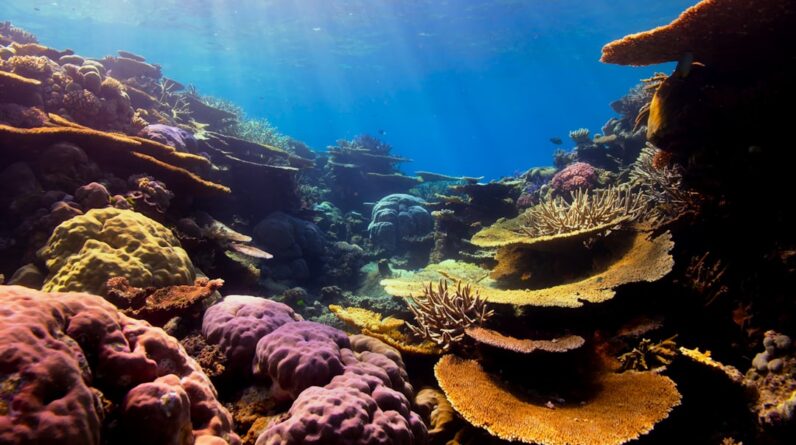
Sustainable fishing practices are another critical aspect of marine conservation. By supporting local fisheries that prioritize responsible harvesting methods, you can help maintain fish populations and promote ecosystem health. Additionally, advocating for policies that protect critical habitats such as coral reefs and mangroves can further enhance marine oxygen production.
The Future of Community-Led Initiatives for Marine Oxygen Production
Looking ahead, the future of community-led initiatives for marine oxygen production appears promising but requires ongoing commitment and collaboration. As awareness of environmental issues continues to grow, more individuals are likely to engage in conservation efforts at the local level. This grassroots movement can lead to significant changes in how communities interact with their marine environments.
However, sustaining momentum will require continuous education and advocacy. Communities must remain vigilant against emerging threats such as climate change and pollution while fostering a culture of stewardship among younger generations. By investing in education and promoting sustainable practices, you can help ensure that future generations inherit healthy oceans capable of producing the oxygen necessary for life on Earth.
In conclusion, protecting marine oxygen production is a multifaceted challenge that requires collective action from individuals, communities, governments, and organizations alike. By understanding its importance, recognizing threats, participating in community-led initiatives, and advocating for sustainable practices, you can play a vital role in safeguarding our oceans for future generations. The journey toward healthier marine ecosystems begins with you—your actions today can make a difference tomorrow.
A related article to Community-Led Initiatives That Protect Marine Oxygen Production is “Combatting Global Warming by Massive Tree Planting.” This article discusses the importance of reforestation in combating climate change and highlights the positive impact that planting trees can have on the environment. To learn more about how tree planting can help address global warming, you can read the article here.
FAQs
What are community-led initiatives for protecting marine oxygen production?
Community-led initiatives for protecting marine oxygen production are efforts and projects organized and implemented by local communities to address the threats to marine oxygen production, such as pollution, overfishing, and climate change. These initiatives involve the active participation of community members in conservation and sustainable management of marine resources.
Why are community-led initiatives important for protecting marine oxygen production?
Community-led initiatives are important for protecting marine oxygen production because they empower local communities to take ownership of the conservation and sustainable management of marine resources. By involving local stakeholders, these initiatives can lead to more effective and sustainable solutions to the threats facing marine oxygen production.
What are some examples of community-led initiatives for protecting marine oxygen production?
Examples of community-led initiatives for protecting marine oxygen production include community-based marine protected areas, sustainable fishing practices implemented by local fisherfolk, coastal clean-up campaigns organized by community groups, and educational programs on marine conservation and sustainable resource management led by local organizations.
How do community-led initiatives contribute to the protection of marine oxygen production?
Community-led initiatives contribute to the protection of marine oxygen production by raising awareness about the importance of marine ecosystems, promoting sustainable practices, and fostering a sense of stewardship among local communities. These initiatives also help to address the root causes of threats to marine oxygen production, such as pollution and overexploitation of marine resources.
What are the benefits of community-led initiatives for protecting marine oxygen production?
The benefits of community-led initiatives for protecting marine oxygen production include improved marine ecosystem health, increased resilience to environmental challenges, enhanced livelihoods for local communities dependent on marine resources, and the preservation of biodiversity. Additionally, these initiatives can foster a sense of community pride and empowerment.