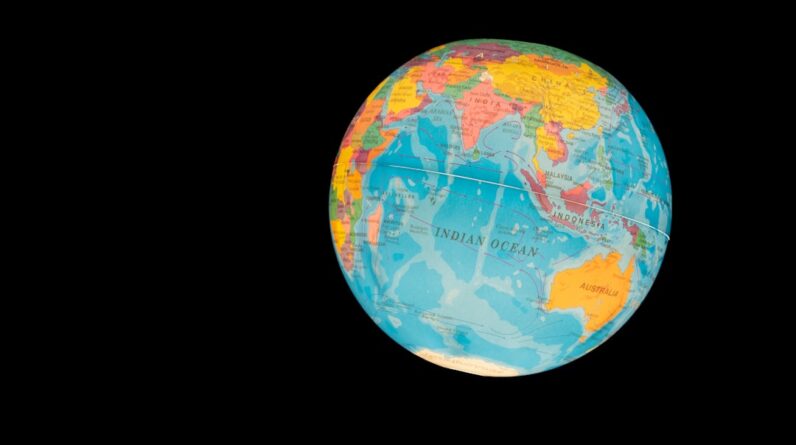
The International Day of the Ocean, celebrated annually on June 8th, serves as a vital reminder of the significance of our oceans and the myriad ways they influence life on Earth. This day is not merely a celebration; it is an opportunity for you to reflect on the critical role oceans play in regulating climate, supporting biodiversity, and providing resources essential for human survival. By recognizing this day, you join a global movement aimed at raising awareness about the challenges facing our oceans and the urgent need for collective action to protect them.
As you engage with the themes of this day, consider how interconnected your life is with the health of the oceans. From the air you breathe to the food you consume, oceans are integral to your existence. They produce over half of the world’s oxygen and are home to countless species that contribute to ecological balance.
The International Day of the Ocean encourages you to think about your relationship with these vast bodies of water and inspires you to advocate for their preservation. It is a call to action, urging individuals, communities, and nations to unite in safeguarding this precious resource for future generations.
Key Takeaways
- The International Day of the Ocean is important for raising awareness about the significance of the ocean and the need to protect it.
- The ocean plays a crucial role in producing oxygen through processes like photosynthesis and phytoplankton.
- Phytoplankton are key in oxygen production as they produce a large portion of the world’s oxygen through photosynthesis.
- Climate change has a significant impact on ocean oxygen levels, leading to potential consequences for marine life and ecosystems.
- Human activities such as pollution and overfishing can negatively affect ocean oxygen production, highlighting the need for sustainable practices.
- Protecting and sustaining ocean oxygen levels is essential for the health of marine life and the overall balance of the planet.
- Celebrating International Day of the Ocean promotes awareness and encourages action to protect and preserve the ocean and its oxygen levels.
- Taking steps towards a healthier ocean and a sustainable future involves collective efforts to reduce pollution, combat climate change, and promote responsible ocean stewardship.
Understanding Oxygen Production in the Ocean
Oceans are often referred to as the lungs of our planet, a title that underscores their crucial role in oxygen production. Approximately 70% of Earth’s surface is covered by water, and within these waters lies a complex ecosystem that generates a significant portion of the oxygen you breathe. The ocean’s ability to produce oxygen is primarily attributed to photosynthetic organisms, which convert sunlight into energy while releasing oxygen as a byproduct.
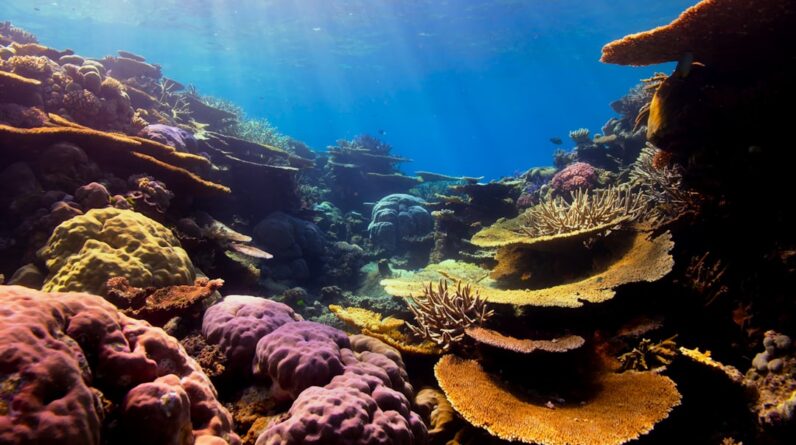
This process is not only vital for marine life but also for terrestrial organisms, including humans. As you delve deeper into the mechanics of oxygen production in the ocean, it becomes clear that this process is intricately linked to various environmental factors. The health of marine ecosystems, such as coral reefs and seagrass beds, directly influences oxygen levels.
Additionally, factors like water temperature, nutrient availability, and light penetration play critical roles in determining how effectively these ecosystems can produce oxygen. Understanding these dynamics is essential for recognizing how changes in ocean health can impact global oxygen levels and, consequently, life on Earth.
The Role of Phytoplankton in Oxygen Production

Phytoplankton are microscopic organisms that float in the upper layers of the ocean and are among the most significant contributors to oxygen production. These tiny plants harness sunlight through photosynthesis, converting carbon dioxide and water into glucose and oxygen. In fact, it is estimated that phytoplankton are responsible for producing about 50% of the world’s oxygen supply.
As you learn about these remarkable organisms, you may find yourself marveling at their resilience and adaptability in various marine environments. The importance of phytoplankton extends beyond oxygen production; they form the foundation of the marine food web. As primary producers, they serve as a crucial food source for a variety of marine species, from tiny zooplankton to large whales.
Their health and abundance are indicators of oceanic conditions and can reflect broader environmental changes. By understanding the role of phytoplankton in both oxygen production and marine ecosystems, you can appreciate their significance in maintaining ocean health and stability.
The Impact of Climate Change on Ocean Oxygen Levels
Climate change poses a significant threat to ocean oxygen levels, with rising temperatures and changing ocean chemistry leading to concerning trends. As global temperatures increase, so do ocean temperatures, which can reduce the solubility of oxygen in seawater. Warmer waters hold less oxygen, creating hypoxic conditions that can be detrimental to marine life.
As you consider these implications, it becomes evident that climate change is not just an abstract concept; it has tangible effects on the very air you breathe. Moreover, climate change exacerbates other stressors on marine ecosystems, such as ocean acidification and nutrient runoff from land. These factors can lead to algal blooms that deplete oxygen levels in coastal areas, creating dead zones where marine life cannot survive.
Understanding how climate change impacts ocean oxygen levels is crucial for recognizing the urgency of addressing global warming and its associated effects. As you become more aware of these challenges, you may feel compelled to advocate for policies that mitigate climate change and protect ocean health.
Human Activities and Their Effects on Ocean Oxygen Production
Human activities have far-reaching consequences for ocean ecosystems and their ability to produce oxygen. Overfishing, pollution, and coastal development disrupt marine habitats and threaten the delicate balance necessary for healthy phytoplankton populations. For instance, excessive nutrient runoff from agricultural practices can lead to eutrophication—a process that stimulates algal blooms but ultimately depletes oxygen levels in the water.
As you reflect on these impacts, it becomes clear that your choices and actions can contribute to either the degradation or preservation of ocean health. Additionally, industrial activities contribute to pollution that can harm marine life and disrupt photosynthetic processes. Plastics and chemicals entering the ocean can have toxic effects on phytoplankton and other organisms essential for oxygen production.
By understanding how human activities influence ocean ecosystems, you can become more mindful of your own impact on these environments. Whether through reducing plastic use or supporting sustainable fishing practices, your actions can play a role in promoting healthier oceans.
Protecting and Sustaining Ocean Oxygen Levels

Protecting and sustaining ocean oxygen levels requires a multifaceted approach that involves individuals, communities, governments, and organizations working together toward common goals. One effective strategy is the establishment of marine protected areas (MPAs), which safeguard critical habitats from destructive activities such as overfishing and pollution. By creating safe havens for marine life, MPAs help maintain biodiversity and support healthy ecosystems capable of producing oxygen.
In addition to MPAs, promoting sustainable practices in agriculture and industry can significantly reduce nutrient runoff and pollution entering our oceans. You can contribute by supporting local farmers who use environmentally friendly practices or advocating for policies that prioritize sustainability. Education also plays a crucial role; by raising awareness about the importance of ocean health and its connection to oxygen production, you can inspire others to take action as well.
Celebrating International Day of the Ocean: Promoting Awareness and Action
The International Day of the Ocean provides an excellent platform for promoting awareness about ocean health and its critical role in sustaining life on Earth. On this day, various events are organized worldwide—ranging from beach clean-ups to educational workshops—that encourage individuals like you to engage with ocean conservation efforts actively. Participating in these events not only raises awareness but also fosters a sense of community among those who share a passion for protecting our oceans.
As you celebrate this day, consider how you can amplify its message within your own circles. Sharing information on social media or organizing local events can help spread awareness about the importance of ocean conservation. By taking part in discussions about sustainable practices and advocating for policies that protect marine environments, you contribute to a larger movement dedicated to preserving our oceans for future generations.
Taking Steps Towards a Healthier Ocean and a Sustainable Future
Taking steps toward a healthier ocean involves both individual actions and collective efforts aimed at fostering sustainability. You can start by making small changes in your daily life—reducing plastic consumption, supporting sustainable seafood choices, or participating in local conservation initiatives. Each action contributes to a larger goal of protecting ocean ecosystems and ensuring they continue to produce oxygen vital for all life forms.
Moreover, advocating for systemic change is equally important. Engaging with policymakers to support legislation that addresses climate change and promotes sustainable practices can lead to significant improvements in ocean health. By staying informed about environmental issues and participating in community efforts aimed at protecting marine environments, you play an essential role in shaping a sustainable future for our oceans—and ultimately for yourself and generations to come.
In conclusion, as you reflect on the importance of the International Day of the Ocean and its themes surrounding oxygen production, climate change impacts, human activities, and conservation efforts, remember that your actions matter. By understanding your connection to the oceans and taking steps toward their protection, you contribute to a healthier planet for all living beings.
In celebration of International Day of the Ocean, it is important to recognize the crucial role that oxygen production plays in sustaining marine life. One related article that highlights the importance of oxygen production in combating climate change is Livelifewithacause.org.
FAQs
What is the International Day of the Ocean?
The International Day of the Ocean is a United Nations-recognized day that aims to raise awareness about the importance of the ocean and promote sustainable management of its resources.
When is the International Day of the Ocean celebrated?
The International Day of the Ocean is celebrated annually on June 8th.
What is the focus of the International Day of the Ocean in relation to oxygen production?
The focus of the International Day of the Ocean in relation to oxygen production is to highlight the crucial role of the ocean in producing oxygen through processes such as photosynthesis by marine plants and phytoplankton.
Why is oxygen production in the ocean important?
Oxygen production in the ocean is important because it contributes significantly to the Earth’s oxygen supply, supporting marine life and helping to regulate the planet’s climate.
How does the ocean produce oxygen?
The ocean produces oxygen through photosynthesis, a process carried out by marine plants, algae, and phytoplankton. These organisms use sunlight to convert carbon dioxide and water into oxygen and organic compounds.
What are some threats to oxygen production in the ocean?
Some threats to oxygen production in the ocean include pollution, climate change, and ocean acidification, which can negatively impact the health and abundance of marine plants and phytoplankton.