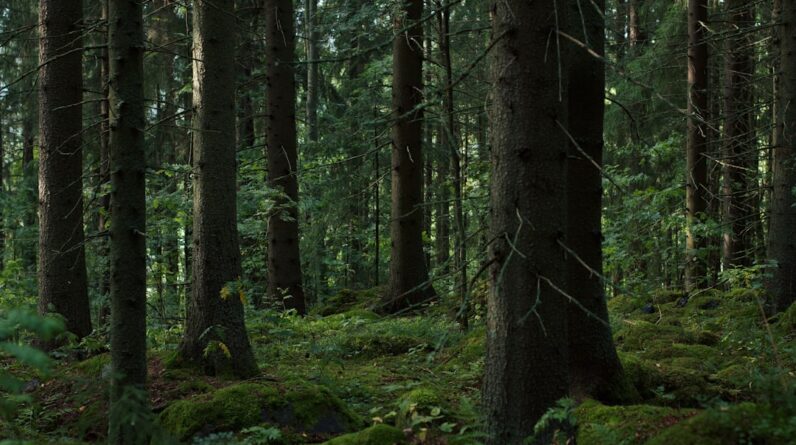
You may have heard of the Butterfly Effect, a concept that suggests small actions can lead to significant consequences. This idea resonates deeply in the context of reforestation, where the act of planting a single tree can set off a chain reaction that benefits entire ecosystems. Reforestation is not merely about planting trees; it is about restoring balance to our environment and fostering a healthier planet.
As you delve into the intricate relationship between reforestation and biodiversity, you will discover how these two elements are intertwined, creating a ripple effect that can lead to profound ecological changes. The importance of reforestation cannot be overstated. In a world increasingly affected by climate change, deforestation, and habitat loss, the act of replanting trees serves as a beacon of hope.
It is a proactive measure that individuals and communities can take to combat environmental degradation. By understanding the Butterfly Effect in this context, you can appreciate how your efforts, no matter how small, contribute to a larger movement aimed at restoring our planet’s health. Each tree planted is a step toward revitalizing ecosystems, enhancing biodiversity, and ultimately ensuring a sustainable future for generations to come.
Key Takeaways
- Reforestation plays a crucial role in combating climate change by sequestering carbon and restoring ecosystems.
- Reforestation has a direct impact on biodiversity, as it provides habitats for a wide variety of plant and animal species.
- The butterfly effect of reforestation can be seen in the way it positively impacts ecosystems, from improving soil quality to regulating water cycles.
- Case studies have shown successful reforestation efforts leading to the restoration of degraded landscapes and the return of native species.
- The future of reforestation and biodiversity depends on addressing challenges and seizing opportunities, such as sustainable land management and community involvement.
The Connection Between Reforestation and Biodiversity
As you explore the connection between reforestation and biodiversity, it becomes clear that these two concepts are inextricably linked. Biodiversity refers to the variety of life forms within a given ecosystem, encompassing everything from plants and animals to microorganisms. When you engage in reforestation efforts, you are not just adding trees to the landscape; you are creating habitats for countless species.
This restoration of natural environments allows for the resurgence of flora and fauna that may have been displaced or diminished due to human activities. Moreover, reforestation plays a crucial role in enhancing genetic diversity within ecosystems. When you plant diverse species of trees, you create a more resilient environment capable of withstanding diseases and climate fluctuations.
This genetic diversity is essential for the survival of various species, as it allows them to adapt to changing conditions. By participating in reforestation initiatives, you contribute to a richer tapestry of life that supports not only individual species but also the intricate web of interactions that sustain ecosystems.
How Reforestation Impacts Ecosystems
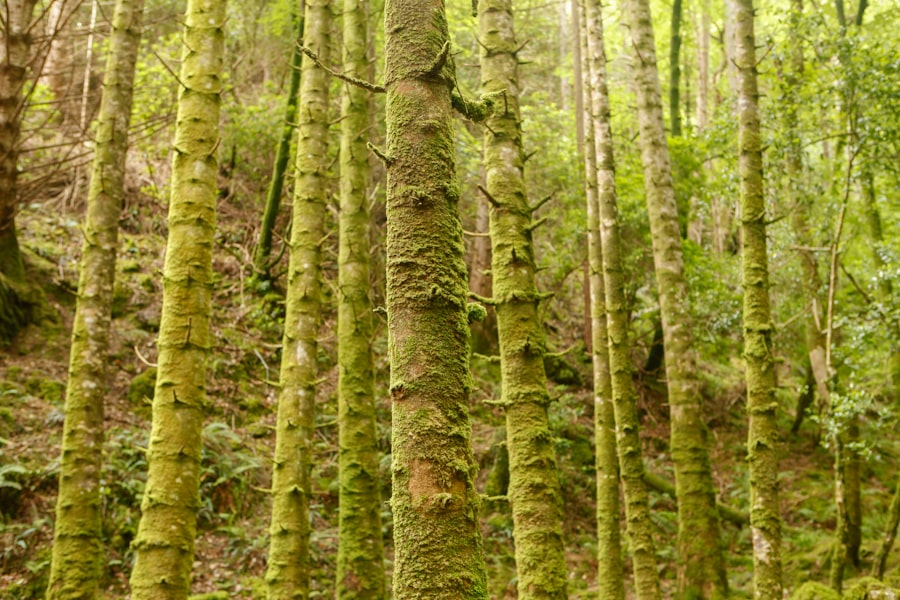
The impact of reforestation on ecosystems is profound and multifaceted. When you plant trees, you initiate a process that can lead to improved soil quality, increased water retention, and enhanced air quality. Trees act as natural filters, absorbing pollutants and releasing oxygen, which benefits all living organisms.
As you witness the growth of newly planted trees, you may notice how they attract various wildlife species, creating a vibrant community that thrives on mutual support. Additionally, reforestation helps mitigate soil erosion, a significant issue in many deforested areas. The roots of trees anchor the soil, preventing it from washing away during heavy rains.
This stabilization not only protects the land but also promotes the health of nearby water bodies by reducing sedimentation. As you engage in reforestation efforts, you become part of a larger solution that addresses environmental challenges while fostering healthier ecosystems.
Case Studies: Reforestation Success Stories
To truly appreciate the impact of reforestation, consider some inspiring case studies that highlight successful initiatives around the globe. One notable example is the reforestation project in Ethiopia known as the “Green Legacy Initiative.” Launched in 2019, this ambitious program aims to plant billions of trees across the country to combat deforestation and climate change. As you learn about this initiative, you will see how it has not only restored vast areas of degraded land but also provided livelihoods for local communities through sustainable forestry practices.
Another remarkable success story comes from Costa Rica, where extensive reforestation efforts have transformed the landscape over the past few decades. Once plagued by deforestation, Costa Rica has become a global leader in conservation and sustainable land management. You may find it inspiring to know that through government policies and community engagement, the country has increased its forest cover from around 21% in the 1980s to over 50% today.
This transformation has led to a resurgence of biodiversity and has positioned Costa Rica as a model for other nations seeking to restore their natural environments.
The Role of Biodiversity in Ecosystem Health
Biodiversity plays an essential role in maintaining ecosystem health and resilience. As you delve deeper into this topic, you’ll discover that diverse ecosystems are better equipped to withstand environmental stressors such as climate change, disease outbreaks, and invasive species. When you support reforestation efforts that prioritize biodiversity, you contribute to creating ecosystems that can adapt and thrive despite challenges.
Furthermore, biodiversity enhances ecosystem services that are vital for human survival. These services include pollination of crops, purification of water, and regulation of climate. By fostering diverse plant and animal life through reforestation, you help ensure that these essential services continue to function effectively.
The interconnectedness of species within an ecosystem means that the loss of even one can have cascading effects on others. Therefore, your commitment to promoting biodiversity through reforestation is not just an environmental concern; it is also a matter of human well-being.
The Importance of Reforestation in Combating Climate Change

Reforestation is increasingly recognized as a powerful tool in the fight against climate change. As you consider the role trees play in sequestering carbon dioxide from the atmosphere, it becomes evident that planting trees is one of the most effective strategies for mitigating greenhouse gas emissions. Each tree absorbs carbon dioxide during photosynthesis, storing carbon in its biomass and releasing oxygen back into the air.
By participating in reforestation projects, you actively contribute to reducing atmospheric carbon levels. Moreover, reforested areas can help regulate local climates by influencing temperature and precipitation patterns. Trees provide shade and release moisture through transpiration, creating microclimates that can benefit surrounding flora and fauna.
As you engage in these efforts, you become part of a larger movement aimed at addressing climate change while promoting ecological balance. The positive feedback loop created by reforestation not only helps combat global warming but also fosters healthier ecosystems that can adapt to changing conditions.
Challenges and Opportunities in Reforestation Efforts
While reforestation presents numerous benefits, it is not without its challenges. As you explore this topic further, you’ll encounter obstacles such as funding limitations, land tenure issues, and the need for community engagement. Many reforestation projects struggle to secure adequate financial resources or face resistance from local populations who may not see immediate benefits from tree planting initiatives.
Understanding these challenges is crucial for developing effective strategies that ensure long-term success. However, with challenges come opportunities for innovation and collaboration. You may find it encouraging to know that advancements in technology are making it easier to monitor reforestation efforts and assess their impact on biodiversity and ecosystem health.
Drones and satellite imagery can provide valuable data on tree growth and land use changes over time. Additionally, partnerships between governments, non-profit organizations, and local communities can create synergies that enhance the effectiveness of reforestation initiatives. By staying informed about these developments and actively participating in local efforts, you can help overcome challenges and seize opportunities for meaningful change.
The Future of Reforestation and Biodiversity
As you reflect on the future of reforestation and biodiversity, it becomes clear that your actions today can shape the world of tomorrow. The interconnectedness of these two concepts underscores the importance of collective efforts in restoring our planet’s health. By engaging in reforestation initiatives, advocating for policies that support sustainable land management, and raising awareness about the significance of biodiversity, you contribute to a brighter future for both people and nature.
The journey toward restoring ecosystems is ongoing, but with each tree planted and each community engaged, progress is being made. You have the power to be part of this transformative movement—one that not only addresses pressing environmental issues but also fosters resilience and hope for future generations. Embrace the Butterfly Effect; your small actions can lead to monumental changes in our world’s ecological landscape.
Together, we can cultivate a thriving planet where biodiversity flourishes alongside human development.
The Butterfly Effect: How Reforestation Triggers Biodiversity Booms explores the positive impact of tree planting on biodiversity and ecosystem health. For more information on combatting global warming through massive tree planting, check out this related article. It delves into the importance of reforestation in mitigating climate change and preserving our planet’s natural resources.
FAQs
What is the butterfly effect in the context of reforestation?
The butterfly effect in the context of reforestation refers to the idea that small actions, such as planting trees, can have far-reaching and significant impacts on the environment and biodiversity.
How does reforestation trigger biodiversity booms?
Reforestation provides habitat for a wide variety of plant and animal species, which in turn leads to an increase in biodiversity. As trees and other vegetation grow, they create a more complex and diverse ecosystem that can support a greater number of species.
What are some examples of biodiversity booms resulting from reforestation?
Examples of biodiversity booms resulting from reforestation include the return of native plant species, the resurgence of animal populations, and the establishment of new ecological communities within the reforested area.
What are the environmental benefits of reforestation beyond biodiversity booms?
Reforestation can help mitigate climate change by absorbing carbon dioxide from the atmosphere, improving air and water quality, preventing soil erosion, and providing valuable ecosystem services such as pollination and natural pest control.
How can individuals and organizations contribute to reforestation efforts?
Individuals and organizations can contribute to reforestation efforts by participating in tree planting initiatives, supporting conservation organizations that focus on reforestation, and advocating for policies that promote sustainable land use and forest management.