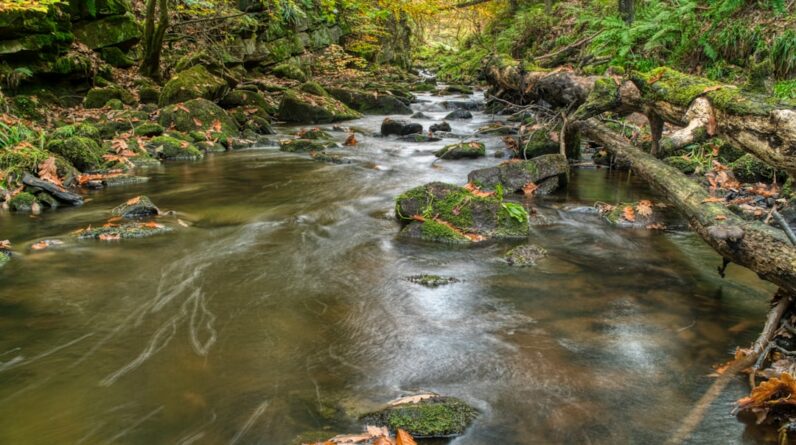
Forests play a crucial role in the conservation of water resources, acting as natural sponges that absorb rainfall and regulate water flow. When you think about forests, you might picture towering trees and lush undergrowth, but their significance extends far beyond aesthetics. They are vital ecosystems that help maintain the balance of our water systems.
By capturing precipitation, forests reduce surface runoff, which can lead to soil erosion and sedimentation in rivers and lakes. This process not only protects water quality but also ensures that groundwater supplies are replenished, providing a sustainable source of drinking water for communities. Moreover, forests contribute to the overall health of watersheds.
A watershed is an area of land where all the water drains into a common body of water, such as a river or lake. When you consider the interconnectedness of ecosystems, it becomes clear that forests are essential for maintaining the integrity of these watersheds. They help to filter pollutants and sediments from water before it reaches larger bodies, ensuring that the water remains clean and safe for both human consumption and wildlife.
The preservation of forests is therefore not just an environmental concern; it is a matter of public health and safety.
Key Takeaways
- Forests play a crucial role in water conservation by regulating water flow, reducing erosion, and maintaining water quality.
- Trees act as natural filters, removing pollutants and sediment from water, contributing to cleaner and healthier water sources.
- The hydrological cycle, which includes evaporation, condensation, and precipitation, is essential for maintaining water supply and quality.
- Human activities such as deforestation, urbanization, and pollution have a significant impact on forests and water quality.
- Forests are closely linked to watersheds, as they help regulate water flow and maintain the health of water sources.
The Role of Trees in Water Filtration
Trees are nature’s filtration systems, playing an indispensable role in purifying water as it moves through the environment. Their roots extend deep into the soil, creating a network that captures and holds water while also filtering out contaminants. As rainwater seeps into the ground, it passes through layers of soil and organic matter, where trees help to break down pollutants and absorb harmful substances.
This natural filtration process is essential for maintaining clean groundwater supplies, which many communities rely on for drinking water. In addition to their root systems, trees also contribute to water quality through their leaves and branches. When rain falls on a forest canopy, it slows down the impact of raindrops on the ground, reducing soil erosion and allowing more water to infiltrate the soil rather than running off into streams and rivers.
This not only helps to maintain the quality of surface water but also supports the overall health of aquatic ecosystems. By preserving trees and their habitats, you are actively participating in a natural process that safeguards our most precious resource: clean water.
Understanding the Hydrological Cycle
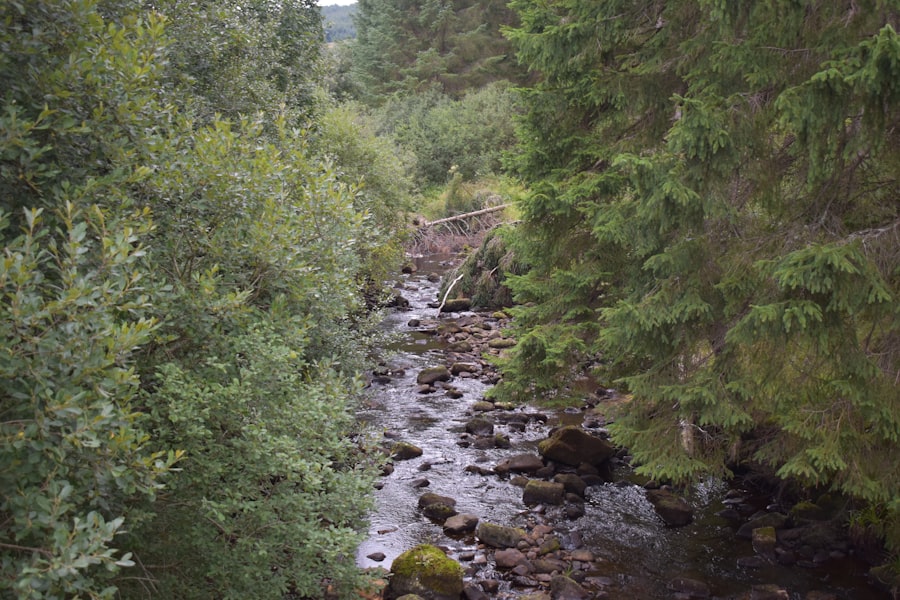
To appreciate the importance of forests in water conservation, it is essential to understand the hydrological cycle—the continuous movement of water on, above, and below the surface of the Earth. This cycle involves several processes, including evaporation, condensation, precipitation, infiltration, and runoff. When you observe how rainwater interacts with the landscape, you can see how forests play a pivotal role in this cycle.
Trees absorb water through their roots and release it back into the atmosphere through a process called transpiration. This not only contributes to local humidity but also influences weather patterns. As you delve deeper into the hydrological cycle, you will notice that forests help to regulate the timing and quantity of water that enters rivers and streams.
During periods of heavy rainfall, forests can absorb excess water, reducing the risk of flooding downstream. Conversely, during dry spells, they release stored moisture back into the atmosphere, helping to maintain humidity levels and support precipitation. This dynamic interplay between forests and the hydrological cycle underscores their importance in ensuring a stable supply of clean water for both ecosystems and human populations.
Human Impact on Forests and Water Quality
Human activities have significantly impacted forests and their ability to conserve water. Deforestation, urbanization, and industrial development have led to the degradation of forest ecosystems, resulting in diminished water quality and availability. When you consider how much land has been cleared for agriculture or urban expansion, it becomes evident that these actions disrupt the natural balance of ecosystems.
Without trees to absorb rainfall and filter pollutants, surface runoff increases, leading to sedimentation and contamination of nearby water bodies. Additionally, pollution from agricultural runoff—such as fertilizers and pesticides—can seep into waterways when forests are removed. This not only affects aquatic life but also poses serious health risks to communities that depend on these water sources for drinking and irrigation.
As you reflect on these issues, it becomes clear that protecting forests is not merely an environmental concern; it is essential for safeguarding public health and ensuring sustainable access to clean water.
The Connection Between Forests and Watersheds
Forests are intricately connected to watersheds, serving as critical components in maintaining their health and functionality. A watershed is defined by its topography; all precipitation that falls within its boundaries eventually flows into a common outlet. When you think about this relationship, consider how forests act as natural barriers that slow down water movement, allowing it to percolate into the ground rather than rushing off into streams or rivers.
This process helps recharge groundwater supplies while also reducing erosion and sedimentation. Moreover, healthy forests enhance biodiversity within watersheds by providing habitat for various species. This biodiversity is essential for maintaining ecosystem resilience against climate change and other environmental stressors.
When you protect forests within a watershed, you are not only preserving their beauty but also ensuring that they continue to provide vital services such as clean water filtration and flood regulation. The interconnectedness of forests and watersheds highlights the need for integrated conservation efforts that consider both land and water management.
Protecting Forests for Clean Drinking Water
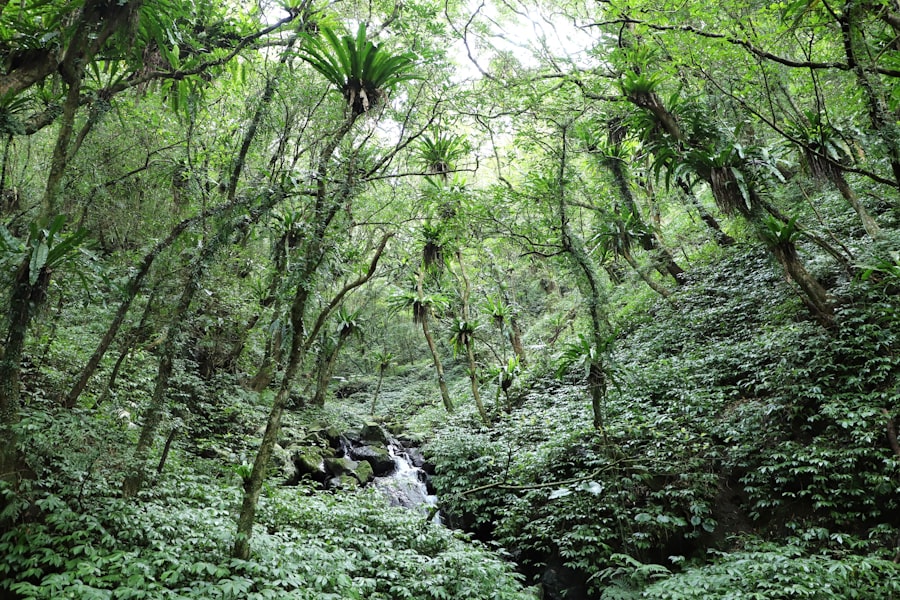
The protection of forests is paramount for ensuring access to clean drinking water for current and future generations. As urban areas expand and populations grow, the demand for fresh water increases significantly. You may not realize it, but many cities rely on nearby forested areas to supply their drinking water needs.
By safeguarding these natural resources through conservation efforts, you are directly contributing to public health initiatives aimed at providing safe drinking water. In addition to conservation efforts, sustainable forest management practices can enhance the ability of forests to filter water effectively. This includes selective logging techniques that minimize damage to surrounding trees and soil while promoting healthy growth.
By supporting policies that prioritize sustainable forestry practices, you can help ensure that forests continue to thrive as vital sources of clean water for your community.
Community Efforts to Preserve Forests and Water Sources
Communities around the world are recognizing the importance of preserving forests for clean water sources and are taking action to protect these vital ecosystems. Grassroots organizations often lead initiatives aimed at reforestation, habitat restoration, and public education about the significance of forests in maintaining water quality. When you engage with local conservation groups or participate in tree-planting events, you become part of a larger movement dedicated to safeguarding natural resources.
Moreover, community involvement can lead to innovative solutions for managing both forests and water resources sustainably. For instance, some communities have implemented agroforestry practices that integrate trees with agricultural production, enhancing both food security and environmental health. By fostering collaboration between local stakeholders—such as farmers, government agencies, and environmental organizations—you can help create a more resilient landscape that benefits both people and nature.
The Future of Forest Conservation and Water Sustainability
Looking ahead, the future of forest conservation is intricately linked to global efforts aimed at achieving water sustainability. As climate change continues to pose challenges to both forest ecosystems and freshwater resources, it is essential to adopt adaptive management strategies that prioritize resilience. You can play a role in this future by advocating for policies that promote sustainable land use practices and protect critical forested areas.
Furthermore, technological advancements offer new opportunities for monitoring forest health and assessing their impact on water quality. Remote sensing tools can provide valuable data on forest cover changes over time, enabling more informed decision-making regarding conservation efforts. By staying informed about these developments and supporting initiatives that prioritize both forest conservation and clean water access, you contribute to a sustainable future where both people and nature can thrive together.
In conclusion, forests are indispensable allies in our quest for clean drinking water and healthy ecosystems. Their role in water conservation cannot be overstated; they filter pollutants, regulate hydrological cycles, and support biodiversity within watersheds. As you reflect on your connection to these vital resources, consider how your actions can contribute to their preservation for generations to come.
Whether through community involvement or advocacy for sustainable practices, every effort counts in ensuring a future where clean water remains accessible for all.
If you are interested in learning more about the benefits of planting trees for the environment, you should check out the article Advantages of Planting Trees for Climate Change. This article discusses how planting trees can help combat climate change by absorbing carbon dioxide and releasing oxygen. It also highlights the importance of reforestation in mitigating the effects of deforestation. By understanding the role of trees in our ecosystem, we can better appreciate how they contribute to the quality of our drinking water.
FAQs
What is the connection between forests and drinking water?
Forests play a crucial role in maintaining the quality and quantity of drinking water. They act as natural filters, helping to purify water by trapping sediments and other pollutants. Additionally, forests help to regulate the flow of water, reducing the risk of flooding and ensuring a steady supply of clean water.
How do forests impact the quality of drinking water?
Forests help to maintain the quality of drinking water by filtering out pollutants, such as sediment, nutrients, and chemicals, from the water as it flows through the forest ecosystem. This natural filtration process helps to ensure that the water remains clean and safe for consumption.
What role do forests play in regulating the flow of water?
Forests help to regulate the flow of water by absorbing and storing water during periods of heavy rainfall, which helps to reduce the risk of flooding. During dry periods, forests release stored water gradually, ensuring a steady flow of water in streams and rivers. This regulation of water flow is essential for maintaining a reliable supply of drinking water.
How can forest management impact drinking water quality?
Proper forest management practices, such as sustainable logging and reforestation, can help to maintain the health of forest ecosystems and, in turn, protect the quality of drinking water. However, poor forest management, such as deforestation and excessive logging, can lead to soil erosion, sedimentation of waterways, and contamination of water sources, negatively impacting drinking water quality.
What are some ways to protect forests for the sake of drinking water?
Protecting forests for the sake of drinking water involves implementing sustainable forest management practices, conserving and restoring forest ecosystems, and minimizing activities that can lead to deforestation and habitat destruction. Additionally, promoting public awareness and engagement in forest conservation efforts is crucial for protecting the vital role that forests play in maintaining clean and reliable drinking water sources.