
As you navigate through the complexities of climate change, one term that frequently arises is “carbon footprint.” This concept refers to the total amount of greenhouse gases, particularly carbon dioxide, that are emitted directly or indirectly by an individual, organization, or product. Understanding your carbon footprint is crucial because it highlights the impact of your lifestyle choices on the environment. From the energy consumed in your home to the transportation methods you choose, every action contributes to your overall carbon emissions.
Recognizing this connection can empower you to make more sustainable choices and advocate for broader environmental initiatives. The urgency for reforestation stems from the alarming levels of carbon emissions that continue to rise globally. As you become more aware of your carbon footprint, you may realize that reforestation is not just a noble cause but a necessary strategy for mitigating climate change.
Forests play a vital role in absorbing carbon dioxide from the atmosphere, acting as natural carbon sinks. However, deforestation and land degradation have significantly diminished these vital ecosystems, exacerbating the climate crisis. By understanding the need for reforestation, you can appreciate its potential to restore balance to our planet and contribute to a healthier environment for future generations.
Key Takeaways
- Understanding carbon footprints and the need for reforestation:
- Reforestation is crucial for offsetting carbon emissions and combating climate change.
- Trees play a vital role in carbon sequestration, helping to reduce the amount of CO2 in the atmosphere.
- Deforestation has a significant impact on carbon emissions, contributing to the global carbon footprint.
- How reforestation projects are helping to offset carbon footprints:
- Reforestation projects are effectively offsetting carbon footprints by planting trees and restoring natural habitats.
- Individuals and organizations can contribute to reforestation efforts by supporting and participating in tree-planting initiatives.
- The importance of sustainable reforestation practices:
- Sustainable reforestation practices are essential for ensuring the long-term effectiveness of carbon offsetting efforts.
- Monitoring and measuring the effectiveness of reforestation in carbon offsetting is crucial for evaluating the impact of tree-planting projects.
- The future of reforestation and its potential to combat climate change:
- Reforestation has the potential to play a significant role in combatting climate change and reducing global carbon emissions.
- Continued support for reforestation efforts from individuals and organizations is essential for achieving long-term environmental benefits.
The Role of Trees in Carbon Sequestration
Trees are remarkable organisms that serve as nature’s air purifiers. Through the process of photosynthesis, they absorb carbon dioxide and release oxygen, effectively reducing the concentration of greenhouse gases in the atmosphere. As you delve deeper into the science of carbon sequestration, you’ll discover that trees store carbon in their biomass—trunks, branches, leaves, and roots—as well as in the soil.
This natural process is essential for combating climate change, as it helps to mitigate the effects of human-induced emissions. Moreover, the role of trees extends beyond mere carbon storage. They also provide numerous ecological benefits, such as enhancing biodiversity, improving air quality, and regulating water cycles.
When you consider the interconnectedness of these systems, it becomes clear that preserving and expanding forested areas is crucial not only for carbon sequestration but also for maintaining overall ecosystem health. By planting trees and supporting reforestation efforts, you contribute to a more sustainable future while fostering a thriving environment for countless species.
The Impact of Deforestation on Carbon Emissions

Deforestation poses a significant threat to our planet’s climate stability. When forests are cleared for agriculture, urban development, or logging, not only is the carbon stored in trees released back into the atmosphere, but the capacity for future carbon absorption is also diminished. As you reflect on this issue, consider how deforestation contributes to a vicious cycle: increased carbon emissions lead to climate change, which in turn can result in more extreme weather events and further habitat destruction.
The statistics surrounding deforestation are staggering. According to various studies, millions of acres of forest are lost each year, contributing to approximately 10% of global greenhouse gas emissions. This loss not only accelerates climate change but also threatens biodiversity and disrupts local communities that rely on forests for their livelihoods.
By understanding the profound impact of deforestation on carbon emissions, you can better appreciate the urgency of reforestation initiatives and the need for sustainable land management practices.
How Reforestation Projects are Helping to Offset Carbon Footprints
Reforestation projects have emerged as a powerful tool in the fight against climate change. By planting trees in deforested or degraded areas, these initiatives aim to restore ecosystems and enhance carbon sequestration capabilities. As you explore various reforestation efforts around the world, you’ll find that they often involve local communities in their planning and execution.
This collaborative approach not only ensures that projects are tailored to specific environmental needs but also empowers individuals to take ownership of their local ecosystems. One notable example is the Bonn Challenge, which aims to restore 150 million hectares of deforested and degraded land by 2020. Such ambitious projects demonstrate how collective action can lead to significant environmental benefits.
By participating in or supporting reforestation initiatives, you can directly contribute to offsetting your carbon footprint while promoting biodiversity and improving local economies. The positive ripple effects of these projects extend far beyond mere carbon offsets; they foster resilience in communities and ecosystems alike.
Ways Individuals and Organizations Can Contribute to Reforestation Efforts
As an individual or part of an organization, there are numerous ways you can contribute to reforestation efforts. One of the most impactful actions is to support organizations dedicated to tree planting and forest restoration. Many non-profits offer programs where you can donate funds or even sponsor a tree planting event.
By doing so, you not only help finance these initiatives but also raise awareness about the importance of reforestation within your community. Additionally, consider participating in local tree-planting events or organizing your own initiative. Engaging with your community fosters a sense of collective responsibility toward environmental stewardship.
You can also advocate for policies that promote sustainable land use and forest conservation at local and national levels. By using your voice and resources effectively, you can inspire others to join the cause and amplify the impact of reforestation efforts.
The Importance of Sustainable Reforestation Practices
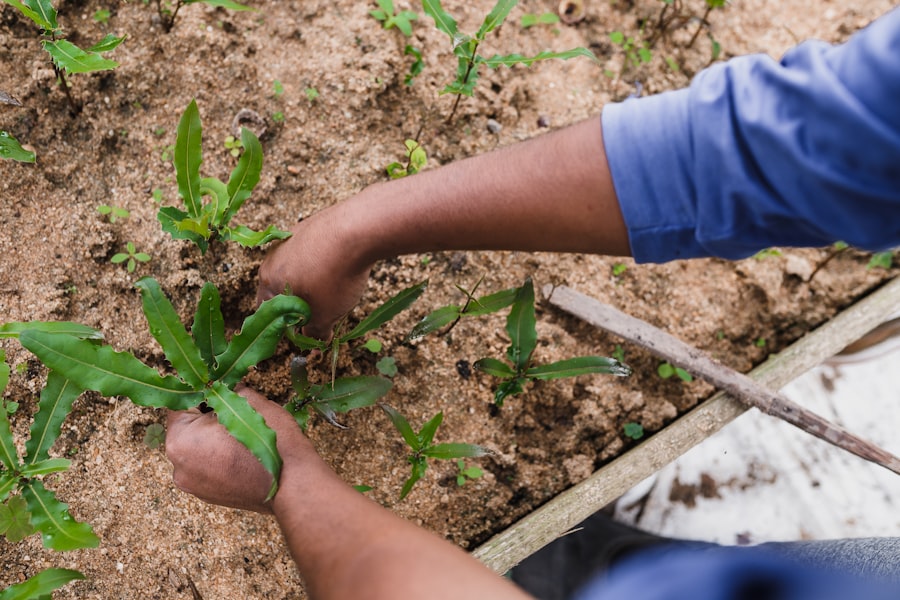
While reforestation is essential for combating climate change, it is equally important to ensure that these efforts are sustainable. Unsustainable practices can lead to monoculture plantations that lack biodiversity and fail to provide the ecological benefits associated with diverse forests. As you learn more about sustainable reforestation practices, you’ll discover that they prioritize native species and consider local ecosystems’ unique characteristics.
Sustainable reforestation also involves engaging local communities in decision-making processes. By incorporating traditional knowledge and practices into reforestation projects, you can help create resilient ecosystems that thrive over time. This holistic approach not only enhances biodiversity but also supports local economies by providing jobs and resources for communities dependent on healthy forests.
By advocating for sustainable practices in reforestation efforts, you contribute to a more balanced relationship between humans and nature.
Monitoring and Measuring the Effectiveness of Reforestation in Carbon Offsetting
To ensure that reforestation projects are effective in offsetting carbon footprints, it is crucial to monitor and measure their impact over time. Various methodologies exist for assessing carbon sequestration rates in newly planted forests, allowing researchers and organizations to quantify their contributions to climate mitigation. As you engage with these methodologies, you’ll find that they often involve measuring tree growth rates, soil health, and overall ecosystem resilience.
Monitoring also plays a vital role in adapting reforestation strategies based on observed outcomes. By analyzing data collected from various projects, stakeholders can identify best practices and refine their approaches to maximize carbon sequestration potential. This continuous feedback loop ensures that reforestation efforts remain effective and responsive to changing environmental conditions.
By supporting initiatives that prioritize monitoring and evaluation, you can help ensure that reforestation projects deliver on their promise of combating climate change.
The Future of Reforestation and its Potential to Combat Climate Change
Looking ahead, reforestation holds immense potential as a strategy for combating climate change. As awareness grows about the importance of forests in regulating our planet’s climate, more individuals and organizations are likely to invest in reforestation initiatives. The integration of technology—such as satellite monitoring and drone-assisted planting—can further enhance the efficiency and effectiveness of these projects.
Moreover, as global policies increasingly recognize the value of natural solutions for climate mitigation, funding opportunities for reforestation efforts are expected to expand. This shift could lead to innovative partnerships between governments, businesses, and non-profits aimed at restoring degraded landscapes worldwide. As you consider your role in this movement, remember that every action counts; whether through advocacy, financial support, or direct participation in tree-planting activities, you can contribute to a greener future.
In conclusion, understanding your carbon footprint and recognizing the need for reforestation is essential in today’s world grappling with climate change challenges. Trees play a critical role in carbon sequestration while deforestation exacerbates emissions. Reforestation projects offer hope by offsetting carbon footprints and restoring ecosystems.
By engaging in sustainable practices and supporting monitoring efforts, you can help ensure these initiatives succeed in combating climate change now and into the future.
If you are interested in learning more about how massive tree planting can combat global warming, check out this article on Combatting Global Warming by Massive Tree Planting. This article discusses the importance of reforestation in offsetting carbon footprints and the positive impact it can have on the environment. Additionally, you can explore more related topics on tree planting and environmental conservation on the Live Life with a Cause blog. However, it is also crucial to consider the potential consequences of increased tree planting on the world’s ecosystems, as discussed in this article on Increased Tree Planting Will Unbalance the World’s Ecosystems.
FAQs
What is reforestation?
Reforestation is the process of planting trees in areas where forests have been depleted or destroyed. It is a crucial tool in combating climate change and restoring ecosystems.
How does reforestation help offset carbon footprint?
Trees absorb carbon dioxide from the atmosphere during photosynthesis, which helps to reduce the overall concentration of greenhouse gases. By planting trees through reforestation efforts, individuals and organizations can help offset their carbon footprint by sequestering carbon.
How many trees are needed to offset a carbon footprint?
The number of trees needed to offset a specific carbon footprint can vary depending on factors such as the size of the carbon footprint and the type of trees being planted. Generally, it is estimated that one tree can absorb about 48 pounds of carbon dioxide per year.
What are the environmental benefits of reforestation?
Reforestation not only helps to offset carbon footprint, but also provides a range of environmental benefits. These include restoring biodiversity, preventing soil erosion, improving air and water quality, and providing habitat for wildlife.
Are there organizations that facilitate reforestation efforts?
Yes, there are numerous organizations and initiatives dedicated to reforestation efforts around the world. These organizations work to plant trees, restore degraded forests, and engage local communities in sustainable forest management practices.