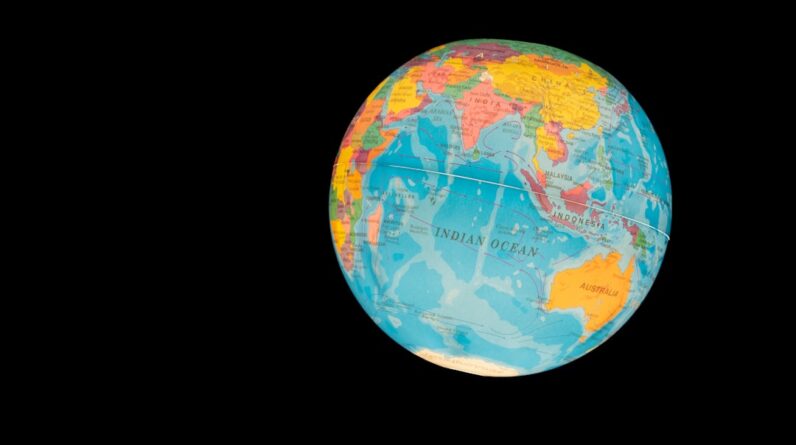
Have you ever considered how interconnected our planet really is? It’s astounding to think that actions we take in one part of the world can have massive repercussions across the globe. One such action, often overlooked yet highly impactful, is deforestation. The green cover of our planet is not just a poetic idea; it is a critical part of the Earth’s climate regulation system.
What Is Deforestation?
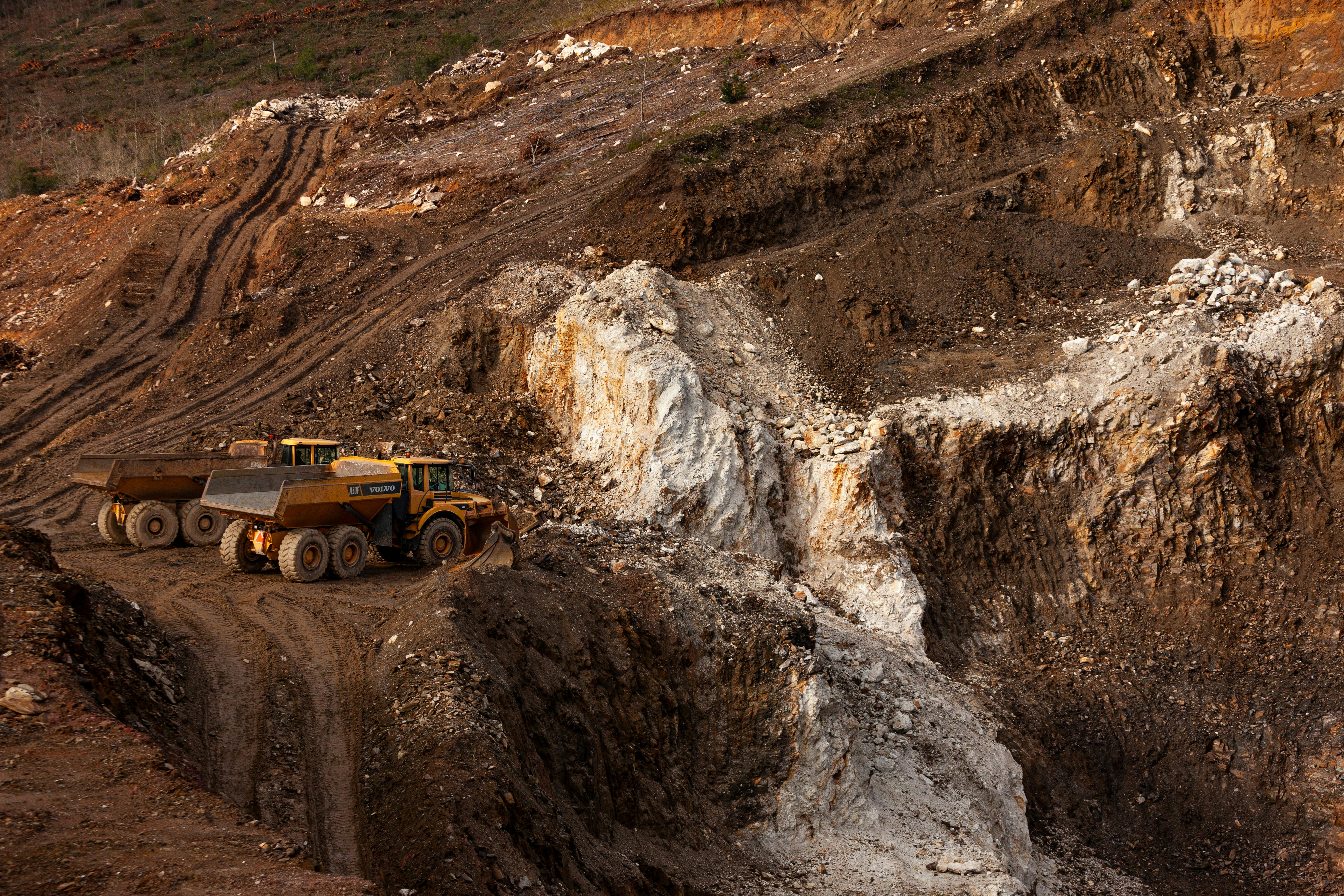
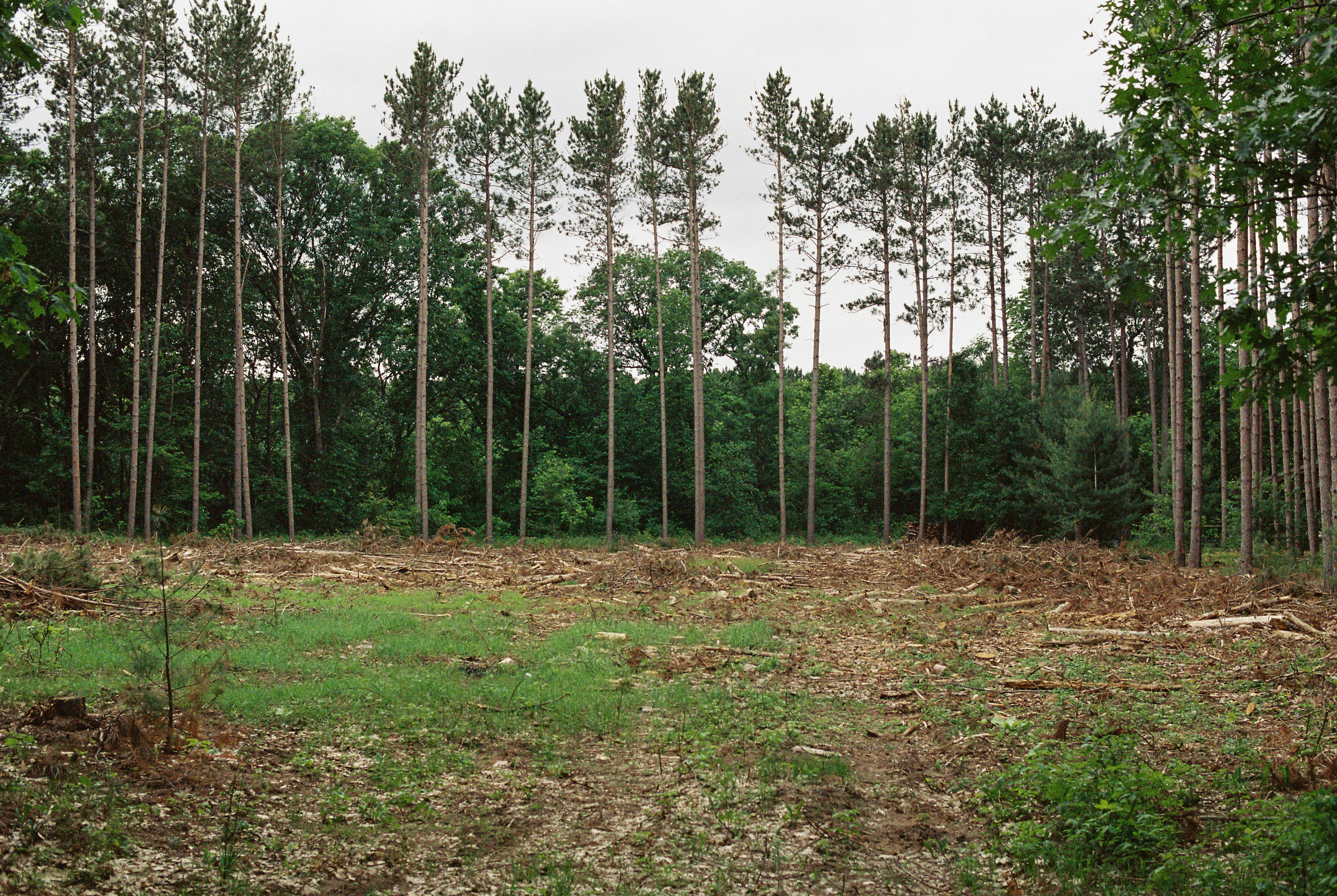
Deforestation is the large-scale removal of trees and other vegetation from forested land, primarily for agricultural expansion, urban development, and logging. This activity not only reduces the number of trees but also affects the entire ecosystem, including wildlife, water cycles, and, notably, the climate.
Causes of Deforestation
There are several reasons why deforestation occurs. Understanding these causes can give you insight into how widespread and complex this issue is.
Agricultural Expansion: One of the biggest drivers of deforestation is agriculture. Forests are cleared to make way for crops and livestock.
Urbanization: With more people moving into cities and towns, there’s an ever-increasing need for land to build homes and infrastructure.
Logging: Both legal and illegal logging contribute significantly to deforestation. Wood is used for everything from furniture to paper products.
A Global Issue
Deforestation is not a problem limited to a specific area; it is a global issue affecting various parts of the world differently. Tropical regions, such as the Amazon rainforest, are particularly vulnerable due to their dense, rich biodiversity and the high rate at which they are being cleared.
The Greenhouse Effect
To understand how deforestation contributes to global warming, you need to first understand the greenhouse effect. This is the process by which gases in Earth’s atmosphere trap heat from the sun, creating a “greenhouse” around the planet.
Greenhouse Gases
Several gases contribute to the greenhouse effect:
| Gas | Contribution to Greenhouse Effect |
|---|---|
| Carbon Dioxide (CO2) | Highest |
| Methane (CH4) | Moderate |
| Nitrous Oxide (N2O) | Low |
| Chlorofluorocarbons (CFCs) | Very low but significant in small amounts |
Deforestation directly impacts the levels of these gases, particularly CO2, which is a major contributor to global warming.
How Trees Help
Trees play a crucial role in controlling CO2 levels. They absorb carbon dioxide during photosynthesis and store carbon in their biomass. When these trees are cut down, the stored carbon is released back into the atmosphere, increasing the concentration of CO2.
Carbon Sequestration
You might have heard the term “carbon sequestration” thrown around in discussions about climate change. But what exactly does it mean?
Natural Carbon Sink
Forests act as natural carbon sinks, absorbing more carbon dioxide than they release. This process lowers the overall concentration of CO2 in the atmosphere.
Reduced Sequestration Due to Deforestation
When forests are cleared, the capacity for carbon sequestration dramatically decreases. Not only is the immediate release of stored carbon a concern, but the long-term loss of a natural carbon sink exacerbates the problem of rising CO2 levels.
Ripple Effects on Climate
The greenhouse effect facilitated by deforestation doesn’t just stop at warming the planet. There are multiple ripple effects that further exacerbate climate change.
Temperature Extremes
One of the immediate impacts of increased greenhouse gases is a rise in average global temperatures. This manifests in various ways, including more frequent and severe heatwaves.
Altered Weather Patterns
The increase in temperature can disrupt normal weather patterns. You might experience more intense storms, prolonged droughts, and unusual rainfall patterns, all of which have cascading effects on agriculture, water supply, and overall quality of life.
Impact on Water Cycles
Trees also play a crucial role in maintaining the water cycle. They absorb water from the soil and release it into the atmosphere through a process called transpiration. With fewer trees, this natural cycle is disrupted, leading to altered rainfall patterns and affecting water availability in various regions.
Biodiversity Loss
Another significant but often overlooked impact of deforestation is the loss of biodiversity. Forests are home to an astonishing variety of plants and animals, many of which are not found anywhere else on Earth.
Habitat Destruction
When forests are cleared, many species lose their natural habitat. This leads to a decline in biodiversity as plants and animals either perish or migrate to other areas, often causing disturbances in those ecosystems.
Extinction Rates
The loss of habitat accelerates extinction rates. Some species are so specialized that they cannot survive outside their native forest environment. This loss of biodiversity also hampers the resilience of ecosystems to adapt to changes, further destabilizing the environment.
Human Impact
Deforestation isn’t just a problem for plants and animals; it has substantial impacts on human societies as well.
Livelihoods
Many communities around the world depend on forests for their livelihoods, whether through agriculture, hunting, or gathering forest products. As forests disappear, these people find themselves without a reliable source of income.
Health Issues
Deforestation can also lead to health problems. The clearing of forests often involves burning, which releases not only carbon dioxide but also particulate matter and other pollutants that can affect respiratory health. Additionally, the disruption of ecosystems can lead to the spread of diseases.
Cultural Loss
For indigenous communities, forests are often central to their cultural identity. The destruction of these forests can lead to a loss of traditional knowledge and practices, further marginalizing these groups.

Economic Consequences
While the immediate financial gains from deforestation might seem beneficial, the long-term economic consequences can be devastating.
Loss of Ecosystem Services
Forests provide a range of ecosystem services, such as pollination, water filtration, and erosion control. The loss of these services can lead to increased costs for agriculture, water treatment, and disaster mitigation.
Increased Natural Disasters
Deforestation can increase the frequency and severity of natural disasters such as floods and landslides. The economic costs of these disasters, including property damage and loss of life, can be enormous.
Sustainable Alternatives
Investing in sustainable practices and renewable resources can create economic opportunities while preserving forests. This includes eco-tourism, sustainable logging, and agroforestry.
What You Can Do
Feeling overwhelmed by the scale of deforestation and its impacts? There are steps you can take to make a difference.
Reduce, Reuse, Recycle
You’ve probably heard this mantra before, but it’s highly relevant here. Reducing your consumption of products that contribute to deforestation, reusing items, and recycling can significantly decrease the demand for new resources.
Support Sustainable Products
Look for products that are certified by organizations such as the Forest Stewardship Council (FSC) or Rainforest Alliance. These certifications ensure that the products you buy are sourced sustainably.
Advocate for Change
Use your voice to advocate for policy changes. Support organizations and initiatives that are working towards reducing deforestation and promoting reforestation efforts.
Educate Yourself and Others
Knowledge is power. The more you understand about the issue, the better equipped you are to make informed decisions and influence those around you to do the same.

Reforestation and Afforestation
One of the most effective ways to combat deforestation is through reforestation and afforestation efforts. While reforestation involves planting trees in areas that have been deforested, afforestation refers to planting trees in areas that were not previously forested.
Benefits of Reforestation and Afforestation
These efforts help restore biodiversity, improve air and water quality, and sequester carbon. They can also provide economic benefits by creating jobs and boosting local economies through eco-tourism and sustainable forest management.
Successful Initiatives
Several countries and organizations have launched successful reforestation and afforestation programs. For instance, China’s Grain for Green program has converted millions of hectares of farmland back into forests. Similarly, India has initiated large-scale tree planting campaigns that have significantly increased its forest cover.
The Future of Our Forests
The fight against deforestation is far from over, but there are reasons to be optimistic. Advances in technology and increased awareness are paving the way for more effective conservation strategies.
Technological Innovations
Drones, satellite imagery, and artificial intelligence are being used to monitor deforestation and illegal logging activities in real-time. These technologies can help authorities take swift action to protect forests and track the success of reforestation efforts.
Policy Measures
Stronger policy measures at both national and international levels are crucial in the fight against deforestation. This includes stricter regulations on logging, incentives for sustainable land use, and international agreements to protect forested areas.
Your Role in the Bigger Picture
While it might seem like the issue of deforestation is too massive for one person to tackle, remember that every action counts. By making conscious choices, supporting sustainable initiatives, and raising awareness, you are contributing to a larger, collective effort to protect our planet.

Conclusion
Deforestation is a complex issue with far-reaching impacts on global warming, biodiversity, and human societies. However, by understanding the causes and consequences, as well as the actions you can take to mitigate its effects, you can play a part in preserving our planet for future generations. After all, the health of our forests is intrinsically linked to the health of our planet—and of us all.
By considering and addressing the unseen impacts of deforestation, from increased greenhouse gases to biodiversity loss and economic consequences, you are stepping into a role of stewardship, helping ensure a more sustainable and vibrant world for everyone.