Forests are not merely collections of trees; they are intricate ecosystems that play a vital role in the Earth’s weather and climate systems. As you walk through a forest, you may notice the cool shade provided by the canopy, the rustling leaves, and the rich aroma of damp earth. These elements are not just pleasant sensory experiences; they are part of a complex interplay between forests and the atmosphere.
Understanding this relationship is crucial, especially as climate change continues to alter weather patterns globally. The health of forests directly influences weather conditions, making it essential for you to appreciate their significance in maintaining ecological balance. The interaction between forests and weather is multifaceted.
Trees absorb carbon dioxide, release oxygen, and transpire water vapor, all of which contribute to atmospheric conditions. This process not only affects local climates but also has far-reaching implications for global weather patterns. As you delve deeper into the relationship between forests and weather, you will uncover how these natural wonders serve as guardians of our planet’s climate stability.
By recognizing the importance of forests, you can better understand the urgent need for their conservation and the impact of human activities on these vital ecosystems.
Key Takeaways
- Forests play a crucial role in regulating weather patterns and climate
- Trees are essential in the water cycle, influencing precipitation and humidity levels
- Deforestation can disrupt weather patterns and lead to changes in local and global climate
- Forests have a significant impact on local and global climate through their role in carbon sequestration and temperature regulation
- The relationship between forests and precipitation is complex and involves various factors such as evapotranspiration and cloud formation
The Role of Trees in the Water Cycle
Trees play a pivotal role in the water cycle, acting as natural pumps that help regulate moisture levels in the atmosphere. When you observe a tree, consider how its roots draw water from the soil, which then travels up through the trunk and branches before being released into the air as water vapor through a process known as transpiration. This process not only cools the surrounding environment but also contributes to cloud formation and precipitation.
As you learn more about this cycle, you will see how trees are integral to maintaining humidity levels and ensuring that ecosystems thrive. Moreover, forests act as natural sponges, absorbing rainfall and reducing runoff. This ability to retain water helps prevent soil erosion and maintains groundwater levels, which are crucial for both plant and animal life.
When you think about the importance of trees in the water cycle, consider how their presence can mitigate flooding during heavy rains and sustain streams and rivers during dry spells. The intricate relationship between trees and water is a testament to nature’s design, highlighting how essential forests are for maintaining a balanced ecosystem.
Impact of Deforestation on Weather Patterns
Deforestation poses a significant threat to weather patterns around the globe. When you consider the vast areas of forest that have been cleared for agriculture, urban development, or logging, it becomes clear that this loss has dire consequences for local and global climates. The removal of trees disrupts the delicate balance of the water cycle, leading to increased evaporation rates and altered precipitation patterns.
As a result, regions that once enjoyed consistent rainfall may experience droughts, while others may face more intense storms. The impact of deforestation extends beyond immediate weather changes; it also contributes to climate change by releasing stored carbon dioxide back into the atmosphere. When trees are cut down or burned, they release significant amounts of greenhouse gases, exacerbating global warming.
This cycle creates a feedback loop where changing weather patterns further threaten forest health, leading to more deforestation. As you reflect on these issues, it becomes evident that protecting forests is not just an environmental concern; it is essential for maintaining stable weather patterns that support life on Earth.
How Forests Influence Local and Global Climate
Forests have a profound influence on both local and global climates through their ability to regulate temperature and humidity levels. When you step into a dense forest, you may notice that it feels cooler than the surrounding areas. This cooling effect is primarily due to the shade provided by trees and their transpiration processes.
By releasing moisture into the air, forests help maintain humidity levels that can moderate temperatures in nearby regions. This localized climate regulation is crucial for agriculture and biodiversity. On a global scale, forests act as carbon sinks, absorbing carbon dioxide from the atmosphere and helping to mitigate climate change.
The Amazon rainforest, often referred to as the “lungs of the Earth,” plays a critical role in this process by sequestering vast amounts of carbon. As you consider the interconnectedness of forests and climate, it becomes clear that preserving these ecosystems is vital for sustaining life on our planet. The health of forests directly correlates with climate stability, making their conservation an urgent priority for future generations.
The Relationship Between Forests and Precipitation
The relationship between forests and precipitation is intricate and essential for understanding how ecosystems function. Forests contribute to precipitation through various mechanisms, including transpiration and cloud formation. When trees release water vapor into the atmosphere, it can lead to increased humidity levels, which in turn can enhance rainfall in surrounding areas.
This process is particularly evident in tropical rainforests, where dense vegetation creates a microclimate that fosters consistent rainfall. Additionally, forests can influence precipitation patterns over larger distances. Research has shown that deforestation in one region can lead to reduced rainfall not only locally but also in distant areas due to changes in atmospheric circulation patterns.
As you explore this relationship further, you will discover how vital it is to maintain healthy forest ecosystems to ensure adequate precipitation levels for agriculture, drinking water supplies, and overall ecosystem health.
The Science Behind Cloud Formation in Forested Areas
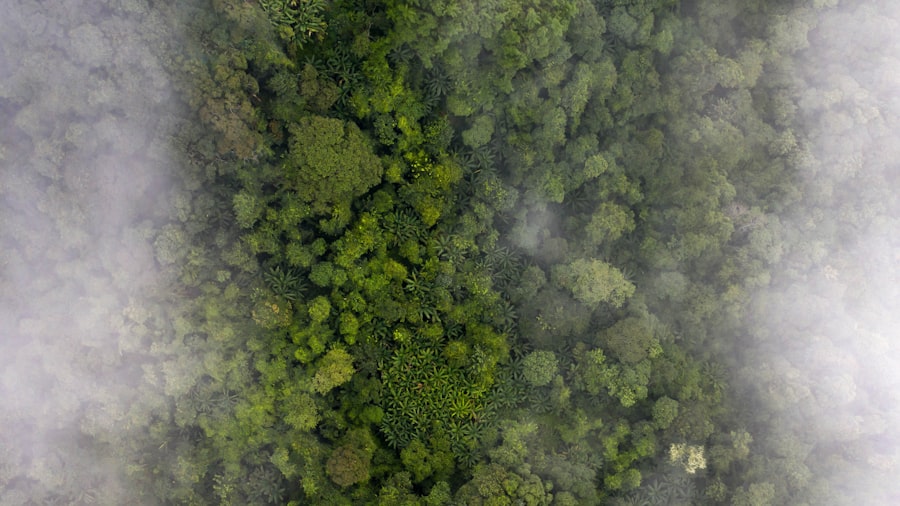
Cloud formation is a fascinating process that is significantly influenced by forest ecosystems. When you think about clouds forming over a forested area, consider how trees contribute to this phenomenon through transpiration. As trees release water vapor into the atmosphere, they increase humidity levels, which can lead to cloud condensation when air rises and cools.
This process is essential for creating precipitation that nourishes both forests and surrounding landscapes. Moreover, forests can create localized weather patterns that enhance cloud formation. The presence of trees can affect wind patterns and temperature variations within a given area, leading to increased chances of cloud development.
As you delve into the science behind cloud formation in forested regions, you will gain a deeper appreciation for how interconnected these systems are. Understanding this relationship highlights the importance of preserving forests not only for their beauty but also for their critical role in maintaining atmospheric balance.
The Importance of Forest Conservation for Weather Stability
Conserving forests is paramount for ensuring weather stability in an ever-changing climate. As you consider the myriad benefits that forests provide—such as regulating temperature, maintaining humidity levels, and supporting biodiversity—it becomes clear that their preservation is essential for both local communities and global ecosystems. Healthy forests act as buffers against extreme weather events by absorbing excess rainfall and reducing flooding risks while also providing shade during heatwaves.
Furthermore, forest conservation efforts can help combat climate change by preserving carbon sinks that sequester greenhouse gases. By protecting existing forests and restoring degraded areas, you contribute to a more stable climate system that benefits all living organisms on Earth. As you reflect on your role in this conservation effort, remember that every action counts—whether it’s supporting sustainable forestry practices or advocating for policies that protect these vital ecosystems.
Future Implications and Research on Forests and Weather
Looking ahead, ongoing research into the relationship between forests and weather will be crucial for developing effective strategies to combat climate change and promote sustainability. Scientists are increasingly focused on understanding how different tree species respond to changing climatic conditions and how these responses affect local weather patterns. As you engage with this research, consider how advancements in technology—such as remote sensing and climate modeling—can provide valuable insights into forest dynamics.
Moreover, future implications extend beyond scientific understanding; they encompass policy decisions that prioritize forest conservation as a means of addressing climate challenges. By advocating for sustainable land-use practices and supporting reforestation initiatives, you can play an active role in shaping a more resilient future for our planet’s ecosystems. The relationship between forests and weather is complex yet vital; your awareness and actions can contribute significantly to preserving this delicate balance for generations to come.
If you’re interested in learning more about how trees can help combat global warming, check out this article on how trees can save the earth from global warming. It delves into the various ways in which trees play a crucial role in mitigating climate change and the importance of reforestation efforts. It’s a fascinating read that complements the insights provided in “Making it Rain: The Astonishing Science of How Forests Create Weather.”
FAQs
What is the role of forests in creating weather?
Forests play a crucial role in creating weather by releasing water vapor through a process called transpiration. This water vapor contributes to the formation of clouds and precipitation, ultimately influencing local and regional weather patterns.
How do forests affect rainfall?
Forests can affect rainfall by increasing the amount of moisture in the air through transpiration. This can lead to the formation of clouds and precipitation, ultimately contributing to higher rainfall in forested areas compared to non-forested areas.
What is the impact of deforestation on weather patterns?
Deforestation can disrupt weather patterns by reducing the amount of transpiration and moisture released into the atmosphere. This can lead to decreased rainfall, changes in temperature, and alterations in local and regional weather patterns.
How do forests contribute to the water cycle?
Forests contribute to the water cycle by absorbing water from the soil through their roots and releasing it into the atmosphere through transpiration. This water vapor then condenses to form clouds and precipitation, ultimately replenishing the Earth’s water sources.
What are some examples of how forests create weather?
One example of how forests create weather is the phenomenon of “cloud forests,” where the dense vegetation and high levels of transpiration lead to the formation of persistent clouds and increased rainfall. Another example is the influence of forests on regional climate patterns, such as the Amazon rainforest’s impact on the South American climate.