
Climate whiplash is a term that has gained traction in recent years, encapsulating the rapid and extreme shifts in weather patterns that can occur within a short time frame. You may have noticed how one season can bring unseasonably warm temperatures, only to be followed by a sudden drop into frigid conditions or torrential rain. This phenomenon is not merely a quirk of nature; it is a manifestation of the broader changes occurring in our climate system.
As you delve deeper into this concept, you will find that climate whiplash is characterized by its unpredictability and intensity, often leading to significant disruptions in ecosystems, agriculture, and human health. The causes of climate whiplash are complex and multifaceted. They stem from a combination of natural variability and human-induced climate change.
As you explore this topic, you will discover that the warming of the planet is altering atmospheric patterns, leading to more frequent and severe weather events. The interplay between ocean temperatures, atmospheric pressure systems, and land use changes creates a volatile environment where extreme weather can emerge unexpectedly. Understanding these dynamics is crucial for grasping the full impact of climate whiplash on our lives and the planet.
Key Takeaways
- Climate whiplash refers to the rapid and extreme shifts in weather patterns, leading to unpredictable and severe climate events.
- Record heat can have devastating effects on human health, agriculture, and natural ecosystems, leading to increased heat-related illnesses and crop failures.
- Record floods can cause widespread destruction of infrastructure, displacement of communities, and loss of life, highlighting the urgent need for better flood management and preparedness.
- Climate change is exacerbating extreme weather events, leading to more frequent and intense heatwaves, storms, and flooding, posing significant challenges for communities and ecosystems.
- Adapting to climate whiplash requires proactive measures such as improving infrastructure, implementing early warning systems, and developing sustainable land use practices to minimize the impact of extreme weather events.
The Impact of Record Heat
Record heat events are among the most immediate and alarming manifestations of climate whiplash. You may have experienced days when the temperature soared to unprecedented levels, leaving you feeling uncomfortable and drained. These heatwaves can have dire consequences for public health, agriculture, and energy consumption.
As temperatures rise, the risk of heat-related illnesses increases, particularly among vulnerable populations such as the elderly and those with pre-existing health conditions. You might find it alarming that heatwaves can lead to increased hospital admissions and even fatalities, highlighting the urgent need for effective public health responses. Moreover, the agricultural sector is not immune to the effects of extreme heat.
As you consider the implications for food production, you may realize that crops are sensitive to temperature fluctuations. Prolonged periods of excessive heat can lead to reduced yields, affecting food supply chains and driving up prices. Farmers may struggle to adapt to these changing conditions, facing challenges such as droughts and water scarcity.
The ripple effects of record heat extend beyond individual farms; they can disrupt entire economies and food systems, making it essential for communities to develop strategies for resilience.
The Devastation of Record Floods
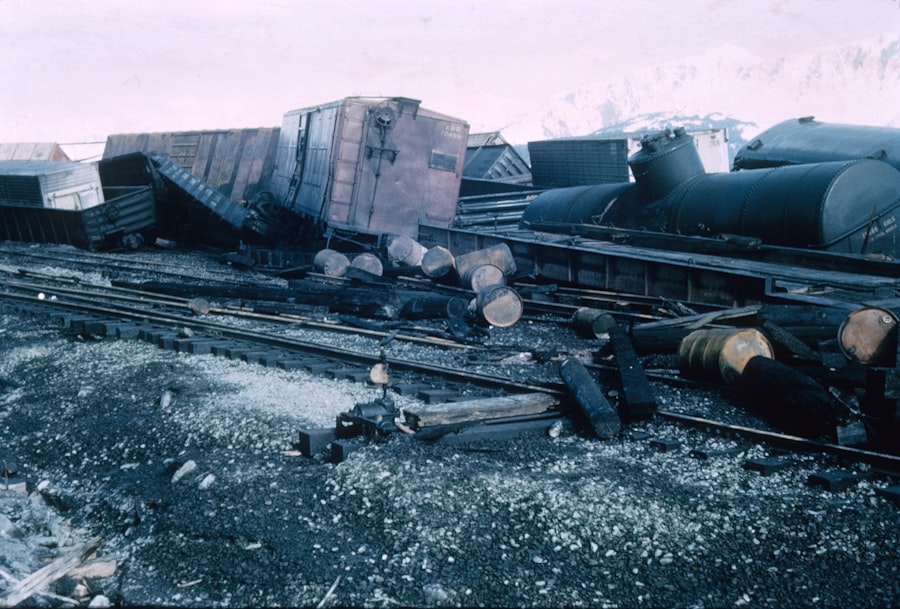
In stark contrast to the scorching heat, record floods represent another facet of climate whiplash that can wreak havoc on communities. You may have witnessed news reports of towns submerged under water, homes destroyed, and lives upended by sudden deluges. Flooding can occur after prolonged rainfall or as a result of rapid snowmelt, both of which are becoming more common due to climate change.
The sheer volume of water can overwhelm drainage systems, leading to catastrophic consequences for infrastructure and public safety. The aftermath of record floods is often devastating. As you reflect on the impact on affected communities, consider the emotional toll on families who lose their homes and livelihoods.
The recovery process can be long and arduous, requiring significant resources and support. Additionally, flooding can lead to contamination of water supplies and increased risks of waterborne diseases, posing further challenges for public health officials. The interconnectedness of these issues underscores the importance of understanding how climate whiplash can create a cycle of vulnerability that is difficult to break.
Climate Change and Extreme Weather Events
The relationship between climate change and extreme weather events is a critical area of study that sheds light on the phenomenon of climate whiplash. As you explore this connection, you will find that rising global temperatures are linked to an increase in the frequency and intensity of extreme weather events. This includes not only heatwaves and floods but also hurricanes, droughts, and wildfires.
The science behind these changes is rooted in the fundamental principles of physics; warmer air holds more moisture, leading to heavier rainfall during storms and increased evaporation during dry spells. You may also come across discussions about how climate change exacerbates existing vulnerabilities within communities. For instance, low-lying coastal areas are particularly susceptible to flooding as sea levels rise, while regions already prone to drought may face even harsher conditions.
This intersection of climate change and extreme weather highlights the urgent need for comprehensive strategies that address both mitigation and adaptation. As you consider these challenges, it becomes clear that proactive measures are essential to safeguard communities from the unpredictable nature of climate whiplash.
Adapting to Climate Whiplash
Adapting to climate whiplash requires a multifaceted approach that encompasses various sectors and levels of society. You may find it helpful to think about adaptation in terms of both short-term responses and long-term strategies. In the immediate aftermath of extreme weather events, communities must be equipped to respond effectively—this includes having emergency plans in place, ensuring access to resources, and providing support for those affected by disasters.
You might consider how local governments can play a pivotal role in coordinating these efforts and fostering community resilience. Long-term adaptation strategies involve rethinking infrastructure and land use planning in light of changing climate patterns. As you explore this topic further, you may discover innovative solutions such as green infrastructure that can help manage stormwater runoff or urban planning that prioritizes flood-resistant designs.
Additionally, investing in research and technology can enhance our understanding of climate whiplash and inform better decision-making processes. By embracing a proactive mindset toward adaptation, you can contribute to building more resilient communities capable of withstanding the challenges posed by an unpredictable climate.
Mitigating the Effects of Climate Whiplash
Mitigation efforts play a crucial role in addressing the root causes of climate whiplash and reducing its impacts on society. You may be aware that greenhouse gas emissions are a primary driver of climate change, leading to the extreme weather patterns associated with whiplash events. As you consider mitigation strategies, think about how transitioning to renewable energy sources—such as solar, wind, and hydroelectric power—can significantly reduce emissions while promoting sustainable development.
In addition to transitioning energy systems, you might explore the importance of conservation practices in agriculture and forestry. Sustainable land management techniques can enhance carbon sequestration while also improving resilience against extreme weather events. For instance, reforestation efforts not only absorb carbon dioxide but also help stabilize soil and reduce flooding risks.
By adopting a holistic approach to mitigation that encompasses various sectors, you can contribute to a more sustainable future that minimizes the likelihood of experiencing severe climate whiplash.
The Role of Human Activity in Climate Whiplash
Human activity has undeniably played a significant role in shaping the current landscape of climate whiplash. As you reflect on this issue, consider how industrialization, deforestation, and urbanization have contributed to rising greenhouse gas emissions and altered natural ecosystems. The choices made by individuals, corporations, and governments have far-reaching consequences for the planet’s climate system.
You may find it enlightening to examine how lifestyle changes—such as reducing energy consumption or supporting sustainable practices—can collectively make a difference in mitigating climate change. Moreover, understanding the social dimensions of human activity is essential for addressing climate whiplash effectively. Vulnerable populations often bear the brunt of extreme weather events due to systemic inequalities in access to resources and decision-making power.
As you engage with this topic, consider how social justice intersects with environmental issues; advocating for equitable policies can help ensure that all communities are better prepared for the impacts of climate whiplash.
Building Resilience in the Face of Climate Whiplash
Building resilience in the face of climate whiplash requires collaboration across various sectors and levels of society. You may find it inspiring to learn about community-led initiatives that prioritize preparedness and adaptation strategies tailored to local needs. Engaging with local stakeholders—such as businesses, non-profits, and government agencies—can foster a sense of shared responsibility for addressing climate challenges.
By working together, communities can develop comprehensive plans that enhance their ability to withstand extreme weather events. Education also plays a vital role in building resilience against climate whiplash. As you consider your own role in this process, think about how raising awareness about climate issues can empower individuals to take action within their communities.
Workshops, seminars, and outreach programs can equip people with knowledge about preparedness measures while fostering a culture of sustainability. By investing in education and community engagement, you contribute to creating a more resilient society capable of navigating the uncertainties posed by an ever-changing climate landscape. In conclusion, understanding climate whiplash is essential for navigating the complexities of our changing world.
By recognizing its impacts—from record heat to devastating floods—you can appreciate the urgency of addressing these challenges through adaptation and mitigation efforts. Your role in fostering resilience within your community is vital as we collectively confront the realities of climate change and work toward a sustainable future for all.
Climate Whiplash: From Record Heat to Record Floods in the Same Week highlights the extreme weather events that are becoming more frequent due to climate change. To combat global warming and its devastating effects, one effective solution is massive tree planting. According to Combatting Global Warming by Massive Tree Planting, planting trees can help absorb carbon dioxide and reduce greenhouse gas emissions. Additionally, having healthy forests can serve as a biodiversity reservoir, as mentioned in Biodiversity Reservoir by Having Healthy Forest. By taking action and living life with purpose, such as planting trees and preserving forests, individuals can make a positive impact on the environment and combat climate change.
FAQs
What is climate whiplash?
Climate whiplash refers to the rapid and extreme shifts in weather patterns, such as going from record heat to record floods in the same week. It is a consequence of climate change and can lead to unpredictable and severe weather events.
What causes climate whiplash?
Climate whiplash is primarily caused by the warming of the Earth’s atmosphere due to human activities, such as the burning of fossil fuels and deforestation. This warming leads to changes in weather patterns, including more intense heatwaves, storms, and precipitation.
How does climate whiplash impact communities?
Climate whiplash can have significant impacts on communities, including damage to infrastructure, loss of life, and disruption of livelihoods. It can also lead to increased economic costs for disaster response and recovery efforts.
What can be done to mitigate climate whiplash?
Mitigating climate whiplash requires global efforts to reduce greenhouse gas emissions and transition to renewable energy sources. Additionally, adaptation measures, such as improving infrastructure resilience and implementing early warning systems, can help communities better prepare for and respond to extreme weather events.