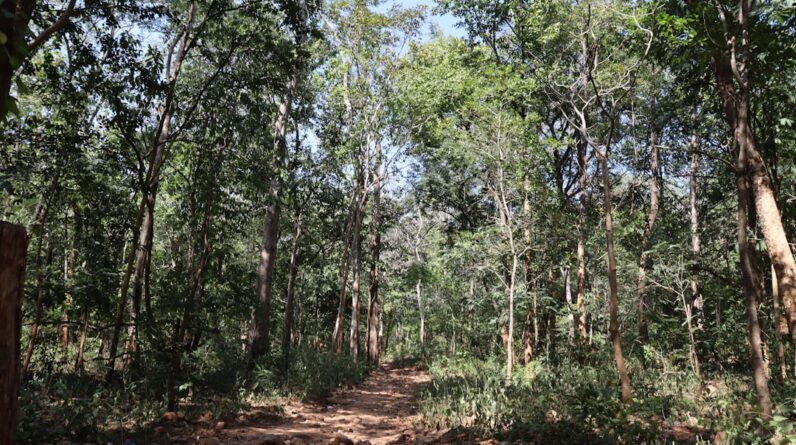
Reforestation is the process of replanting trees in areas where forests have been depleted or destroyed. This practice plays a crucial role in combating climate change, as trees absorb carbon dioxide from the atmosphere, acting as natural carbon sinks. When you consider that deforestation accounts for nearly 10% of global greenhouse gas emissions, the importance of reforestation becomes clear.
By restoring forests, you not only help to sequester carbon but also contribute to the overall health of the planet. The act of planting trees can significantly mitigate the effects of climate change, making it a vital component of any comprehensive environmental strategy. Moreover, reforestation has a cascading effect on local climates and ecosystems.
As trees grow, they release moisture into the atmosphere through a process called transpiration, which can lead to increased rainfall in arid regions. This not only helps to restore local ecosystems but also supports agriculture and water supply for communities. When you engage in or support reforestation efforts, you are participating in a larger movement that seeks to create a more sustainable and resilient environment for future generations.
The impact of reforestation extends beyond just carbon capture; it fosters biodiversity, enhances soil quality, and improves air quality, all of which are essential for a healthy planet.
Key Takeaways
- Reforestation helps to combat climate change by absorbing carbon dioxide and releasing oxygen, as well as providing habitat for wildlife.
- Carbon neutral living aims to balance out carbon emissions, while climate positive living goes beyond that by actively reducing the carbon footprint and contributing to environmental restoration.
- Reforestation plays a crucial role in restoring ecosystems and preserving biodiversity by creating habitats for various plant and animal species.
- Reforestation projects contribute to sustainable development goals by providing employment opportunities, improving soil quality, and promoting sustainable land management.
- Investing in reforestation brings social and economic benefits such as job creation, improved air and water quality, and enhanced community resilience.
The Difference Between Carbon Neutral and Climate Positive Living
When discussing environmental responsibility, you may have come across the terms “carbon neutral” and “climate positive.” While both concepts aim to reduce your carbon footprint, they differ significantly in their approach and implications. Achieving carbon neutrality means balancing the amount of carbon dioxide emitted with an equivalent amount of carbon offset or removal. In essence, you strive to reduce your emissions to zero by investing in projects that absorb or offset your carbon output.
This can involve actions like using renewable energy sources, reducing waste, or supporting reforestation initiatives. On the other hand, climate positive living goes a step further. It not only aims to neutralize your carbon emissions but also seeks to create a net positive impact on the environment.
This means that your actions contribute to removing more carbon from the atmosphere than you emit. By adopting a climate positive lifestyle, you actively engage in practices that enhance ecological health and promote sustainability. This could involve supporting renewable energy projects, advocating for sustainable agriculture, or participating in community reforestation efforts.
By choosing to live climate positively, you become part of a proactive solution to climate change rather than merely mitigating its effects.
The Role of Reforestation in Restoring Ecosystems and Biodiversity
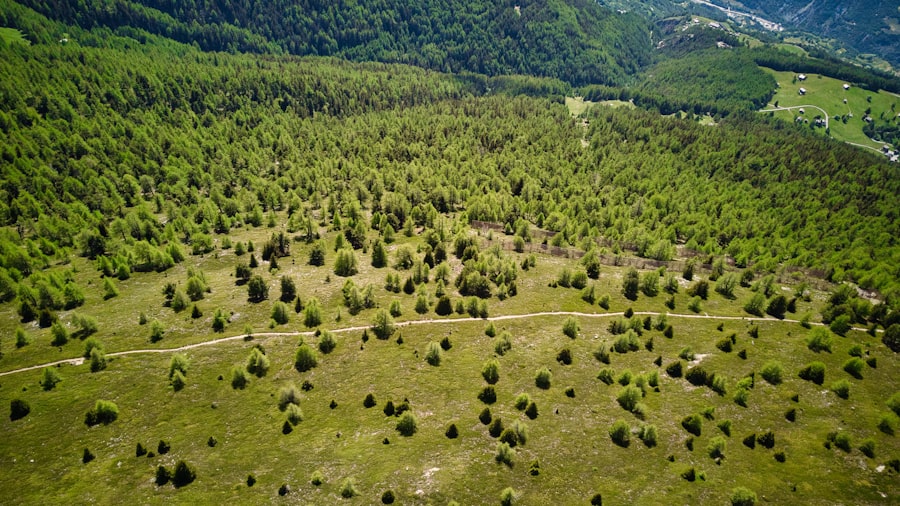
Reforestation is not just about planting trees; it is about restoring entire ecosystems and promoting biodiversity. When you plant native tree species in deforested areas, you create habitats for various wildlife, including birds, insects, and mammals. These species rely on forests for food, shelter, and breeding grounds.
By supporting reforestation projects that prioritize native species, you help to restore the natural balance of ecosystems that have been disrupted by human activity. Additionally, healthy forests play a critical role in maintaining biodiversity. They provide essential ecosystem services such as pollination, water filtration, and soil stabilization.
When you engage in reforestation efforts, you contribute to the resilience of these ecosystems against climate change and other environmental stressors. A diverse ecosystem is better equipped to adapt to changes in climate and can recover more quickly from disturbances like wildfires or disease outbreaks. By investing in reforestation, you are not only helping to combat climate change but also ensuring the survival of countless species and the overall health of our planet.
How Reforestation Projects Contribute to Sustainable Development Goals
The United Nations has established 17 Sustainable Development Goals (SDGs) aimed at addressing global challenges such as poverty, inequality, and climate change. Reforestation projects align closely with several of these goals, particularly those related to environmental sustainability and community well-being. When you support reforestation initiatives, you contribute to Goal 15: Life on Land, which emphasizes the importance of managing forests sustainably and combating desertification.
Moreover, reforestation can have a direct impact on Goal 1: No Poverty and Goal 13: Climate Action. By restoring degraded lands and creating new forests, you help generate economic opportunities for local communities through sustainable forestry practices and ecotourism. These projects can provide jobs and improve livelihoods while simultaneously addressing climate change by sequestering carbon.
Your involvement in reforestation efforts can thus play a significant role in achieving these global goals and fostering a more sustainable future for all.
The Social and Economic Benefits of Investing in Reforestation
Investing in reforestation yields numerous social and economic benefits that extend beyond environmental restoration. When you support tree-planting initiatives, you contribute to job creation in local communities. Reforestation projects often require labor for planting, maintenance, and monitoring, providing employment opportunities for individuals who may otherwise struggle to find work.
This economic boost can lead to improved living standards and greater community resilience. Additionally, healthy forests contribute to ecosystem services that have direct economic value. For instance, forests help regulate water cycles, prevent soil erosion, and support agriculture by providing pollinators and natural pest control.
When you invest in reforestation, you are also investing in the long-term sustainability of these services that benefit agriculture and local economies. Furthermore, reforested areas can attract tourism, offering additional revenue streams for communities while promoting conservation awareness among visitors.
The Importance of Choosing Verified and Certified Reforestation Projects

As interest in reforestation grows, so does the need for transparency and accountability in tree-planting initiatives. Not all reforestation projects are created equal; some may not adhere to best practices or may even cause more harm than good. When considering how to support reforestation efforts, it is crucial to choose verified and certified projects that adhere to established standards for sustainability and ecological integrity.
By selecting certified projects, you ensure that your contributions are making a genuine impact on the environment and local communities. Verified projects often undergo rigorous assessments to confirm their effectiveness in restoring ecosystems and promoting biodiversity. Additionally, these projects typically prioritize native species and sustainable land management practices that benefit both the environment and local populations.
Your careful selection of verified initiatives not only amplifies your positive impact but also encourages responsible practices within the reforestation sector.
How Individuals Can Support Reforestation Efforts in Their Daily Lives
You may wonder how you can contribute to reforestation efforts without embarking on large-scale projects yourself. Fortunately, there are numerous ways to support these initiatives in your daily life. One effective method is to participate in local tree-planting events or volunteer with organizations dedicated to reforestation efforts.
Many communities host tree-planting days where residents can come together to plant trees in parks or degraded areas. Additionally, consider making conscious choices in your consumer habits that support sustainable forestry practices. Opt for products made from sustainably sourced wood or paper certified by organizations like the Forest Stewardship Council (FSC).
By choosing these products, you help promote responsible forestry practices that prioritize forest conservation and regeneration. Furthermore, consider donating to reputable organizations focused on reforestation or even adopting a tree through various programs that allow you to track its growth over time.
The Future of Climate Positive Living: Scaling Up Reforestation Initiatives
As the urgency of addressing climate change intensifies, scaling up reforestation initiatives will be essential for achieving climate positive living on a global scale. You can play a role in this movement by advocating for policies that support large-scale reforestation efforts at local, national, and international levels. Engaging with policymakers and raising awareness about the importance of forests can help drive funding and resources toward these critical initiatives.
Moreover, technological advancements offer exciting opportunities for enhancing reforestation efforts. Innovations such as drone technology for seed dispersal or satellite monitoring for tracking forest health can significantly improve the efficiency and effectiveness of reforestation projects. By staying informed about these developments and supporting organizations that leverage technology for environmental restoration, you can contribute to a future where climate positive living becomes a reality for everyone.
In conclusion, your involvement in reforestation efforts is vital for combating climate change and promoting sustainable development. By understanding the importance of reforestation and making conscious choices in your daily life, you can contribute to a healthier planet while supporting local communities and biodiversity. As we move forward into an uncertain future, embracing climate positive living through scaled-up reforestation initiatives will be essential for creating a sustainable world for generations to come.
If you’re interested in learning more about how planting trees can help combat climate change, check out this informative article on how planting trees help climate change. It delves into the various ways in which reforestation can have a positive impact on the environment and goes beyond just being carbon neutral. This article provides a deeper understanding of the importance of trees in mitigating the effects of global warming and offers insights into how we can all contribute to a more sustainable future.
FAQs
What is climate positive living?
Climate positive living refers to a lifestyle that goes beyond carbon neutrality by actively reducing the carbon footprint and making a positive impact on the environment. This can be achieved through actions such as reforestation, renewable energy use, and sustainable practices.
How does reforestation contribute to climate positive living?
Reforestation involves planting trees to restore and expand forests, which helps to absorb carbon dioxide from the atmosphere. Trees act as carbon sinks, capturing and storing carbon, thus helping to mitigate climate change. By supporting reforestation efforts, individuals and organizations can make a positive impact on the environment and contribute to climate positive living.
What are the benefits of reforestation for the environment?
Reforestation offers numerous environmental benefits, including carbon sequestration, biodiversity conservation, soil erosion prevention, and water cycle regulation. Restoring and expanding forests through reforestation can help to mitigate climate change, protect ecosystems, and support wildlife habitats.
How can individuals and organizations support reforestation for climate positive living?
There are several ways to support reforestation efforts, such as participating in tree planting initiatives, donating to reforestation organizations, and advocating for sustainable forestry practices. Additionally, individuals and organizations can offset their carbon footprint by investing in reforestation projects or purchasing carbon credits from verified reforestation programs.
What are some examples of successful reforestation projects?
Successful reforestation projects include the Great Green Wall initiative in Africa, the Bonn Challenge, and various community-based reforestation programs around the world. These projects have demonstrated the potential of reforestation to restore degraded landscapes, combat desertification, and promote sustainable land management.