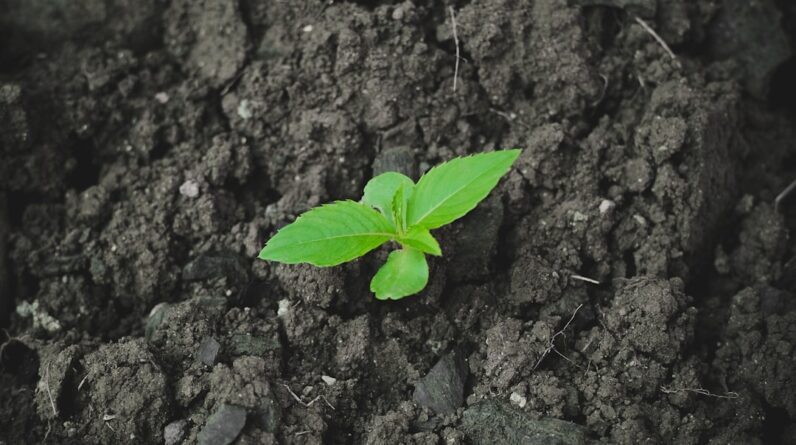
Healthy forests are vital to the well-being of our planet and its inhabitants. They serve as the lungs of the Earth, absorbing carbon dioxide and releasing oxygen, which is essential for life. When you think about forests, you might picture towering trees, vibrant wildlife, and lush undergrowth.
However, their significance extends far beyond their beauty. Forests play a crucial role in regulating climate, maintaining biodiversity, and providing resources such as timber, food, and medicine. As you explore the importance of healthy forests, you begin to understand that they are not just a collection of trees; they are complex ecosystems that support countless forms of life.
Moreover, healthy forests contribute to water quality and availability. They act as natural filters, trapping pollutants and sediments before they reach rivers and streams. This filtration process is essential for maintaining clean water supplies for both humans and wildlife.
When you consider the interconnectedness of life on Earth, it becomes clear that the health of forests directly impacts the health of the planet. By preserving and nurturing these ecosystems, you are not only safeguarding biodiversity but also ensuring that future generations can enjoy the myriad benefits that healthy forests provide.
Key Takeaways
- Healthy forests are crucial for maintaining biodiversity, regulating climate, and providing essential ecosystem services.
- Soil plays a vital role in the health of forests, providing nutrients, water, and support for tree growth.
- Forests impact soil health by contributing organic matter, preventing erosion, and regulating water flow.
- The relationship between soil and tree growth is symbiotic, with healthy soil supporting strong and resilient trees.
- Deforestation can lead to soil degradation, loss of biodiversity, and increased vulnerability to erosion and landslides.
The Role of Soil in Forest Health
Soil is often overlooked in discussions about forest health, yet it is a fundamental component of any thriving ecosystem. The soil beneath your feet is a living entity, teeming with microorganisms, nutrients, and organic matter that support plant life. In forests, soil serves as the foundation for trees and other vegetation, providing them with essential nutrients and water.
When you delve into the role of soil in forest health, you realize that it is not merely a passive medium; it actively influences the growth and vitality of trees. Healthy soil is rich in organic matter, which enhances its structure and fertility. This organic matter comes from decomposed plant material, animal waste, and microorganisms that break down these substances into usable nutrients.
As you learn more about soil health, you discover that it is intricately linked to the overall health of the forest. Poor soil quality can lead to stunted tree growth, increased vulnerability to pests and diseases, and reduced biodiversity. Therefore, maintaining healthy soil is essential for sustaining vibrant forest ecosystems.
How Forests Impact Soil Health

Forests have a profound impact on soil health through various processes that enhance its quality and fertility. The canopy of trees plays a crucial role in regulating temperature and moisture levels in the soil. When rain falls on a forest, the leaves intercept some of the water, allowing it to evaporate slowly rather than flooding the ground.
This gradual release of moisture helps maintain a consistent level of humidity in the soil, which is vital for the survival of many organisms. Additionally, the root systems of trees contribute significantly to soil health. As you observe trees in a forest, you may notice their roots extending deep into the ground.
These roots not only anchor the trees but also create channels in the soil that improve aeration and drainage. Furthermore, when trees shed their leaves or die, they contribute organic matter to the soil, enriching it with nutrients. This cycle of growth and decay fosters a dynamic environment where soil organisms thrive, ultimately leading to healthier forests.
The Relationship Between Soil and Tree Growth
The relationship between soil and tree growth is a delicate balance that determines the overall health of a forest ecosystem. Trees rely on soil for essential nutrients such as nitrogen, phosphorus, and potassium. When you consider how trees absorb these nutrients through their roots, it becomes evident that healthy soil is paramount for robust tree growth.
In nutrient-rich soils, trees can grow taller and stronger, producing more leaves and seeds that contribute to forest regeneration. Conversely, poor soil conditions can hinder tree growth and development. Compacted or depleted soils may lack the necessary nutrients for trees to thrive.
As you reflect on this relationship, you realize that maintaining healthy soil is not just about supporting individual trees; it is about fostering an entire ecosystem. When trees flourish in nutrient-rich soils, they provide habitat for wildlife, improve air quality, and contribute to carbon sequestration efforts. Thus, nurturing soil health is essential for promoting sustainable tree growth and ensuring the longevity of forest ecosystems.
The Impact of Deforestation on Soil Health
Deforestation poses a significant threat to both forest ecosystems and soil health. When trees are removed from an area, the protective canopy that regulates temperature and moisture levels is lost. This disruption can lead to increased erosion as rainwater washes away topsoil, which is rich in nutrients essential for plant growth.
As you consider the consequences of deforestation, it becomes clear that the loss of trees directly impacts soil quality and fertility. Moreover, deforestation can lead to a decline in biodiversity within both forest and soil ecosystems. The removal of trees disrupts the delicate balance between various species that rely on one another for survival.
Soil organisms that thrive in healthy forests may struggle to adapt to altered conditions following deforestation. This loss of biodiversity can result in a decline in soil health over time, creating a vicious cycle that further exacerbates environmental degradation. Understanding these impacts highlights the urgent need for sustainable land management practices that prioritize both forest conservation and soil health.
Strategies for Maintaining Healthy Forests and Soils
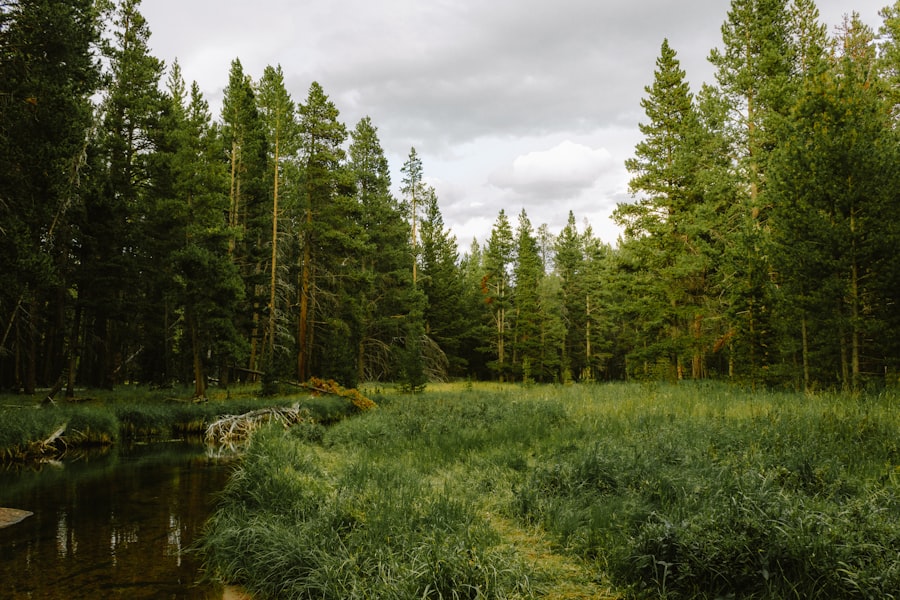
To ensure the long-term health of forests and soils, it is essential to implement effective management strategies that promote sustainability. One approach involves reforestation efforts aimed at restoring degraded areas by planting native tree species that are well-adapted to local conditions. As you consider this strategy, you recognize that reforestation not only helps restore tree cover but also enhances soil quality by reintroducing organic matter and improving nutrient cycling.
Another important strategy is adopting agroforestry practices that integrate trees into agricultural landscapes. By combining crops with trees, you can create a more resilient ecosystem that benefits both agriculture and forestry. This approach enhances soil health by reducing erosion, improving water retention, and increasing biodiversity.
As you explore these strategies further, you realize that collaboration among stakeholders—such as local communities, governments, and conservation organizations—is crucial for implementing effective forest management practices that prioritize both tree health and soil vitality.
The Benefits of Healthy Soils for Ecosystems
Healthy soils are foundational to thriving ecosystems beyond just forests. They support diverse plant life that provides food and habitat for countless animal species. When you think about healthy soils, consider how they contribute to nutrient cycling within ecosystems.
Microorganisms break down organic matter into essential nutrients that plants can absorb, creating a continuous cycle of growth and decay that sustains life. Furthermore, healthy soils play a critical role in water management within ecosystems. They act as sponges that absorb rainfall and release it slowly into streams and rivers, helping to maintain water levels during dry periods.
This function is particularly important in preventing flooding during heavy rains while ensuring a steady supply of water during droughts. As you reflect on these benefits, it becomes evident that healthy soils are not just an asset; they are a necessity for maintaining ecological balance and resilience.
The Role of Forest and Soil Conservation in Sustainable Development
The conservation of forests and soils is integral to achieving sustainable development goals worldwide. As you consider the interconnectedness of environmental health and human well-being, it becomes clear that protecting these natural resources is essential for ensuring food security, clean water access, and climate resilience. Sustainable development hinges on finding a balance between economic growth and environmental stewardship.
Investing in forest conservation initiatives can lead to numerous benefits for local communities while preserving vital ecosystems. For instance, sustainable forestry practices can provide livelihoods for communities while ensuring that forests continue to thrive. Additionally, promoting education about the importance of healthy soils can empower individuals to adopt practices that enhance soil quality on their own lands.
By prioritizing forest and soil conservation within sustainable development frameworks, you contribute to a healthier planet for future generations while fostering economic opportunities today. In conclusion, understanding the intricate relationships between forests and soils reveals their critical roles in maintaining ecological balance and supporting life on Earth. By recognizing their importance and implementing effective conservation strategies, you can play an active role in promoting healthy ecosystems that benefit both nature and humanity alike.
If you are interested in learning more about the importance of planting trees for the environment, check out the article Why Is Planting Trees Bad for the Environment?. This article delves into the potential negative impacts of tree planting initiatives and offers a different perspective on the benefits of healthy forests and soils. Understanding the complexities of environmental conservation is crucial for making informed decisions about sustainable practices.
FAQs
What is the connection between healthy forests and healthy soils?
Healthy forests play a crucial role in maintaining healthy soils. The trees and plants in forests help to prevent soil erosion, retain moisture, and provide organic matter that enriches the soil.
How do forests prevent soil erosion?
The roots of trees and plants in forests help to hold the soil in place, preventing erosion caused by wind and water. This is especially important on sloped terrain where erosion is more likely to occur.
How do forests contribute to soil moisture retention?
The canopy of trees in forests helps to reduce the impact of rainfall on the soil, allowing water to infiltrate and be retained in the soil. This helps to maintain soil moisture levels, which is essential for the health of the soil and the plants that grow in it.
How do forests enrich the soil?
Forests contribute organic matter to the soil through the decomposition of leaves, branches, and other plant material. This organic matter provides essential nutrients and improves the structure of the soil, making it more conducive to plant growth.
What are the benefits of healthy soils for forests?
Healthy soils support the growth of diverse plant species, which in turn contributes to the overall health and biodiversity of the forest ecosystem. Healthy soils also help to regulate water flow and nutrient cycling, which are essential for the long-term sustainability of forests.