Have you ever wondered about the connection between deforestation and global warming? It’s a complex but critical issue that affects not just the environment, but also our daily lives, health, and well-being. Understanding this relationship is crucial if we want to protect our planet and ensure a sustainable future.
What is Global Warming?
Global warming refers to the long-term rise in Earth’s average surface temperature due to human activities, particularly the emission of greenhouse gases like carbon dioxide (CO2), methane, and nitrous oxide. This warming has far-reaching impacts on climatic patterns, weather events, and ecosystems.
Causes of Global Warming
Understanding the root causes of global warming can help us tackle the issue more effectively. Here are some of the main contributors:
- Greenhouse Gas Emissions: Predominantly from burning fossil fuels like coal, oil, and natural gas.
- Deforestation: Loss of forests that act as carbon sinks, absorbing CO2.
- Industrial Processes: Emission of various pollutants and gases during manufacturing.
- Agricultural Activities: Release of methane from livestock and other agricultural processes.
Effects of Global Warming
Global warming affects various aspects of life on Earth. Here’s a quick overview:
- Climate Change: More frequent and severe weather events.
- Rising Sea Levels: Melting ice caps and glaciers contribute to sea-level rise.
- Loss of Biodiversity: Many species cannot adapt quickly enough and face extinction.
- Human Health: Increased heatwaves, spread of diseases, and food insecurity.
Deforestation: An Overview
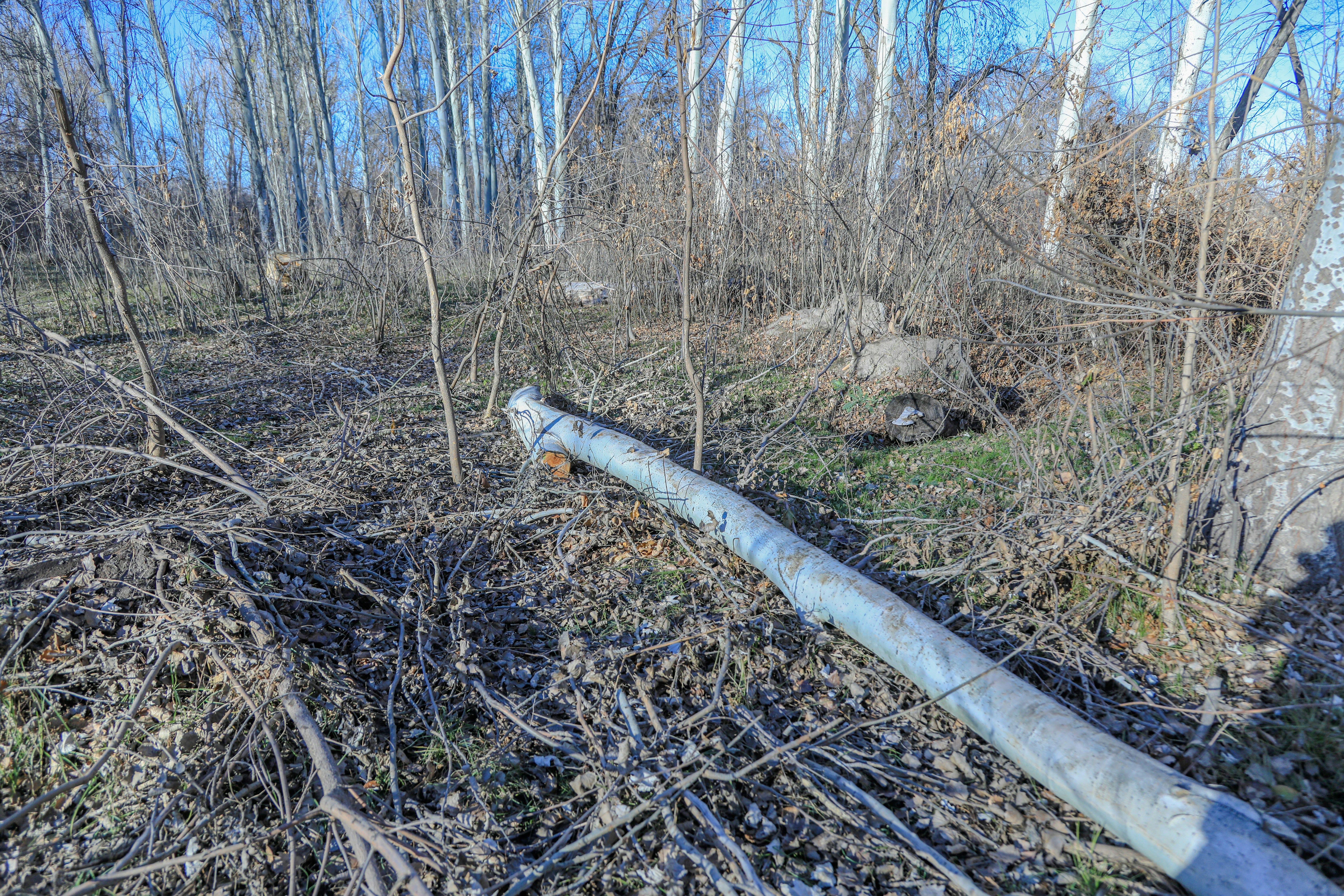
Deforestation involves the large-scale removal of forests, often to make way for agricultural, industrial, or urban developments. This practice has devastating effects on the environment, biodiversity, and climate.
Reasons for Deforestation
Why does deforestation happen? The primary drivers include:
- Agriculture: Clearing land for crops and livestock.
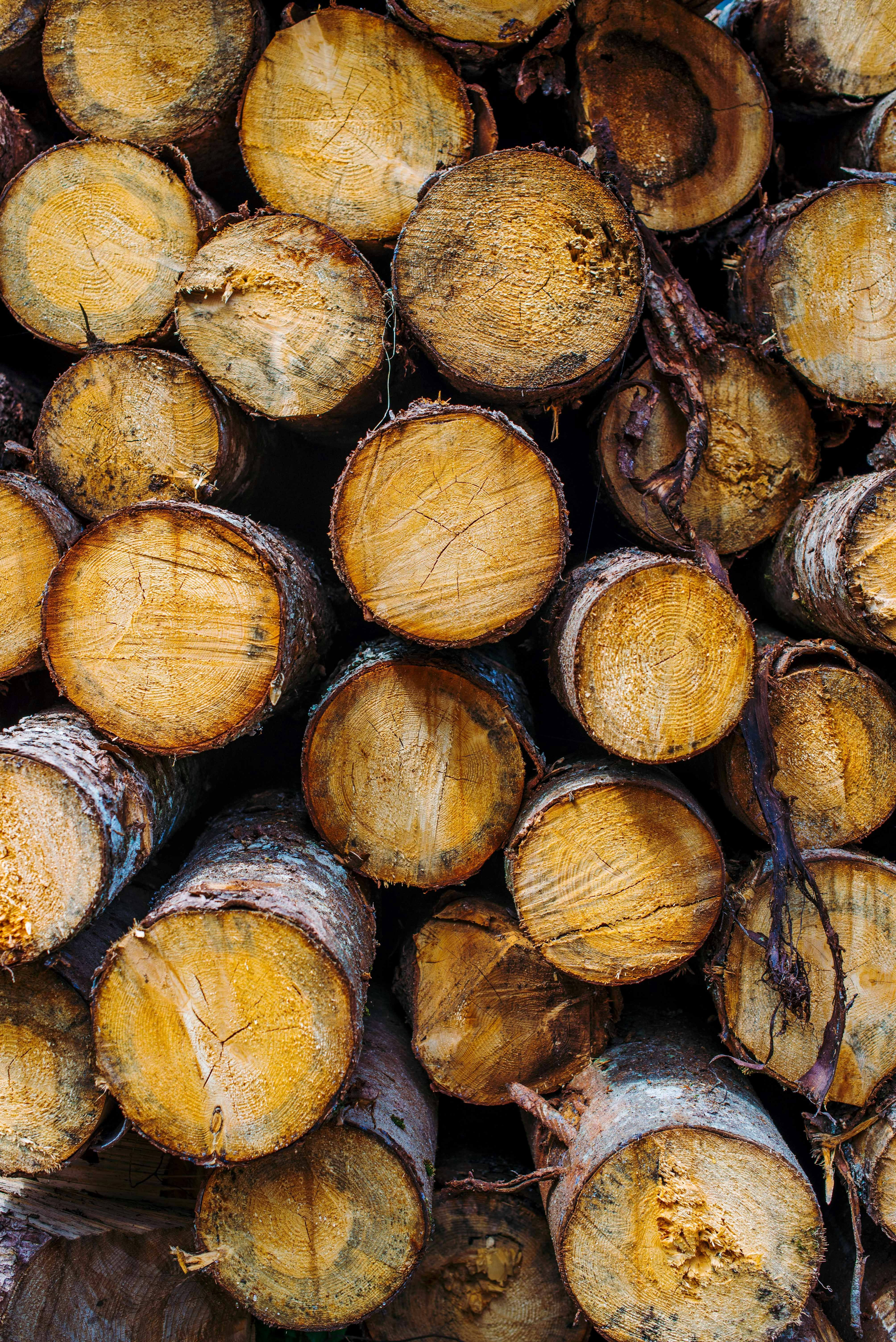
- Logging: Harvesting timber for construction and paper.
- Urbanization: Expanding cities and infrastructure.
- Mining: Extracting minerals and fossil fuels.
Global Deforestation Rates
It’s important to grasp the scale of the problem. Here’s a table showcasing deforestation rates in various regions:
| Region | Annual Deforestation Rate (%) | Main Causes |
|---|---|---|
| South America | 0.45 | Agriculture, Logging |
| Africa | 0.54 | Agriculture, Urbanization |
| Asia | 0.35 | Agriculture, Mining |
| North America | 0.09 | Urbanization, Agriculture |
The Connection Between Deforestation and Global Warming
How does deforestation contribute to global warming? Removing trees interrupts the natural carbon cycle, leading to higher concentrations of CO2 in the atmosphere.
Trees as Carbon Sinks
Trees absorb CO2 during photosynthesis, storing carbon and releasing oxygen. By cutting down trees, we eliminate these crucial carbon sinks.
Release of Stored Carbon
When trees are felled and often burned, the carbon stored over decades or even centuries is released back into the atmosphere almost immediately. This accelerates the warming process.
Impact on the Water Cycle
Forests play a vital role in maintaining the water cycle. They help regulate rainfall and local climate. Deforestation disrupts these systems, leading to more extreme weather conditions and elevating temperatures.
The Ripple Effects of Deforestation on Global Warming
The impact of deforestation extends beyond just increased CO2 levels. It also brings about a cascade of other environmental changes that contribute to global warming.
Soil Erosion and Degradation
Without tree roots to anchor the soil, erosion increases, leading to the loss of fertile land. This process also releases stored carbon, contributing further to greenhouse gas levels.
Loss of Biodiversity
Forests are home to millions of species. Deforestation leads to habitat loss and species extinction, disrupting ecosystems and the balance of natural processes, amplifying global warming effects.
Changes in Albedo Effect
Forests generally have a lower albedo, meaning they absorb more sunlight. When forests are replaced by agriculture or urban areas with higher albedo, less heat is absorbed, disrupting local climates and potentially contributing to global warming in unexpected ways.
Efforts to Combat Deforestation
Addressing deforestation is crucial in the fight against global warming. Various strategies are employed globally, ranging from policy interventions to grassroots movements.
Reforestation and Afforestation
Reforestation involves replanting trees in deforested areas. Afforestation is the process of planting trees in areas that previously did not have forests. Both practices help restore carbon sinks and mitigate climate change.
Sustainable Forestry Practices
Implementing sustainable logging practices ensures that forest resources are used without causing long-term environmental damage. This includes selective logging, reducing the impact of extraction, and maintaining biodiversity.
Legal and Policy Measures
Governments and international bodies are enacting stricter regulations to curb deforestation. Protected areas, forest conservation laws, and international agreements like the Paris Accord aim to reduce deforestation rates.
Community-Based Initiatives
Local communities play a crucial role in forest conservation. Indigenous practices often prioritize sustainable use of forest resources, and community-led initiatives can be effective in protecting forested areas.
How You Can Help
Individual actions may seem small, but collectively, they can make a significant impact. Here are some ways you can contribute to combating deforestation and global warming.
Adopt Sustainable Practices
Opt for products made from sustainable materials and support companies that prioritize environmental responsibility. Reduce, reuse, and recycle paper products to lower demand for logging.
Support Reforestation Projects
Donate to or volunteer with organizations that engage in reforestation efforts. Every tree planted helps restore the balance of our carbon cycle.
Educate and Advocate
Stay informed about deforestation and its impacts on global warming. Share this knowledge with your community and advocate for policies that protect forests and promote sustainable practices.

Conclusion
Understanding the intricate relationship between deforestation and global warming is essential for addressing one of the most pressing environmental challenges of our time. By recognizing the causes and effects, supporting sustainable practices, and engaging in proactive measures, you can play a part in protecting our planet for future generations.
The fight against global warming is inextricably linked with our efforts to preserve and restore forests. Each action, no matter how small, contributes to the larger goal of a healthier, more sustainable world. Don’t underestimate the power of informed and concerted efforts in making a lasting positive change.