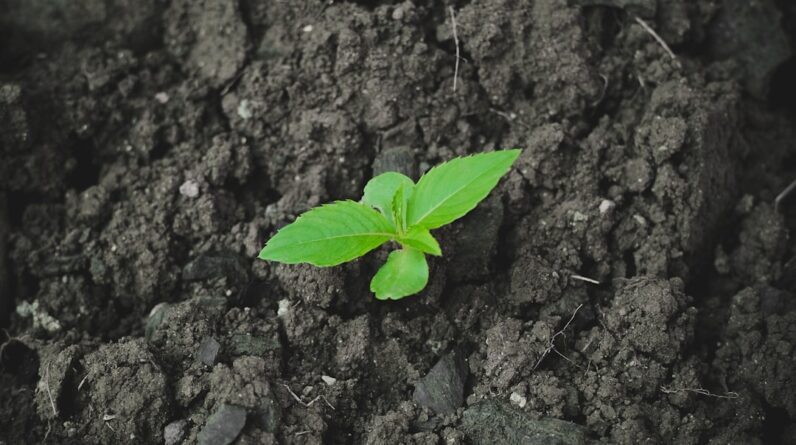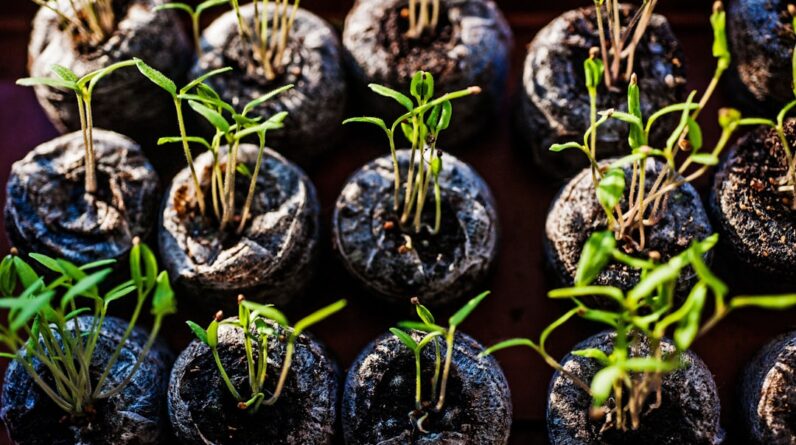
Seeds are the very foundation of agriculture, serving as the starting point for the growth of crops that sustain human life. When you think about it, every meal you enjoy can be traced back to a seed. These tiny packages of potential hold the genetic material necessary for the development of plants that provide food, fiber, and fuel.
The significance of seeds extends beyond mere sustenance; they are integral to the agricultural economy and play a crucial role in food production systems worldwide. As you delve deeper into the world of agriculture, you will discover that seeds are not just commodities; they are living entities that carry the history and future of our food systems. In modern agriculture, the importance of seeds is magnified by the need for increased productivity and sustainability.
With a growing global population, the demand for food is at an all-time high. You may find it fascinating that advancements in seed technology, such as hybridization and genetic modification, have led to the development of crops that are more resilient to pests, diseases, and environmental stresses. These innovations have allowed farmers to maximize yields while minimizing resource use.
However, it is essential to recognize that the reliance on a limited number of seed varieties can pose risks to food security and biodiversity. Thus, understanding the importance of seeds in agriculture is not just about recognizing their role in food production; it also involves acknowledging the need for diversity and sustainability in our agricultural practices.
Key Takeaways
- Seeds are the foundation of agriculture and play a crucial role in ensuring food security and sustainable farming practices.
- Seeds are essential for maintaining biodiversity and conserving plant species, which is vital for the health of ecosystems and the resilience of food systems.
- Access to diverse and resilient seeds can help address food insecurity by providing farmers with the tools to adapt to changing environmental conditions and produce a variety of nutritious crops.
- Seeds have the potential to mitigate climate change by promoting agroecological practices, such as carbon sequestration and drought resistance, and reducing the reliance on chemical inputs.
- Seed diversity can have a significant economic impact by providing opportunities for innovation, market differentiation, and resilience in the face of changing environmental and market conditions.
The Role of Seeds in Biodiversity Conservation
Seeds play a pivotal role in biodiversity conservation, acting as repositories of genetic diversity that are crucial for the resilience of ecosystems. When you consider the vast array of plant species that exist, each one contributes to a balanced ecosystem. Seeds are essential for maintaining this balance, as they allow for the regeneration of plant populations and the continuation of various species.
By preserving a wide variety of seeds, you help ensure that ecosystems can adapt to changing environmental conditions and threats such as climate change and habitat destruction. Moreover, seeds are vital for preserving traditional agricultural practices and heirloom varieties that have been cultivated over generations. These varieties often possess unique traits that make them well-suited to specific local conditions.
By supporting seed diversity, you contribute to the conservation of cultural heritage and traditional knowledge associated with agriculture. This connection between seeds and biodiversity highlights the importance of protecting not only the seeds themselves but also the ecosystems and communities that rely on them for their livelihoods.
How Seeds Can Address Food Insecurity
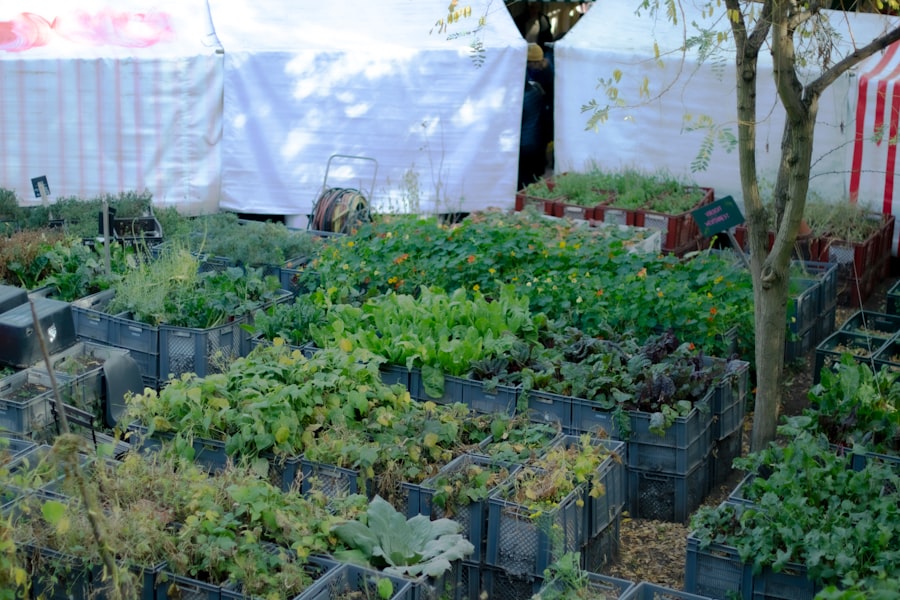
Food insecurity is a pressing global issue that affects millions of people worldwide. You may be surprised to learn that seeds can play a significant role in addressing this challenge. By promoting access to diverse and resilient seed varieties, communities can enhance their food production capabilities and improve their nutritional outcomes.
When farmers have access to high-quality seeds that are adapted to their local environments, they can cultivate crops that thrive under specific conditions, ultimately leading to increased yields and better food security. Furthermore, community seed banks and local seed-saving initiatives empower individuals to take control of their food systems. By saving and sharing seeds within communities, you foster a sense of ownership and resilience against external pressures such as market fluctuations or climate change.
This grassroots approach not only enhances food security but also strengthens community ties and promotes sustainable agricultural practices. In this way, seeds become a powerful tool for addressing food insecurity while simultaneously building stronger, more self-sufficient communities.
The Potential of Seeds in Climate Change Mitigation
As climate change continues to pose significant challenges to agriculture, seeds hold immense potential for mitigating its impacts. You might find it intriguing that certain seed varieties have been developed specifically to withstand extreme weather conditions such as droughts, floods, and rising temperatures. By cultivating these resilient crops, farmers can adapt their practices to changing climates while maintaining productivity.
This adaptability is crucial for ensuring food security in an era marked by unpredictable weather patterns. Moreover, seeds contribute to climate change mitigation through their role in carbon sequestration. Healthy plants absorb carbon dioxide from the atmosphere during photosynthesis, helping to reduce greenhouse gas concentrations.
By promoting diverse seed varieties that support healthy ecosystems, you can contribute to a more sustainable agricultural system that not only feeds people but also helps combat climate change. The potential of seeds in this context underscores their importance as a tool for both adaptation and mitigation in the face of environmental challenges.
The Economic Impact of Seed Diversity
The economic impact of seed diversity cannot be overstated. When you consider the agricultural sector as a whole, it becomes clear that diverse seed varieties contribute significantly to local economies. Farmers who cultivate a range of crops can tap into different markets, reducing their reliance on single cash crops and increasing their resilience against market fluctuations.
This diversification not only enhances farmers’ income but also promotes food sovereignty by allowing communities to produce a variety of foods tailored to their needs. Additionally, seed diversity fosters innovation within the agricultural sector. As you explore different seed varieties, you will find that they often come with unique traits that can lead to new products or improved agricultural practices.
This innovation can drive economic growth by creating new opportunities for farmers, researchers, and entrepreneurs alike. By investing in seed diversity, you support a more robust agricultural economy that benefits everyone involved in the food production chain.
The Cultural and Social Significance of Seeds
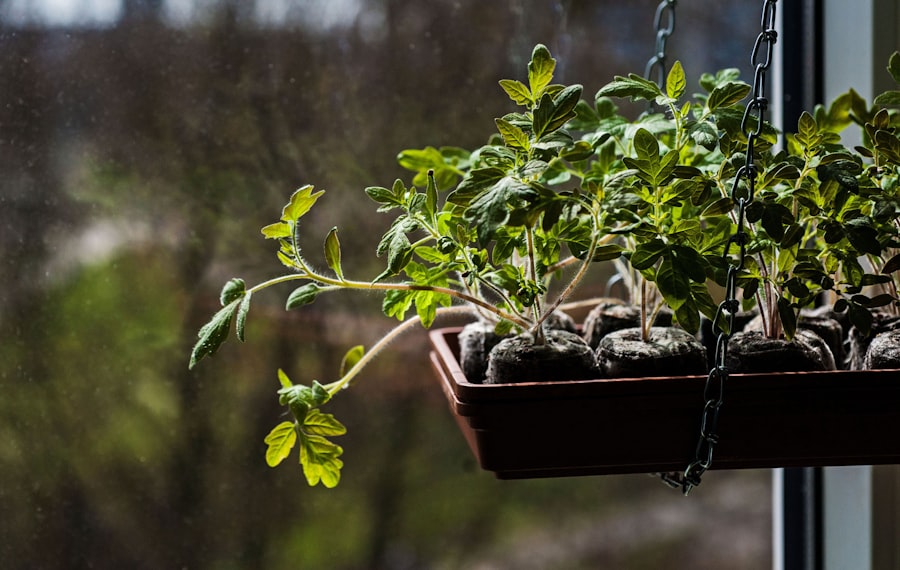
Seeds carry profound cultural and social significance that transcends their biological function. For many communities around the world, seeds are intertwined with identity, tradition, and heritage. When you think about indigenous cultures or traditional farming communities, you may realize that specific seed varieties often hold deep cultural meanings and are celebrated through rituals and festivals.
These practices not only honor the seeds themselves but also reinforce community bonds and shared values. Moreover, seeds serve as symbols of resilience and hope in times of adversity. In many regions facing challenges such as conflict or environmental degradation, communities turn to traditional seeds as a means of reclaiming their agricultural heritage and asserting their rights to self-determination.
By recognizing the cultural and social significance of seeds, you can appreciate how they serve as a bridge between past and present, connecting generations through shared agricultural practices and knowledge.
Seed Preservation and the Future of Agriculture
The preservation of seeds is critical for ensuring the future of agriculture in an ever-changing world. As you consider the challenges posed by climate change, urbanization, and industrial agriculture, it becomes evident that safeguarding seed diversity is essential for maintaining resilient food systems. Seed banks and conservation programs play a vital role in this effort by collecting and storing seeds from various plant species, ensuring that they remain available for future generations.
In addition to formal seed banks, grassroots initiatives focused on seed saving and sharing are gaining momentum worldwide. These community-driven efforts empower individuals to take an active role in preserving local seed varieties while fostering a sense of stewardship over their agricultural resources. By participating in these initiatives or supporting them in your community, you contribute to a more sustainable agricultural future where diverse seeds continue to thrive alongside innovative farming practices.
Empowering Communities through Seed Sovereignty
Seed sovereignty is a concept that emphasizes the rights of communities to save, share, and cultivate their own seeds without external interference or control. This movement empowers individuals by allowing them to reclaim their agricultural heritage and assert their rights over food production systems. When you support seed sovereignty initiatives, you help foster resilience within communities by enabling them to make decisions about their agricultural practices based on local needs and conditions.
By promoting seed sovereignty, you also contribute to broader social justice efforts within agriculture. Many marginalized communities face challenges related to access to resources and decision-making power in food systems. Supporting initiatives that prioritize local seed varieties not only enhances food security but also addresses issues of equity and empowerment within these communities.
In this way, seeds become more than just agricultural inputs; they symbolize hope for a more just and sustainable future where everyone has access to healthy food produced on their terms. In conclusion, seeds are far more than mere components of agriculture; they are vital elements that influence biodiversity conservation, food security, climate change mitigation, economic stability, cultural identity, and community empowerment. As you reflect on the multifaceted roles that seeds play in our lives, consider how your actions can contribute to preserving this invaluable resource for future generations.
Whether through supporting local farmers, participating in seed-saving initiatives, or advocating for policies that promote seed diversity and sovereignty, you have the power to make a difference in the world of agriculture and beyond.
If you are interested in learning more about the impact of planting trees on the environment, you may want to check out the article How Can Trees Save the Earth from Global Warming. This article discusses the crucial role that trees play in combating climate change and the importance of reforestation efforts in preserving our planet. It complements the message of how a handful of seeds can change the world by highlighting the power of trees in creating a more sustainable future for all.
FAQs
What are some examples of seeds that can change the world?
Some examples of seeds that can change the world include quinoa, chia seeds, and moringa seeds. These seeds are not only nutritious but also have the potential to address food security and malnutrition issues globally.
How can seeds contribute to addressing global food security?
Seeds play a crucial role in addressing global food security by providing a sustainable source of nutrition. They can be grown in various climates and conditions, making them accessible to a wide range of communities. Additionally, seeds can be used to cultivate crops that are resilient to climate change and pests, ensuring a more reliable food supply.
What impact can seeds have on sustainable agriculture?
Seeds can have a significant impact on sustainable agriculture by promoting biodiversity, reducing the need for chemical inputs, and preserving traditional farming practices. By cultivating a diverse range of seeds, farmers can improve soil health, conserve water, and minimize environmental degradation.
How do seeds contribute to addressing malnutrition?
Seeds are rich in essential nutrients such as protein, vitamins, and minerals, making them a valuable tool in addressing malnutrition. By incorporating seeds into diets, especially in regions where access to diverse and nutritious foods is limited, it is possible to improve overall health and well-being.
What are some challenges in promoting the use of seeds to change the world?
Some challenges in promoting the use of seeds to change the world include issues related to seed sovereignty, access to quality seeds, and the impact of industrial agriculture on seed diversity. Additionally, there may be cultural and economic barriers to adopting new seed varieties and farming practices.