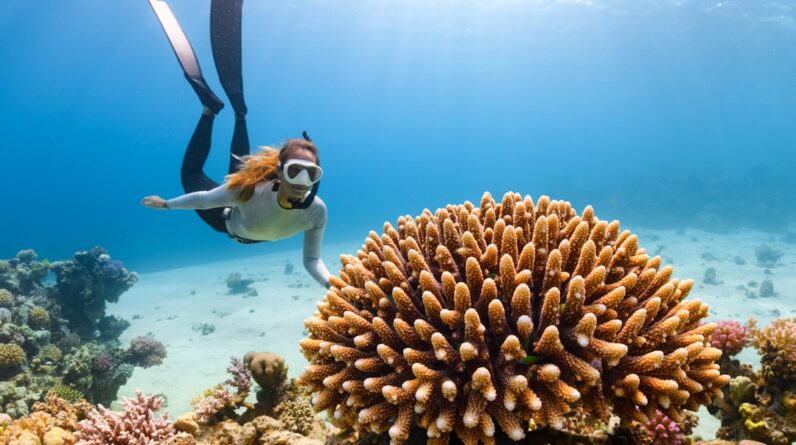
As you gaze out at the vast expanse of the ocean, it’s easy to overlook the critical role these waters play in sustaining life on Earth. The oceans cover more than 70% of our planet’s surface, acting as a vital component of the global ecosystem. They are not just a beautiful backdrop for vacations or a source of seafood; they are essential for maintaining the balance of life.
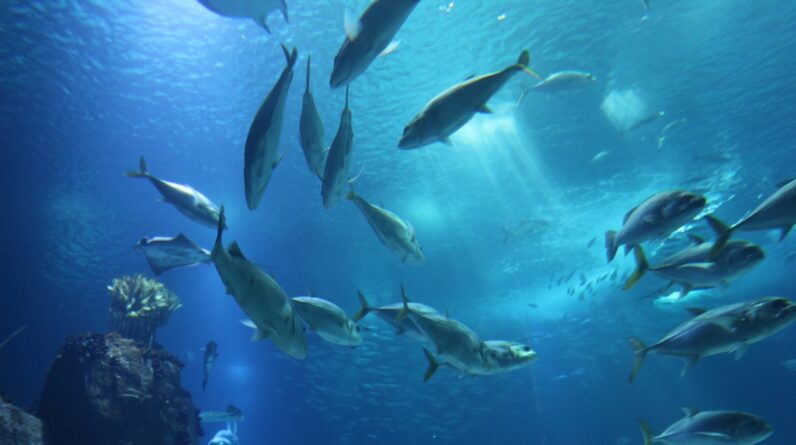
Preserving the oceans is not merely an environmental concern; it is a necessity for human survival. The health of our oceans directly impacts climate regulation, biodiversity, and even our own well-being. When you consider the myriad of life forms that inhabit the oceans, from the smallest plankton to the largest whales, it becomes clear that these ecosystems are incredibly complex and interconnected.
Each species plays a role in maintaining the health of the ocean, which in turn supports life on land. The preservation of these ecosystems is crucial not only for marine life but also for the future of humanity. As you reflect on this, it’s important to recognize that the choices you make today can have lasting effects on the oceans and, consequently, on your own life and the lives of future generations.
Key Takeaways
- Ocean preservation is crucial for maintaining the health of our planet and ensuring a sustainable future for all living beings.
- Oceans play a vital role in producing oxygen through phytoplankton and marine plant life, contributing to the overall oxygen supply on Earth.
- Threats such as pollution, overfishing, and climate change are putting the health of our oceans and the oxygen supply at risk.
- Solutions for preserving our oceans include sustainable fishing practices, reducing plastic pollution, and creating marine protected areas.
- Ocean preservation directly impacts the oxygen supply, as healthy oceans are essential for maintaining a balanced and abundant oxygen supply for all life on Earth.
The Role of Oceans in Oxygen Production
You may not realize it, but oceans are responsible for producing a significant portion of the oxygen you breathe. Phytoplankton, microscopic plants that float on the ocean’s surface, are the unsung heroes of oxygen production. Through photosynthesis, they convert sunlight into energy while releasing oxygen as a byproduct.
In fact, it is estimated that these tiny organisms contribute to about 50% of the Earth’s oxygen supply. This means that every breath you take is partly thanks to the health and vitality of ocean ecosystems. The importance of phytoplankton extends beyond just oxygen production; they also form the foundation of the marine food web.
As you learn more about these organisms, you begin to appreciate their role in supporting larger marine life, from small fish to massive whales. The health of phytoplankton populations is directly linked to ocean conditions such as temperature, nutrient availability, and pollution levels. Therefore, when you think about ocean preservation, consider how it impacts not only oxygen production but also the entire marine ecosystem that sustains life both in and out of the water.
Threats to Ocean Health and Oxygen Supply
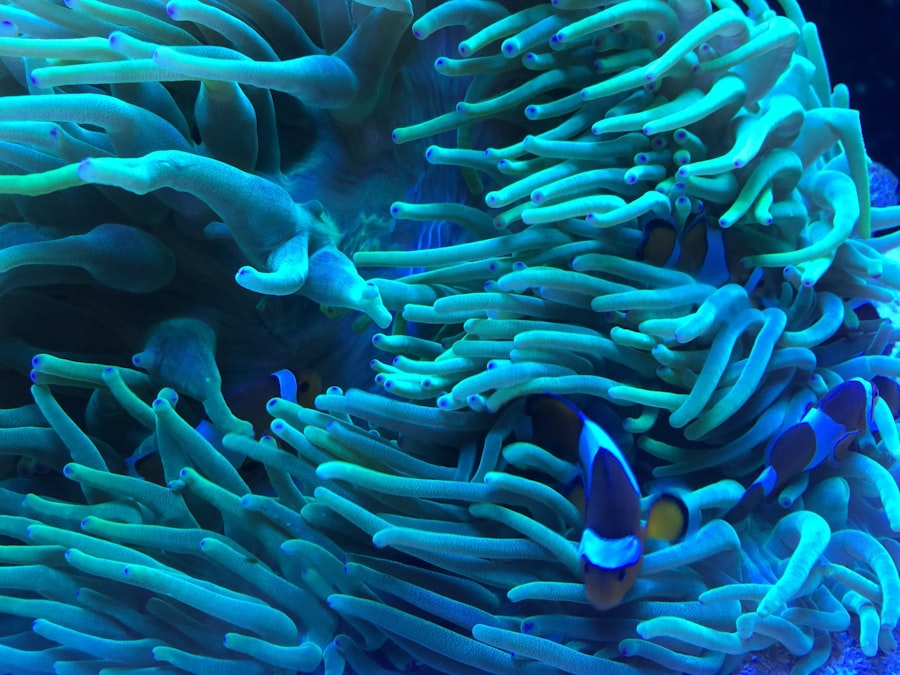
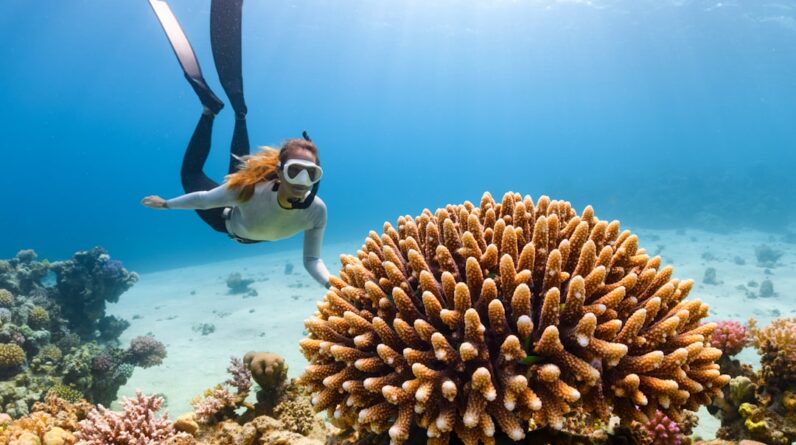
Despite their importance, oceans face numerous threats that jeopardize their health and, consequently, their ability to produce oxygen. Climate change is one of the most pressing issues affecting ocean ecosystems. Rising temperatures lead to coral bleaching, which disrupts marine habitats and diminishes biodiversity.
As you contemplate these changes, consider how they can lead to a decline in phytoplankton populations, ultimately affecting oxygen levels in the atmosphere. Pollution is another significant threat to ocean health. Plastics, chemicals, and agricultural runoff contaminate marine environments, harming both wildlife and plant life.
When you think about the impact of pollution, remember that it doesn’t just affect marine creatures; it also has far-reaching consequences for human health and food security. The degradation of ocean ecosystems can lead to a decline in fish populations and other marine resources that many communities rely on for sustenance. As you reflect on these threats, it becomes clear that protecting our oceans is essential for ensuring a stable oxygen supply and a healthy planet.
Solutions for Preserving Our Oceans
Addressing the challenges facing our oceans requires a multifaceted approach that combines policy changes, community engagement, and individual action. One effective solution is the establishment of marine protected areas (MPAs), which can help safeguard critical habitats from overfishing and pollution. By designating specific regions as off-limits to harmful activities, you can contribute to the recovery of marine ecosystems and support biodiversity.
In addition to MPAs, promoting sustainable fishing practices is crucial for preserving ocean health. As you consider your own consumption habits, think about choosing seafood that is sourced responsibly. Supporting local fisheries that prioritize sustainability can help ensure that fish populations remain stable while also protecting marine habitats.
Furthermore, advocating for policies that limit carbon emissions can play a significant role in combating climate change and its effects on ocean ecosystems. By taking these steps, you can actively participate in preserving our oceans for future generations.
The Impact of Ocean Preservation on Oxygen Supply
The preservation of oceans has a direct correlation with oxygen supply and overall planetary health. When you protect marine ecosystems, you are not only safeguarding biodiversity but also ensuring that phytoplankton populations thrive. Healthy phytoplankton contribute significantly to oxygen production, which is essential for all aerobic life forms on Earth.
As you consider this relationship, it becomes evident that ocean conservation efforts are vital for maintaining atmospheric balance. Moreover, preserving ocean health can mitigate some effects of climate change by enhancing carbon sequestration processes. Oceans act as carbon sinks, absorbing excess carbon dioxide from the atmosphere.
When you support initiatives aimed at reducing pollution and protecting marine habitats, you are also contributing to the ocean’s ability to regulate climate and maintain oxygen levels. This interconnectedness highlights the importance of viewing ocean preservation as a holistic endeavor that benefits not just marine life but all living beings on Earth.
Collaborative Efforts for Ocean Conservation
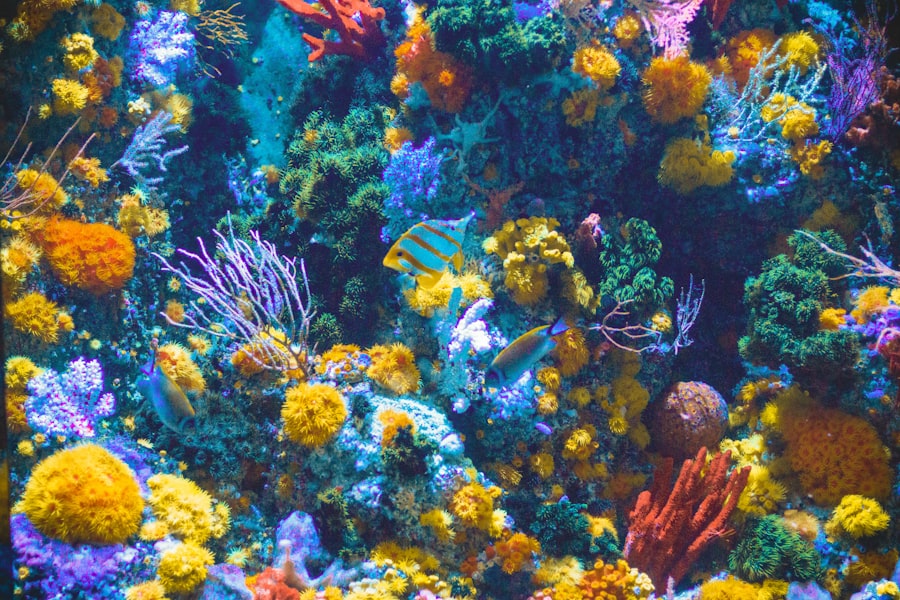
Global Cooperation for Ocean Conservation
Effective ocean conservation efforts rely on collaboration among governments, non-profit organizations, scientists, and local communities. By working together, they can create comprehensive strategies for protecting marine environments. International agreements, such as the Paris Agreement, recognize the intrinsic link between ocean health and climate stability, aiming to address climate change on a global scale.
Local Initiatives for Ocean Preservation
Local initiatives play a crucial role in conservation efforts. Community-led beach clean-ups and educational programs can raise awareness about the importance of ocean preservation, fostering a sense of stewardship among residents. These initiatives can lead to meaningful change in preserving our oceans.
Collective Action for a Sustainable Future
When you participate in or support these initiatives, you contribute to a collective effort that amplifies individual actions into significant impacts. By working together with others who share your passion for ocean conservation, you can help create a more sustainable future for our oceans and the planet.
Individual Actions for Supporting Ocean Preservation
While large-scale initiatives are essential for ocean conservation, individual actions can also make a significant difference. You can start by reducing your plastic consumption; opting for reusable bags, bottles, and containers helps minimize waste that often ends up in oceans. Additionally, being mindful of your water usage and avoiding harmful chemicals in household products can reduce runoff pollution that affects marine ecosystems.
Educating yourself and others about ocean issues is another powerful way to contribute to preservation efforts. By sharing information with friends and family or engaging in community discussions about sustainable practices, you can raise awareness about the importance of protecting our oceans. Every small action counts; whether it’s advocating for policy changes or simply making more sustainable choices in your daily life, your efforts can inspire others to join in the fight for ocean conservation.
The Future of Our Oceans and Oxygen Supply
As you look toward the future, it’s clear that the fate of our oceans—and by extension, our oxygen supply—depends on collective action and commitment to preservation efforts. The challenges are daunting; however, there is hope in the growing awareness surrounding ocean health and its significance for humanity. With advancements in technology and increased collaboration among nations and organizations, there is potential for innovative solutions that can restore and protect marine ecosystems.
Ultimately, your role in this journey cannot be understated. By making informed choices and advocating for sustainable practices, you contribute to a movement that prioritizes ocean preservation. The future of our oceans—and the oxygen supply they provide—rests in your hands as much as it does in those of policymakers and scientists.
Together, through concerted efforts at all levels, we can ensure that our oceans remain vibrant and capable of supporting life for generations to come.
Preserving Our Oceans: A Step Towards Ensuring Oxygen Supply is crucial for the health of our planet. In a related article, How Can Trees Save the Earth from Global Warming?, the importance of trees in combating climate change is highlighted. Just like oceans, trees play a vital role in maintaining oxygen levels and absorbing carbon dioxide. By understanding the interconnectedness of our ecosystems and taking steps to protect both our oceans and forests, we can work towards a more sustainable future for all living beings on Earth.
FAQs
What is the importance of preserving our oceans?
Preserving our oceans is crucial for maintaining the balance of marine ecosystems, sustaining biodiversity, and ensuring the supply of oxygen for all living organisms on Earth.
How does preserving our oceans contribute to ensuring oxygen supply?
Oceans are the primary source of oxygen production on Earth, as marine plants, particularly phytoplankton, produce a significant amount of the oxygen we breathe. Preserving the health of oceans ensures the continued production of oxygen through photosynthesis.
What are some threats to the health of our oceans?
Some of the major threats to the health of our oceans include pollution, overfishing, habitat destruction, climate change, and ocean acidification. These factors can disrupt the delicate balance of marine ecosystems and impact oxygen production.
What are some ways to preserve our oceans?
Preserving our oceans can be achieved through measures such as reducing plastic pollution, implementing sustainable fishing practices, creating marine protected areas, reducing carbon emissions to mitigate climate change, and promoting conservation efforts.
How can individuals contribute to preserving our oceans?
Individuals can contribute to preserving our oceans by reducing their use of single-use plastics, supporting sustainable seafood choices, participating in beach clean-ups, advocating for marine conservation policies, and educating others about the importance of ocean preservation.