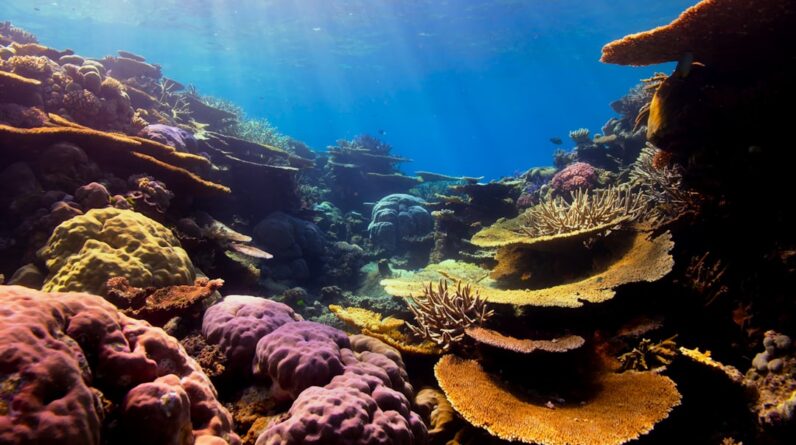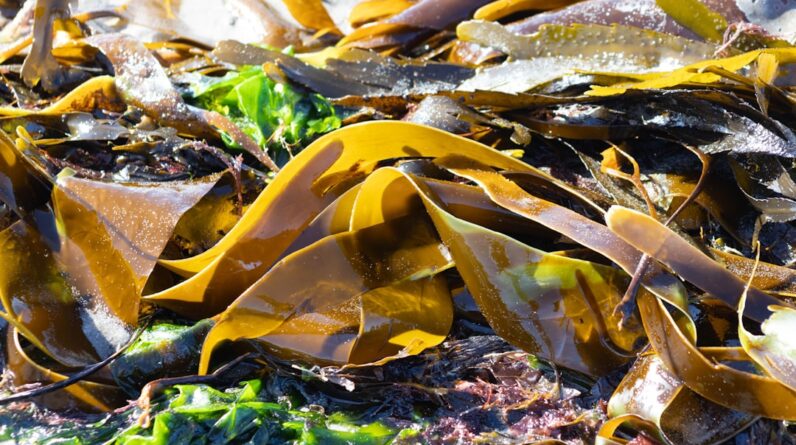
When you think about the ocean, you might picture vast blue waters teeming with life, but have you ever considered the critical role that oxygen plays in this ecosystem? The oceans are responsible for producing a significant portion of the Earth’s oxygen—estimates suggest that around 50% to 80% of the oxygen we breathe comes from marine plants, particularly phytoplankton. These microscopic organisms, along with seaweeds and other aquatic plants, engage in photosynthesis, converting sunlight into energy while releasing oxygen as a byproduct.
This process is not just vital for marine life; it is essential for your survival and that of countless other species on the planet. The importance of ocean oxygen extends beyond just the air you breathe. Healthy oxygen levels in the ocean are crucial for maintaining biodiversity and supporting complex food webs.
Marine animals, from the smallest fish to the largest whales, rely on oxygen-rich waters to thrive. When ocean oxygen levels are adequate, ecosystems flourish, leading to vibrant coral reefs and abundant fish populations. Conversely, when these levels decline, the consequences can be dire, resulting in dead zones where life struggles to exist.
Understanding the significance of ocean oxygen is essential for appreciating the delicate balance of marine ecosystems and recognizing the urgent need to protect them.
Key Takeaways
- Ocean oxygen is crucial for marine life and the overall health of the ocean ecosystem.
- Ocean oxygen levels have been declining due to factors such as climate change and pollution.
- Seaweed farming has been proposed as a solution to boost ocean oxygen levels.
- Seaweed farming can help increase ocean oxygen through photosynthesis and carbon sequestration.
- Seaweed farming not only benefits the environment but also presents economic opportunities, despite facing challenges and considerations.
The Decline of Ocean Oxygen Levels
In recent years, you may have heard alarming reports about the decline of ocean oxygen levels. This phenomenon, often referred to as “ocean deoxygenation,” is primarily driven by climate change, nutrient pollution, and overfishing. As global temperatures rise, warmer waters hold less oxygen, creating a precarious situation for marine life.
Additionally, nutrient runoff from agricultural practices leads to algal blooms that consume vast amounts of oxygen when they decompose, further exacerbating the problem. The result is a growing number of hypoxic or anoxic zones—areas where oxygen levels are so low that most marine life cannot survive. The implications of declining ocean oxygen levels are profound.
You may not realize it, but these changes can disrupt entire ecosystems and lead to significant shifts in species distribution. Fish populations may migrate to find more suitable habitats, while some species may face extinction if they cannot adapt quickly enough. The loss of biodiversity can have cascading effects on food webs and ecosystem services that humans rely on, such as fisheries and coastal protection.
As you consider the future of our oceans, it becomes increasingly clear that addressing the decline in ocean oxygen levels is not just an environmental issue; it is a matter of global importance that affects all life on Earth.
Seaweed Farming as a Solution
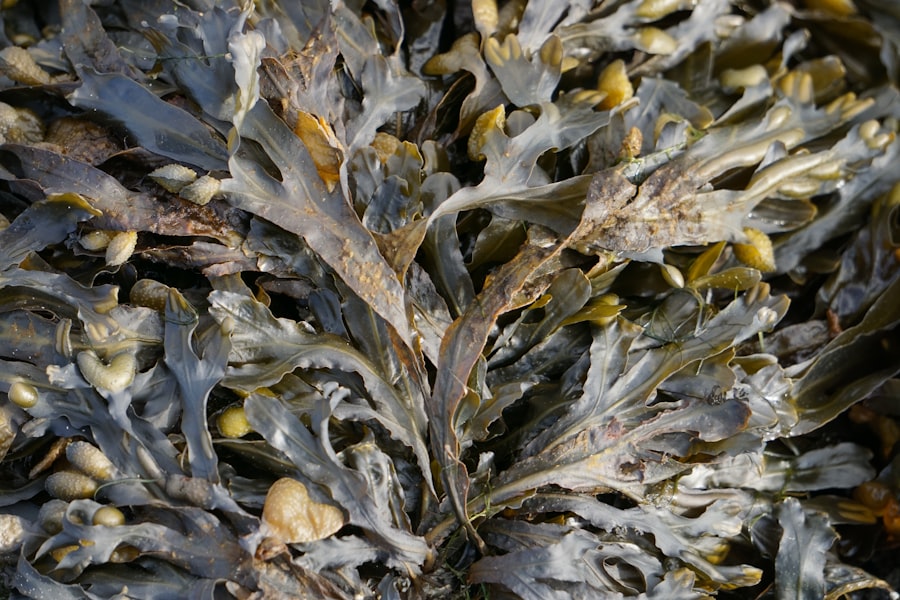
As the challenges posed by declining ocean oxygen levels become more pressing, innovative solutions are emerging to address this critical issue. One such solution is seaweed farming, which has gained traction as a sustainable practice that can help restore balance to marine ecosystems. Seaweed farming involves cultivating various species of seaweed in coastal waters, providing numerous benefits for both the environment and local communities.
This practice not only contributes to oxygen production but also offers a way to mitigate some of the factors contributing to ocean deoxygenation. You might be surprised to learn that seaweed farming has been practiced for centuries in various cultures around the world. However, its potential as a modern solution to environmental challenges is just beginning to be fully recognized.
By harnessing the natural growth processes of seaweeds, farmers can create underwater gardens that absorb carbon dioxide and release oxygen into the water. This process not only helps combat climate change but also supports marine biodiversity by providing habitats for various marine species. As you explore the potential of seaweed farming, you’ll discover that it represents a promising avenue for addressing the urgent need for increased ocean oxygen levels.
How Seaweed Farming Boosts Ocean Oxygen
The mechanics of how seaweed farming boosts ocean oxygen are fascinating and rooted in the natural processes of photosynthesis. When you think about seaweeds, envision vast underwater forests swaying gently with the currents. These plants absorb sunlight and carbon dioxide from their surroundings, using these elements to produce energy through photosynthesis.
In this process, they release oxygen back into the water, contributing significantly to local oxygen levels. The scale at which seaweeds can grow means that even small farms can have a substantial impact on their immediate environment. Moreover, seaweed farming can be strategically implemented in areas suffering from low oxygen levels or nutrient pollution.
By cultivating seaweeds in these regions, you can help create a more balanced ecosystem. As seaweeds grow and thrive, they not only produce oxygen but also absorb excess nutrients from the water column, reducing the likelihood of harmful algal blooms that deplete oxygen levels when they decay. This dual benefit makes seaweed farming an attractive solution for restoring health to marine environments while simultaneously addressing some of the root causes of ocean deoxygenation.
Environmental Benefits of Seaweed Farming
The environmental benefits of seaweed farming extend far beyond just boosting ocean oxygen levels. As you delve deeper into this practice, you’ll find that it plays a crucial role in carbon sequestration—an essential process for combating climate change. Seaweeds absorb carbon dioxide from the atmosphere during photosynthesis and store it in their biomass.
When harvested sustainably, this carbon can be removed from the ocean and stored in products or used as biofuels, effectively reducing greenhouse gas emissions. Additionally, seaweed farms can enhance local biodiversity by providing habitats for various marine organisms. These underwater gardens create shelter and breeding grounds for fish and invertebrates, promoting healthier ecosystems.
You may also appreciate that seaweed farming has minimal negative impacts on surrounding environments compared to traditional agriculture or fishing practices. It requires no freshwater or fertilizers and can even improve water quality by filtering pollutants from coastal waters. As you consider the broader implications of seaweed farming, it becomes evident that this practice offers a holistic approach to environmental stewardship.
Economic Opportunities in Seaweed Farming
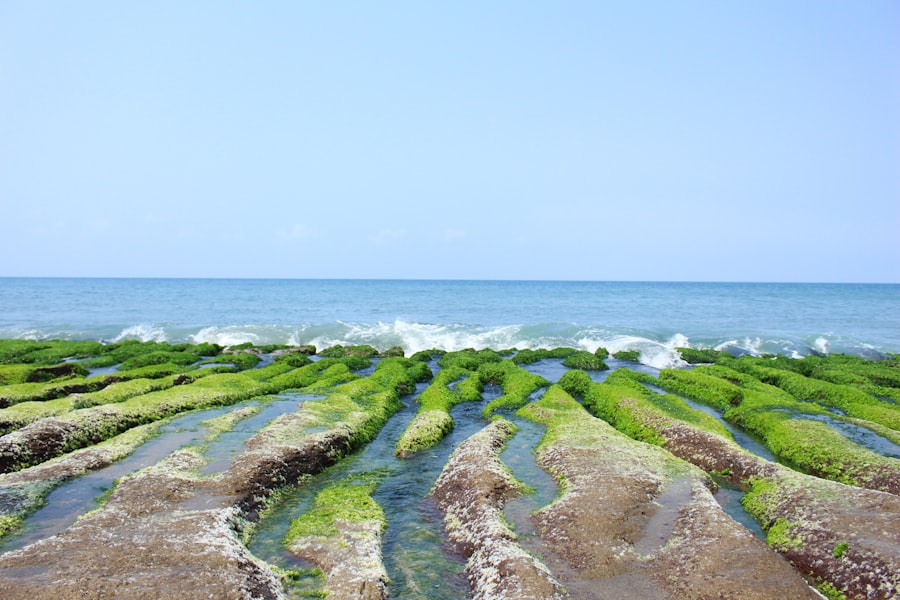
Beyond its environmental advantages, seaweed farming presents significant economic opportunities for coastal communities and entrepreneurs alike. As global demand for sustainable food sources continues to rise, seaweed has emerged as a versatile ingredient with applications ranging from culinary uses to pharmaceuticals and cosmetics. By investing in seaweed farming, you can tap into a growing market while contributing to environmental sustainability.
Moreover, seaweed farming can create jobs and stimulate local economies. From cultivation and harvesting to processing and distribution, various stages of the supply chain require skilled labor and offer employment opportunities for community members. You might find it interesting that some regions have already seen success stories where seaweed farming has revitalized local economies and provided new income streams for fishermen facing declining fish stocks.
As you explore the potential of this industry, you’ll discover that it not only addresses environmental challenges but also fosters economic resilience in coastal areas.
Challenges and Considerations in Seaweed Farming
While seaweed farming holds great promise as a solution to ocean deoxygenation and other environmental issues, it is not without its challenges and considerations. One significant concern is ensuring sustainable practices that do not harm existing marine ecosystems or disrupt local fisheries. As you consider entering this field or supporting its growth, it’s essential to prioritize responsible farming techniques that minimize ecological impacts.
Another challenge lies in regulatory frameworks and market access. Depending on your location, navigating permits and regulations can be complex and time-consuming. Additionally, establishing reliable supply chains and finding markets for harvested seaweed can pose hurdles for new farmers entering the industry.
You may also want to consider potential competition with wild-harvested seaweeds or other aquaculture practices that could affect market dynamics. Addressing these challenges requires collaboration among stakeholders—farmers, scientists, policymakers, and communities—to create a sustainable future for seaweed farming.
The Future of Seaweed Farming for Ocean Oxygen Boost
As you look toward the future of seaweed farming as a means to boost ocean oxygen levels, it’s clear that this practice has immense potential if approached thoughtfully and sustainably. With increasing awareness of climate change and its impacts on marine ecosystems, there is a growing recognition of the need for innovative solutions like seaweed farming. Research and development efforts are underway to optimize cultivation techniques and explore new species with even greater benefits for oxygen production.
Moreover, as consumer preferences shift toward sustainable products, you may find that demand for seaweed-based goods continues to rise across various industries. This trend could further incentivize investment in seaweed farming initiatives while promoting environmental stewardship among consumers. By supporting this burgeoning industry, you can play a role in fostering healthier oceans and contributing to global efforts aimed at combating climate change.
In conclusion, seaweed farming represents a multifaceted solution to one of the most pressing challenges facing our oceans today: declining oxygen levels. By understanding its importance and potential benefits—both environmental and economic—you can appreciate how this practice not only addresses immediate concerns but also paves the way for a more sustainable future for our planet’s oceans. As we move forward together, embracing innovative solutions like seaweed farming will be crucial in ensuring healthy marine ecosystems for generations to come.
Seaweed farming is not the only innovative solution to combatting environmental issues. Another article on preventing floods by massive tree planting discusses how planting trees can help prevent flooding and protect communities from natural disasters. Just like seaweed farming boosts ocean oxygen levels, planting trees can have a positive impact on the environment by reducing the risk of floods and promoting biodiversity. Both methods showcase the power of nature-based solutions in addressing pressing environmental challenges.
FAQs
What is seaweed farming?
Seaweed farming is the practice of cultivating and harvesting seaweed in a controlled environment, typically in the ocean or in coastal areas.
How does seaweed farming boost ocean oxygen?
Seaweed farming boosts ocean oxygen through the process of photosynthesis. Seaweed absorbs carbon dioxide and releases oxygen, helping to increase oxygen levels in the surrounding water.
What are the environmental benefits of seaweed farming?
Seaweed farming has several environmental benefits, including carbon sequestration, nutrient uptake, and providing habitat for marine life. It also helps to mitigate ocean acidification and eutrophication.
Is seaweed farming sustainable?
Seaweed farming is considered to be a sustainable practice, as seaweed grows rapidly and does not require freshwater, arable land, or fertilizers. It also has the potential to be used in various industries, such as food, biofuels, and pharmaceuticals.
What are the challenges of seaweed farming?
Challenges of seaweed farming include potential negative impacts on local ecosystems, competition with other marine activities, and the need for proper management to ensure sustainable practices. Additionally, there may be regulatory and policy barriers to overcome.