As you navigate through the complexities of our planet’s ecological landscape, you may find yourself confronted with a stark reality: we are currently experiencing the Sixth Mass Extinction. This phenomenon, unlike any other in Earth’s history, is characterized by an unprecedented rate of species loss, driven primarily by human activities. While the previous five mass extinctions were largely the result of natural events such as volcanic eruptions or asteroid impacts, the current crisis is largely anthropogenic.
The alarming rate at which species are disappearing serves as a wake-up call, urging you to reflect on your role in this unfolding tragedy. The Sixth Mass Extinction is not merely a distant concern; it is a pressing issue that affects ecosystems worldwide. Scientists estimate that species are vanishing at a rate 100 to 1,000 times faster than the natural background rate of extinction.
This rapid decline in biodiversity poses significant threats not only to wildlife but also to human well-being. As you delve deeper into this topic, you will uncover the intricate connections between species survival, ecosystem health, and the overall stability of our planet. Understanding these relationships is crucial for fostering a sense of responsibility and urgency in addressing this crisis.
Key Takeaways
- The sixth mass extinction is a current event caused by human activity and is characterized by a rapid loss of biodiversity.
- Global warming is a major driver of the sixth mass extinction, leading to habitat loss, changing ecosystems, and increased extinction rates.
- Species such as polar bears, coral reefs, and amphibians are being directly impacted by global warming, facing threats such as habitat destruction and reduced food sources.
- Human activity, including deforestation, pollution, and overconsumption of resources, is accelerating global warming and contributing to the extinction crisis.
- Efforts to combat global warming and protect species include conservation initiatives, sustainable resource management, and international agreements such as the Paris Agreement.
The Impact of Global Warming on Species
Global warming is one of the most significant drivers of the Sixth Mass Extinction, and its effects are felt across various ecosystems. As temperatures rise due to increased greenhouse gas emissions, habitats are altered, and species are forced to adapt or face extinction. You may notice that many animals and plants are struggling to cope with these changes, leading to shifts in their geographical ranges.
For instance, some species are migrating toward cooler areas, while others are unable to move fast enough to escape the rising temperatures. This disruption can lead to mismatches in predator-prey relationships and affect the delicate balance of ecosystems. Moreover, global warming exacerbates other environmental stressors such as habitat destruction, pollution, and invasive species.
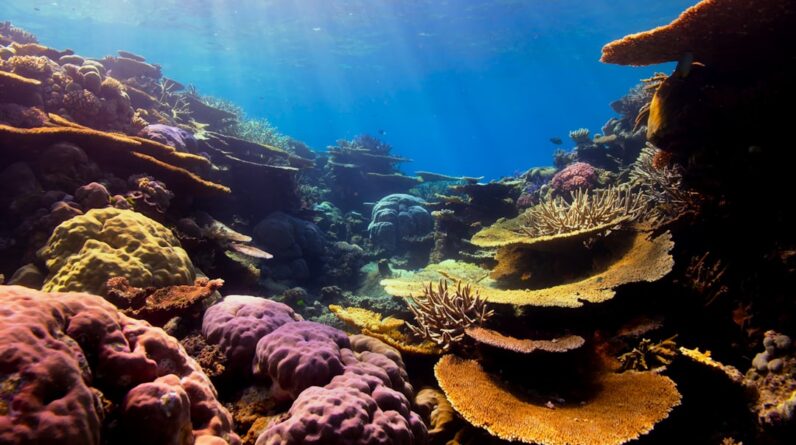
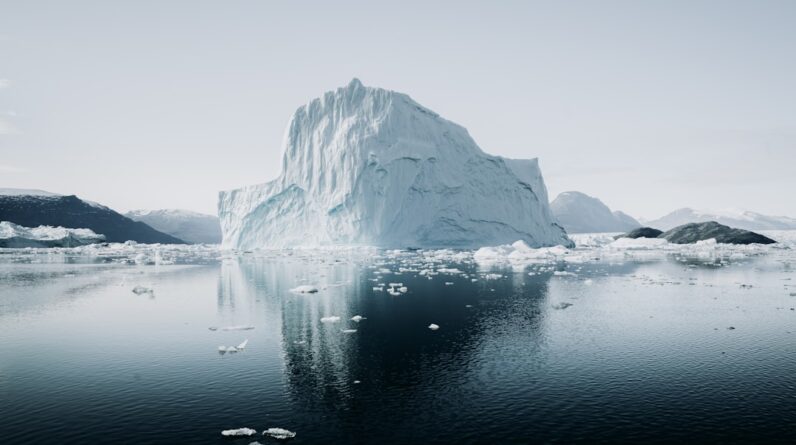
As you consider the implications of these interconnected issues, it becomes clear that global warming is not an isolated problem; it is a catalyst for a cascade of ecological challenges. The loss of ice habitats in polar regions, for example, threatens species like polar bears and seals, while coral reefs face bleaching events due to rising sea temperatures. The consequences of global warming extend beyond individual species; they ripple through entire ecosystems, leading to a decline in biodiversity that can have far-reaching effects on human societies.
Examples of Species Affected by Global Warming

As you explore the impact of global warming on specific species, you will encounter numerous examples that illustrate the dire consequences of climate change. One notable case is that of the iconic polar bear. As sea ice melts due to rising temperatures, these magnificent creatures find it increasingly difficult to hunt for seals, their primary food source.
The loss of habitat not only threatens their survival but also disrupts the entire Arctic ecosystem. You may find it heartbreaking to realize that the fate of such a majestic animal hangs in the balance due to human-induced climate change. Another poignant example is that of amphibians, which are among the most vulnerable groups of animals facing extinction.
Many species rely on specific temperature and moisture conditions for breeding and survival. As global temperatures rise and weather patterns become more erratic, amphibians like frogs and salamanders are experiencing population declines and local extinctions. The chytrid fungus, exacerbated by climate change, has decimated amphibian populations worldwide.
These examples serve as a reminder that global warming does not discriminate; it affects a wide range of species across various habitats, highlighting the urgent need for action.
The Role of Human Activity in Global Warming and Extinction
Your understanding of global warming would be incomplete without acknowledging the significant role human activity plays in this crisis. The burning of fossil fuels for energy, deforestation for agriculture and urban development, and industrial processes all contribute to the accumulation of greenhouse gases in the atmosphere. As you reflect on your daily choices—such as transportation methods, energy consumption, and dietary habits—you may begin to see how individual actions collectively impact the environment.
Each decision you make can either contribute to or mitigate climate change. Furthermore, human activities often lead to habitat destruction and fragmentation, which further exacerbate the challenges faced by vulnerable species. Urbanization encroaches on natural habitats, while agricultural expansion leads to monocultures that diminish biodiversity.
Invasive species introduced by human actions can outcompete native species for resources, leading to further declines in populations. As you consider these factors, it becomes evident that addressing global warming requires not only systemic changes but also a shift in individual behaviors and societal values.
Efforts to Combat Global Warming and Protect Species
In response to the escalating crisis of global warming and its impact on biodiversity, various efforts are underway to combat climate change and protect endangered species. International agreements such as the Paris Agreement aim to limit global temperature rise and promote sustainable practices across nations. As you learn about these initiatives, you may feel a sense of hope knowing that collective action can lead to meaningful change.
Governments, organizations, and individuals are increasingly recognizing the importance of transitioning to renewable energy sources and implementing conservation strategies. On a grassroots level, many communities are engaging in local conservation efforts aimed at protecting endangered species and their habitats. You might find inspiration in initiatives that focus on reforestation, habitat restoration, and wildlife corridors that facilitate safe migration routes for animals affected by climate change.
Additionally, educational programs aimed at raising awareness about biodiversity loss and climate change empower individuals like you to take action in your own lives. By supporting sustainable practices and advocating for policies that prioritize environmental protection, you can contribute to a more sustainable future.
The Importance of Biodiversity and the Sixth Mass Extinction

As you delve deeper into the significance of biodiversity, it becomes clear that it is not merely an abstract concept; it is essential for the health and resilience of ecosystems. Biodiversity contributes to ecosystem services such as pollination, water purification, and climate regulation—services that directly benefit human societies. When you consider the interconnectedness of life on Earth, it becomes evident that each species plays a unique role in maintaining ecological balance.
The loss of even a single species can have cascading effects on food webs and ecosystem stability. The Sixth Mass Extinction serves as a critical reminder of the fragility of our planet’s ecosystems. As you reflect on this reality, you may feel compelled to advocate for biodiversity conservation as a means of safeguarding not only wildlife but also human well-being.
Protecting diverse ecosystems can enhance resilience against climate change impacts and promote sustainable development. By recognizing the intrinsic value of all living beings and their interconnectedness, you can contribute to efforts aimed at preserving biodiversity for future generations.
The Future of Species and Global Warming
Looking ahead, the future of many species hangs in the balance as global warming continues to pose significant challenges. You may wonder what lies ahead for wildlife as temperatures rise and habitats shift or disappear altogether. Some species may adapt through evolutionary changes or migration; however, many others may face extinction if they cannot cope with the rapid pace of change.
The potential loss of biodiversity raises critical questions about ecosystem stability and resilience in an increasingly unpredictable world. As you contemplate these possibilities, it becomes clear that proactive measures are essential for safeguarding our planet’s future. This includes not only mitigating climate change through reduced emissions but also implementing conservation strategies that prioritize habitat protection and restoration.
By fostering collaboration among governments, scientists, conservationists, and communities, we can work together to create a more sustainable future where both people and wildlife thrive.
Taking Action to Prevent Further Extinction
In conclusion, the urgency of addressing global warming and its role in the Sixth Mass Extinction cannot be overstated. As you reflect on your own relationship with the environment, consider how your actions can contribute to positive change. Whether through advocating for policy reforms, supporting conservation initiatives, or making sustainable choices in your daily life, every effort counts in the fight against climate change and biodiversity loss.
The future of our planet depends on collective action and a commitment to preserving the rich tapestry of life that exists within it. By recognizing your role in this global challenge and taking steps toward sustainability, you can help ensure that future generations inherit a world teeming with diverse species and thriving ecosystems. Together, we can work toward preventing further extinction and fostering a harmonious relationship between humanity and nature.
Planting trees is a crucial step in combating global warming and preserving biodiversity. According to an article on Live Life with a Cause, trees play a vital role in absorbing carbon dioxide and releasing oxygen, helping to mitigate the effects of climate change. By stopping deforestation and preventing forest burning, we can protect the habitats of countless species facing extinction due to environmental destruction. Massive tree planting efforts can also help prevent floods by stabilizing soil and reducing erosion, as discussed in another article on the same site (source). It is clear that taking action to protect our planet’s forests is essential in the fight against the sixth mass extinction.
FAQs
What is the sixth mass extinction?
The sixth mass extinction refers to the ongoing extinction event of species on Earth, which is primarily caused by human activities such as habitat destruction, pollution, and climate change.
How is global warming contributing to the sixth mass extinction?
Global warming is contributing to the sixth mass extinction by altering habitats, causing shifts in ecosystems, and disrupting the natural balance of species. Rising temperatures and changing weather patterns are impacting the survival and reproduction of many species.
What are the main factors driving global warming?
The main factors driving global warming include the burning of fossil fuels, deforestation, industrial processes, and agricultural practices. These activities release greenhouse gases such as carbon dioxide and methane into the atmosphere, leading to the trapping of heat and the warming of the planet.
How does the loss of biodiversity impact ecosystems?
The loss of biodiversity can have significant impacts on ecosystems, including reduced resilience to environmental changes, disruption of food chains, and decreased ecosystem services such as pollination and nutrient cycling. It can also lead to the loss of potential sources for new medicines and other valuable resources.
What can be done to mitigate the effects of global warming on species extinction?
Mitigating the effects of global warming on species extinction requires collective efforts to reduce greenhouse gas emissions, protect and restore natural habitats, and implement sustainable practices in agriculture, forestry, and other industries. Conservation efforts and international cooperation are also crucial in addressing this issue.