


Have you ever paused to ponder the profound role that forests play in our lives, beyond their beauty and biodiversity? Forests are more than a collection of trees; they are intricate ecosystems and spirited companions to cultures worldwide. Understanding the cultural significance of forests is integral, especially in the context of reforestation and heritage preservation.
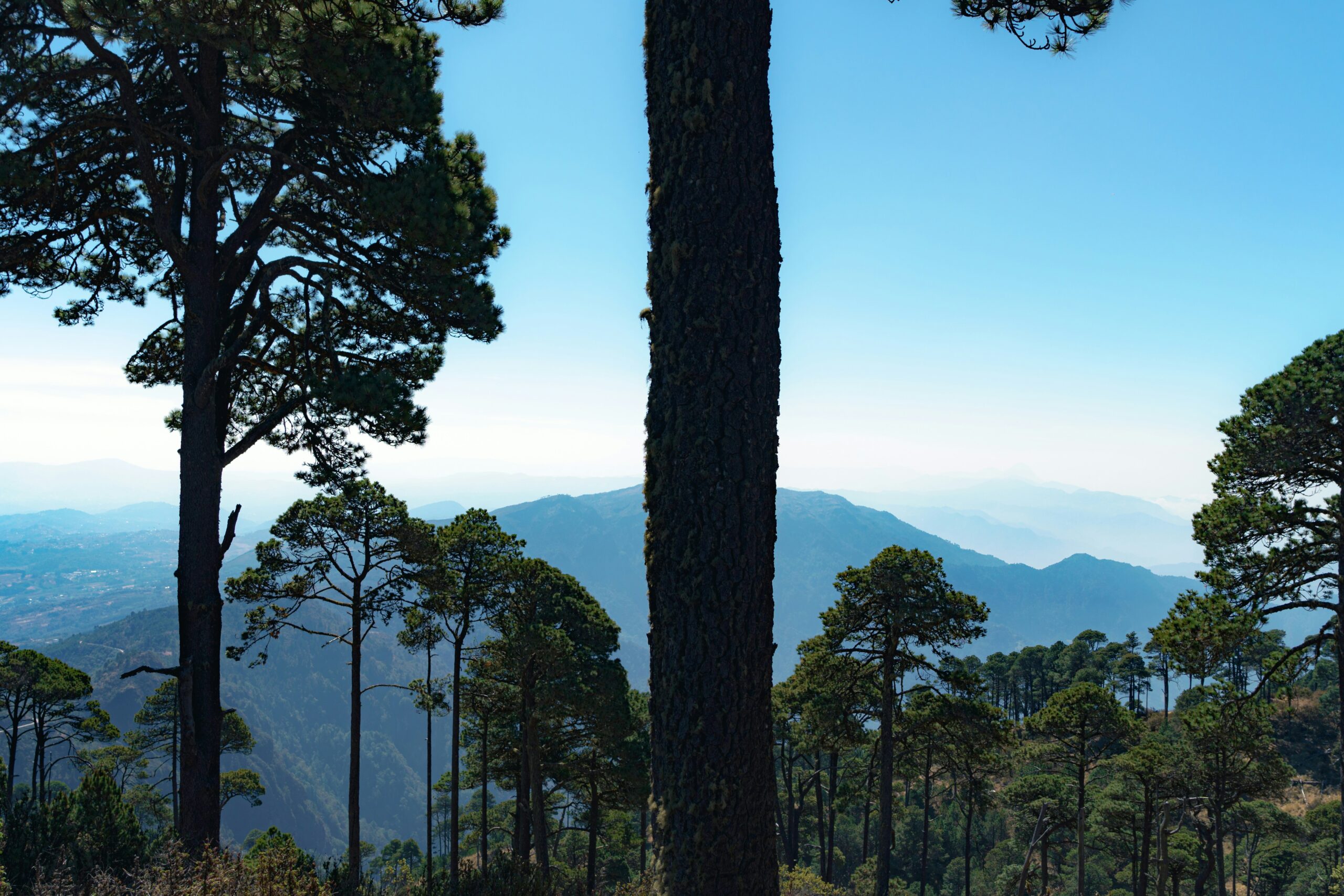
The Historical Bond Between Humans and Forests
Throughout history, forests have been central to human existence, shaping cultures, livelihoods, and spiritual beliefs. Many societies around the globe hold forests sacred, intertwined with their identity and traditions.
Myths and Lore
Forests have long been the birthplace of myths, legends, and folklore. From the mystical forests in European tales to the sacred groves in African and Asian cultures, these natural landscapes are deeply embedded in storytelling traditions. These narratives often highlight human relationships with nature and offer a moral compass, showing the profound respect held for these environments.
Spiritual Significance
In many indigenous cultures, forests are sanctuaries and gateways to spirituality. They are viewed as homes to deities or spirits and are vital in religious practices and ceremonies. For example, in Hinduism, several trees like the banyan and peepal hold significant sacred value and are associated with divine elements.
Forests as Cultural Muse
Beyond spirituality, forests inspire art, music, literature, and cultural expressions. The tranquility and mystery of forests have been muses for countless artists and writers throughout history. This artistic relationship reflects in works that describe nature’s beauty and explore deeper philosophical questions about life, harmony, and humans’ place in the universe.
The Practical Use of Forests in Cultures
Forests have always supported human life with tangible benefits, playing roles in livelihoods and subsistence, which further influence cultural practices and societal norms.
Forests as Resources
The use of forest resources is a fundamental aspect of many cultures. Timber for building, fuel, traditional medicine, and food is sourced from forests and is crucial for survival. This sustenance role cements the forest’s place in cultural practices and community economies.
Social Structures and Forests
Forests influence social structures, particularly in indigenous and rural societies. The community often revolves around forest-based activities, from hunting and gathering to agriculture and craft making. The practices can determine social roles, community hierarchy, and cultural customs such as festivals or harvest celebrations.
The Modern Importance of Forests
While the cultural significance remains steadfast, the modern context adds layers to how we perceive and interact with forests today.
Environmental Significance
Forests play an essential role in environmental balance. They act as the Earth’s lungs, absorbing carbon dioxide and producing oxygen, thus combating climate change. Their biodiversity helps maintain ecological balance, contributing to the health of our planet.
Forests and Urban Life
Even in urban settings, the presence of green spaces and urban forests is invaluable. They provide respite from city life, improve mental health, and serve as communal spaces that boost social cohesion. The inclusion of forests in urban planning reflects a cultural shift recognising nature’s necessity in our daily lives.
The Challenge: Deforestation and Its Cultural Impact
Despite their importance, forests face the significant threat of deforestation, impacting cultural heritage and community livelihoods.
Causes of Deforestation
Deforestation is primarily driven by agricultural expansion, logging, infrastructure development, and mining. These activities not only degrade the environment but also threaten the cultural ties communities have with the land.
Cultural Heritage at Risk
As forests disappear, so do the traditions and cultural heritage tied to them. Languages, rituals, and ancient knowledge linked to the forest environment risk being lost forever. This cultural erosion impacts not only the communities directly involved but also the broader global cultural diversity.

Reforestation: A Path to Heritage Preservation
Reforestation presents not just a means to restore ecological balance but also an opportunity to revive and protect cultural heritage.
The Role of Indigenous Communities
Indigenous communities are often at the forefront of reforestation efforts. Their ancestral knowledge of the land allows for effective practices in restoring forests sustainably. Initiatives that include these communities not only benefit the environment but reinforce cultural ties and empower local people.
Integrating Technology with Tradition
Modern reforestation efforts blend traditional knowledge with scientific methodologies and technology. This integration is crucial in making these efforts economically viable and culturally sensitive, thus supporting the larger goal of heritage preservation.
| Benefits of Integrating Technology and Tradition in Reforestation |
|---|
| Enhances sustainability and effectiveness of reforestation |
| Empowers indigenous communities through technology access |
| Ensures culturally-sensitive approaches to ecological restoration |
The Role of Policy and Global Initiatives
Government policies and global initiatives play a crucial role in fostering reforestation and protecting cultural heritage linked to forests.
National Policies
National initiatives can provide frameworks and resources necessary for successful reforestation and heritage preservation. Policies that recognize the rights and knowledge of indigenous communities ensure these initiatives are both inclusive and effective.
International Cooperation and Goals
International efforts, such as the United Nations’ Sustainable Development Goals, highlight the importance of protecting forests as part of a global agenda. They set both environmental and cultural targets, acknowledging the interconnectedness of nature and human societies.

How You Can Contribute to Forest Preservation Efforts
Every action counts in the journey towards reforestation and cultural heritage preservation. Here are some steps you can take to contribute to these efforts.
Support Sustainable Products
Choosing products certified by sustainable forest management organizations helps reduce deforestation pressures. Your purchasing decisions can support companies and initiatives that prioritize ecological balance and cultural respect.
Participate in Planting Events
You can engage in local or global tree planting initiatives. These events are not only beneficial for the environment but also help raise awareness about forestry issues in a community-friendly way.
Advocate and Educate
Raise awareness of the importance of forests in your network. Education can foster more responsible societal attitudes towards nature, pushing for policy changes and greater community involvement in preservation activities.
Conclusion: The Collective Responsibility
The cultural significance of forests is immense and far-reaching, transcending time, geography, and traditions. As stewards of this heritage, our collective efforts in reforestation and heritage preservation are not just a commitment to the environment but also a dedication to maintaining the rich cultural tapestry entwined with these vital ecosystems. We stand on the brink of a better future—where forests continue to thrive, offering wisdom, beauty, and life for generations to come.


