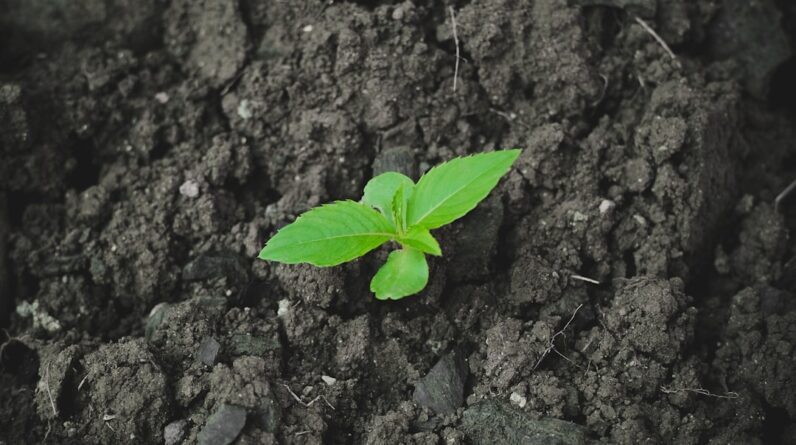
Reforestation is a critical component in the fight against climate change and environmental degradation. As you consider the state of our planet, it becomes increasingly clear that restoring forests is not merely an option but a necessity. Forests play a vital role in maintaining ecological balance, supporting biodiversity, and providing essential resources for human survival.
When you think about the myriad benefits that trees offer, from clean air to habitat for wildlife, it’s evident that reforestation is a key strategy for fostering a healthier planet. Moreover, reforestation serves as a powerful tool for combating the adverse effects of deforestation. As you reflect on the rapid loss of forests due to urbanization, agriculture, and logging, it’s crucial to recognize that replanting trees can help reverse some of this damage.
By restoring forested areas, you contribute to the recovery of ecosystems that have been disrupted, allowing flora and fauna to thrive once more. This restoration not only enhances biodiversity but also strengthens the resilience of ecosystems against climate change, making reforestation an essential endeavor for both nature and humanity.
Key Takeaways
- Reforestation is crucial for combating climate change and preserving biodiversity.
- Trees absorb carbon dioxide through photosynthesis, helping to reduce greenhouse gas levels in the atmosphere.
- Deforestation contributes to increased carbon levels and exacerbates climate change.
- Reforestation efforts are taking place globally, with various initiatives and projects aimed at restoring forests.
- Forests play a vital role in mitigating climate change by sequestering carbon and regulating the climate.
How Trees Absorb Carbon Dioxide
Trees are remarkable organisms with an extraordinary ability to absorb carbon dioxide (CO2) from the atmosphere. When you consider the process of photosynthesis, it becomes clear how vital trees are in regulating atmospheric CO2 levels. During photosynthesis, trees take in CO2 through their leaves and convert it into glucose and oxygen.
This natural process not only provides energy for the tree’s growth but also plays a significant role in reducing greenhouse gas concentrations in the atmosphere. As you learn more about this process, you may find yourself appreciating the intricate relationship between trees and climate stability. The capacity of trees to sequester carbon is particularly important in the context of global warming.
As you ponder the implications of rising temperatures and changing weather patterns, it’s essential to understand that forests act as carbon sinks. They store carbon in their biomass—trunks, branches, leaves, and roots—as well as in the soil beneath them. This storage helps mitigate climate change by reducing the amount of CO2 in the atmosphere.
By participating in reforestation efforts, you can help enhance this natural carbon sequestration process, contributing to a more stable climate for future generations.
The Impact of Deforestation on Carbon Levels

Deforestation has far-reaching consequences for carbon levels in our atmosphere. When forests are cleared for agriculture, urban development, or logging, not only is the carbon stored in trees released back into the atmosphere, but the capacity for future carbon absorption is also diminished. As you consider the statistics surrounding deforestation, it becomes apparent that this practice significantly contributes to increased greenhouse gas emissions.
The loss of forests exacerbates climate change, leading to a vicious cycle that threatens both ecosystems and human livelihoods. Furthermore, deforestation disrupts local climates and contributes to soil degradation. When trees are removed, the soil loses its protective cover, making it more susceptible to erosion and nutrient loss.
This degradation can lead to reduced agricultural productivity and increased vulnerability to extreme weather events. As you reflect on these interconnected issues, it’s clear that addressing deforestation is crucial not only for maintaining carbon levels but also for ensuring food security and protecting vulnerable communities around the world.
Reforestation Efforts Around the World
Across the globe, various reforestation initiatives are taking shape as communities and organizations recognize the urgent need to restore forests. From large-scale government programs to grassroots movements, these efforts aim to replenish lost tree cover and promote sustainable land management practices. As you explore these initiatives, you may find inspiration in the diverse approaches being taken to combat deforestation and promote reforestation.
One notable example is the Bonn Challenge, which aims to restore 150 million hectares of deforested and degraded land by 2020. This global effort has garnered support from numerous countries and organizations committed to enhancing forest cover and improving ecosystem health. Additionally, local projects often focus on community involvement, empowering residents to participate in tree planting and forest management activities.
By engaging local populations, these initiatives not only restore forests but also foster a sense of stewardship and connection to the land.
The Role of Forests in Climate Change Mitigation
Forests play an indispensable role in climate change mitigation strategies. As you delve deeper into this topic, you’ll discover that healthy forests can significantly reduce greenhouse gas emissions while enhancing resilience against climate impacts. By absorbing CO2 and storing carbon, forests act as natural buffers against climate change, helping to stabilize global temperatures.
This function underscores the importance of protecting existing forests while also investing in reforestation efforts. In addition to carbon sequestration, forests contribute to climate regulation by influencing local weather patterns and maintaining hydrological cycles. As you consider the interconnectedness of ecosystems, it becomes evident that preserving forested areas is essential for maintaining biodiversity and supporting various species that rely on these habitats.
By prioritizing forest conservation and restoration, you can play a part in mitigating climate change while promoting ecological health.
The Benefits of Reforestation for Air Quality

Reforestation offers numerous benefits beyond carbon sequestration; one of its most significant advantages is its positive impact on air quality. Trees act as natural air filters by absorbing pollutants such as sulfur dioxide, ammonia, and nitrogen oxides while releasing oxygen through photosynthesis. As you think about urban environments plagued by air pollution, it’s clear that increasing tree cover can lead to cleaner air and improved public health outcomes.
Moreover, trees help regulate temperature by providing shade and releasing moisture through transpiration. This cooling effect can mitigate urban heat islands—areas where temperatures are significantly higher than surrounding regions due to human activities. By planting trees in cities and restoring forested areas, you contribute not only to better air quality but also to enhanced livability in urban spaces.
The benefits of reforestation extend far beyond environmental health; they encompass social well-being and community resilience as well.
Challenges and Obstacles in Reforestation Efforts
Despite the clear benefits of reforestation, numerous challenges hinder progress in restoring forests worldwide. One significant obstacle is funding; many reforestation projects require substantial financial resources for planning, implementation, and maintenance. As you consider this issue, it becomes apparent that securing adequate funding is essential for ensuring the long-term success of these initiatives.
Additionally, land tenure issues can complicate reforestation efforts. In many regions, unclear land ownership or competing interests can lead to conflicts over land use priorities. As you reflect on these complexities, it’s important to recognize that successful reforestation requires collaboration among various stakeholders—including governments, local communities, NGOs, and private sector actors—to navigate these challenges effectively.
How Individuals Can Support Reforestation
As an individual, there are numerous ways you can support reforestation efforts and contribute to a healthier planet. One impactful action is to participate in local tree-planting events or volunteer with organizations dedicated to reforestation initiatives. By getting involved in hands-on activities, you not only help restore forests but also raise awareness about their importance within your community.
Additionally, consider making conscious choices in your daily life that promote sustainability. Supporting products from companies committed to sustainable practices or donating to organizations focused on reforestation can amplify your impact. Every small action counts; whether it’s reducing paper consumption or advocating for policies that protect forests, your efforts contribute to a larger movement toward environmental restoration.
In conclusion, reforestation is an essential strategy for addressing climate change and promoting ecological health. By understanding its importance and actively participating in efforts to restore forests, you can play a vital role in creating a more sustainable future for our planet.
Breathing Easier: How Reforestation Sucks Carbon From the Sky discusses the crucial role that planting trees plays in combating climate change by absorbing carbon dioxide from the atmosphere. For more information on the advantages of planting trees for climate change, check out this article on Live Life with a Cause. It delves deeper into the benefits of reforestation and how it can help mitigate the effects of global warming.
FAQs
What is reforestation?
Reforestation is the process of planting trees in areas where forests have been depleted or destroyed. It is done to restore the ecological balance and to combat climate change.
How does reforestation help in sucking carbon from the sky?
Trees absorb carbon dioxide from the atmosphere during photosynthesis and store it in their biomass. By planting more trees through reforestation, we can increase the amount of carbon that is removed from the atmosphere, thus helping to mitigate climate change.
How effective is reforestation in reducing carbon in the atmosphere?
Reforestation has been identified as one of the most effective and affordable ways to remove carbon dioxide from the atmosphere. It has the potential to significantly contribute to global efforts to combat climate change.
What are some other benefits of reforestation?
Reforestation not only helps in carbon sequestration, but also provides habitat for wildlife, improves air and water quality, prevents soil erosion, and supports local economies through sustainable forestry practices.
Are there any challenges associated with reforestation?
Challenges associated with reforestation include finding suitable land for planting, ensuring the survival of newly planted trees, and addressing competing land uses. Additionally, the long-term maintenance and protection of reforested areas is crucial for their success.