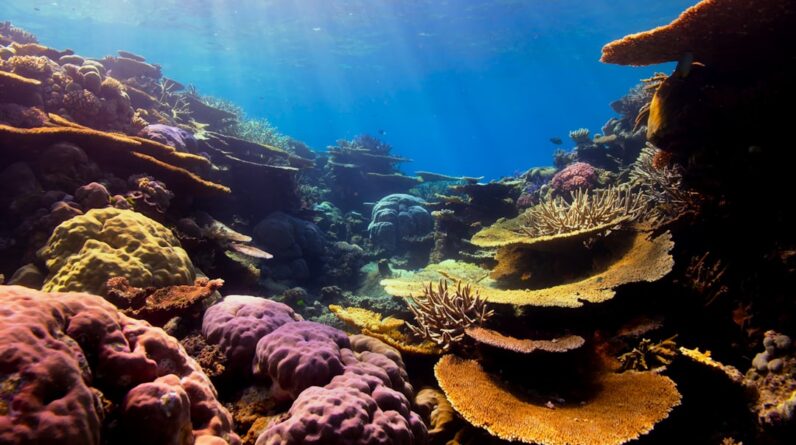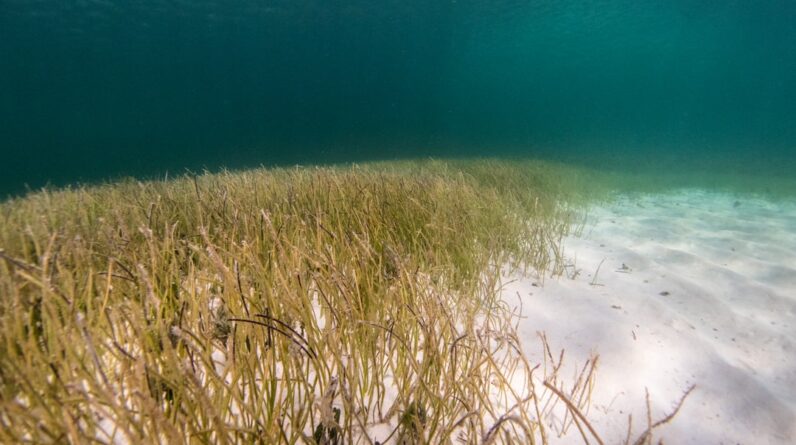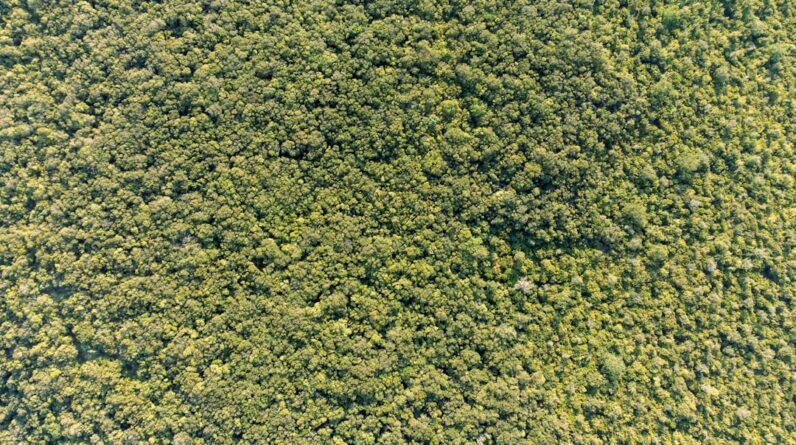
Biodiversity hotspots are regions that are both rich in unique species and significantly threatened by human activities. These areas are crucial for the preservation of global biodiversity, as they harbor a large number of endemic species—organisms that are not found anywhere else on Earth. You may find it fascinating that there are currently 36 recognized biodiversity hotspots worldwide, each representing a unique ecological treasure trove.
The concept of biodiversity hotspots was first popularized by Norman Myers in 1988, and since then, it has become a vital framework for conservation efforts. By focusing on these areas, conservationists aim to prioritize resources and strategies to protect the most vulnerable ecosystems. Understanding the importance of biodiversity hotspots is essential for anyone interested in environmental conservation.
These regions not only support a vast array of plant and animal life but also provide critical ecosystem services such as clean air, water filtration, and climate regulation. As you delve deeper into the subject, you will discover that the loss of biodiversity can have far-reaching consequences, affecting everything from food security to human health. Therefore, recognizing and protecting biodiversity hotspots is not just an ecological imperative; it is also a moral obligation to future generations.
Key Takeaways
- Biodiversity hotspots are regions with high levels of species diversity and are crucial for conservation efforts.
- Wastelands have a negative impact on biodiversity, leading to habitat loss and species decline.
- Reforestation is an effective solution to restore biodiversity and ecosystem balance in wastelands.
- Identifying potential biodiversity hotspots is essential for targeted conservation efforts and resource allocation.
- Community involvement in reforestation efforts is crucial for long-term success and sustainability of biodiversity hotspots.
The Impact of Wastelands on Biodiversity
Wastelands, often characterized by their degraded landscapes and lack of vegetation, pose a significant threat to biodiversity. These areas can arise from various human activities, including industrialization, urbanization, and agricultural expansion. When you consider the sheer scale of land that has been transformed into wastelands, it becomes clear that this issue is not just localized; it is a global crisis.
The loss of habitat due to wasteland creation leads to the decline of numerous species, many of which are already vulnerable or endangered. Moreover, wastelands contribute to a cascade of ecological problems. The soil becomes less fertile, water sources can become contaminated, and the overall resilience of ecosystems diminishes.
As you reflect on this, you may realize that the impact of wastelands extends beyond the immediate loss of flora and fauna; it disrupts entire food webs and alters local climates. The degradation of these landscapes can also lead to increased carbon emissions, further exacerbating climate change. Thus, addressing the issue of wastelands is crucial for the preservation of biodiversity and the health of our planet.
Reforestation as a Solution

Reforestation emerges as a powerful solution to combat the detrimental effects of wastelands on biodiversity. By restoring forests in degraded areas, you can help revive ecosystems that have been stripped of their natural beauty and functionality. Reforestation not only provides habitat for countless species but also enhances soil quality and improves water retention in the landscape.
As trees grow, they sequester carbon dioxide from the atmosphere, playing a vital role in mitigating climate change. Engaging in reforestation efforts can be incredibly rewarding. You may find that participating in tree-planting initiatives or supporting organizations dedicated to reforestation allows you to contribute positively to the environment.
Additionally, reforestation can create green corridors that connect fragmented habitats, enabling wildlife to thrive once again. This interconnectedness is essential for maintaining genetic diversity and ensuring the survival of various species. As you consider your role in this process, remember that every tree planted is a step toward restoring balance in our ecosystems.
Identifying Potential Biodiversity Hotspots
Identifying potential biodiversity hotspots requires a combination of scientific research and local knowledge. You may be surprised to learn that many regions with high levels of endemism are often overlooked due to their remote locations or lack of funding for conservation efforts. By utilizing tools such as geographic information systems (GIS) and satellite imagery, researchers can map areas rich in biodiversity and assess their vulnerability to threats like habitat loss and climate change.
As you explore this topic further, you will discover that local communities play an invaluable role in identifying potential hotspots. Indigenous knowledge and traditional ecological practices can provide insights into areas that may not be well-documented in scientific literature. Engaging with local populations not only helps in identifying these critical regions but also fosters a sense of stewardship among community members.
When people feel connected to their environment, they are more likely to advocate for its protection and sustainable management.
Community Involvement in Reforestation Efforts
Community involvement is essential for the success of reforestation initiatives. When local residents participate in planting trees and caring for newly established forests, they develop a sense of ownership over their environment. This connection can lead to long-term commitment to conservation efforts and sustainable land management practices.
You might find it inspiring to see how communities around the world have come together to restore their landscapes through collective action. Moreover, involving communities in reforestation projects can provide economic benefits as well. By creating jobs related to tree planting, maintenance, and ecotourism, you can help stimulate local economies while simultaneously promoting environmental health.
Educational programs that teach sustainable practices can empower individuals with the knowledge they need to make informed decisions about land use and conservation. As you consider the broader implications of community involvement, it becomes clear that fostering collaboration between local populations and conservationists is key to achieving lasting change.
Monitoring and Maintaining Biodiversity Hotspots

Once biodiversity hotspots have been identified and reforested, ongoing monitoring and maintenance become crucial for their long-term success. You may wonder how scientists track changes in biodiversity over time or assess the health of these ecosystems. Various methods exist, including field surveys, remote sensing technologies, and citizen science initiatives that engage the public in data collection efforts.
Regular monitoring allows conservationists to identify potential threats early on and implement adaptive management strategies as needed. For instance, if invasive species begin to encroach upon a restored area, swift action can be taken to mitigate their impact before they cause irreversible damage. Additionally, maintaining biodiversity hotspots requires ongoing community engagement; local residents should be involved in monitoring efforts to ensure they remain invested in the health of their environment.
By fostering a culture of stewardship, you can help ensure that these vital ecosystems continue to thrive for generations to come.
Economic and Social Benefits of Reforestation
The economic and social benefits of reforestation extend far beyond environmental restoration. You may be surprised to learn that healthy forests contribute significantly to local economies through various avenues such as timber production, non-timber forest products, and ecotourism opportunities. By investing in reforestation projects, communities can create sustainable livelihoods while simultaneously enhancing their natural resources.
Socially, reforestation initiatives can foster community cohesion and resilience. When people come together for a common cause—such as restoring their environment—they build relationships and strengthen social networks. This sense of unity can lead to increased community pride and empowerment as individuals witness the positive changes resulting from their collective efforts.
Furthermore, reforestation can improve public health by enhancing air quality and providing recreational spaces for residents. As you reflect on these benefits, it becomes evident that reforestation is not just an environmental endeavor; it is a pathway toward social equity and economic prosperity.
The Future of Biodiversity Hotspots
Looking ahead, the future of biodiversity hotspots hinges on our collective ability to prioritize conservation efforts amid growing challenges such as climate change and habitat destruction. You may feel a sense of urgency as you consider the rapid pace at which ecosystems are being altered or lost entirely. However, there is also hope; innovative approaches to conservation are emerging that leverage technology, community engagement, and scientific research.
As we move forward, it will be essential to integrate traditional ecological knowledge with modern conservation practices. By valuing diverse perspectives and fostering collaboration among stakeholders—ranging from scientists to local communities—you can help create resilient ecosystems capable of adapting to changing conditions. The future of biodiversity hotspots depends on our commitment to protecting these irreplaceable regions while ensuring that they continue to provide essential services for both people and wildlife alike.
In conclusion, biodiversity hotspots represent some of the most critical areas for conservation efforts worldwide. By understanding their significance, addressing threats like wastelands through reforestation, involving communities in restoration initiatives, monitoring progress diligently, and recognizing the economic and social benefits associated with these efforts, you can play an active role in safeguarding our planet’s rich biological heritage for future generations.
A related article to “Biodiversity Hotspots in the Making: Transforming Wastelands Through Reforestation” discusses the disadvantages of planting trees for climate change. The article explores the potential negative impacts of tree planting initiatives on the environment and biodiversity. To learn more about the drawbacks of planting trees for climate change, you can read the article here.
FAQs
What are biodiversity hotspots?
Biodiversity hotspots are regions with high levels of biodiversity that are under threat from human activities. These areas are characterized by a high number of endemic species and are considered to be of significant conservation importance.
What is reforestation?
Reforestation is the process of restoring tree cover to areas that have been deforested or degraded. This can involve planting trees, encouraging natural regeneration, and implementing sustainable land management practices.
How can reforestation transform wastelands into biodiversity hotspots?
Reforestation can transform wastelands into biodiversity hotspots by restoring habitat for a wide range of plant and animal species. As trees and other vegetation return to the landscape, biodiversity increases, providing food and shelter for a variety of species.
What are the benefits of reforestation for biodiversity?
Reforestation can help to conserve and restore biodiversity by providing habitat for a wide range of plant and animal species. It can also help to protect watersheds, reduce soil erosion, and mitigate climate change by sequestering carbon.
What are some examples of successful reforestation projects that have transformed wastelands into biodiversity hotspots?
Examples of successful reforestation projects include the Atlantic Forest in Brazil, the Eastern Afromontane region in Africa, and the Western Ghats in India. These projects have helped to restore habitat for a wide range of species and have contributed to the conservation of biodiversity hotspots.