The ocean is not just a vast expanse of water; it is a vital component of our planet’s ecosystem. Covering over 70% of the Earth’s surface, it plays a crucial role in regulating climate, supporting biodiversity, and providing resources essential for human survival. You may not realize it, but the ocean is responsible for producing more than half of the oxygen you breathe.
Phytoplankton, tiny marine plants, contribute significantly to this process, highlighting the ocean’s role as a life-giving force. Furthermore, the ocean acts as a carbon sink, absorbing carbon dioxide from the atmosphere and helping to mitigate climate change. Beyond its ecological significance, the ocean is also a source of livelihood for millions of people worldwide.
From fishing communities to tourism industries, countless individuals depend on the ocean for their economic well-being. You might find it fascinating that the ocean is home to an estimated 230,000 known species, with many more yet to be discovered. This incredible biodiversity not only enriches our planet but also holds potential for medical advancements and sustainable resources.
The ocean is a treasure trove of life and opportunity, making its preservation essential for both current and future generations.
Key Takeaways
- The ocean is essential for regulating the Earth’s climate and providing a habitat for a diverse range of marine life.
- Pollution, overfishing, and climate change are major threats facing the ocean, leading to habitat destruction and loss of biodiversity.
- It is our responsibility to take action to protect the ocean through sustainable practices and conservation efforts.
- Steps taken to save the ocean include implementing marine protected areas, reducing plastic pollution, and promoting sustainable fishing practices.
- Our efforts have led to the recovery of marine ecosystems, the conservation of endangered species, and the restoration of coral reefs.
The Threats Facing the Ocean
Despite its importance, the ocean faces numerous threats that jeopardize its health and sustainability. One of the most pressing issues is pollution, which comes in various forms, including plastic waste, chemical runoff, and oil spills. You may have seen images of marine animals entangled in plastic or suffering from ingesting harmful substances.
This pollution not only harms marine life but also affects human health as toxins accumulate in the food chain. The sheer volume of plastic waste entering the ocean each year is staggering, with millions of tons contributing to a growing crisis that demands urgent attention. Overfishing is another significant threat to the ocean’s ecosystems.
Unsustainable fishing practices deplete fish populations faster than they can reproduce, disrupting the delicate balance of marine life. You might be surprised to learn that some fish species are on the brink of extinction due to overexploitation. Additionally, climate change poses a severe risk to the ocean, leading to rising sea temperatures and ocean acidification.
These changes can result in coral bleaching and the loss of critical habitats for countless marine species. The combination of these threats creates a perfect storm that endangers not only marine ecosystems but also the livelihoods of those who depend on them.
Our Responsibility to Protect the Ocean

As stewards of the planet, it is your responsibility to protect the ocean and ensure its health for future generations. This responsibility extends beyond individual actions; it encompasses collective efforts at local, national, and global levels. You have the power to make a difference by advocating for policies that promote sustainable practices and protect marine environments.
Engaging with your community and raising awareness about the importance of ocean conservation can inspire others to join the cause. Moreover, your everyday choices can significantly impact the ocean’s health. Simple actions like reducing plastic use, supporting sustainable seafood initiatives, and participating in beach clean-ups can contribute to a healthier marine environment.
You may not realize it, but even small changes in your lifestyle can create ripples of positive change. By educating yourself and others about the threats facing the ocean and the importance of its preservation, you can help foster a culture of respect and care for this vital resource.
The Steps We Took to Save the Ocean
In recent years, various initiatives have emerged aimed at protecting and restoring the ocean’s health. You may have heard about international agreements like the Paris Agreement, which seeks to address climate change and its impact on marine ecosystems. These agreements are crucial in setting targets for reducing greenhouse gas emissions and promoting sustainable practices that benefit both people and the planet.
On a more localized level, many communities have taken proactive steps to safeguard their coastal environments. You might be inspired by stories of grassroots organizations working tirelessly to clean up beaches, restore coral reefs, and promote sustainable fishing practices. These efforts often involve collaboration between local governments, non-profit organizations, and community members who share a common goal: to protect their marine resources for future generations.
By participating in or supporting these initiatives, you can play an active role in the movement to save our oceans.
The Impact of Our Efforts
The collective efforts to protect the ocean are beginning to yield positive results. You may have noticed cleaner beaches and healthier marine ecosystems in areas where conservation initiatives have been implemented. For instance, marine protected areas (MPAs) have been established in various regions around the world, allowing ecosystems to recover from overfishing and pollution.
These protected zones serve as sanctuaries for marine life, promoting biodiversity and resilience against environmental changes. Additionally, increased awareness about sustainable practices has led to a shift in consumer behavior. More people are choosing eco-friendly products and supporting businesses that prioritize sustainability.
This change in mindset can create a ripple effect throughout industries, encouraging more companies to adopt environmentally responsible practices. As you engage with these efforts, you contribute to a growing movement that recognizes the intrinsic value of the ocean and its resources.
The Beauty and Wonder of the Ocean

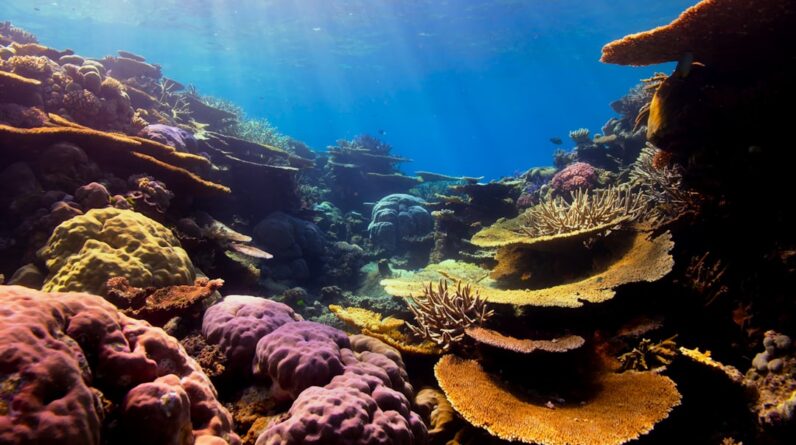
The ocean is a realm of beauty and wonder that captivates all who encounter it. From vibrant coral reefs teeming with life to serene stretches of sandy beaches, its diverse landscapes offer endless opportunities for exploration and appreciation. You may find solace in watching waves crash against rocky shores or marvel at the intricate patterns created by tide pools filled with colorful sea creatures.
The ocean’s beauty is not just visual; it also encompasses sounds—the gentle lapping of waves or the haunting calls of whales echoing through the depths. Moreover, the ocean is a source of inspiration for countless artists, writers, and dreamers throughout history. Its vastness invites contemplation and reflection, reminding you of your place within the larger tapestry of life on Earth.
Whether you are diving into its depths or simply gazing at its horizon from afar, the ocean has a unique ability to evoke feelings of awe and wonder. This connection to nature can deepen your appreciation for its importance and motivate you to take action in its defense.
The Legacy We Leave Behind
As you consider your relationship with the ocean, it’s essential to reflect on the legacy you wish to leave behind. The choices you make today will shape the future of this vital resource for generations to come. You have an opportunity to be part of a movement that prioritizes sustainability and conservation, ensuring that future generations inherit a healthy ocean teeming with life.
Your actions can inspire others to join this cause, creating a ripple effect that extends far beyond your immediate circle. By sharing your knowledge and passion for ocean conservation, you can encourage friends, family, and even strangers to take part in protecting this precious resource. The legacy you leave behind will be defined not only by your actions but also by your ability to inspire others to care for the ocean as deeply as you do.
The Hope for the Future
Despite the challenges facing our oceans today, there is hope for a brighter future. As awareness grows about the importance of marine conservation, more individuals and organizations are stepping up to take action. You may find comfort in knowing that innovative solutions are being developed to address issues like plastic pollution and overfishing.
From biodegradable materials to sustainable aquaculture practices, these advancements hold promise for restoring balance to our oceans. Furthermore, young activists are emerging as powerful voices advocating for change. Their passion and determination inspire hope that future generations will prioritize environmental stewardship and work tirelessly to protect our planet’s resources.
As you engage with these movements and contribute your voice to the cause, you become part of a larger narrative focused on healing our oceans and ensuring their vitality for years to come. In conclusion, while challenges abound in protecting our oceans, your commitment to conservation can make a significant difference. By understanding their importance, recognizing threats, taking responsibility, and actively participating in efforts to save them, you contribute to a legacy of hope and resilience for future generations.
The beauty and wonder of the ocean deserve protection; together we can ensure that they continue to inspire awe long into the future.
In a related article titled Preventing Floods by Massive Tree Planting, the importance of planting trees to mitigate the effects of climate change and prevent natural disasters like floods is discussed. Just as in “A Letter to My Grandchildren About the Ocean We Fought to Save,” this article emphasizes the crucial role that nature plays in maintaining a healthy environment for future generations. By highlighting the benefits of tree planting in preventing floods and protecting communities, both articles underscore the urgent need for environmental conservation efforts to safeguard our planet for future generations.
FAQs
What is the importance of the ocean?
The ocean is crucial for regulating the Earth’s climate, providing a habitat for a wide variety of marine life, and supporting the livelihoods of millions of people through fishing and tourism.
What are the major threats to the ocean?
The ocean faces threats such as overfishing, pollution from plastic and chemicals, habitat destruction, and climate change, which leads to ocean acidification and rising sea levels.
How can we protect the ocean?
Protecting the ocean requires sustainable fishing practices, reducing plastic and chemical pollution, conserving coastal and marine habitats, and addressing climate change through reducing carbon emissions.
What are the consequences of not taking action to save the ocean?
Failure to protect the ocean could lead to the collapse of marine ecosystems, loss of biodiversity, food shortages for millions of people, and increased frequency and severity of natural disasters due to climate change.
What can individuals do to help save the ocean?
Individuals can reduce their plastic consumption, support sustainable seafood choices, participate in beach clean-ups, and advocate for policies that protect the ocean and address climate change.