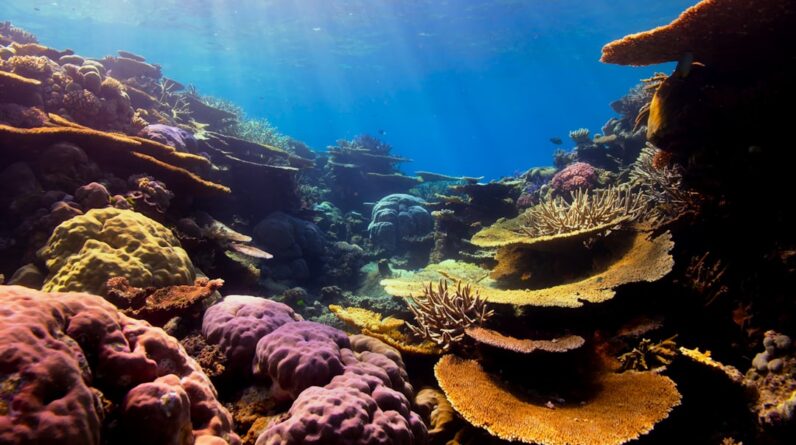
Local communities hold an extraordinary power that often goes unnoticed in the grand narrative of environmental conservation. When you think about the ocean and its vastness, it’s easy to feel overwhelmed by the scale of the challenges it faces. However, it is within these local communities that the seeds of change are sown.
You may not realize it, but your neighborhood, your town, or your city can play a pivotal role in protecting marine ecosystems. The collective action of individuals who share a common goal can lead to significant improvements in ocean health. This grassroots approach not only fosters a sense of ownership but also cultivates a deeper connection to the environment.
The strength of local communities lies in their unique understanding of their surroundings. You and your neighbors are often the first to notice changes in local ecosystems, whether it’s a decline in fish populations or an increase in plastic waste along the shorelines. This intimate knowledge allows for tailored solutions that are more effective than broad, one-size-fits-all strategies.
When you engage with your community, you can harness this local wisdom to create initiatives that resonate with the people who live there. By working together, you can develop sustainable practices that not only benefit the ocean but also enhance the quality of life for everyone involved.
Key Takeaways
- Local communities have the power to make a significant impact on ocean conservation efforts.
- Local actions can have a global impact on the health of the ocean and its ecosystems.
- Successful community-led ocean conservation initiatives can serve as inspiring examples for others to follow.
- Education and awareness play a crucial role in empowering local communities to take action for the ocean.
- Overcoming challenges in community-led ocean conservation efforts requires collaborative approaches and empowerment of local communities.
The Impact of Local Actions on the Global Ocean
Your actions, no matter how small they may seem, can have far-reaching effects on the global ocean. When you participate in local conservation efforts, you contribute to a larger movement that addresses critical issues such as pollution, overfishing, and habitat destruction. For instance, when you choose to reduce plastic use or participate in beach clean-ups, you are directly impacting the health of marine life.
These local actions create a ripple effect that can influence policies and inspire others to take similar steps, ultimately leading to a healthier ocean on a global scale. Moreover, local initiatives often serve as models for larger conservation efforts. When you and your community successfully implement a project that protects marine habitats or promotes sustainable fishing practices, it can inspire similar actions in other regions.
This sharing of knowledge and experience is crucial for creating a network of communities dedicated to ocean conservation. By showcasing your successes and challenges, you can help others learn from your journey, amplifying the impact of local actions on a global level.
Examples of Successful Community-Led Ocean Conservation Initiatives
Across the globe, there are numerous examples of communities coming together to protect their marine environments. One such initiative is the establishment of marine protected areas (MPAs) by local fishermen in coastal villages. You might be surprised to learn that these fishermen often have a wealth of knowledge about fish populations and breeding grounds.
By collaborating with scientists and conservationists, they have successfully created MPAs that not only safeguard marine biodiversity but also enhance their own livelihoods through sustainable fishing practices. Another inspiring example is the rise of community-led mangrove restoration projects. In many coastal regions, you will find communities actively engaged in planting mangroves to combat coastal erosion and provide critical habitat for marine species.
These projects not only restore vital ecosystems but also empower local residents by involving them in decision-making processes. When you see your community taking charge of its environmental future, it fosters a sense of pride and responsibility that can lead to lasting change.
The Role of Education and Awareness in Community-Led Ocean Conservation
Education plays a crucial role in fostering community-led ocean conservation efforts. When you are informed about the challenges facing marine ecosystems, you are more likely to take action. Local workshops, school programs, and community events can serve as platforms for raising awareness about ocean health and the importance of conservation.
By engaging with your community through educational initiatives, you can help cultivate a culture of stewardship that prioritizes the well-being of the ocean. Moreover, awareness campaigns can empower individuals to make informed choices in their daily lives. For instance, when you learn about the impact of single-use plastics on marine life, you may be inspired to reduce your plastic consumption or advocate for policy changes in your community.
Education not only equips you with knowledge but also instills a sense of responsibility towards the ocean and its inhabitants. By fostering a well-informed community, you contribute to a collective effort that can lead to meaningful change.
Overcoming Challenges in Community-Led Ocean Conservation Efforts
While community-led ocean conservation initiatives are powerful, they are not without challenges. One significant hurdle is securing funding and resources for projects. You may find that many communities lack the financial support needed to implement effective conservation strategies.
However, by collaborating with local businesses, non-profit organizations, and government agencies, you can create partnerships that provide the necessary resources for your initiatives. Another challenge is overcoming resistance to change within the community. You might encounter individuals who are skeptical about the need for conservation or who rely on practices that harm the ocean for their livelihoods.
Engaging these individuals through open dialogue and education is essential. By demonstrating the long-term benefits of sustainable practices—both for the environment and for their economic well-being—you can help shift perspectives and foster a more supportive environment for conservation efforts.
Collaborative Approaches to Community-Led Ocean Conservation

Collaboration is key to successful community-led ocean conservation efforts. When you work together with various stakeholders—such as local governments, NGOs, scientists, and businesses—you can create a more comprehensive approach to addressing ocean issues. This collaborative spirit allows for the sharing of resources, knowledge, and expertise, ultimately leading to more effective solutions.
For instance, when you partner with scientists, you can gain access to valuable data that informs your conservation strategies. This scientific backing not only strengthens your initiatives but also enhances credibility within the community. Additionally, involving local businesses in your efforts can lead to innovative solutions that benefit both the environment and the economy.
By fostering collaboration among diverse groups, you create a united front that amplifies your impact on ocean conservation.
Empowering Local Communities to Take Action for the Ocean
Empowerment is at the heart of successful community-led ocean conservation efforts. When you feel empowered to take action, you are more likely to engage with your community and advocate for change. This empowerment can come from various sources—whether it’s through education, access to resources, or support from local leaders.
By providing opportunities for individuals to get involved in conservation initiatives, you help cultivate a sense of agency that drives meaningful action. One effective way to empower your community is by creating leadership opportunities within conservation projects. When individuals take on roles as project leaders or advocates, they become champions for ocean health within their networks.
This not only enhances their skills but also inspires others to join the cause. By fostering a culture of empowerment and leadership, you can create a dynamic movement that prioritizes the well-being of the ocean.
The Future of Community-Led Ocean Conservation
As we look towards the future, community-led ocean conservation holds immense potential for creating lasting change. With increasing awareness of environmental issues and a growing desire for sustainable practices, more individuals are likely to engage with their communities in protecting marine ecosystems. You have an opportunity to be part of this movement by advocating for local initiatives and supporting those who are already making strides in conservation.
The future will also see advancements in technology that can aid community-led efforts. From citizen science projects that allow individuals to collect data on marine life to online platforms that facilitate collaboration among communities worldwide, technology will play a crucial role in enhancing conservation strategies. As you embrace these tools and resources, you can amplify your impact and contribute to a healthier ocean for generations to come.
In conclusion, local communities possess an incredible power to effect change in ocean conservation efforts. By recognizing this potential and taking action together, you can create a brighter future for our oceans while fostering a sense of connection and responsibility within your community. The journey may be challenging at times, but with collaboration, education, and empowerment at the forefront, there is no limit to what you can achieve for the health of our planet’s most precious resource—the ocean.
A related article to Community Power: How Local Actions Lead to Global Ocean Change is “Advantages of Planting Trees for Climate Change” which discusses the positive impact of planting trees on the environment and climate change. To learn more about the benefits of planting trees, you can check out the article here.
FAQs
What is community power in the context of ocean conservation?
Community power in the context of ocean conservation refers to the collective influence and impact that local communities can have on global ocean change through their actions and initiatives. This can include efforts such as beach clean-ups, sustainable fishing practices, and advocating for marine protected areas.
How do local actions contribute to global ocean change?
Local actions contribute to global ocean change by creating a ripple effect. When communities take steps to protect their local marine environments, it can lead to broader awareness and inspire similar actions in other regions. This collective effort can ultimately lead to positive global impacts on ocean health and conservation.
What are some examples of local actions that have led to global ocean change?
Examples of local actions that have led to global ocean change include the establishment of community-led marine protected areas, the implementation of sustainable fishing practices by local fishing communities, and the organization of beach clean-up initiatives that raise awareness about plastic pollution and its impact on the ocean.
How can individuals get involved in community power for ocean conservation?
Individuals can get involved in community power for ocean conservation by participating in local clean-up events, supporting sustainable seafood initiatives, advocating for marine conservation policies, and educating others about the importance of protecting the ocean. Additionally, individuals can join or support local organizations and initiatives focused on ocean conservation.