As you delve into the world of marine agriculture, you will quickly discover that seaweed cultivation is not just a niche market; it is a burgeoning industry with significant implications for both the environment and human health. Seaweed, or macroalgae, has been harvested for centuries, primarily for its culinary uses in various cultures. However, its potential extends far beyond the kitchen.
The cultivation of seaweed offers a sustainable solution to many pressing global issues, including food security, climate change, and ocean health. By investing in seaweed farming, you are not only supporting a growing industry but also contributing to a more sustainable future. The importance of seaweed cultivation lies in its ability to provide a renewable resource that can be harvested without depleting natural ecosystems.
Unlike traditional agriculture, which often requires significant land and freshwater resources, seaweed can thrive in the ocean, utilizing sunlight and nutrients from seawater. This unique characteristic makes it an ideal candidate for sustainable food production. As you explore the various applications of seaweed—from food products to biofuels—you will come to appreciate its versatility and the myriad ways it can benefit society.
Key Takeaways
- Seaweed cultivation is important for its environmental benefits and potential in mitigating climate change.
- Seaweed plays a crucial role in oxygen production, contributing significantly to the Earth’s oxygen supply.
- Floating forests of seaweed provide environmental benefits such as carbon sequestration and habitat for marine life.
- Techniques for seaweed cultivation include offshore farming, integrated multitrophic aquaculture, and land-based systems.
- Challenges in seaweed cultivation, such as disease and environmental impacts, can be addressed through sustainable farming practices and research.
The Role of Seaweed in Oxygen Production
When you think about oxygen production, your mind may immediately turn to terrestrial plants, particularly trees. However, seaweed plays a crucial role in generating oxygen in marine environments. Through the process of photosynthesis, seaweed absorbs carbon dioxide and releases oxygen into the water.
In fact, it is estimated that marine plants, including seaweed, contribute to approximately 50% of the Earth’s oxygen supply. This remarkable ability highlights the importance of preserving and cultivating these underwater plants. As you consider the implications of seaweed’s oxygen production, you may realize that it is not just beneficial for marine life but also for humans.
The oxygen released by seaweed supports diverse marine ecosystems, which in turn sustain fisheries and other ocean-based industries that are vital to human livelihoods. By promoting seaweed cultivation, you are indirectly supporting the health of our planet’s atmosphere and ensuring that future generations can enjoy clean air and thriving oceans.
Environmental Benefits of Floating Forests

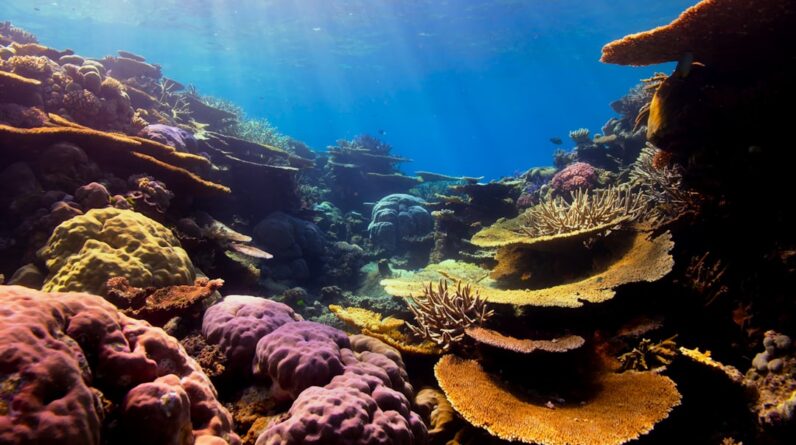
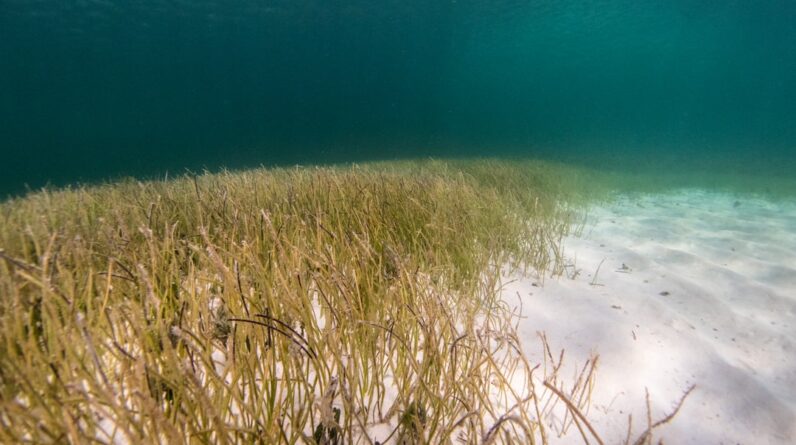
Floating forests, a term used to describe dense mats of seaweed that grow on the ocean’s surface, offer a wealth of environmental benefits that you may not have considered. These underwater forests serve as critical habitats for various marine species, providing shelter and food for fish, crustaceans, and other organisms. As you explore the concept of floating forests, you will find that they play a vital role in maintaining biodiversity in our oceans.
Moreover, floating forests act as natural water filters, absorbing excess nutrients and pollutants from the water column. This process helps to mitigate issues such as eutrophication, which can lead to harmful algal blooms and dead zones in coastal areas. By cultivating seaweed and promoting the growth of floating forests, you are contributing to cleaner oceans and healthier marine ecosystems.
The environmental benefits of these underwater forests extend beyond their immediate surroundings; they also play a role in carbon sequestration, helping to combat climate change by absorbing carbon dioxide from the atmosphere.
Techniques for Seaweed Cultivation
As you embark on your journey into seaweed cultivation, it is essential to familiarize yourself with the various techniques employed in this practice. There are several methods for cultivating seaweed, each with its own advantages and challenges. One common technique is called “longline farming,” where ropes are suspended in the water column to allow seaweed to grow freely.
This method is particularly effective for larger species of seaweed, such as kelp, which can grow rapidly and reach impressive sizes. Another technique you may encounter is “rack and bag farming,” which involves placing seaweed in mesh bags or on racks submerged in the water. This method is often used for smaller species of seaweed and allows for easier harvesting and management.
As you explore these techniques further, you will discover that advancements in technology are also playing a role in improving seaweed cultivation practices. Innovations such as automated harvesting systems and remote monitoring tools are making it easier than ever to cultivate seaweed sustainably and efficiently.
Challenges and Solutions in Seaweed Cultivation
While the potential for seaweed cultivation is vast, it is not without its challenges. As you delve deeper into this field, you will encounter issues such as competition for space with other marine activities, fluctuating market demand, and environmental factors like climate change that can impact growth rates. These challenges can pose significant obstacles for aspiring seaweed farmers and require innovative solutions to overcome.
One approach to addressing these challenges is through collaboration among stakeholders in the marine industry. By working together with fishermen, researchers, and policymakers, you can help create a more integrated approach to ocean management that considers the needs of all parties involved. Additionally, investing in research and development can lead to improved cultivation techniques and better understanding of the ecological impacts of seaweed farming.
By fostering a culture of innovation and collaboration, you can contribute to overcoming the challenges facing the seaweed cultivation industry.
Impact of Seaweed Cultivation on Marine Ecosystems

As you consider the impact of seaweed cultivation on marine ecosystems, it becomes clear that this practice can have both positive and negative effects. On one hand, well-managed seaweed farms can enhance biodiversity by providing habitats for various marine species. These farms can serve as artificial reefs, attracting fish and other organisms that may not thrive in barren areas of the ocean floor.
On the other hand, if not managed properly, seaweed cultivation can lead to negative consequences such as habitat degradation or nutrient imbalances in local ecosystems. It is crucial for you to understand the importance of sustainable practices in seaweed farming to minimize these risks. By adhering to best practices and engaging in responsible management strategies, you can help ensure that seaweed cultivation contributes positively to marine ecosystems rather than detracting from their health.
Potential for Seaweed Cultivation in Mitigating Climate Change
The potential for seaweed cultivation to mitigate climate change is an area of growing interest among scientists and environmentalists alike. As you explore this topic further, you will find that seaweed has a unique ability to absorb carbon dioxide from the atmosphere during photosynthesis. This characteristic positions it as a valuable tool in the fight against climate change.
Moreover, large-scale seaweed farming could contribute significantly to carbon sequestration efforts by capturing carbon dioxide from the atmosphere and storing it in ocean sediments when the seaweed dies and decomposes. This process not only helps reduce greenhouse gas concentrations but also promotes healthier marine ecosystems by enhancing nutrient cycling. As you consider your role in addressing climate change, embracing seaweed cultivation could be a powerful way to make a positive impact on our planet’s future.
Future of Seaweed Cultivation for Enhanced Oxygen Production
Looking ahead, the future of seaweed cultivation holds immense promise for enhancing oxygen production on Earth. As global populations continue to rise and environmental challenges become more pressing, investing in sustainable practices like seaweed farming will be essential for maintaining healthy ecosystems and ensuring clean air for future generations. You may find that advancements in technology and research will further unlock the potential of seaweed as a key player in oxygen production.
In addition to its role in oxygen generation, the future of seaweed cultivation may also see increased integration with other industries such as aquaculture and renewable energy production. By fostering synergies between these sectors, you can help create a more sustainable approach to resource management that benefits both people and the planet. As you engage with this exciting field, remember that your efforts in promoting seaweed cultivation can contribute significantly to a healthier environment and a more sustainable future for all.
A related article to Floating Forests: Seaweed Cultivation for Enhanced Oxygen Production discusses the disadvantages of planting trees for climate change. The article explores the challenges and limitations of relying solely on tree planting as a solution to combat global warming. To read more about this topic, visit Disadvantages of Planting Trees for Climate Change.
FAQs
What is seaweed cultivation?
Seaweed cultivation is the practice of growing and harvesting seaweed in a controlled environment, such as in the ocean or in tanks, for various purposes including food, fertilizer, and biofuel production.
How does seaweed cultivation enhance oxygen production?
Seaweed cultivation enhances oxygen production through the process of photosynthesis. Seaweed absorbs carbon dioxide and releases oxygen during photosynthesis, which can help to increase oxygen levels in the surrounding water and atmosphere.
What are the benefits of seaweed cultivation for the environment?
Seaweed cultivation can have several environmental benefits, including carbon sequestration, nutrient uptake, and providing habitat for marine organisms. Additionally, seaweed cultivation can help to mitigate ocean acidification and improve water quality.
How does seaweed cultivation contribute to carbon sequestration?
Seaweed cultivation contributes to carbon sequestration by absorbing carbon dioxide from the water during photosynthesis. The carbon that is absorbed by the seaweed is then stored in the plant’s biomass, effectively removing it from the atmosphere.
What are some potential applications of seaweed cultivation?
Seaweed cultivation has a wide range of potential applications, including food and feed production, biofuel production, pharmaceuticals, and bioremediation. Additionally, seaweed cultivation can be used for sustainable aquaculture and as a source of renewable energy.