As you step outside on a sweltering summer day, you may find yourself pondering the reasons behind the rising temperatures. The phenomenon known as the “heat trap” is a critical concept that explains how certain gases in our atmosphere contribute to the warming of our planet. This heat trap is primarily driven by greenhouse gases, which absorb and re-radiate heat, creating a blanket-like effect around the Earth.
Understanding this process is essential for grasping the broader implications of climate change and its impact on our environment. The heat trap is not merely a scientific curiosity; it has profound implications for your daily life and the world around you. As temperatures rise, you may notice changes in weather patterns, increased frequency of extreme weather events, and shifts in ecosystems.
The heat trap is a complex interplay of natural processes and human activities, and it is crucial to explore its mechanisms to comprehend the challenges we face in addressing climate change.
Key Takeaways
- The heat trap refers to the accumulation of heat in the Earth’s atmosphere, leading to an increase in global temperatures.
- The greenhouse effect, caused by the accumulation of greenhouse gases, is a major contributor to the heat trap and its impact on Earth’s temperature.
- Human activities, such as burning fossil fuels and deforestation, significantly contribute to the heat trap by releasing greenhouse gases and reducing the Earth’s ability to absorb carbon dioxide.
- Feedback loops, such as the melting of polar ice caps and the release of methane from permafrost, further reinforce the heat trap and exacerbate its effects on the Earth’s climate.
- Deforestation plays a significant role in exacerbating the heat trap by reducing the Earth’s capacity to absorb carbon dioxide and contributing to the release of greenhouse gases.
The Greenhouse Effect and its Impact on Earth’s Temperature
At the heart of the heat trap lies the greenhouse effect, a natural process that warms the Earth’s surface. When sunlight reaches the Earth, some of it is reflected back into space, while the rest is absorbed, warming the planet. This absorbed energy is then re-radiated as infrared radiation.
Greenhouse gases, such as carbon dioxide, methane, and nitrous oxide, play a pivotal role in this process by trapping some of this outgoing radiation. Without these gases, Earth would be inhospitably cold, making life as you know it impossible. However, the balance of this system has been disrupted by human activities.
As you engage in daily activities—driving your car, using electricity, or consuming goods—you contribute to the release of greenhouse gases into the atmosphere. The increased concentration of these gases enhances the greenhouse effect, leading to a rise in global temperatures. This warming has far-reaching consequences, affecting not only weather patterns but also sea levels, biodiversity, and agricultural productivity.
Human Activities and their Contribution to the Heat Trap

Your everyday choices and behaviors significantly influence the heat trap. The burning of fossil fuels for energy is one of the primary culprits behind the increase in greenhouse gas emissions. When you power your home with electricity generated from coal or natural gas, or when you fuel your vehicle with gasoline, you are directly contributing to the release of carbon dioxide into the atmosphere.
This accumulation of greenhouse gases intensifies the heat trap, leading to a cascade of environmental changes. Moreover, industrial processes and agricultural practices also play a role in exacerbating this issue. The production of cement, steel, and other materials releases significant amounts of carbon dioxide.
Additionally, livestock farming generates methane—a greenhouse gas that is far more potent than carbon dioxide in terms of its heat-trapping ability. As you consider your lifestyle choices, it becomes evident that individual actions collectively contribute to a larger problem that requires urgent attention.
Feedback Loops: How the Heat Trap Reinforces Itself
The heat trap is not a static phenomenon; it is dynamic and self-reinforcing due to feedback loops that amplify its effects. As temperatures rise, certain processes can lead to further warming. For instance, melting ice caps and glaciers reduce the Earth’s albedo—the reflectivity of its surface—causing more sunlight to be absorbed rather than reflected back into space.
This results in even higher temperatures, which in turn leads to more ice melt. Another significant feedback loop involves permafrost thawing. As you may know, permafrost contains vast amounts of frozen organic matter that, when thawed, decomposes and releases methane into the atmosphere.
This release further intensifies the greenhouse effect, creating a vicious cycle that accelerates climate change. Understanding these feedback loops is crucial for recognizing how interconnected our climate systems are and how urgent it is to take action.
The Role of Deforestation in Exacerbating the Heat Trap
Deforestation is another critical factor that exacerbates the heat trap. Trees play an essential role in absorbing carbon dioxide from the atmosphere through photosynthesis. When forests are cleared for agriculture or urban development, not only is this carbon-absorbing capacity lost, but the act of cutting down trees also releases stored carbon back into the atmosphere.
As you consider the impact of deforestation on climate change, it becomes clear that preserving forests is vital for mitigating the heat trap. Moreover, deforestation disrupts local ecosystems and contributes to biodiversity loss. As habitats are destroyed, species struggle to adapt or find new homes, leading to declines in populations and even extinction.
This loss of biodiversity can further destabilize ecosystems and reduce their resilience to climate change impacts. By understanding the importance of forests in regulating our climate, you can appreciate why conservation efforts are essential for combating the heat trap.
The Impact of Urbanization on Earth’s Ability to Cool Down

Urbanization presents another challenge in addressing the heat trap. As cities expand and populations grow, natural landscapes are replaced with concrete and asphalt, which absorb and retain heat more effectively than vegetation. This phenomenon creates urban heat islands—areas within cities that experience significantly higher temperatures than their rural surroundings.
As you navigate through urban environments, you may notice this effect firsthand during hot summer days. The increased energy consumption associated with urban living further compounds the problem. Air conditioning units work overtime to cool buildings, leading to higher electricity demand and increased greenhouse gas emissions from power plants.
Additionally, urban areas often lack sufficient green spaces that can help mitigate heat through shade and evapotranspiration. Recognizing these challenges can inspire you to advocate for sustainable urban planning practices that prioritize green infrastructure and energy efficiency.
The Consequences of the Heat Trap for Earth’s Climate and Ecosystems
The consequences of the heat trap extend far beyond rising temperatures; they encompass a wide range of environmental impacts that affect both climate systems and ecosystems. As global temperatures continue to rise, you may witness more frequent and severe weather events such as hurricanes, droughts, and floods. These extreme weather patterns can disrupt food production, displace communities, and strain resources.
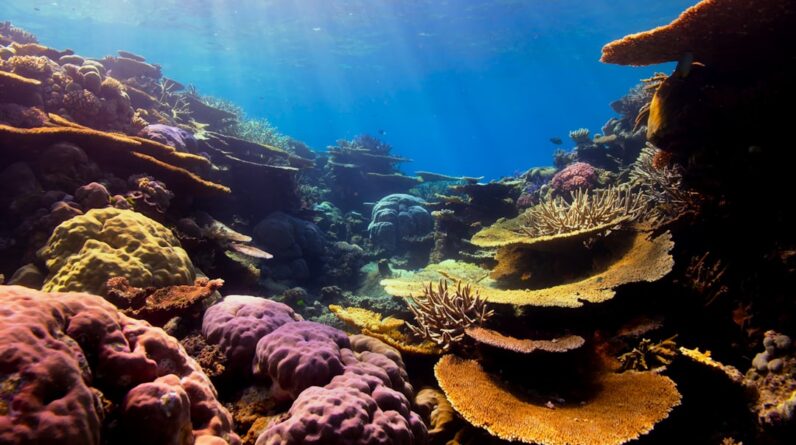
Ecosystems are also under threat as species struggle to adapt to rapidly changing conditions. Coral reefs, for example, are highly sensitive to temperature changes; as ocean waters warm, coral bleaching occurs, leading to widespread die-offs of marine life. Terrestrial ecosystems face similar challenges as shifting climates alter habitats and migration patterns for many species.
The interconnectedness of these systems means that changes in one area can have cascading effects throughout the environment.
Mitigating the Heat Trap: Solutions for Cooling Down Earth
Addressing the heat trap requires collective action at individual, community, and global levels. You can play a vital role in mitigating its effects by making conscious choices in your daily life. Reducing energy consumption through energy-efficient appliances and practices can significantly lower your carbon footprint.
Additionally, embracing renewable energy sources such as solar or wind power can help transition away from fossil fuels. Advocating for policies that promote sustainable practices is equally important. Supporting reforestation initiatives can help restore ecosystems while sequestering carbon dioxide from the atmosphere.
Engaging in community efforts to create green spaces within urban areas can also contribute to cooling down cities and enhancing biodiversity. Ultimately, combating the heat trap requires a multifaceted approach that combines individual actions with systemic changes. By understanding your role in this complex issue and taking proactive steps toward sustainability, you can contribute to a healthier planet for future generations.
The journey toward mitigating climate change may be challenging, but every effort counts in creating a cooler Earth for all living beings.
In a related article, How Can Trees Save the Earth from Global Warming, the importance of trees in combating global warming is highlighted. Trees play a crucial role in absorbing carbon dioxide and releasing oxygen, helping to regulate the Earth’s temperature. The article emphasizes the need for increased tree planting to help restore balance to the world’s ecosystems and combat the effects of climate change. This aligns with the concerns raised in “The Heat Trap: Why Earth Can’t Cool Down Anymore” about the escalating temperatures on our planet and the urgent need for action to address this issue.
FAQs
What is the greenhouse effect?
The greenhouse effect is a natural process that warms the Earth’s surface. It occurs when certain gases in the atmosphere trap heat from the sun, preventing it from escaping into space.
What are greenhouse gases?
Greenhouse gases are gases that contribute to the greenhouse effect by absorbing and emitting radiation within the thermal infrared range. The primary greenhouse gases in Earth’s atmosphere are water vapor, carbon dioxide, methane, nitrous oxide, and ozone.
How does human activity contribute to the greenhouse effect?
Human activities, such as burning fossil fuels, deforestation, and industrial processes, have significantly increased the concentration of greenhouse gases in the atmosphere. This has enhanced the greenhouse effect and led to global warming.
What is global warming?
Global warming refers to the long-term increase in Earth’s average surface temperature due to human activities, primarily the release of greenhouse gases.
Why can’t Earth cool down anymore?
The increased concentration of greenhouse gases in the atmosphere has intensified the greenhouse effect, trapping more heat and preventing it from escaping into space. This has led to a decrease in the Earth’s ability to cool down, resulting in rising global temperatures.