Reforestation plays a crucial role in the global effort to combat climate change, primarily through its ability to sequester carbon dioxide from the atmosphere. As you may know, carbon dioxide is one of the primary greenhouse gases contributing to global warming. By planting trees and restoring forests, you can significantly enhance the planet’s capacity to absorb this harmful gas.
This process not only helps mitigate climate change but also promotes biodiversity and restores ecosystems that have been degraded over time. The importance of reforestation cannot be overstated; it is a natural solution that aligns with both environmental and economic goals. Moreover, reforestation serves as a vital tool for achieving international climate targets, such as those outlined in the Paris Agreement.
By increasing forest cover, you can help countries meet their emissions reduction commitments while simultaneously fostering sustainable development. The act of planting trees is not merely an environmental initiative; it is a multifaceted approach that can lead to job creation, improved air quality, and enhanced community resilience. As you consider the implications of reforestation, it becomes clear that it is an essential strategy for a sustainable future.
Key Takeaways
- Reforestation plays a crucial role in carbon sequestration, helping to mitigate the effects of climate change by capturing and storing carbon dioxide from the atmosphere.
- Trees are essential in absorbing carbon dioxide through the process of photosynthesis, making them a natural solution to reducing greenhouse gas emissions.
- Reforestation offers a practical and effective solution to combatting climate change, as it not only helps to remove carbon from the atmosphere but also restores ecosystems and biodiversity.
- Deforestation contributes significantly to carbon emissions, releasing stored carbon back into the atmosphere and exacerbating the effects of climate change.
- Successful reforestation projects require careful planning, community involvement, and the use of diverse tree species to ensure long-term sustainability and maximize carbon sequestration benefits.
The Role of Trees in Absorbing Carbon Dioxide
Trees are often referred to as the lungs of our planet, and for good reason. They absorb carbon dioxide during photosynthesis, converting it into oxygen and biomass. When you think about the sheer volume of carbon that a single mature tree can sequester over its lifetime, the impact becomes evident.
A healthy tree can absorb approximately 48 pounds of carbon dioxide each year, which translates to a significant reduction in atmospheric CO2 levels when multiplied by millions of trees. This natural process is vital for maintaining ecological balance and combating climate change. In addition to their carbon-absorbing capabilities, trees also play a critical role in regulating local climates and improving air quality.
They provide shade, reduce heat islands in urban areas, and contribute to the overall health of ecosystems. When you plant trees, you are not only contributing to carbon sequestration but also enhancing the quality of life for people and wildlife alike. The interconnectedness of these benefits underscores the importance of trees in our environment and highlights why their preservation and restoration should be a priority.
Reforestation as a Solution to Climate Change
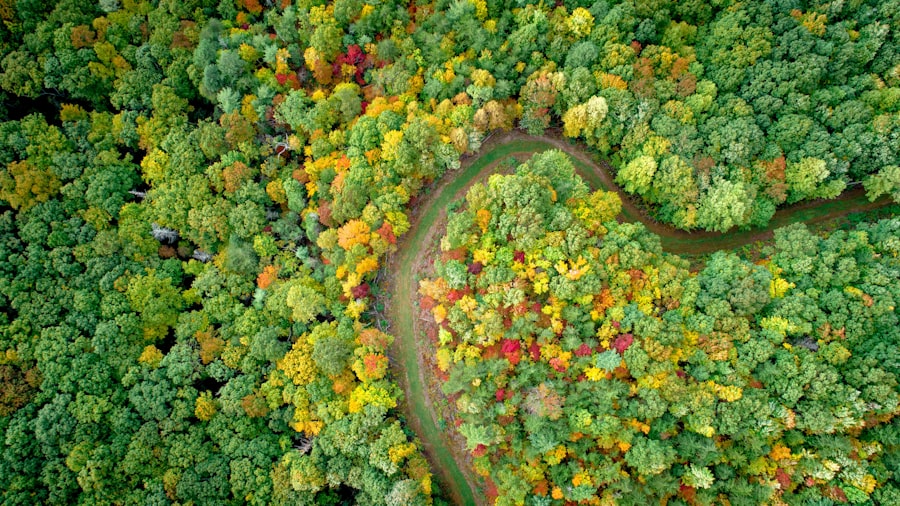
Reforestation stands out as one of the most effective solutions to climate change due to its dual capacity to sequester carbon and restore ecosystems. As you explore various strategies for addressing climate change, consider how reforestation can be integrated into broader environmental policies. By investing in large-scale tree planting initiatives, you can help create carbon sinks that absorb significant amounts of CO2 from the atmosphere.
This approach not only addresses immediate climate concerns but also fosters long-term ecological resilience. Furthermore, reforestation can serve as a catalyst for community engagement and education. When you participate in or support reforestation projects, you become part of a larger movement that raises awareness about environmental issues and encourages sustainable practices.
These initiatives often involve local communities, providing them with opportunities for economic development through eco-tourism or sustainable forestry practices. By embracing reforestation as a solution to climate change, you contribute to a holistic approach that benefits both the planet and its inhabitants.
The Impact of Deforestation on Carbon Emissions
Deforestation has far-reaching consequences for our planet, particularly concerning carbon emissions. When forests are cleared for agriculture, urban development, or logging, the carbon stored in trees is released back into the atmosphere, exacerbating climate change. You may be surprised to learn that deforestation accounts for nearly 10% of global greenhouse gas emissions.
This staggering figure highlights the urgent need for effective strategies to combat deforestation and promote reforestation. The loss of forests not only contributes to increased carbon emissions but also disrupts ecosystems and diminishes biodiversity. As habitats are destroyed, countless species face extinction, which further destabilizes ecological balance.
When you consider the interconnectedness of these issues, it becomes clear that addressing deforestation is essential for mitigating climate change and preserving our planet’s biodiversity. By advocating for sustainable land-use practices and supporting reforestation efforts, you can play a role in reversing the damaging effects of deforestation.
Strategies for Successful Reforestation Projects
Implementing successful reforestation projects requires careful planning and consideration of various factors. One key strategy is selecting the right species of trees for the specific environment where they will be planted. You must consider local climate conditions, soil types, and existing ecosystems to ensure that the chosen species will thrive and contribute positively to the environment.
Native species are often preferred because they are better adapted to local conditions and support local wildlife. Another important aspect of successful reforestation is community involvement. Engaging local communities in the planning and execution of reforestation projects fosters a sense of ownership and responsibility toward the environment.
When you involve community members in tree planting initiatives, you not only enhance the likelihood of project success but also promote awareness about the importance of forests and conservation efforts. Education plays a vital role in this process; by informing communities about the benefits of reforestation, you empower them to take action and advocate for sustainable practices.
The Benefits of Reforestation Beyond Carbon Sequestration

While carbon sequestration is a significant benefit of reforestation, it is far from the only advantage that comes from restoring forests. Reforestation contributes to improved soil health by preventing erosion and enhancing nutrient cycling. When trees are planted, their roots stabilize the soil, reducing runoff and promoting water retention.
This is particularly important in areas prone to flooding or drought, where healthy soils can make a substantial difference in agricultural productivity. Additionally, reforestation enhances biodiversity by providing habitats for various species of flora and fauna. As you consider the broader implications of reforestation, think about how restoring forests can lead to healthier ecosystems that support wildlife populations and promote ecological balance.
The benefits extend beyond environmental health; reforested areas can also provide recreational opportunities for communities, such as hiking trails or nature reserves, fostering a deeper connection between people and nature.
The Role of Indigenous Communities in Reforestation Efforts
Indigenous communities have long been stewards of their lands, possessing invaluable knowledge about local ecosystems and sustainable practices. Their involvement in reforestation efforts is crucial for ensuring that projects are culturally appropriate and ecologically sound. When you engage with Indigenous communities in reforestation initiatives, you tap into a wealth of traditional ecological knowledge that can enhance project outcomes.
Moreover, supporting Indigenous-led reforestation projects empowers these communities economically and socially. By recognizing their rights to land and resources, you contribute to their autonomy and resilience in the face of climate change. Collaborative efforts between Indigenous peoples and conservation organizations can lead to innovative solutions that respect cultural heritage while promoting environmental sustainability.
As you reflect on the importance of inclusivity in environmental initiatives, consider how Indigenous communities can play a pivotal role in shaping successful reforestation efforts.
The Future of Reforestation and Carbon Capture Technologies
As we look toward the future, the integration of advanced technologies with traditional reforestation practices holds great promise for enhancing carbon capture efforts. Innovations such as drone-assisted tree planting or genetic engineering of tree species could revolutionize how we approach reforestation on a large scale. These technologies can increase efficiency and effectiveness while reducing costs associated with traditional planting methods.
However, it is essential to balance technological advancements with ecological integrity. As you consider the future of reforestation, remember that technology should complement natural processes rather than replace them. Sustainable practices must remain at the forefront of any reforestation initiative to ensure that we are not only capturing carbon but also restoring ecosystems and supporting biodiversity.
By embracing both traditional knowledge and modern technology, you can contribute to a more sustainable future where reforestation plays a central role in combating climate change and preserving our planet for generations to come.
Reforestation is a crucial tool in combating climate change by acting as a natural carbon capture and storage system. In a related article on preventing floods by massive tree planting, it discusses how trees play a vital role in preventing floods by absorbing excess water and stabilizing soil. This highlights the multiple benefits of reforestation beyond just carbon sequestration, showcasing the importance of trees in addressing various environmental challenges. Another article on how trees can save the earth from global warming further emphasizes the significant role that trees play in mitigating the impacts of climate change. These articles collectively underscore the importance of reforestation efforts in creating a more sustainable and resilient planet.
FAQs
What is reforestation?
Reforestation is the process of planting trees in areas where forests have been depleted or destroyed, with the goal of restoring the ecological balance and increasing the forest cover.
How does reforestation help in carbon capture and storage?
Trees absorb carbon dioxide from the atmosphere during photosynthesis and store it in their biomass. By planting trees through reforestation, we can increase the amount of carbon captured and stored, helping to mitigate climate change.
What are the environmental benefits of reforestation?
Reforestation helps to restore biodiversity, prevent soil erosion, regulate water cycles, and provide habitats for wildlife. It also contributes to cleaner air and water, and helps to mitigate the impacts of climate change.
How does reforestation contribute to sustainable development?
Reforestation can provide economic opportunities for local communities through sustainable forestry practices, ecotourism, and the production of non-timber forest products. It also helps to create resilient and healthy ecosystems that support human well-being.
What are some successful examples of reforestation projects?
Successful reforestation projects include the Atlantic Forest Reforestation Project in Brazil, the Bonn Challenge, and the Great Green Wall initiative in Africa. These projects have demonstrated the potential of reforestation to restore degraded landscapes and mitigate climate change.