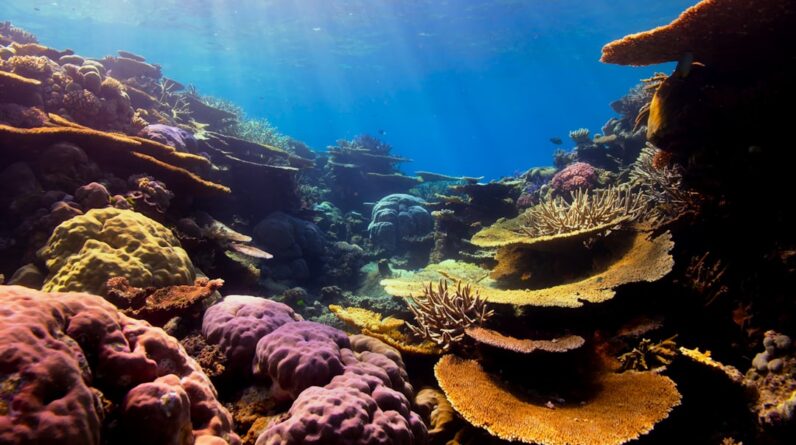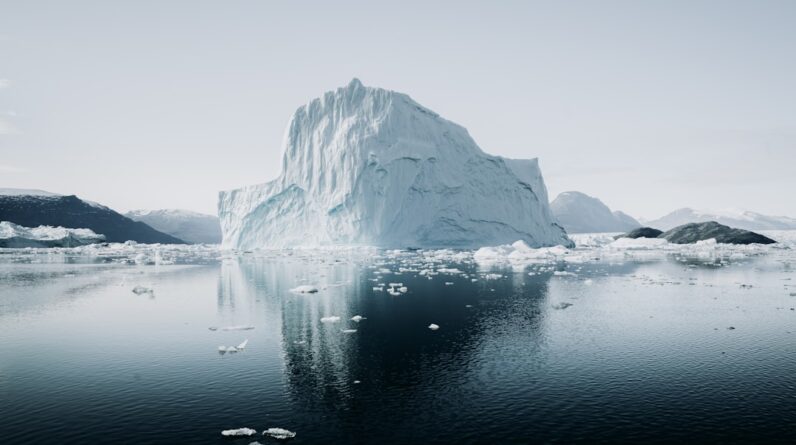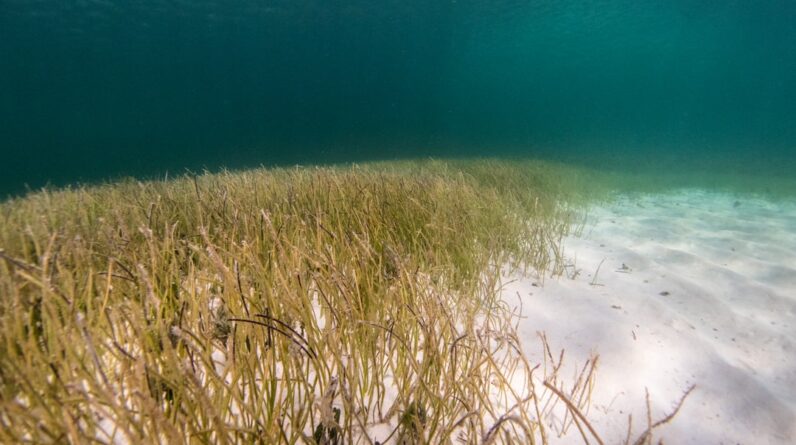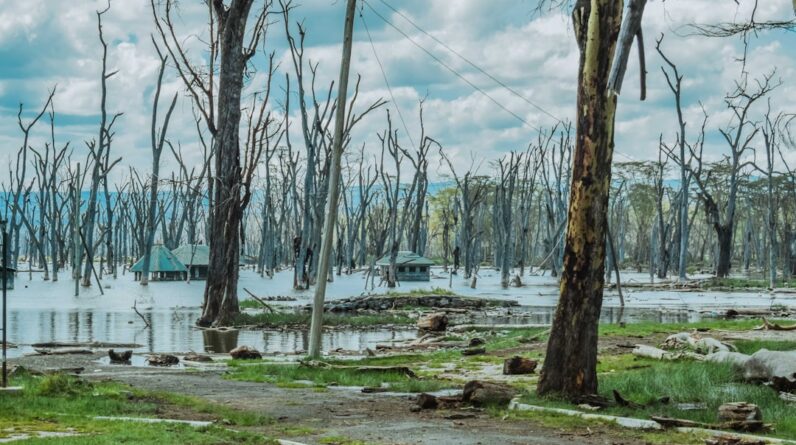
When you think about the air you breathe, it’s easy to overlook the vast oceans that play a crucial role in producing the oxygen essential for life on Earth. The oceans are not just a source of beauty and biodiversity; they are also a powerhouse of oxygen generation. It is estimated that around 50% to 80% of the oxygen in our atmosphere comes from oceanic sources, primarily through the process of photosynthesis carried out by marine organisms.
This means that every breath you take is, in part, a gift from the ocean. Understanding the importance of oceanic oxygen production is vital for appreciating the interconnectedness of life on our planet. The oceans serve as a massive carbon sink, absorbing carbon dioxide from the atmosphere and mitigating climate change.
This process is intricately linked to oxygen production, as phytoplankton and other marine plants utilize carbon dioxide during photosynthesis to produce oxygen. The health of ocean ecosystems directly influences the amount of oxygen available in the atmosphere. Therefore, recognizing the oceans’ role in oxygen production is not just an academic exercise; it has real-world implications for climate stability, air quality, and overall ecological balance.
Key Takeaways
- Oceanic oxygen production is crucial for maintaining the balance of oxygen in the atmosphere and supporting marine life.
- Factors such as temperature, nutrient availability, and light availability can affect the rate of oceanic oxygen production.
- Phytoplankton play a key role in oceanic oxygen production through photosynthesis, converting carbon dioxide into oxygen.
- Climate change can impact oceanic oxygen production through changes in temperature, ocean circulation, and nutrient availability.
- Oceanic oxygen production is essential for the survival of marine life and the overall health of ocean ecosystems.
Factors Affecting Oceanic Oxygen Production
Several factors influence the ability of oceans to produce oxygen, and understanding these can help you appreciate the delicate balance that sustains marine life. One significant factor is nutrient availability. Nutrients such as nitrogen and phosphorus are essential for phytoplankton growth, and their availability can be affected by various environmental conditions.
For instance, upwelling zones, where nutrient-rich waters rise to the surface, often lead to blooms of phytoplankton, resulting in increased oxygen production. Conversely, nutrient depletion can lead to reduced phytoplankton populations and, consequently, lower oxygen levels. Another critical factor is water temperature.
Warmer waters can lead to stratification, where layers of water do not mix effectively. This stratification can limit the distribution of nutrients and reduce the overall productivity of phytoplankton. Additionally, ocean acidification—caused by increased carbon dioxide absorption—can negatively impact marine organisms that contribute to oxygen production.
As you consider these factors, it becomes clear that maintaining a healthy ocean environment is essential for sustaining its capacity to produce oxygen.
The Role of Phytoplankton in Oxygen Production

Phytoplankton are often referred to as the “lungs of the ocean,” and for good reason. These microscopic organisms are responsible for a significant portion of the oxygen produced in marine environments. Through photosynthesis, phytoplankton convert sunlight and carbon dioxide into energy, releasing oxygen as a byproduct.
This process not only supports their own survival but also contributes to the overall health of the planet’s atmosphere. As you delve deeper into the world of phytoplankton, you may find it fascinating that these tiny organisms are responsible for producing more than half of the oxygen we breathe. The diversity of phytoplankton species also plays a crucial role in oceanic oxygen production.
Different species have varying efficiencies in photosynthesis and can thrive in different environmental conditions. This diversity ensures that even if one species is affected by changes in temperature or nutrient availability, others may continue to thrive and contribute to oxygen production. As you reflect on this intricate web of life, it becomes evident that protecting phytoplankton populations is essential for maintaining the balance of oxygen in our atmosphere.
The Impact of Climate Change on Oceanic Oxygen Production
Climate change poses a significant threat to oceanic oxygen production, and its effects are already being felt across marine ecosystems. Rising sea temperatures can lead to increased stratification, which limits nutrient mixing and reduces phytoplankton productivity. As you consider the implications of this phenomenon, it becomes clear that a warmer ocean may not only produce less oxygen but also exacerbate existing environmental challenges.
Moreover, ocean acidification—a direct result of increased carbon dioxide levels—can hinder the growth and survival of phytoplankton and other marine organisms that contribute to oxygen production. As these organisms struggle to adapt to changing conditions, you may find yourself contemplating the broader consequences for marine food webs and ecosystems. The decline in oxygen production could lead to dead zones—areas where oxygen levels are too low to support most marine life—further destabilizing ocean health and biodiversity.
The Connection Between Oceanic Oxygen Production and Marine Life
The relationship between oceanic oxygen production and marine life is profound and multifaceted. Marine organisms rely on oxygen for survival, just as terrestrial creatures do. Fish, crustaceans, and other marine animals depend on healthy levels of dissolved oxygen in seawater to thrive.
When you consider this connection, it becomes evident that any decline in oceanic oxygen production can have cascading effects throughout marine ecosystems. Additionally, healthy phytoplankton populations not only produce oxygen but also serve as the foundation of the marine food web. They provide sustenance for a variety of marine species, from tiny zooplankton to large fish and mammals.
As you explore this intricate web of life, you may realize that protecting oceanic oxygen production is not just about preserving air quality; it’s about safeguarding entire ecosystems that depend on this vital resource.
The Global Significance of Oceanic Oxygen Production

The significance of oceanic oxygen production extends far beyond local ecosystems; it has global implications for climate regulation and human health. As you consider the interconnectedness of Earth’s systems, it becomes clear that healthy oceans contribute to a stable climate by absorbing carbon dioxide and producing oxygen. This balance is crucial for mitigating climate change impacts and ensuring a livable planet for future generations.
Furthermore, many coastal communities rely on healthy marine ecosystems for their livelihoods. Fisheries depend on balanced oxygen levels to support fish populations, while tourism thrives in vibrant marine environments. As you reflect on these connections, it becomes apparent that protecting oceanic oxygen production is not just an environmental issue; it’s an economic one as well.
The Future of Oceanic Oxygen Production
Looking ahead, the future of oceanic oxygen production is uncertain but critical for sustaining life on Earth. As climate change continues to impact ocean temperatures and chemistry, it is essential to prioritize research and conservation efforts aimed at understanding these changes. You may find it encouraging that scientists are actively studying ways to enhance ocean resilience and promote healthy phytoplankton populations.
Innovative approaches such as marine protected areas (MPAs) can help safeguard critical habitats and promote biodiversity, ultimately supporting higher levels of oxygen production. As you consider your role in this future, remember that individual actions—such as reducing carbon footprints and supporting sustainable seafood practices—can collectively contribute to healthier oceans.
Ways to Protect and Preserve Oceanic Oxygen Production
Protecting and preserving oceanic oxygen production requires a multifaceted approach that involves individuals, communities, governments, and organizations working together. One effective way you can contribute is by advocating for policies that address climate change and promote sustainable practices in industries such as fishing and agriculture. Supporting initiatives aimed at reducing pollution runoff into oceans can also help maintain nutrient balance and promote healthy phytoplankton growth.
Additionally, engaging in community efforts focused on beach clean-ups or habitat restoration can have a direct positive impact on local marine environments. Educating yourself and others about the importance of oceanic oxygen production can foster a greater appreciation for our oceans and inspire collective action toward their preservation. By taking these steps, you can play an active role in ensuring that future generations continue to benefit from the life-sustaining oxygen produced by our oceans.
If you are interested in learning more about how to live life with purpose and make a positive impact on the world, check out this article Live Life with Purpose: Good Purpose. It offers valuable insights and tips on how to live a meaningful and fulfilling life while making a difference in the world. This article complements the discussion on the importance of preserving our environment and natural resources, such as the ocean, as highlighted in the article “How Much Oxygen Does the Ocean Produce? The Answer Might Shock You.” For more information on how to protect our planet and its inhabitants, read Stop Forest Burning: Save Trees and Animals and discover ways to live life with a cause.
FAQs
What is oceanic photosynthesis?
Oceanic photosynthesis is the process by which marine plants, such as phytoplankton and algae, use sunlight to convert carbon dioxide and water into organic compounds and oxygen. This process is crucial for the production of oxygen in the ocean.
How much oxygen does the ocean produce?
The ocean produces about 50-85% of the Earth’s oxygen, with the majority of this oxygen being produced by phytoplankton through photosynthesis. This makes the ocean a vital contributor to the oxygen we breathe.
Why is oceanic oxygen production important?
Oceanic oxygen production is important because it helps to maintain the balance of oxygen in the Earth’s atmosphere, supports marine life, and contributes to the overall health of the planet. It also plays a crucial role in the global carbon cycle.
What factors can affect oceanic oxygen production?
Factors that can affect oceanic oxygen production include changes in sea surface temperature, nutrient availability, and levels of sunlight. Human activities such as pollution and climate change can also have a significant impact on oceanic oxygen production.