Ever wondered how the trees in forests far away are impacting the temperature of our planet? When you think about global warming, you might picture smokestacks, car exhausts, and melting ice caps. But did you know that the destruction of forests is one of the key drivers of climate change? It’s a fascinating and vital topic, and understanding it could help you become part of the solution.
Understanding Deforestation
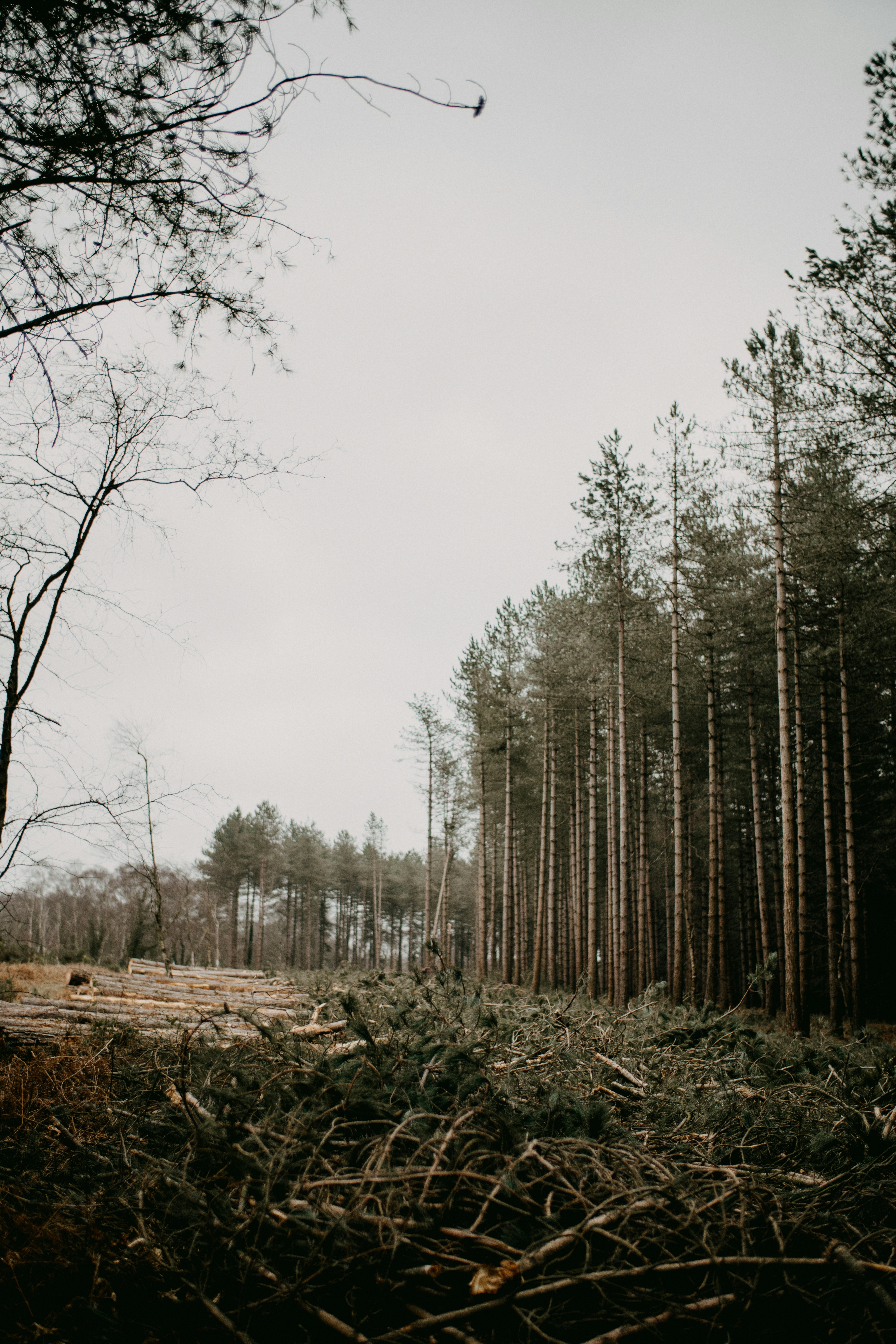
Deforestation refers to the large-scale removal of forest areas, which are often cleared to make way for agriculture, urban development, or logging purposes. This process has significant implications for our planet, particularly in the ongoing battle against global warming.
What is Deforestation?
Deforestation is the process of clearing, destroying, or otherwise removing trees and other forest vegetation. This can include small-scale processes like clear-cutting patches of woods or large-scale endeavors like converting entire forests into agricultural land.
Causes of Deforestation
The causes of deforestation can be broadly categorized into natural and human-induced factors. However, human activities are the primary driver. Let’s break down the main human-induced causes:
| Cause | Description |
|---|---|
| Agriculture | The conversion of forested areas into crop fields or pastures for livestock. |
| Logging | Tree removal for lumber and paper products. |
| Urban Development | Expanding cities and infrastructure projects that require clearing forested land. |
| Mining | Extractive operations that open large tracts of land and often lead to significant environmental degradation. |
| Fire | Natural or man-made fires can ravage large forested areas, though human activity often plays a part in their ignition and spread. |
| Slash-and-Burn Farming | A traditional method where forests are burned to create arable land. This practice is particularly common in tropical regions. |
Consequences of Deforestation
The repercussions of deforestation go beyond the immediate loss of trees. The destruction of these crucial ecosystems has a ripple effect that impacts biodiversity, water cycles, local climates, and global weather patterns. Here’s a glimpse into the bigger picture:
| Consequence | Impact |
|---|---|
| Loss of Biodiversity | Forests are home to countless species. Deforestation results in habitat loss, often driving species to extinction. |
| Disruption of Water Cycles | Trees play a critical role in maintaining the water cycle. Removing forests can lead to changes in precipitation patterns and water availability. |
| Soil Erosion | Trees and plants help to anchor soil. Without them, soils can erode, leading to a loss of fertile land. |
| Climate Change Amplification | Forests act as carbon sinks, absorbing CO2. Their removal releases stored carbon, contributing to global warming. |
The Carbon Connection
One of the most pressing concerns with deforestation is its impact on the carbon cycle. To grasp this fully, it’s important to understand how forests and trees interact with carbon dioxide (CO2) in our atmosphere.
Forests as Carbon Sinks
Forests act as significant carbon sinks, absorbing more carbon dioxide than they release through photosynthesis—a process where trees convert CO2 into oxygen and glucose using sunlight.
Carbon Sequestration
The term “carbon sequestration” describes the process by which forests capture CO2 from the atmosphere. This carbon is stored in biomass (trees, plants) and soils. When forests are destroyed, this stored carbon is released back into the atmosphere, contributing to the greenhouse effect.
Greenhouse Gas Emissions
The immediate consequence of releasing stored carbon is an increase in greenhouse gases—primarily CO2—within the atmosphere. This phenomenon traps heat, which in turn escalates global temperatures.
Deforestation and Emissions
When deforestation occurs, not only is carbon storage capacity diminished, but the act itself releases significant amounts of CO2. According to some estimates, deforestation and land use changes account for about 10-15% of global greenhouse gas emissions.
Here’s a snapshot to better understand:
| Aspect | Description |
|---|---|
| Carbon Sinks | Forests capture and store CO2, reducing its presence in the atmosphere. |
| Carbon Sequestration Rate | Mature forests sequester more carbon compared to new plantations, though the latter can still be beneficial. |
| CO2 Emissions from Deforestation | When trees are cut or burned, the carbon stored in them is released into the atmosphere. |

The Global Warming Link
How exactly does deforestation contribute to global warming? You might wonder how the cutting down of trees in a Brazilian rainforest affects Arctic ice. Here’s how.
Breaking Down the Chain Reaction
-
Release of Stored Carbon: When trees are felled or burned, the carbon they stored is released back into the atmosphere. This release contributes to the greenhouse effect, which traps heat and causes global temperatures to rise.
-
Reduced Carbon Sequestration: With fewer trees to absorb CO2, more of this greenhouse gas remains in the atmosphere, exacerbating global warming.
-
Altered Weather Patterns: Forests play a vital role in the water cycle, influencing local and global weather patterns. The removal of these ecological systems can result in unpredictable and extreme weather conditions.
Feedback Loops
The process of deforestation can create feedback loops that further accelerate global warming. For instance:
- Albedo Effect: When forests are cleared, the less reflective ground absorbs more solar radiation, heating the Earth’s surface further.
- Drying Effect: Reduced evaporation and transpiration can lead to local climate warming, making previously temperate areas more arid.
Climate Models and Deforestation
Scientific climate models indicate that deforestation can influence weather systems beyond local levels. The increased greenhouse gases contribute to:
- Rising sea levels
- Increased frequency and severity of natural disasters like hurricanes, droughts, and floods
- Threats to agricultural productivity due to erratic weather patterns
The Broader Impact
Deforestation isn’t just an environmental issue; it is also a social and economic concern that affects communities worldwide. Understanding the broader impact can give you a more nuanced view of why this issue is so critical.
Economic Consequences
While deforestation may offer short-term economic benefits—such as agricultural gains and timber sales—it compromises long-term sustainability.
| Short-Term Benefit | Long-Term Impact |
|---|---|
| Timber Sales | Loss of biodiversity, depletion of resources |
| Agricultural Land | Soil degradation, reduced fertility and yield over time |
Social Impact
Communities that depend on forests for their livelihood are the most affected. Indigenous communities, in particular, lose their homes, cultures, and ways of life due to deforestation.
Health Implications
The loss of forests can lead to air and water pollution, affecting human health. Additionally, disturbed ecosystems may contribute to the spread of diseases.
Ethical Considerations
The destruction of habitats and loss of biodiversity raises ethical issues about our responsibility towards other species and future generations.

Strategies to Combat Deforestation
Addressing deforestation is challenging but not impossible. Efforts can range from local initiatives to global policies aimed at preserving existing forests and restoring degraded ones.
Afforestation and Reforestation
Afforestation (planting new forests) and reforestation (replanting trees in deforested areas) are fundamental strategies to mitigate the impact of deforestation. However, these methods are not a panacea and need to be part of a broader strategy.
Sustainable Practices
Promoting sustainable agriculture, logging, and mining practices can minimize environmental impacts. Practices such as agroforestry and selective logging can ensure that the use of forest resources is balanced with conservation.
Policy and Legislation
Implementing and enforcing laws and policies to protect forests is crucial. International agreements like the Paris Agreement include measures to combat deforestation as part of the broader strategy to combat climate change.
Community Involvement
Empowering local communities and indigenous groups in forest management can lead to more sustainable outcomes. Their traditional knowledge and vested interest in the land make them effective stewards of forest conservation.
Technological Solutions
Advanced technologies like satellite monitoring and AI can help track deforestation activities in real-time, enabling quicker action and more effective management.
What You Can Do
Addressing deforestation and its contributions to global warming isn’t just the responsibility of governments and big organizations; it’s something you can contribute to as well.
Reduce, Reuse, Recycle
Cutting down on paper and wood product consumption directly helps decrease the demand for timber. Reusing and recycling materials can also reduce the pressure on forests.
Support Sustainable Products
Opt for products certified by organizations like the Forest Stewardship Council (FSC). These products are sourced from responsibly managed forests.
Advocate and Educate
Raising awareness and advocating for policies that protect forests can have a significant impact. Being informed allows you to educate others and become a more effective advocate for change.
Contribute to Conservation Efforts
Support NGOs and conservation projects aimed at protecting and restoring forests. Financial contributions, volunteering, or participating in awareness campaigns can make a difference.
Conclusion
Understanding the critical role deforestation plays in global warming enables you to see the bigger picture. By connecting the dots between forest destruction and climate change, you can appreciate why saving our forests is pivotal not just for the environment, but for the survival and well-being of all life on Earth.
Taking action—whether on a small scale or by supporting larger initiatives—can contribute to preserving the life-giving ecological systems that regulate our climate. The heat is indeed on, but with collective efforts, we have the power to turn the tide.