
Reforestation plays a pivotal role in the recovery of ecosystems that have been damaged by human activity or natural disasters. When you think about the vast landscapes that once thrived with life, it becomes clear that restoring these areas is not just beneficial but essential for the health of our planet. By reintroducing trees and other vegetation, you help to rebuild habitats that support a myriad of species, from the smallest insects to larger mammals.
This restoration process is crucial for maintaining ecological balance, as it allows for the re-establishment of food webs and nutrient cycles that have been disrupted. Moreover, reforestation acts as a natural remedy for many environmental issues. You may not realize it, but deforested areas often suffer from soil erosion, loss of biodiversity, and increased carbon emissions.
By planting trees, you can help stabilize the soil, reduce runoff, and create a more hospitable environment for wildlife. This not only aids in the recovery of the ecosystem but also enhances its resilience against future disturbances. The act of reforesting is a proactive step toward healing the planet, making it a vital component of global conservation efforts.
Key Takeaways
- Reforestation is crucial for ecosystem recovery as it helps restore natural habitats and promotes biodiversity.
- Trees play a vital role in supporting biodiversity by providing food, shelter, and breeding grounds for various species.
- Reforestation serves as a powerful tool for carbon sequestration, helping to mitigate climate change by absorbing and storing carbon dioxide.
- Restoring soil health through reforestation efforts helps prevent erosion, improve fertility, and promote sustainable land use.
- Reforestation has a significant impact on water cycles and watershed health, helping to regulate water flow, reduce erosion, and improve water quality.
The Role of Trees in Supporting Biodiversity
Trees are the backbone of many ecosystems, providing essential habitats for countless species. When you consider the intricate relationships between flora and fauna, it becomes evident that trees are not merely passive participants; they actively support biodiversity in numerous ways. For instance, trees offer shelter and nesting sites for birds, while their leaves and fruits serve as food sources for various animals.
By planting trees, you contribute to a more diverse and vibrant ecosystem that can sustain a wide range of life forms. In addition to providing habitat, trees also play a crucial role in maintaining genetic diversity within ecosystems. When you engage in reforestation efforts, you have the opportunity to select native species that are well-adapted to local conditions.
This not only ensures that the new forest will thrive but also promotes the survival of local wildlife that depend on these native plants. By fostering a diverse array of tree species, you help create a resilient ecosystem capable of withstanding environmental changes and pressures.
Reforestation as a Tool for Carbon Sequestration
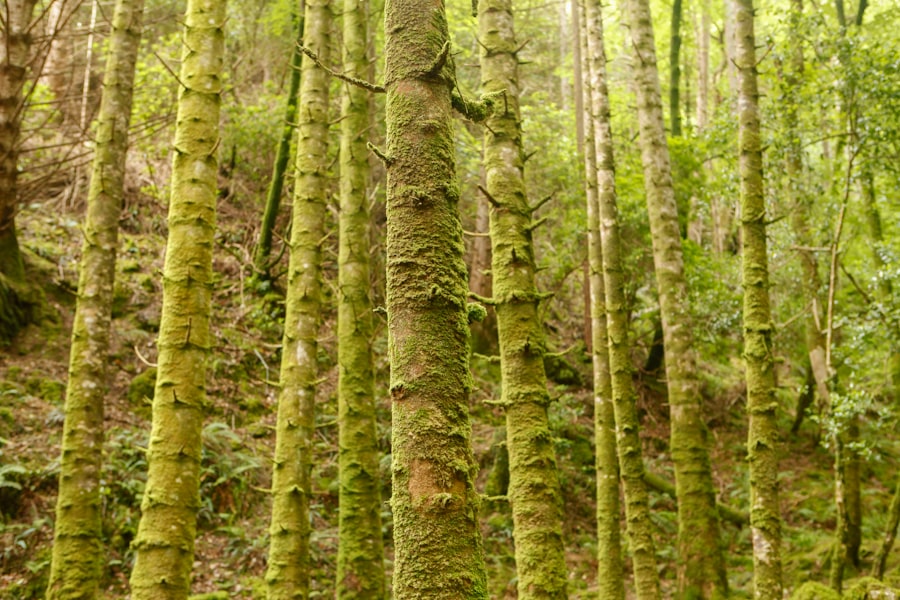
One of the most pressing challenges facing our planet today is climate change, and reforestation offers a powerful solution through carbon sequestration. Trees absorb carbon dioxide from the atmosphere during photosynthesis, storing carbon in their biomass and releasing oxygen as a byproduct. When you participate in reforestation initiatives, you are directly contributing to the reduction of greenhouse gases in the atmosphere.
This process is vital for mitigating climate change and its associated impacts on weather patterns, sea levels, and ecosystems. Furthermore, the long-term benefits of reforestation extend beyond immediate carbon capture. As trees grow and mature, they continue to sequester carbon over their lifespan, making forests one of the most effective natural carbon sinks available.
By investing in reforestation projects, you are not only addressing current climate issues but also creating a sustainable future for generations to come. The more trees you plant today, the greater the potential for carbon storage tomorrow.
Restoring Soil Health through Reforestation Efforts
Soil health is fundamental to ecosystem functionality, and reforestation plays a significant role in restoring degraded soils. When you plant trees, their roots help to anchor the soil, preventing erosion and promoting stability. This is particularly important in areas that have experienced deforestation or land degradation due to agricultural practices.
By reintroducing trees into these landscapes, you can enhance soil structure and fertility, allowing for better water retention and nutrient cycling. Additionally, trees contribute organic matter to the soil through leaf litter and decaying roots. This organic material enriches the soil, fostering a diverse community of microorganisms that are essential for nutrient availability.
When you engage in reforestation efforts, you are not just planting trees; you are revitalizing the soil ecosystem that supports all forms of life above it. Healthy soils lead to healthier plants and animals, creating a thriving environment that benefits both nature and humanity.
The Impact of Reforestation on Water Cycles and Watershed Health
Water is a precious resource, and reforestation has a profound impact on water cycles and watershed health. Trees play a critical role in regulating water flow by absorbing rainfall and releasing moisture back into the atmosphere through transpiration. When you participate in reforestation projects, you help to restore natural hydrological processes that have been disrupted by deforestation or land use changes.
This can lead to improved water quality and availability for both ecosystems and human communities. Moreover, healthy forests act as natural filters for water bodies, trapping sediments and pollutants before they can enter rivers and streams. By planting trees along watersheds, you contribute to cleaner water sources that support aquatic life and provide safe drinking water for nearby populations.
The interconnectedness of trees, water cycles, and human health underscores the importance of reforestation as a holistic approach to environmental stewardship.
Reforestation and Climate Resilience

In an era marked by increasing climate variability, building resilience within ecosystems is more important than ever. Reforestation serves as a key strategy for enhancing climate resilience by restoring natural habitats that can withstand extreme weather events such as floods, droughts, and storms. When you engage in reforestation efforts, you are helping to create landscapes that are better equipped to adapt to changing climatic conditions.
Trees provide shade and cooling effects that can mitigate heat stress during extreme temperatures. They also help to stabilize soils and reduce runoff during heavy rainfall events, minimizing the risk of flooding. By fostering diverse forest ecosystems through reforestation, you contribute to a more resilient environment capable of bouncing back from climate-related disturbances.
This resilience not only benefits wildlife but also supports human communities that rely on healthy ecosystems for their livelihoods.
Community Engagement and Socioeconomic Benefits of Reforestation
Reforestation is not just an environmental endeavor; it also offers significant socioeconomic benefits for local communities. When you participate in or support reforestation projects, you create opportunities for job creation in areas such as tree planting, maintenance, and sustainable forestry practices. These jobs can provide much-needed income for families while promoting environmental stewardship within communities.
Additionally, reforestation can enhance local economies by attracting ecotourism and recreational activities. As forests are restored and biodiversity flourishes, people are drawn to these areas for hiking, birdwatching, and other outdoor pursuits. This influx of visitors can stimulate local businesses and foster a sense of pride among community members who are actively involved in conservation efforts.
By engaging with communities in reforestation initiatives, you help build a sustainable future that benefits both people and nature.
Challenges and Considerations in Successful Reforestation Projects
While reforestation holds immense potential for ecological restoration and community development, it is not without its challenges. One significant consideration is ensuring that the right tree species are selected for planting based on local conditions and ecological needs. When you embark on reforestation projects, it is crucial to involve local experts and communities who understand the unique characteristics of the area.
This collaborative approach helps ensure that the new forest will thrive and support local biodiversity. Another challenge lies in maintaining the newly planted trees over time. Without proper care and management, young saplings may struggle to survive due to competition from invasive species or lack of water resources.
You must consider long-term monitoring and maintenance plans as part of any successful reforestation initiative. By addressing these challenges head-on and fostering collaboration among stakeholders, you can contribute to meaningful reforestation efforts that yield lasting benefits for ecosystems and communities alike. In conclusion, reforestation is an essential tool for ecosystem recovery that offers numerous benefits ranging from biodiversity support to climate resilience.
By understanding its importance and engaging with local communities in meaningful ways, you can play an active role in restoring our planet’s health while also fostering socioeconomic development. The challenges may be significant, but with careful planning and collaboration, successful reforestation projects can pave the way for a more sustainable future for all living beings on Earth.
A related article to How Reforestation Supports Holistic Ecosystem Recovery can be found in the link Biodiversity Reservoir by Having Healthy Forest. This article discusses how healthy forests serve as a reservoir for biodiversity, highlighting the importance of reforestation in preserving and restoring ecosystems. By planting trees and promoting forest health, we can support a wide range of plant and animal species, contributing to the overall health and balance of our planet’s ecosystems.
FAQs
What is reforestation?
Reforestation is the process of planting trees in areas where forests have been depleted or destroyed, with the goal of restoring the ecological balance and biodiversity of the area.
How does reforestation support holistic ecosystem recovery?
Reforestation supports holistic ecosystem recovery by restoring the natural habitat for a wide variety of plant and animal species, improving soil health, regulating water cycles, and reducing the impact of climate change through carbon sequestration.
What are the benefits of reforestation for the environment?
Reforestation helps to mitigate climate change by absorbing carbon dioxide from the atmosphere, reduces soil erosion, improves air and water quality, and provides habitat for a diverse range of species.
What are some challenges of reforestation efforts?
Challenges of reforestation efforts include securing funding and resources, selecting appropriate tree species for the specific ecosystem, and ensuring the long-term survival and growth of the planted trees.
How can individuals support reforestation efforts?
Individuals can support reforestation efforts by participating in tree planting initiatives, supporting organizations that focus on reforestation, and making sustainable choices to reduce deforestation and promote forest conservation.