The greenhouse effect is a natural phenomenon that plays a crucial role in maintaining the Earth’s temperature and climate. You may have heard about it in discussions surrounding climate change, but understanding its mechanics is essential for grasping the broader implications for our planet. Essentially, the greenhouse effect occurs when certain gases in the Earth’s atmosphere trap heat from the sun.
These gases, known as greenhouse gases, include carbon dioxide, methane, and nitrous oxide. Without this effect, the Earth would be inhospitably cold, making it difficult for life as you know it to thrive. However, human activities have significantly intensified the greenhouse effect.
The burning of fossil fuels, deforestation, and industrial processes have led to an unprecedented increase in the concentration of greenhouse gases in the atmosphere. This enhancement of the greenhouse effect is a primary driver of global warming and climate change. As you delve deeper into this topic, you will discover how these changes are not just abstract concepts but have tangible effects on your daily life and the world around you.
Key Takeaways
- The greenhouse effect is a natural process that warms the Earth’s surface.
- The greenhouse effect is contributing to global warming and climate change.
- The greenhouse effect is causing ocean temperatures to rise and leading to ocean acidification.
- The greenhouse effect is linked to an increase in extreme weather events such as hurricanes and heatwaves.
- The greenhouse effect is impacting agriculture and food security by altering growing conditions and increasing the risk of crop failure.
The Impact of the Greenhouse Effect on Climate Change
As you explore the relationship between the greenhouse effect and climate change, it becomes clear that the two are intricately linked. The increase in greenhouse gases leads to a rise in global temperatures, which in turn causes a cascade of environmental changes. You might notice that weather patterns are becoming more erratic, with some regions experiencing extreme heat while others face unprecedented cold spells.
This inconsistency is a direct result of the altered climate system driven by enhanced greenhouse gas concentrations. Moreover, the implications of climate change extend beyond mere temperature fluctuations. You may find that rising sea levels threaten coastal communities, while droughts and floods disrupt agricultural production.
These changes can lead to food shortages and increased competition for resources, affecting not just your local community but also global stability. Understanding these impacts is vital for recognizing the urgency of addressing climate change and its root causes.
How the Greenhouse Effect is affecting the Oceans

The oceans are often referred to as the Earth’s lungs, playing a critical role in regulating climate and supporting diverse ecosystems. However, as you consider the effects of the greenhouse effect on these vast bodies of water, it becomes evident that they are not immune to its consequences. Increased atmospheric temperatures lead to higher ocean temperatures, which can disrupt marine life and ecosystems.
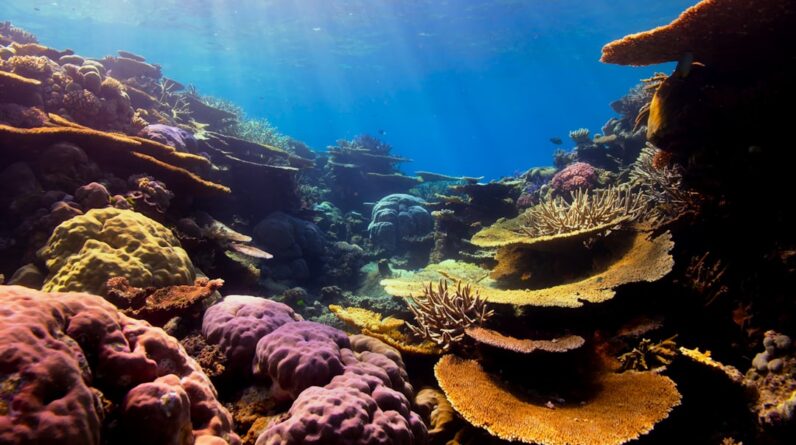
You may have heard about coral bleaching events, where rising sea temperatures cause corals to expel the algae that provide them with color and nutrients. This phenomenon not only threatens coral reefs but also the myriad species that depend on them for survival. Additionally, the oceans absorb a significant portion of carbon dioxide emissions, leading to ocean acidification.
This process alters the chemical composition of seawater, making it more acidic and detrimental to marine organisms such as shellfish and plankton. As you reflect on these changes, consider how they impact not only marine biodiversity but also human communities that rely on fishing and tourism for their livelihoods. The health of our oceans is intricately tied to your well-being and that of future generations.
The Role of the Greenhouse Effect in Extreme Weather Events
Extreme weather events have become increasingly common in recent years, and you may have noticed their growing frequency and intensity. The greenhouse effect plays a significant role in this trend, as rising temperatures contribute to more severe storms, hurricanes, heatwaves, and heavy rainfall. For instance, warmer air holds more moisture, leading to heavier precipitation during storms.
You might recall recent news reports about devastating floods that have impacted communities around the world—these events are often exacerbated by climate change driven by the enhanced greenhouse effect. Moreover, as you consider the implications of extreme weather events, think about their impact on infrastructure and public safety. Communities may struggle to cope with the aftermath of hurricanes or wildfires, leading to economic losses and displacement.
The strain on emergency services and resources can be overwhelming, highlighting the need for proactive measures to mitigate these risks. Understanding how the greenhouse effect contributes to extreme weather can empower you to advocate for policies that address climate change and promote resilience in your community.
The Greenhouse Effect and its Effects on Agriculture and Food Security
Agriculture is one of the sectors most vulnerable to the impacts of climate change driven by the greenhouse effect. As you think about food security, consider how rising temperatures and changing precipitation patterns can affect crop yields. You may have noticed that some regions are experiencing longer growing seasons while others face droughts or flooding that devastate harvests.
These fluctuations can lead to food shortages and increased prices, making it more challenging for families to access nutritious food. Furthermore, pests and diseases thrive in warmer conditions, posing additional threats to crops and livestock. As you reflect on these challenges, consider how they disproportionately affect vulnerable populations who may lack resources to adapt to changing conditions.
The interconnectedness of climate change and food security underscores the urgency of addressing the greenhouse effect—not just for environmental reasons but also for social equity and justice.
The Greenhouse Effect and its Impact on Biodiversity

Biodiversity is essential for maintaining healthy ecosystems, yet it is increasingly threatened by climate change driven by the greenhouse effect. As temperatures rise and habitats shift, many species struggle to adapt or migrate to more suitable environments. You may have heard about species extinction rates accelerating due to these changes—this loss of biodiversity can have far-reaching consequences for ecosystem stability and resilience.
Consider how interconnected life on Earth is; each species plays a role in its ecosystem’s health. When one species declines or disappears, it can trigger a domino effect that impacts others. As you contemplate these dynamics, think about how preserving biodiversity is not just an environmental concern but also vital for human well-being.
Healthy ecosystems provide essential services such as clean air and water, pollination of crops, and disease regulation—all of which are at risk due to climate change.
Mitigation and Adaptation Strategies to Address the Greenhouse Effect
Addressing the greenhouse effect requires a multifaceted approach that includes both mitigation and adaptation strategies. Mitigation involves reducing greenhouse gas emissions through various means such as transitioning to renewable energy sources, improving energy efficiency, and promoting sustainable land use practices. As you consider your role in this effort, think about how individual actions—like reducing energy consumption or supporting local agriculture—can contribute to broader systemic changes.
Adaptation strategies are equally important as they help communities prepare for and respond to the impacts of climate change already underway. This might involve investing in resilient infrastructure, developing early warning systems for extreme weather events, or implementing sustainable agricultural practices that enhance food security. By understanding both mitigation and adaptation strategies, you can become an advocate for policies that prioritize sustainability and resilience in your community.
The Urgency of Addressing the Greenhouse Effect
In conclusion, addressing the greenhouse effect is not merely an environmental issue; it is a pressing challenge that affects every aspect of life on Earth. As you reflect on its far-reaching impacts—from climate change and ocean health to agriculture and biodiversity—consider how interconnected these issues are with your daily life. The urgency of taking action cannot be overstated; every moment counts as we face an uncertain future shaped by our choices today.
You have the power to make a difference through informed decisions and advocacy for policies that prioritize sustainability and resilience. Whether it’s reducing your carbon footprint or supporting initiatives aimed at combating climate change, your actions matter. Together, we can work towards a healthier planet for ourselves and future generations by addressing the greenhouse effect with urgency and determination.
In a related article on preventing floods by massive tree planting, it discusses the importance of reforestation in mitigating the effects of climate change. The article highlights how planting trees can help absorb excess water, reduce soil erosion, and ultimately prevent devastating floods. This aligns with the themes explored in “The Invisible Dome: How the Greenhouse Effect is Changing Everything,” as both emphasize the crucial role of trees in combating environmental challenges. To learn more about the benefits of tree planting in flood prevention, check out the article here.
FAQs
What is the greenhouse effect?
The greenhouse effect is a natural process that warms the Earth’s surface. It occurs when certain gases in the atmosphere trap heat from the sun, preventing it from escaping into space.
How is the greenhouse effect changing everything?
The greenhouse effect is causing global temperatures to rise, leading to changes in weather patterns, sea levels, and ecosystems. It is also contributing to more frequent and severe extreme weather events.
What are the main greenhouse gases responsible for the greenhouse effect?
The main greenhouse gases are carbon dioxide (CO2), methane (CH4), nitrous oxide (N2O), and fluorinated gases. These gases are released through human activities such as burning fossil fuels, deforestation, and industrial processes.
What are the impacts of the greenhouse effect on the environment?
The impacts of the greenhouse effect on the environment include melting ice caps and glaciers, rising sea levels, more frequent and severe heatwaves, changes in precipitation patterns, and disruptions to ecosystems and wildlife.
How is the greenhouse effect affecting human health?
The greenhouse effect is contributing to air pollution, which can worsen respiratory conditions such as asthma and increase the risk of heat-related illnesses. It can also lead to the spread of vector-borne diseases as the habitats of disease-carrying organisms expand.
What can be done to mitigate the effects of the greenhouse effect?
Mitigating the effects of the greenhouse effect requires reducing greenhouse gas emissions through measures such as transitioning to renewable energy sources, improving energy efficiency, protecting and restoring forests, and implementing policies to limit emissions from industry and transportation.