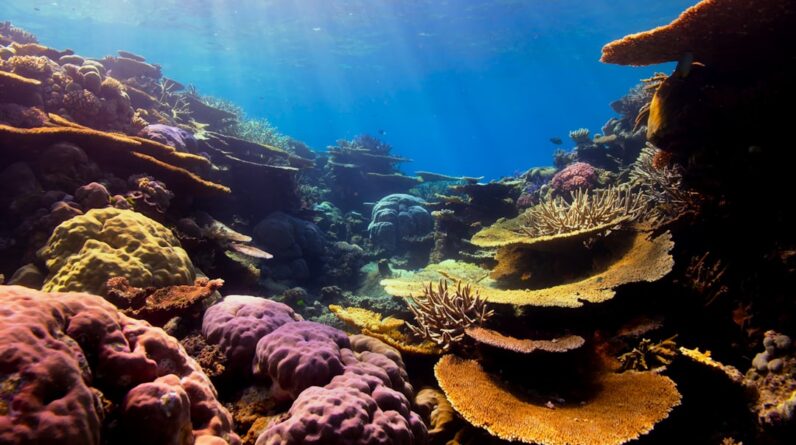
When you think about the air you breathe, it’s easy to overlook the vast oceans that play a crucial role in producing the oxygen essential for life on Earth. The oceans are not just a source of beauty and biodiversity; they are also a powerhouse of oxygen generation. Approximately 50% to 80% of the oxygen in our atmosphere is produced by marine organisms, primarily through the process of photosynthesis.
This staggering statistic underscores the oceans’ importance in maintaining the balance of gases in our atmosphere, which is vital for the survival of countless species, including humans. The significance of oceanic oxygen production extends beyond just providing breathable air. It also plays a pivotal role in regulating the Earth’s climate and supporting marine ecosystems.
Healthy oceans contribute to a stable climate by absorbing carbon dioxide, a greenhouse gas that contributes to global warming. By producing oxygen and sequestering carbon, the oceans act as a buffer against climate change, helping to maintain a habitable environment on our planet. As you consider the interconnectedness of life on Earth, it becomes clear that preserving oceanic oxygen production is not just an environmental issue; it is a matter of survival for all living beings.
Key Takeaways
- Oceanic oxygen production is crucial for supporting marine life and maintaining a healthy ecosystem.
- Phytoplankton play a significant role in oxygen production through photosynthesis, contributing to about half of the world’s oxygen supply.
- Threats to oceanic oxygen production include pollution, overfishing, and habitat destruction, which can disrupt the balance of marine life and oxygen levels.
- Climate change has the potential to impact oceanic oxygen production by altering water temperature, circulation patterns, and nutrient availability.
- Human activities such as industrial pollution, agricultural runoff, and carbon emissions can negatively impact oceanic oxygen levels, leading to hypoxic conditions and dead zones.
- Declining oxygen levels in the ocean can result in the loss of biodiversity, disruptions to food chains, and the proliferation of harmful algal blooms.
- Conservation efforts, such as marine protected areas and sustainable fishing practices, are essential for preserving oceanic oxygen production and maintaining a healthy marine environment.
- The future of oceanic oxygen production is closely tied to global efforts to address climate change, reduce pollution, and promote sustainable ocean management for the benefit of marine life and human well-being.
The Role of Phytoplankton in Oxygen Production
Phytoplankton, microscopic plants that drift in the upper layers of the ocean, are the unsung heroes of oxygen production. These tiny organisms harness sunlight and carbon dioxide to produce energy through photosynthesis, releasing oxygen as a byproduct. You might be surprised to learn that despite their small size, phytoplankton are responsible for producing more than half of the world’s oxygen supply.
Their ability to thrive in diverse marine environments makes them a cornerstone of oceanic ecosystems and a critical component in the global carbon cycle. The diversity of phytoplankton species is astounding, with thousands of different types contributing to oxygen production. Some thrive in nutrient-rich waters, while others flourish in more challenging conditions.
This adaptability allows phytoplankton to occupy various ecological niches, supporting a wide range of marine life. As you delve deeper into the world of phytoplankton, you will discover their role as the foundation of the marine food web. They serve as a primary food source for zooplankton and other small marine animals, which in turn support larger species, including fish and marine mammals.
The health of these microscopic plants is directly linked to the overall health of ocean ecosystems.
Threats to Oceanic Oxygen Production

Despite their critical role in oxygen production, phytoplankton and other marine organisms face numerous threats that jeopardize their ability to thrive. One significant threat is nutrient pollution, often caused by agricultural runoff and wastewater discharge. When excess nutrients, particularly nitrogen and phosphorus, enter the ocean, they can lead to harmful algal blooms.
These blooms can deplete oxygen levels in the water, creating “dead zones” where marine life struggles to survive. As you consider the implications of nutrient pollution, it becomes evident that human activities can have far-reaching consequences for ocean health. Another pressing threat to oceanic oxygen production is ocean warming.
As global temperatures rise due to climate change, ocean temperatures also increase, affecting phytoplankton growth and distribution. Warmer waters can alter nutrient availability and disrupt the delicate balance of marine ecosystems. Additionally, ocean acidification—a direct result of increased carbon dioxide absorption—can hinder phytoplankton’s ability to photosynthesize effectively.
The combination of these factors poses a significant risk to the future of oceanic oxygen production and highlights the urgent need for action to mitigate these threats.
The Impact of Climate Change on Oxygen Production
Climate change is one of the most pressing challenges facing our planet today, and its impact on oceanic oxygen production cannot be overstated. As temperatures rise, the physical and chemical properties of seawater change, affecting the entire marine ecosystem. Warmer waters can lead to stratification, where layers of water become separated based on temperature and density.
This stratification can limit nutrient mixing from deeper waters to the surface, where phytoplankton reside, ultimately reducing their growth and oxygen output. Moreover, climate change exacerbates other stressors on marine ecosystems, such as ocean acidification and deoxygenation. As you explore these interconnected issues, it becomes clear that climate change poses a multifaceted threat to oceanic oxygen production.
The decline in phytoplankton populations due to these changes can create a feedback loop that further accelerates climate change by reducing the oceans’ capacity to absorb carbon dioxide. This cycle highlights the urgent need for comprehensive strategies to combat climate change and protect our oceans.
Human Activities and Their Effects on Oceanic Oxygen Levels
Human activities have a profound impact on oceanic oxygen levels, often leading to detrimental consequences for marine ecosystems. Overfishing is one such activity that disrupts the balance of marine life. When fish populations are depleted, it can lead to an overabundance of certain species, such as jellyfish, which can outcompete phytoplankton for resources.
This imbalance can further reduce oxygen production and disrupt the entire food web. Additionally, industrial activities contribute significantly to pollution in our oceans. Plastic waste, heavy metals, and chemicals can harm marine organisms directly or indirectly by altering their habitats.
As you reflect on these human-induced changes, it becomes evident that our actions have far-reaching consequences for ocean health and oxygen production. The challenge lies in finding sustainable solutions that balance human needs with the preservation of marine ecosystems.
The Consequences of Declining Oxygen Levels in the Ocean

The decline in oceanic oxygen levels has serious implications for marine life and ecosystems. As oxygen becomes scarce, many species struggle to survive or migrate to more hospitable environments. Fish populations may decline, leading to reduced biodiversity and altered food webs.
You may find it alarming that some regions are already experiencing significant fishery collapses due to low oxygen levels, threatening livelihoods and food security for communities that depend on fishing. Moreover, declining oxygen levels can lead to increased occurrences of harmful algal blooms and dead zones, further exacerbating the challenges faced by marine life. These phenomena not only affect aquatic organisms but also have ripple effects on human health and economies.
As you consider these consequences, it becomes clear that addressing declining oxygen levels is not just an environmental issue; it is a matter of social justice and economic stability for communities worldwide.
Conservation Efforts to Preserve Oceanic Oxygen Production
In light of the numerous threats facing oceanic oxygen production, conservation efforts are more critical than ever. Various organizations and governments are working tirelessly to implement strategies aimed at protecting marine ecosystems and promoting sustainable practices. One effective approach is establishing marine protected areas (MPAs), which restrict human activities in designated regions to allow ecosystems to recover and thrive.
These areas serve as sanctuaries for marine life and help maintain healthy populations of phytoplankton and other essential organisms. Additionally, promoting sustainable fishing practices is vital for preserving oceanic oxygen production. By implementing regulations that prevent overfishing and protect critical habitats, we can help ensure that fish populations remain stable and that marine ecosystems function effectively.
As you engage with these conservation efforts, consider how individual actions—such as reducing plastic use or supporting sustainable seafood—can contribute to preserving our oceans for future generations.
The Future of Oceanic Oxygen Production and Its Implications
Looking ahead, the future of oceanic oxygen production hangs in the balance as we confront ongoing environmental challenges. The health of our oceans is intricately linked to global efforts to combat climate change and promote sustainability. As you contemplate this future, it becomes clear that collective action is essential for safeguarding oceanic oxygen production and ensuring a livable planet.
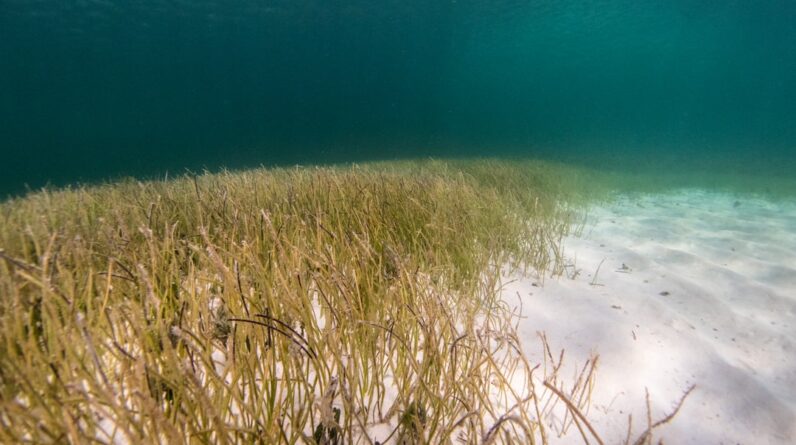
Innovative solutions are emerging that hold promise for enhancing ocean health and oxygen production. For instance, research into restoring coastal ecosystems like mangroves and seagrasses has shown potential for increasing carbon sequestration and supporting biodiversity. Additionally, advancements in technology may offer new ways to monitor ocean health and track changes in oxygen levels more effectively.
By embracing these innovations and committing to sustainable practices, we can work together to secure a healthier future for our oceans—and ultimately for ourselves. In conclusion, understanding the importance of oceanic oxygen production is crucial for appreciating the intricate web of life on Earth. From phytoplankton’s vital role in generating oxygen to the threats posed by human activities and climate change, every aspect is interconnected.
By recognizing these relationships and taking action to protect our oceans, you can contribute to preserving this invaluable resource for generations to come.
The Ocean’s Oxygen Production: A Lifeline We Must Preserve discusses the crucial role that oceans play in producing oxygen for our planet. This article highlights the importance of protecting our oceans and marine life to ensure a healthy environment for all living beings. For more information on how individuals can make a positive impact on the environment, check out Advantages of Planting Trees for Climate Change. This article explores the benefits of planting trees in combating climate change and creating a more sustainable future. By understanding the interconnectedness of our actions on land and in the oceans, we can work together to preserve our planet for future generations.
FAQs
What is the importance of the ocean’s oxygen production?
The ocean’s oxygen production is crucial for the survival of marine life and for maintaining the balance of oxygen in the Earth’s atmosphere. It also plays a vital role in supporting the global carbon cycle.
How does the ocean produce oxygen?
The ocean produces oxygen through the process of photosynthesis carried out by marine plants, algae, and phytoplankton. These organisms use sunlight, carbon dioxide, and water to produce oxygen as a byproduct.
What are the threats to the ocean’s oxygen production?
The ocean’s oxygen production is threatened by factors such as climate change, ocean acidification, pollution, and habitat destruction. These factors can negatively impact the health and abundance of marine plants and phytoplankton.
How can we preserve the ocean’s oxygen production?
To preserve the ocean’s oxygen production, it is important to address climate change, reduce pollution, protect marine habitats, and promote sustainable fishing practices. Additionally, supporting marine conservation efforts and reducing carbon emissions can help safeguard the ocean’s ability to produce oxygen.