When you think about the sources of oxygen that sustain life on Earth, your mind might immediately drift to the lush forests and verdant landscapes that blanket the land. However, the oceans play an equally vital role in this process, producing approximately 50% to 80% of the oxygen we breathe. Phytoplankton, the microscopic plants that float on the ocean’s surface, are the primary contributors to this oxygen production.
Through photosynthesis, they convert sunlight and carbon dioxide into energy, releasing oxygen as a byproduct. This intricate dance of life not only supports marine ecosystems but also has far-reaching implications for the atmosphere and climate. Understanding oceanic oxygen production is crucial for recognizing the delicate balance that sustains life on our planet.
The health of our oceans directly correlates with the quality of air we breathe and the overall well-being of terrestrial ecosystems. As you delve deeper into this topic, you will uncover the various factors that influence oxygen levels in the ocean and how human activities are increasingly threatening this essential process. The oceans are not just vast bodies of water; they are dynamic systems that require our attention and protection.
Key Takeaways
- Oceanic oxygen production is vital for marine life and the overall health of the planet.
- Pollution, including nutrient pollution and industrial waste, can significantly impact oceanic oxygen production.
- Carbon emissions contribute to oceanic oxygen level depletion through processes like ocean acidification.
- Nutrient pollution can lead to harmful algal blooms, which can deplete oxygen levels in the ocean.
- Industrial waste can introduce toxins and pollutants into the ocean, further impacting oxygen production and marine ecosystems.
The Effects of Pollution on Oceanic Oxygen Production
Algal Blooms and Dead Zones
Excess nutrients from agricultural runoff can lead to algal blooms, which may initially seem beneficial but ultimately deplete oxygen levels in the water as they decay. These algal blooms create “dead zones,” areas where oxygen levels drop so low that most marine life cannot survive.
The Ripple Effect on Food Webs and Human Communities
The loss of oxygen-rich habitats can lead to a decline in fish populations and other marine organisms, which in turn affects human communities that rely on these resources for their livelihoods.
A Pressing Issue Demanding Immediate Attention
The cycle of pollution and its impact on oceanic oxygen production is a pressing issue that demands immediate attention. It is essential to address this issue to protect the health of our oceans and the communities that depend on them.
Impact of Carbon Emissions on Oceanic Oxygen Levels

Carbon emissions are another critical factor influencing oceanic oxygen levels. As you reflect on the relationship between carbon dioxide and ocean health, it becomes evident that increased carbon emissions from human activities—such as burning fossil fuels—are leading to higher concentrations of CO2 in the atmosphere. This excess carbon dioxide is absorbed by the oceans, resulting in a phenomenon known as ocean acidification.
The changes in pH levels can have dire consequences for marine organisms, particularly those with calcium carbonate shells or skeletons, such as corals and shellfish. The impact of carbon emissions extends beyond acidification; it also affects the ability of phytoplankton to perform photosynthesis effectively. As you consider how these tiny organisms are foundational to oceanic oxygen production, it becomes clear that any disruption to their health can have cascading effects throughout the marine ecosystem.
Reduced phytoplankton populations mean less oxygen production, which can exacerbate existing problems related to pollution and nutrient overload. The interconnectedness of these issues highlights the urgent need for comprehensive strategies to address carbon emissions and their impact on ocean health.
The Role of Nutrient Pollution in Oxygen Production
Nutrient pollution, primarily from agricultural runoff and wastewater discharge, plays a significant role in shaping oceanic oxygen levels. When fertilizers rich in nitrogen and phosphorus enter waterways, they can stimulate excessive growth of phytoplankton. While this may seem beneficial at first glance, it often leads to harmful algal blooms that can choke off sunlight and deplete oxygen levels as they die off and decompose.
As you explore this cycle further, you will see how nutrient pollution creates a feedback loop that undermines the very processes essential for sustaining marine life. The consequences of nutrient pollution extend beyond just algal blooms; they can also lead to shifts in species composition within marine ecosystems. Some species may thrive in nutrient-rich environments while others struggle to survive, leading to a loss of biodiversity.
This shift can have profound implications for fisheries and local economies that depend on a diverse range of marine species. As you consider these factors, it becomes increasingly clear that addressing nutrient pollution is vital for maintaining healthy oceanic oxygen production and ensuring the resilience of marine ecosystems.
How Industrial Waste Affects Oceanic Oxygen Production
Industrial waste is another significant contributor to the decline in oceanic oxygen levels. Factories and industrial facilities often discharge pollutants directly into rivers and oceans, introducing harmful chemicals and heavy metals into marine environments. These substances can be toxic to marine life, impairing their ability to thrive and reproduce.
As you think about the long-term effects of industrial waste on ocean health, it becomes apparent that these pollutants can disrupt entire ecosystems and compromise their ability to produce oxygen. Moreover, industrial waste can contribute to the formation of dead zones similar to those created by nutrient pollution. When organic matter from industrial processes decomposes in water, it consumes oxygen in the process, further exacerbating hypoxic conditions.
This creates a vicious cycle where both industrial waste and nutrient pollution work together to diminish oxygen levels in our oceans. As you reflect on these challenges, it is essential to recognize that addressing industrial waste is not just an environmental issue; it is also a matter of public health and economic sustainability.
The Consequences of Pollution on Marine Ecosystems

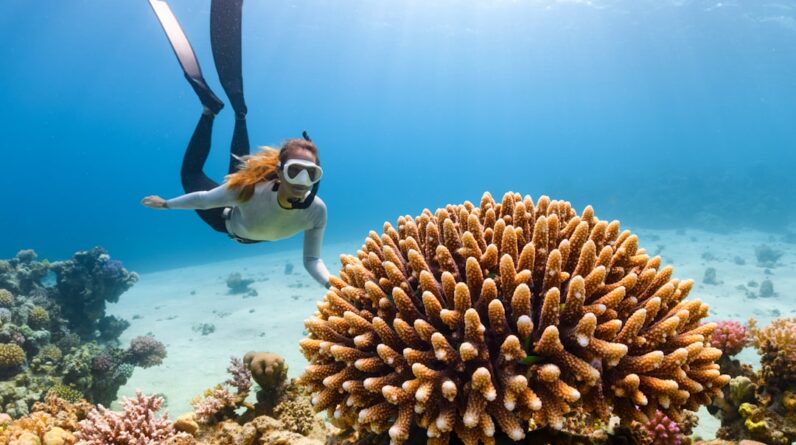
The consequences of pollution on marine ecosystems are profound and far-reaching. As you consider the impact on biodiversity, it becomes evident that many species are struggling to adapt to rapidly changing conditions brought about by pollution and climate change. Coral reefs, often referred to as the “rainforests of the sea,” are particularly vulnerable; they rely on healthy water conditions for survival.
When pollution leads to coral bleaching or disease outbreaks, entire ecosystems can collapse, resulting in a loss of habitat for countless marine species. Additionally, pollution can have dire consequences for human communities that depend on healthy oceans for food security and economic stability. Overfishing exacerbates these issues by further depleting fish populations already stressed by pollution.
As you contemplate these interconnected challenges, it becomes clear that protecting oceanic oxygen production is not just about preserving marine life; it is also about safeguarding livelihoods and ensuring food security for future generations.
Solutions to Mitigate Pollution’s Impact on Oceanic Oxygen Production
Addressing the myriad challenges posed by pollution requires a multifaceted approach that involves individuals, communities, governments, and industries working together toward sustainable solutions. One effective strategy is implementing stricter regulations on agricultural runoff and industrial discharges. By promoting best practices in farming—such as using cover crops or reducing fertilizer application—farmers can minimize nutrient runoff into waterways.
Similarly, industries can adopt cleaner production methods and invest in wastewater treatment technologies to reduce harmful discharges into oceans. Public awareness campaigns also play a crucial role in mitigating pollution’s impact on oceanic oxygen production. By educating individuals about their choices—such as reducing plastic use or supporting sustainable seafood practices—you can contribute to a collective effort aimed at protecting marine ecosystems.
Additionally, supporting conservation initiatives that focus on restoring habitats like mangroves and seagrasses can enhance natural processes that promote oxygen production while providing critical refuge for marine life.
Conclusion and Call to Action for Oceanic Conservation
In conclusion, the health of our oceans is intricately linked to the air we breathe and the overall well-being of our planet. As you reflect on the importance of oceanic oxygen production and the myriad threats posed by pollution, it becomes clear that immediate action is necessary. You have the power to make a difference—whether through individual choices or by advocating for systemic change within your community.
Now is the time to prioritize ocean conservation efforts and support policies aimed at reducing pollution and protecting marine ecosystems. By working together, we can ensure that our oceans continue to thrive as vital sources of oxygen and biodiversity for generations to come. Your voice matters; let it be heard in the call for action toward a healthier planet and a sustainable future for all living beings.
A related article discussing the importance of stopping forest burning to save trees and animals can be found at this link. This article highlights the detrimental effects of forest fires on ecosystems and the urgent need to protect our forests. By preventing forest burning, we can help preserve biodiversity and maintain the delicate balance of our planet’s ecosystems.
FAQs
What is oceanic oxygen production?
Oceanic oxygen production refers to the process by which marine plants, particularly phytoplankton, produce oxygen through photosynthesis. This process is crucial for maintaining the balance of oxygen in the Earth’s atmosphere and supporting marine life.
How does pollution impact oceanic oxygen production?
Pollution, particularly from human activities such as industrial waste, agricultural runoff, and oil spills, can have detrimental effects on oceanic oxygen production. Pollutants can lead to eutrophication, which causes excessive growth of algae and phytoplankton, leading to oxygen depletion in the water. Additionally, pollutants can directly harm marine plants, disrupting their ability to photosynthesize and produce oxygen.
What are the consequences of reduced oceanic oxygen production?
Reduced oceanic oxygen production can lead to hypoxic or anoxic conditions in the water, which are harmful to marine life. These conditions can result in mass die-offs of fish and other marine organisms, as well as disrupt entire ecosystems. Additionally, decreased oxygen production can impact the overall balance of oxygen in the Earth’s atmosphere, potentially contributing to global climate change.
What can be done to mitigate the impact of pollution on oceanic oxygen production?
Efforts to reduce pollution from various sources, such as implementing stricter regulations on industrial and agricultural waste, improving wastewater treatment, and promoting sustainable practices, can help mitigate the impact of pollution on oceanic oxygen production. Additionally, conservation and restoration of marine ecosystems can help support the health and productivity of marine plants, contributing to overall oxygen production in the oceans.