Understanding the science behind the 2-degree threshold is crucial for grasping the urgency of climate action. The 2-degree Celsius limit, established during the 2010 Cancun Climate Change Conference, is based on extensive climate modeling and research. Scientists have determined that a rise in global temperatures beyond this threshold could lead to catastrophic environmental changes.
The rationale is rooted in the relationship between greenhouse gas emissions and global warming. As you may know, carbon dioxide and other greenhouse gases trap heat in the atmosphere, leading to a gradual increase in Earth’s temperature. This phenomenon, known as the greenhouse effect, is exacerbated by human activities such as burning fossil fuels and deforestation.
The Intergovernmental Panel on Climate Change (IPCC) has conducted numerous assessments that highlight the potential consequences of exceeding this limit. If global temperatures rise by more than 2 degrees Celsius above pre-industrial levels, you could witness severe weather events, rising sea levels, and disruptions to ecosystems. The science indicates that even a seemingly small increase in temperature can have profound effects on weather patterns, biodiversity, and food security.
Therefore, understanding this threshold is not just an academic exercise; it is a call to action for individuals, communities, and governments alike.
Key Takeaways
- The 2-degree threshold is based on scientific evidence that shows the significant impacts of global temperature increase beyond this point.
- A 2-degree increase in global temperature can lead to severe consequences such as extreme weather events, sea level rise, and loss of biodiversity.
- Human activities, including the burning of fossil fuels and deforestation, are major contributors to climate change and the 2-degree threshold being surpassed.
- Mitigation and adaptation strategies are crucial in addressing climate change and limiting global warming to 2 degrees, including transitioning to renewable energy and implementing resilient infrastructure.
- Failing to limit global warming to 2 degrees can result in devastating economic and social consequences, including food and water shortages, displacement of communities, and increased poverty.
The Impacts of a 2-Degree Increase in Global Temperature
The potential impacts of a 2-degree increase in global temperature are alarming and far-reaching. You might be surprised to learn that this seemingly modest rise could lead to significant changes in weather patterns. For instance, you could experience more frequent and intense heatwaves, droughts, and heavy rainfall events.
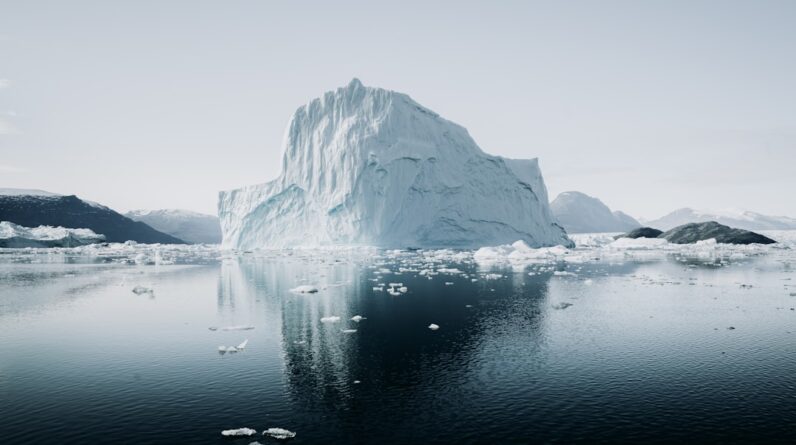
These changes would not only affect your daily life but also have dire consequences for agriculture, water supply, and public health. Crop yields may decline due to increased temperatures and altered precipitation patterns, leading to food shortages and higher prices. Moreover, a 2-degree rise could result in the melting of polar ice caps and glaciers, contributing to rising sea levels.
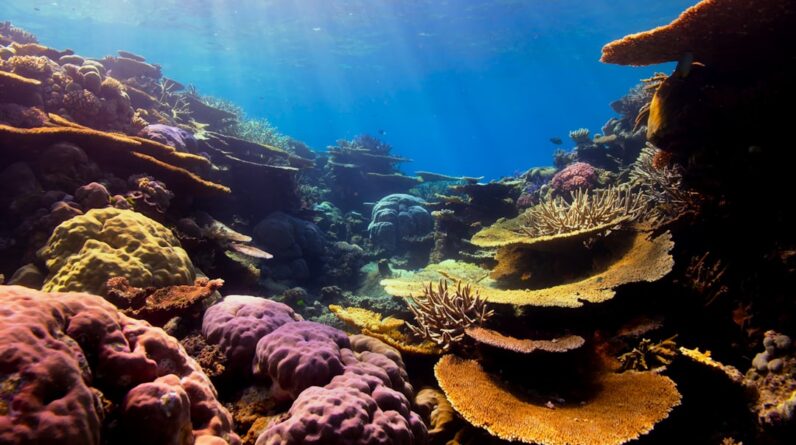
Coastal communities where you may live or travel could face increased flooding and erosion, displacing millions of people worldwide. The loss of biodiversity is another critical concern; many species may struggle to adapt to rapidly changing climates, leading to extinction. The cascading effects of these changes could disrupt ecosystems and the services they provide, such as clean water and air.
In essence, the impacts of a 2-degree increase are not just environmental; they are social and economic challenges that you may have to confront in the near future.
The Role of Human Activities in Contributing to Climate Change

Human activities play a pivotal role in driving climate change, primarily through the emission of greenhouse gases. You might be surprised to learn that activities such as transportation, industrial processes, and agriculture contribute significantly to these emissions. For instance, when you drive a car or use electricity generated from fossil fuels, you are indirectly contributing to the accumulation of carbon dioxide in the atmosphere.
Deforestation also exacerbates the problem; trees absorb carbon dioxide, and when they are cut down or burned, that stored carbon is released back into the atmosphere. The cumulative effect of these activities has led to an unprecedented increase in global temperatures over the past century. You may find it alarming that the concentration of carbon dioxide in the atmosphere has risen from about 280 parts per million before the Industrial Revolution to over 400 parts per million today.
This rapid increase is largely attributed to human actions, making it imperative for you to understand your role in this crisis. By recognizing how your choices impact the environment, you can take steps toward reducing your carbon footprint and advocating for sustainable practices within your community.
The Importance of Mitigation and Adaptation Strategies
Mitigation and adaptation strategies are essential components of addressing climate change effectively. Mitigation involves reducing or preventing the emission of greenhouse gases, while adaptation focuses on adjusting to the changes that are already occurring or are inevitable. You may wonder why both strategies are necessary; the answer lies in the complexity of climate change itself.
While mitigation efforts aim to limit future warming, adaptation measures help communities cope with the impacts that are already being felt. For instance, you can engage in mitigation by supporting renewable energy sources like solar or wind power, which reduce reliance on fossil fuels. On an individual level, you can make conscious choices such as using public transportation or reducing energy consumption at home.
On the other hand, adaptation strategies might include building flood defenses in vulnerable areas or developing drought-resistant crops to ensure food security. By embracing both approaches, you can contribute to a more resilient future while also working toward limiting global warming.
The Economic and Social Consequences of Failing to Limit Global Warming to 2 Degrees
Failing to limit global warming to 2 degrees Celsius could have dire economic and social consequences that affect everyone. You may not realize it, but climate change poses significant risks to global economies through damage to infrastructure, increased healthcare costs, and disruptions in supply chains. For example, extreme weather events like hurricanes or wildfires can devastate communities and require substantial financial resources for recovery efforts.
If these events become more frequent due to climate change, you could see rising insurance premiums and increased taxes as governments struggle to cope with the fallout. Socially, the impacts of climate change could exacerbate existing inequalities. Vulnerable populations—such as low-income communities or those living in developing countries—are often hit hardest by climate-related disasters.
You might find it troubling that these groups may lack the resources needed to adapt or recover from such events. As a result, climate change could lead to increased migration pressures as people flee uninhabitable areas in search of safety and stability. The interconnectedness of our world means that these challenges will not be confined to specific regions; they will ripple across borders and affect global stability.
The Need for International Cooperation in Addressing Climate Change
Addressing climate change is a global challenge that requires international cooperation on an unprecedented scale. You may be aware that greenhouse gas emissions do not respect national borders; they are a collective problem that necessitates collective solutions. International agreements like the Paris Agreement aim to unite countries in their efforts to limit global warming and reduce emissions.
However, achieving meaningful progress requires commitment from all nations—developed and developing alike. You might wonder how individual countries can work together effectively when their interests often diverge. This is where diplomacy and collaboration come into play.
By sharing technology, resources, and knowledge, nations can support one another in their climate efforts. For instance, wealthier countries can assist developing nations in transitioning to renewable energy sources or implementing sustainable agricultural practices. This kind of cooperation not only helps mitigate climate change but also fosters goodwill among nations, creating a more stable international community.
The Potential for Positive Change through Individual and Collective Action
While the challenges posed by climate change can seem overwhelming, there is immense potential for positive change through both individual and collective action. You have the power to make choices that contribute to a more sustainable future—whether it’s reducing your plastic consumption, supporting local businesses that prioritize sustainability, or advocating for policies that promote renewable energy sources. Every small action counts; when multiplied across millions of individuals, these efforts can lead to significant change.
Collectively, communities can come together to implement initiatives that promote sustainability and resilience. You might participate in local clean-up events or join organizations focused on environmental advocacy. Schools and workplaces can also play a role by adopting greener practices and encouraging eco-friendly behaviors among students and employees alike.
By fostering a culture of sustainability within your community, you can inspire others to take action as well—creating a ripple effect that extends far beyond your immediate surroundings.
The Urgency of Taking Immediate and Decisive Action to Limit Global Warming to 2 Degrees
The urgency of taking immediate and decisive action to limit global warming cannot be overstated. As you reflect on the information presented here, consider that time is running out; scientists warn that we have only a limited window of opportunity to avert catastrophic consequences associated with climate change. Delaying action will only exacerbate existing problems and make future solutions more difficult—and costly—to implement.
You have a role to play in this urgent call for action. Whether through personal lifestyle changes or advocating for systemic reforms at local or national levels, your voice matters. Engaging with policymakers, supporting sustainable businesses, and raising awareness about climate issues can all contribute to a larger movement aimed at limiting global warming to 2 degrees Celsius.
The stakes are high; your actions today will shape the world you live in tomorrow—so let this be a moment of awakening and commitment toward a sustainable future for all.
In a related article on how reforestation helps the environment, the importance of planting trees to combat climate change is highlighted. Reforestation plays a crucial role in absorbing carbon dioxide from the atmosphere and restoring ecosystems that have been degraded by deforestation. This article emphasizes the need for increased tree planting efforts to mitigate the effects of global warming and protect our planet for future generations. Just like in The 2-Degree Dilemma, every fraction of a degree matters when it comes to addressing climate change, and reforestation is a key solution in this fight.
FAQs
What is the 2-degree dilemma?
The 2-degree dilemma refers to the global effort to limit the increase in average global temperature to 2 degrees Celsius above pre-industrial levels, in order to mitigate the impacts of climate change.
Why is it important to limit the global temperature increase to 2 degrees Celsius?
Limiting the global temperature increase to 2 degrees Celsius is important because exceeding this threshold could lead to more severe and irreversible impacts of climate change, such as extreme weather events, sea level rise, and loss of biodiversity.
What are the potential consequences of exceeding the 2-degree limit?
Exceeding the 2-degree limit could lead to more frequent and intense heatwaves, droughts, and storms, as well as disruptions to ecosystems, food and water supplies, and human health.
Why does every fraction of a degree matter in the context of the 2-degree dilemma?
Every fraction of a degree matters because even small increases in global temperature can have significant impacts on the environment, human societies, and the economy. Therefore, efforts to limit global warming must be pursued with urgency and determination.
What are some of the challenges in achieving the 2-degree target?
Challenges in achieving the 2-degree target include the need for rapid and widespread adoption of renewable energy sources, the reduction of greenhouse gas emissions from various sectors, and international cooperation to address climate change on a global scale.