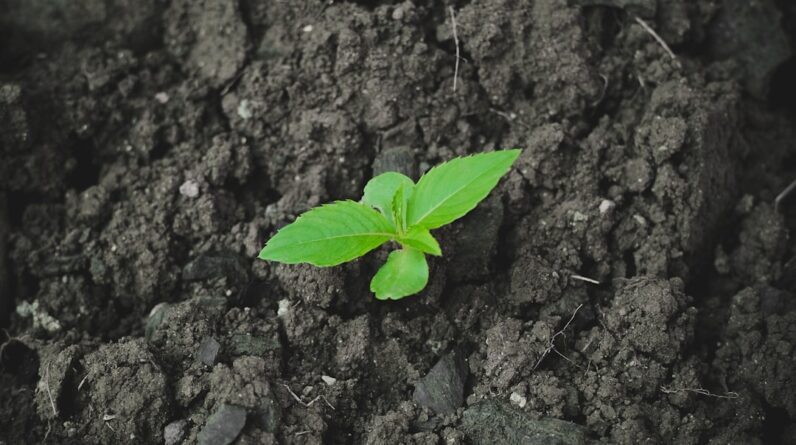
Reforestation plays a crucial role in restoring soil health, which is vital for sustaining ecosystems and agricultural productivity. When forests are cleared, the soil is often left exposed to the elements, leading to degradation and loss of nutrients. This degradation can result in reduced agricultural yields and increased vulnerability to erosion.
By reintroducing trees to these areas, you can help restore the soil’s structure and fertility. The roots of trees anchor the soil, preventing erosion and allowing for better water retention, which is essential for maintaining a healthy ecosystem. Moreover, reforestation contributes to the restoration of the natural balance within the soil ecosystem.
Trees not only provide shade and shelter but also contribute organic matter through leaf litter and decomposing roots. This organic matter enriches the soil, enhancing its nutrient content and promoting microbial activity. As you engage in reforestation efforts, you are not just planting trees; you are revitalizing the soil, creating a more resilient environment that can support diverse plant and animal life.
Key Takeaways
- Reforestation is crucial for restoring soil health and fertility, which is essential for sustainable agriculture and ecosystem balance.
- Trees play a vital role in improving soil structure, nutrient cycling, and water retention, contributing to overall soil health and productivity.
- Various reforestation techniques such as afforestation, reseeding, and agroforestry can be employed to restore degraded soils and promote sustainable land use.
- Reforestation helps control erosion by stabilizing soil, reducing runoff, and preventing sedimentation, thereby protecting valuable topsoil and preventing land degradation.
- Reforestation serves as a strategy for water conservation by reducing water runoff, increasing groundwater recharge, and maintaining hydrological balance, which is crucial for sustainable water resources management.
The Role of Trees in Soil Health
Trees are fundamental to maintaining soil health due to their complex root systems and the myriad of interactions they have with soil organisms. The roots of trees penetrate deep into the ground, breaking up compacted soil layers and improving aeration. This process allows water to infiltrate more easily, reducing surface runoff and promoting groundwater recharge.
As you observe the growth of trees, you will notice how their roots create a network that stabilizes the soil, preventing erosion and promoting a healthy ecosystem. In addition to physical stabilization, trees contribute to soil health through their biochemical processes. They engage in symbiotic relationships with mycorrhizal fungi, which enhance nutrient uptake for both the trees and surrounding plants.
This relationship is vital for maintaining soil fertility, as it allows for better absorption of essential nutrients like nitrogen and phosphorus. By planting trees, you are fostering these beneficial relationships that ultimately lead to healthier soils and more productive landscapes.
Reforestation Techniques for Soil Restoration

There are various techniques for reforestation that can effectively restore soil health, each tailored to specific environmental conditions and goals. One common method is direct seeding, where seeds are sown directly into the ground. This technique is often cost-effective and can be particularly useful in areas where natural regeneration is slow.
However, it requires careful planning to ensure that the right species are chosen for the local ecosystem. Another effective technique is planting seedlings or saplings in a controlled manner. This method allows for greater control over species selection and spacing, which can enhance growth rates and survival.
You might also consider agroforestry practices, where trees are integrated into agricultural landscapes. This approach not only aids in soil restoration but also provides additional benefits such as shade for crops and habitat for wildlife. By exploring these various techniques, you can find the most suitable approach for your specific reforestation goals.
Benefits of Reforestation for Erosion Control
Erosion is a significant threat to soil health, leading to loss of topsoil and degradation of land. Reforestation serves as a powerful tool for controlling erosion by stabilizing the soil with tree roots. When you plant trees on slopes or in areas prone to erosion, their extensive root systems bind the soil together, reducing the likelihood of landslides and surface runoff.
This stabilization is particularly important in regions with heavy rainfall or high winds, where exposed soil can quickly wash away. In addition to physical stabilization, trees also act as natural barriers against wind and water erosion. The canopy created by trees intercepts rainfall, reducing the impact on the soil surface and allowing water to infiltrate more gradually.
This process minimizes surface runoff and helps maintain moisture levels in the soil. As you engage in reforestation efforts, you will witness firsthand how trees can transform vulnerable landscapes into resilient ecosystems capable of withstanding environmental challenges.
Reforestation as a Strategy for Water Conservation
Water conservation is becoming increasingly critical in our changing climate, and reforestation offers a viable strategy for enhancing water resources. Trees play a significant role in the water cycle by facilitating groundwater recharge and maintaining watershed health. When you plant trees in deforested areas or along riverbanks, you help restore natural hydrological processes that are essential for sustaining water supplies.
Moreover, trees improve water quality by filtering pollutants and sediments before they reach waterways. Their root systems act as natural filters, trapping contaminants and preventing them from entering streams and rivers. This filtration process is vital for maintaining clean water sources for both human consumption and wildlife habitats.
By participating in reforestation initiatives, you contribute to a healthier water ecosystem that benefits both people and nature.
Reforestation and Biodiversity Conservation

Biodiversity is essential for ecosystem resilience, and reforestation plays a pivotal role in conserving various species of plants and animals. When you restore forested areas, you create habitats that support diverse wildlife populations. Trees provide food, shelter, and breeding grounds for countless species, from birds to insects to mammals.
By planting native tree species, you can enhance local biodiversity and promote ecological balance. Furthermore, reforestation helps connect fragmented habitats, allowing wildlife to move freely between areas. This connectivity is crucial for species survival, especially in regions where urbanization or agriculture has disrupted natural landscapes.
As you engage in reforestation efforts, you are not only contributing to the restoration of individual species but also fostering a more robust ecosystem that can withstand environmental changes.
Economic and Social Impacts of Reforestation
The economic benefits of reforestation extend beyond environmental restoration; they also encompass job creation and community development. When you participate in reforestation projects, you often contribute to local economies by providing employment opportunities in tree planting, maintenance, and sustainable forestry practices. These jobs can be particularly valuable in rural areas where economic opportunities may be limited.
Socially, reforestation initiatives can foster community engagement and awareness about environmental issues. As individuals come together to plant trees and restore landscapes, they build a sense of community ownership over their environment. This collective effort can lead to increased environmental stewardship and a greater understanding of the importance of sustainable practices.
By investing in reforestation, you are not only contributing to ecological health but also enhancing social cohesion within your community.
Challenges and Opportunities in Reforestation Efforts
While reforestation presents numerous benefits, it also comes with its share of challenges. One significant hurdle is ensuring that the right tree species are selected for specific environments. Planting non-native species can lead to ecological imbalances and negatively impact local biodiversity.
Therefore, it is essential to conduct thorough research and engage with local experts when planning reforestation projects. Despite these challenges, there are ample opportunities for innovation in reforestation efforts. Advances in technology have made it easier to monitor tree growth and health through remote sensing and data analysis.
Additionally, community-based approaches that involve local stakeholders can enhance the success of reforestation initiatives by ensuring that they align with local needs and knowledge. By embracing these opportunities while addressing challenges head-on, you can contribute to more effective reforestation efforts that yield lasting benefits for both people and the planet. In conclusion, reforestation is a multifaceted approach that addresses critical issues related to soil restoration, water conservation, biodiversity conservation, economic development, and social cohesion.
As you consider your role in these efforts, remember that every tree planted contributes to a healthier environment and a more sustainable future. Whether through direct action or supporting local initiatives, your involvement can make a significant difference in restoring our planet’s ecosystems.
Reforestation is a crucial strategy for soil restoration, as highlighted in the article “Preventing Floods by Massive Tree Planting” from Live Life with a Cause. This article discusses how planting trees can help prevent floods by improving soil structure and reducing erosion. Reforestation not only benefits the environment but also plays a vital role in mitigating natural disasters like floods. To learn more about how reforestation helps the environment, check out the article “How Does Reforestation Help the Environment” on Live Life with a Cause. It explains the various ways in which planting trees can positively impact ecosystems and combat climate change. It is essential to understand the importance of reforestation and its benefits for the environment, especially in light of misconceptions like those addressed in the article “Why Is Planting Trees Bad for the Environment” on Live Life with a Cause.
FAQs
What is reforestation?
Reforestation is the process of planting trees in areas where forests have been depleted or destroyed. It is a strategy aimed at restoring the ecological balance and improving the quality of soil and air.
How does reforestation help with soil restoration?
Reforestation helps with soil restoration by preventing erosion, improving soil fertility, and promoting the retention of water in the soil. The roots of trees help to bind the soil together, preventing it from being washed away by rain or wind.
What are the benefits of reforestation for soil health?
Reforestation can improve soil health by increasing organic matter, enhancing nutrient cycling, and promoting microbial activity. It also helps to reduce soil compaction and erosion, leading to improved soil structure and fertility.
What are some common reforestation techniques?
Common reforestation techniques include planting trees, shrubs, and other vegetation, as well as implementing agroforestry and silvopastoral systems. These techniques can be used to restore degraded lands and improve soil quality.
What are some challenges associated with reforestation for soil restoration?
Challenges associated with reforestation for soil restoration include the need for proper planning and management, addressing land tenure issues, and ensuring the long-term survival of planted trees. Additionally, climate change and invasive species can pose challenges to successful reforestation efforts.