


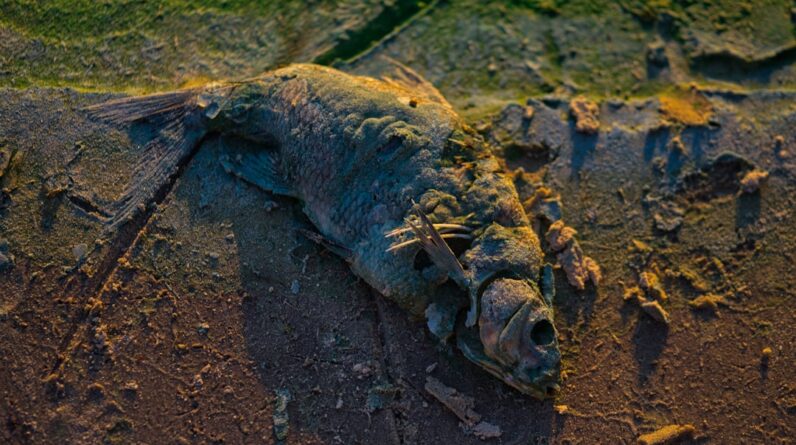
As you gaze out at the vast expanse of the ocean, it’s easy to overlook the intricate balance that sustains life beneath the surface. However, a silent crisis is unfolding in our oceans: deoxygenation. This phenomenon refers to the decline in dissolved oxygen levels in ocean waters, which is critical for the survival of marine organisms.
The oceans, which cover more than 70% of the Earth’s surface, are not only a source of food and livelihood for millions but also play a vital role in regulating the planet’s climate. Understanding ocean deoxygenation is essential for grasping the broader implications it has on marine ecosystems and human societies. The issue of ocean deoxygenation is not merely a scientific curiosity; it is a pressing environmental challenge that demands immediate attention.
As you delve deeper into this topic, you will discover how various factors contribute to this decline in oxygen levels and the far-reaching consequences it has on marine life, fisheries, and even climate change. The urgency of addressing ocean deoxygenation cannot be overstated, as it poses a significant threat to biodiversity and the health of our planet.
Key Takeaways
- Ocean deoxygenation is the process of decreasing oxygen levels in the ocean, which can have detrimental effects on marine life and ecosystems.
- Causes of ocean deoxygenation include climate change, nutrient pollution, and ocean circulation patterns, leading to reduced oxygen levels in the water.
- Consequences of ocean deoxygenation on marine life include habitat loss, decreased biodiversity, and increased susceptibility to diseases and predators.
- Ocean deoxygenation can have a significant impact on fisheries and aquaculture, leading to reduced fish stocks and economic losses for the industry.
- Ocean deoxygenation also affects climate change by altering the ocean’s ability to absorb and store carbon dioxide, potentially exacerbating global warming.
Causes of Ocean Deoxygenation
Several interrelated factors contribute to the alarming trend of ocean deoxygenation. One of the primary culprits is climate change, which leads to increased water temperatures. Warmer waters hold less oxygen, creating a challenging environment for marine life.
As you consider the implications of rising global temperatures, it becomes clear that this is not just an isolated issue; it is part of a larger pattern of environmental degradation that affects ecosystems worldwide. In addition to climate change, nutrient pollution plays a significant role in deoxygenation. Agricultural runoff, sewage discharge, and industrial waste introduce excess nutrients, particularly nitrogen and phosphorus, into coastal waters.
This nutrient overload triggers algal blooms, which can deplete oxygen levels as they decay. When you think about the sources of these nutrients, it becomes evident that human activities are at the heart of the problem. The very practices that support our food systems and economies are also contributing to the degradation of marine environments.
Consequences of Ocean Deoxygenation on Marine Life
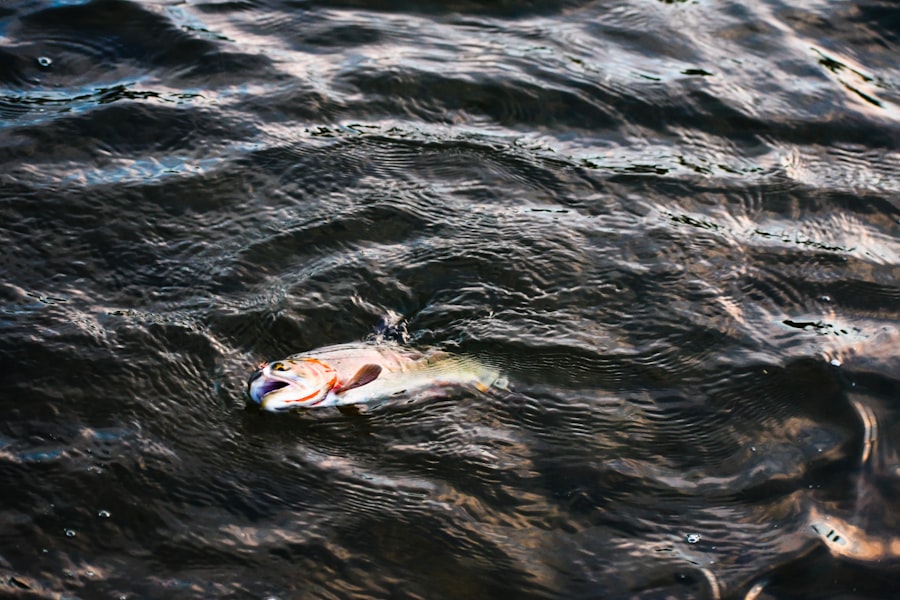
The consequences of ocean deoxygenation are profound and far-reaching, particularly for marine life. Many species rely on specific oxygen levels to thrive; when those levels drop, their survival is jeopardized. Fish, crustaceans, and other marine organisms may experience stress or even death in low-oxygen environments.
As you reflect on this reality, consider how entire ecosystems can be disrupted when keystone species are affected by deoxygenation. Moreover, deoxygenation can lead to shifts in species distribution. As certain areas become inhospitable due to low oxygen levels, marine species may migrate to more favorable conditions.
This shift can alter food webs and disrupt existing ecological relationships. For instance, if fish populations move to new areas in search of oxygen-rich waters, they may compete with local species for resources, leading to further imbalances in marine ecosystems. The ripple effects of these changes can be felt throughout the food chain, impacting not only marine life but also human communities that depend on these resources.
Impact of Ocean Deoxygenation on Fisheries and Aquaculture
The implications of ocean deoxygenation extend beyond ecological concerns; they also pose significant challenges for fisheries and aquaculture. As fish populations decline or migrate due to low oxygen levels, commercial fisheries face reduced catches and economic instability. You may find it alarming to learn that many coastal communities rely heavily on fishing for their livelihoods.
When fish stocks dwindle, not only do fishermen suffer economically, but entire communities can be thrown into turmoil. Aquaculture, or fish farming, is not immune to the effects of deoxygenation either. Fish farms require specific water quality conditions to thrive; low oxygen levels can lead to disease outbreaks and increased mortality rates among farmed fish.
As you consider the future of food production in a world grappling with climate change and environmental degradation, it becomes clear that addressing ocean deoxygenation is crucial for ensuring sustainable fisheries and aquaculture practices.
Effects of Ocean Deoxygenation on Climate Change
Ocean deoxygenation is intricately linked to climate change in a cyclical manner. As you explore this relationship, you will find that low oxygen levels can exacerbate climate change effects while also being influenced by them. For instance, deoxygenated waters can hinder the ocean’s ability to sequester carbon dioxide, a critical function that helps mitigate global warming.
When oxygen levels drop, the ocean’s capacity to absorb CO2 diminishes, leading to higher concentrations of greenhouse gases in the atmosphere. Furthermore, the loss of oxygen-rich waters can result in increased emissions of nitrous oxide—a potent greenhouse gas—during the decomposition of organic matter in low-oxygen environments. This feedback loop highlights the urgent need for comprehensive strategies to address both ocean deoxygenation and climate change simultaneously.
As you contemplate these interconnected issues, it becomes evident that solutions must be holistic and multifaceted to effectively combat these pressing challenges.
Strategies to Mitigate Ocean Deoxygenation
To combat ocean deoxygenation effectively, a range of strategies must be employed at local, national, and global levels. One critical approach involves reducing nutrient pollution through improved agricultural practices and wastewater management. By implementing sustainable farming techniques—such as precision agriculture and cover cropping—you can help minimize runoff into waterways.
Additionally, investing in advanced wastewater treatment technologies can significantly reduce nutrient loads entering coastal ecosystems. Another vital strategy is the establishment of marine protected areas (MPAs). These designated zones can help restore and maintain healthy ecosystems by providing refuge for marine species and allowing them to recover from stressors like deoxygenation.
As you consider the potential benefits of MPAs, think about how they can serve as vital sanctuaries for biodiversity while also supporting fisheries by replenishing fish stocks over time.
Research and Monitoring Efforts to Address Ocean Deoxygenation
Ongoing research and monitoring efforts are essential for understanding and addressing ocean deoxygenation effectively. Scientists are employing advanced technologies such as autonomous underwater vehicles and remote sensing tools to monitor oxygen levels across vast oceanic regions. By gathering data on dissolved oxygen concentrations and identifying areas at risk, researchers can provide valuable insights into trends and potential solutions.
Moreover, collaborative efforts among governments, research institutions, and non-governmental organizations are crucial for developing comprehensive strategies to combat ocean deoxygenation. You may find it encouraging that many initiatives focus on raising public awareness about this issue and promoting community engagement in conservation efforts. By fostering a sense of stewardship for our oceans, we can collectively work towards mitigating the impacts of deoxygenation.
Conclusion and Future Outlook for Ocean Deoxygenation
As you reflect on the complexities surrounding ocean deoxygenation, it becomes clear that this issue requires urgent action from individuals, communities, governments, and organizations worldwide. The health of our oceans is intricately linked to our own well-being; therefore, addressing deoxygenation is not just an environmental concern but a matter of social and economic importance as well. Looking ahead, there is hope for positive change through concerted efforts aimed at reducing nutrient pollution, protecting marine ecosystems, and fostering sustainable practices across various sectors.
By prioritizing research and monitoring initiatives, we can better understand the dynamics of ocean deoxygenation and develop effective strategies for mitigation. The future health of our oceans—and ultimately our planet—depends on our collective commitment to safeguarding these vital ecosystems for generations to come.
Ocean deoxygenation is a pressing issue that is impacting marine life and ecosystems around the world. One way to combat this problem is through reforestation efforts on land. By planting trees and restoring forests, we can help reduce carbon dioxide levels in the atmosphere, which in turn can help mitigate the effects of climate change on our oceans. To learn more about how reforestation can help the environment, check out this article on how reforestation helps the environment.
FAQs
What is ocean deoxygenation?
Ocean deoxygenation refers to the decrease in the concentration of oxygen in the Earth’s oceans. This can occur due to a variety of factors, including climate change, nutrient pollution, and changes in ocean circulation patterns.
What are the consequences of ocean deoxygenation?
The consequences of ocean deoxygenation can be severe for marine life. It can lead to the loss of habitat for fish, shellfish, and other marine organisms, as well as the disruption of food webs and ecosystems. Additionally, low oxygen levels can lead to the production of harmful algal blooms and the release of toxic substances from sediments.
How does ocean deoxygenation impact marine ecosystems?
Ocean deoxygenation can lead to the decline of fish and other marine species that rely on oxygen for survival. It can also lead to the expansion of low-oxygen “dead zones” in the ocean, where very little marine life can survive. This can have cascading effects on marine food webs and ecosystems.
What are the main causes of ocean deoxygenation?
The main causes of ocean deoxygenation include climate change, which can lead to warmer ocean temperatures and changes in ocean circulation patterns, as well as nutrient pollution from agricultural runoff and other sources. These factors can lead to increased algal blooms and the consumption of oxygen by bacteria as they decompose organic matter.
What can be done to address ocean deoxygenation?
Addressing ocean deoxygenation will require a combination of global and local efforts to reduce greenhouse gas emissions, improve water quality, and protect and restore marine habitats. This can include measures to reduce nutrient pollution, protect and restore coastal wetlands and seagrass beds, and establish marine protected areas.


