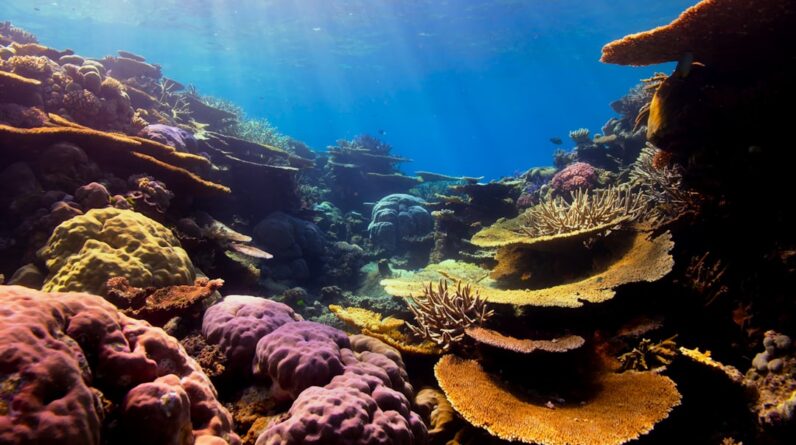
Ecological succession is a fundamental concept in ecology that describes the gradual process through which ecosystems change and develop over time. This process involves a series of predictable stages, where one community of organisms replaces another, leading to a more complex and stable ecosystem. You might think of it as nature’s way of healing and adapting, where disturbances—whether natural or human-induced—set the stage for new life to emerge.
The concept encompasses both primary succession, which occurs in lifeless areas where soil has yet to form, and secondary succession, which takes place in areas where a disturbance has cleared out an existing community but left the soil intact. Understanding ecological succession is crucial for grasping how ecosystems function and evolve. It highlights the interconnectedness of species and their environments, illustrating how changes in one part of an ecosystem can ripple through the entire system.
As you delve deeper into this topic, you will discover that ecological succession is not just a biological phenomenon; it is also a reflection of the dynamic relationships between organisms and their habitats. This intricate dance of life showcases resilience and adaptability, revealing how ecosystems can recover from disturbances and thrive over time.
Key Takeaways
- Ecological succession is the process of change in the species structure of an ecological community over time.
- The stages of ecological succession include pioneer species, intermediate species, and climax community.
- Biodiversity plays a crucial role in ecological succession by promoting resilience and stability in ecosystems.
- Human activities such as deforestation and urbanization can disrupt natural ecological succession processes.
- Climate change can alter the patterns of ecological succession, leading to shifts in species composition and distribution.
The Stages of Ecological Succession
Ecological succession unfolds in distinct stages, each characterized by specific types of organisms and environmental conditions. In primary succession, the process begins on bare rock or newly formed land, such as after a volcanic eruption or glacial retreat. You may find that pioneer species, like lichens and mosses, are the first to colonize these harsh environments.
These organisms play a vital role in breaking down the rock into soil, creating a more hospitable environment for subsequent species. As they die and decompose, they enrich the soil with organic matter, paving the way for more complex plant life. As time progresses, you will observe that these pioneer species are gradually replaced by more advanced plants, such as grasses and shrubs.
This transition marks the beginning of the intermediate stage of succession. Eventually, as conditions continue to improve, larger plants like trees begin to take root, leading to the establishment of a climax community—a stable and mature ecosystem that can sustain itself over time. In secondary succession, the process is somewhat accelerated since the soil is already present.
After disturbances like wildfires or human activities such as logging, you will see a rapid re-colonization by plants and animals, often starting with fast-growing species before progressing to a more diverse community.
The Role of Biodiversity in Ecological Succession

Biodiversity plays a crucial role in ecological succession, influencing both the speed and outcome of the process. As you explore this topic, you will find that diverse ecosystems tend to be more resilient to disturbances. A variety of species can fulfill different ecological roles, ensuring that essential functions—such as pollination, nutrient cycling, and habitat provision—are maintained even when certain species are lost.
This diversity allows ecosystems to adapt more readily to changes in their environment, whether those changes are gradual or sudden. In the context of succession, biodiversity contributes to the stability and productivity of developing ecosystems. As new species enter an area during succession, they often bring unique adaptations that enhance resource utilization and ecosystem functioning.
For instance, certain plants may improve soil quality or attract specific pollinators that benefit other species. You may also notice that increased biodiversity can lead to more complex food webs, which further supports ecosystem resilience. Ultimately, understanding the interplay between biodiversity and ecological succession can inform conservation efforts aimed at preserving both species and their habitats.
Human Impact on Ecological Succession
Human activities have significantly altered natural processes of ecological succession across the globe. Urbanization, deforestation, agriculture, and pollution are just a few examples of how human actions can disrupt ecosystems and influence their recovery trajectories. When you consider the impact of these activities, it becomes clear that they can either hinder or facilitate succession.
For instance, land cleared for agriculture may initially promote rapid growth of certain crops but can lead to long-term soil degradation and loss of biodiversity. Moreover, human-induced disturbances often create novel ecosystems that differ from their natural counterparts. These changes can result in the introduction of invasive species that outcompete native flora and fauna during succession.
As you reflect on this issue, it’s essential to recognize that while humans have the power to disrupt ecological processes, they also have the capacity to restore and rehabilitate ecosystems. By implementing sustainable practices and conservation strategies, you can help mitigate negative impacts and support natural succession processes.
Ecological Succession and Climate Change
Climate change poses significant challenges to ecological succession by altering environmental conditions at an unprecedented rate. As temperatures rise and weather patterns shift, you may notice that many ecosystems are struggling to adapt. Changes in precipitation patterns can affect plant growth and survival rates, while increased frequency of extreme weather events can disrupt established communities.
These shifts can lead to mismatches between species’ life cycles and their environments, ultimately affecting the trajectory of succession. In some cases, climate change may accelerate succession by creating new opportunities for certain species to thrive while pushing others toward extinction. For example, warmer temperatures may allow tree species typically found in southern regions to migrate northward into areas previously dominated by cooler-climate species.
However, this process is not always straightforward; you might find that barriers such as urban development or fragmented habitats hinder these migrations. Understanding how climate change interacts with ecological succession is vital for predicting future ecosystem dynamics and informing conservation strategies.
The Importance of Understanding Ecological Succession

Insight into Ecosystem Functioning and Recovery
It provides insight into how ecosystems function and recover from disturbances. By understanding these processes, you can appreciate the resilience of nature and the intricate relationships between organisms within an ecosystem.
Applications in Conservation and Policy-Making
This knowledge is particularly relevant for conservationists and land managers who aim to restore degraded habitats or mitigate the impacts of human activities on natural systems. Additionally, understanding ecological succession can inform policy decisions related to land use and environmental protection. As you engage with this topic, you will recognize that effective management strategies must consider not only current conditions but also the potential trajectories of ecosystems over time.
Promoting Sustainable Practices and Biodiversity Conservation
By fostering an awareness of ecological succession among policymakers and the public alike, you can contribute to more sustainable practices that promote biodiversity conservation and ecosystem health.
Examples of Ecological Succession in Action
Real-world examples of ecological succession abound in nature, illustrating its principles in action. One classic case is the recovery of forests after a wildfire. Following a fire event, you may witness a rapid re-colonization by fire-adapted species such as lodgepole pine or certain grasses that thrive in nutrient-rich ash soils.
Over time, as these pioneer species establish themselves, they create conditions favorable for other plants to take root, leading to a gradual return to a mature forest ecosystem. Another compelling example is found in post-glacial landscapes where primary succession occurs on newly exposed land. In places like Glacier Bay National Park in Alaska, researchers have documented how life returns to barren rock over decades through a series of stages—from pioneer mosses to dense forests—demonstrating the power of ecological succession in shaping landscapes over time.
These examples not only highlight the resilience of nature but also serve as reminders of the importance of protecting ecosystems from human-induced disturbances.
The Future of Ecological Succession Research
As our understanding of ecological succession continues to evolve, researchers are exploring new dimensions of this complex process. Advances in technology—such as remote sensing and genetic analysis—are providing deeper insights into how ecosystems respond to disturbances and adapt over time. You may find that studies focusing on climate change impacts are particularly relevant today as scientists seek to understand how shifting environmental conditions will influence future successional pathways.
Moreover, interdisciplinary approaches that integrate ecology with social sciences are gaining traction in succession research. By examining how human behavior influences ecological processes, researchers aim to develop more effective conservation strategies that account for both natural dynamics and societal needs. As you engage with this field, consider how your own actions can contribute to a greater understanding of ecological succession and its implications for biodiversity conservation in an ever-changing world.
In a related article on combatting global warming, Combatting Global Warming by Massive Tree Planting, the importance of planting trees for the environment is highlighted. This article discusses how planting trees can help mitigate the effects of climate change and improve air quality. It also emphasizes the role of trees in sequestering carbon dioxide and providing habitat for wildlife. The hopeful science of ecological succession explored in the original article aligns with the benefits of planting trees for climate change mitigation.
FAQs
What is ecological succession?
Ecological succession is the process by which an ecosystem undergoes a series of changes in species composition and community structure over time.
What are the two main types of ecological succession?
The two main types of ecological succession are primary succession, which occurs in an area that has never been colonized by a community of organisms, and secondary succession, which occurs in an area that has been disturbed but still retains some soil and seeds.
What are the stages of ecological succession?
The stages of ecological succession typically include the pioneer stage, the intermediate stage, and the climax stage. These stages represent the gradual transition from a barren or disturbed environment to a stable and diverse ecosystem.
What are the factors that influence ecological succession?
Factors that influence ecological succession include the availability of resources such as water and nutrients, the presence of pioneer species, the impact of disturbances, and the interactions between different species within the ecosystem.
Why is ecological succession important?
Ecological succession is important because it helps to restore and maintain the balance and stability of ecosystems, promotes biodiversity, and contributes to the overall health and resilience of natural environments.