


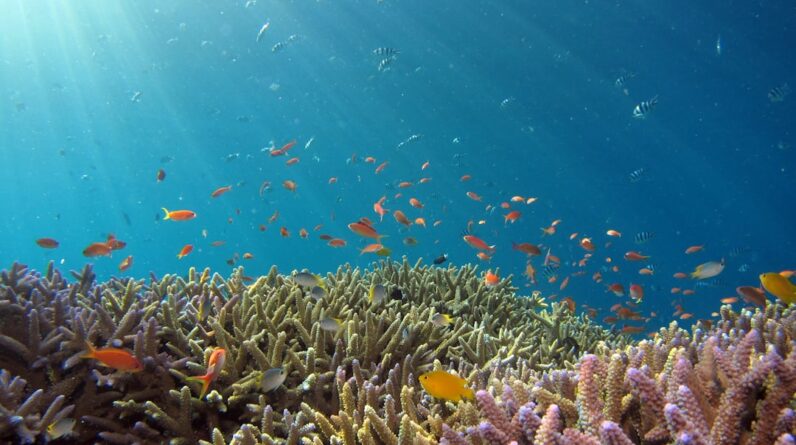
The oceans are often referred to as the lungs of our planet, and for good reason. They play a crucial role in producing the oxygen that sustains life on Earth. It is estimated that around 50% of the oxygen we breathe comes from marine plants, particularly phytoplankton, seaweed, and seagrasses.
These organisms not only contribute to the air we breathe but also form the foundation of marine ecosystems, supporting a diverse array of life forms. As you delve into the significance of these oxygen-producing oceans, you will come to appreciate their vital role in maintaining ecological balance and supporting human life. Moreover, the oceans act as a carbon sink, absorbing a significant portion of the carbon dioxide emitted into the atmosphere.
This process helps mitigate climate change by reducing greenhouse gas concentrations. However, the health of our oceans is under threat from various human activities, which jeopardizes their ability to produce oxygen and sequester carbon. Understanding the importance of these ecosystems is essential for fostering a sense of responsibility and urgency in protecting them.
As you explore the challenges they face, you will recognize that safeguarding our oceans is not just an environmental issue; it is a matter of survival for all living beings on this planet.
Key Takeaways
- Oceans are crucial for producing oxygen and supporting life on Earth, making their health and sustainability essential for the planet.
- Threats to oxygen-producing oceans include overfishing, pollution, plastic waste, and climate change, which can lead to oxygen-deprived dead zones and harm marine life.
- Sustainable fishing practices, such as implementing catch limits and using selective gear, are essential for maintaining healthy fish populations and preserving ocean ecosystems.
- Reducing pollution and plastic waste through proper waste disposal, recycling, and using eco-friendly products can help protect oxygen-producing oceans and marine life.
- Marine protected areas play a vital role in conserving ocean biodiversity and supporting oxygen production, making it crucial to establish and support these protected zones.
Understanding the Threats to Oxygen-Producing Oceans
Acidification and Its Devastating Effects
Ocean acidification, a direct consequence of increased carbon dioxide levels, poses a significant risk to marine life. As the water becomes more acidic, it affects the ability of organisms like shellfish and corals to build their calcium carbonate structures, ultimately impacting the entire food web.
Pollution: A Multifaceted Threat
Pollution is another critical threat that cannot be overlooked. Nutrient runoff from agricultural practices leads to eutrophication, resulting in harmful algal blooms that deplete oxygen levels in the water. These dead zones create inhospitable environments for marine life, further diminishing the ocean’s capacity to produce oxygen. Furthermore, plastic waste has infiltrated even the most remote oceanic regions, posing a danger to marine species and ecosystems.
A Call to Action: Protecting the Ocean’s Future
As you consider these threats, it becomes clear that immediate action is necessary to address the myriad challenges facing our oceans and ensure their continued ability to support life.
Implementing Sustainable Fishing Practices
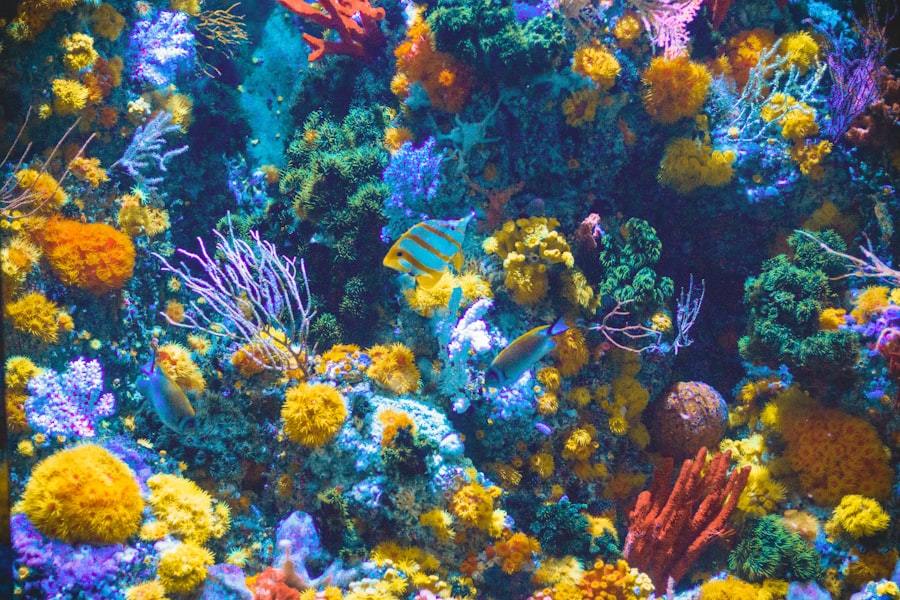
One of the most effective ways to protect oxygen-producing oceans is through the implementation of sustainable fishing practices. Overfishing has led to significant declines in fish populations, disrupting marine ecosystems and diminishing their ability to produce oxygen. By adopting responsible fishing methods, you can help ensure that fish stocks remain healthy and that marine habitats are preserved.
This includes practices such as catch-and-release fishing, using selective gear that minimizes bycatch, and adhering to seasonal fishing regulations. Moreover, supporting local fisheries that prioritize sustainability can make a substantial difference. When you choose to purchase seafood from responsible sources, you contribute to the preservation of marine ecosystems and promote practices that protect oxygen-producing organisms.
Educating yourself about sustainable seafood choices empowers you to make informed decisions that align with your values while supporting the health of our oceans. By advocating for sustainable fishing practices, you play a vital role in safeguarding these essential ecosystems for future generations.
Reducing Pollution and Plastic Waste
The issue of pollution, particularly plastic waste, poses a significant threat to oxygen-producing oceans. As you become more aware of this challenge, consider how your daily choices contribute to the problem. Single-use plastics, such as bags, bottles, and straws, often end up in our oceans, where they can harm marine life and disrupt ecosystems.
To combat this issue, you can take proactive steps in your own life by reducing your reliance on plastic products and opting for reusable alternatives. Participating in local clean-up efforts is another impactful way to address pollution in your community. By joining forces with others who share your passion for protecting the environment, you can help remove debris from beaches and waterways while raising awareness about the importance of keeping our oceans clean.
Additionally, advocating for policies that reduce plastic production and promote recycling initiatives can create lasting change at a larger scale. As you engage in these efforts, remember that every small action counts in the fight against pollution and its detrimental effects on our oxygen-producing oceans.
Supporting Marine Protected Areas
Marine Protected Areas (MPAs) are essential tools for conserving biodiversity and ensuring the health of oxygen-producing oceans. These designated regions provide safe havens for marine life, allowing ecosystems to recover from human impacts while promoting resilience against climate change. By supporting MPAs, you contribute to the preservation of critical habitats that are vital for oxygen production and overall ocean health.
You can advocate for the establishment and expansion of MPAs by engaging with local conservation organizations or participating in community discussions about marine policy. Your voice matters in shaping policies that prioritize ocean conservation and protect these vital ecosystems. Additionally, when you visit MPAs as a tourist or recreational user, consider following guidelines that minimize your impact on these sensitive areas.
By respecting regulations and promoting responsible behavior within MPAs, you help ensure their effectiveness in safeguarding our oceans for generations to come.
Promoting Sustainable Tourism
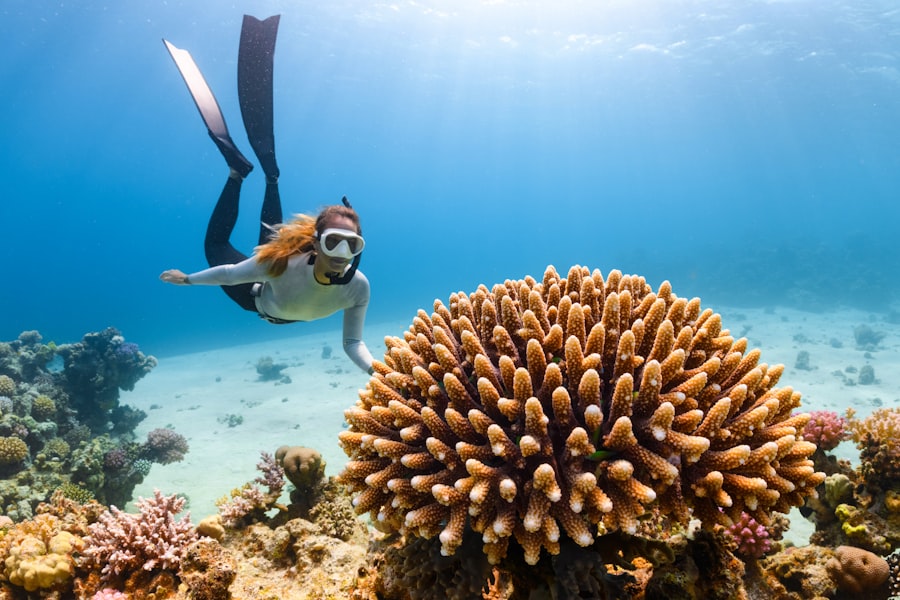
Sustainable tourism offers a unique opportunity to experience the beauty of our oceans while contributing positively to their health. As you plan your travels, consider choosing destinations that prioritize environmental conservation and promote responsible tourism practices. Engaging in eco-friendly activities such as snorkeling or kayaking can provide you with an up-close view of marine life while minimizing your impact on fragile ecosystems.
When you travel sustainably, you also support local economies that rely on healthy oceans for their livelihoods. By patronizing businesses that prioritize environmental stewardship—such as eco-lodges or tour operators committed to conservation—you help create a demand for sustainable practices within the tourism industry. Additionally, sharing your experiences with others can inspire them to make environmentally conscious choices when traveling.
As you embrace sustainable tourism, you become an advocate for both ocean conservation and responsible travel.
Advocating for Climate Action
Climate change is one of the most significant threats facing our oxygen-producing oceans today. As temperatures rise and weather patterns shift, marine ecosystems are increasingly vulnerable to disruption. Advocating for climate action is essential in addressing these challenges and protecting our oceans’ ability to produce oxygen.
You can start by educating yourself about climate issues and understanding how they relate to ocean health. Engaging with local policymakers and urging them to prioritize climate initiatives can amplify your impact. Whether it’s supporting renewable energy projects or advocating for emissions reductions, your voice can influence decisions that shape our collective response to climate change.
Additionally, participating in community events focused on climate awareness can help foster a sense of urgency around this critical issue. By standing up for climate action, you contribute to a broader movement aimed at safeguarding our planet’s future and ensuring healthy oceans for generations to come.
Taking Individual Action to Protect Our Oxygen-Producing Oceans
While systemic change is crucial for protecting our oceans, individual actions also play a significant role in fostering positive change. You have the power to make choices in your daily life that contribute to ocean health. Simple actions such as reducing water usage, conserving energy, and choosing sustainable products can collectively make a difference in mitigating environmental impacts.
Moreover, spreading awareness among your friends and family about the importance of protecting oxygen-producing oceans can create a ripple effect within your community. By sharing information about sustainable practices and encouraging others to take action, you help cultivate a culture of environmental stewardship. Remember that every effort counts; whether it’s participating in local conservation initiatives or making conscious choices in your lifestyle, your commitment to protecting our oceans is invaluable.
In conclusion, safeguarding our oxygen-producing oceans requires collective action at multiple levels—from individual choices to global policies. By understanding the importance of these ecosystems and actively engaging in efforts to protect them, you contribute to a healthier planet for all living beings. Embrace your role as a steward of the ocean and inspire others to join you in this vital mission for future generations.
If you are interested in learning more about how planting trees can help the environment, check out this article on